
Introduction
Foreword
Dear Reader,
If a firefly could travel the whole world, the ConQuest* and its artists would be one.
Welcome to the inaugural issue of Minerva’s first literary and arts magazine. The ConQuest aims to bring humanity to the arts at Minerva. For our readers, this magazine is meant to be the firefly that lights the darkness, a spring of creativity, a collection of art to return to whenever it is needed. From all over the world, writing and art pieces, songs and collages, photographs and diary entries, are collected in this magazine like fallen cherry blossoms in a pond.
Did you know that there are more than 2000 known firefly species? Their diversity, in fact, is incredible. Their globality likewise, as the 2000 species, shed their light onto all continents except Antarctica. Thousands of fireflies from the species Photinus Carolinus on the East coast of the US flash in unison to create synchronized ripples of light and dark. Isn‘t it incredible what can be achieved in a community?
The ConQuesters—the artists—that nurture the very arts in this magazine are Minervans. We like to imagine Minervans as clustered bundles of traveling fireflies. Like the fireflies, Minervans spread across 7 countries and counting, and for 8 months a year, synchronize our cultures, languages, beliefs, to form one dynamic community of light. As we travel the world together, we write songs, books, make videos, photographs, found start-ups, volunteer, bike and hike across countries. Minervans are explorers, creators, and a community. There is always a story to be told. The ConQuest shares those stories in a monthly themed magazine. Through arts, it connects cohorts at Minerva.
As each university year comes to an end—be it in Taipei, Hyderabad, Seoul, London, Berlin, Buenos Aires, or San Francisco—each class at Minerva splits up; every student sets off on their own Summer pilgrimage. That is why we decided to theme this inaugural issue of the ConQuest Summer.
Thank you, truly, to every Minervan that contributed to this first issue. Thank you for bringing us on your adventures through word, lens, and pencil; they have been a joy. A special thank you as well to the designers, who have carefully woven each piece into this magazine. We are beyond excited to launch The ConQuest and to see it grow.
Harness the traveling firefly in you—we are waiting for you in our next issue!
Your ConQuest founders, editors, and friends,
Annabel, Zhi Zhi, Dasha, Stephanie
If a firefly could travel the whole world, the ConQuest* and its artists would be one.
Welcome to the inaugural issue of Minerva’s first literary and arts magazine. The ConQuest aims to bring humanity to the arts at Minerva. For our readers, this magazine is meant to be the firefly that lights the darkness, a spring of creativity, a collection of art to return to whenever it is needed. From all over the world, writing and art pieces, songs and collages, photographs and diary entries, are collected in this magazine like fallen cherry blossoms in a pond.
Did you know that there are more than 2000 known firefly species? Their diversity, in fact, is incredible. Their globality likewise, as the 2000 species, shed their light onto all continents except Antarctica. Thousands of fireflies from the species Photinus Carolinus on the East coast of the US flash in unison to create synchronized ripples of light and dark. Isn‘t it incredible what can be achieved in a community?
The ConQuesters—the artists—that nurture the very arts in this magazine are Minervans. We like to imagine Minervans as clustered bundles of traveling fireflies. Like the fireflies, Minervans spread across 7 countries and counting, and for 8 months a year, synchronize our cultures, languages, beliefs, to form one dynamic community of light. As we travel the world together, we write songs, books, make videos, photographs, found start-ups, volunteer, bike and hike across countries. Minervans are explorers, creators, and a community. There is always a story to be told. The ConQuest shares those stories in a monthly themed magazine. Through arts, it connects cohorts at Minerva.
As each university year comes to an end—be it in Taipei, Hyderabad, Seoul, London, Berlin, Buenos Aires, or San Francisco—each class at Minerva splits up; every student sets off on their own Summer pilgrimage. That is why we decided to theme this inaugural issue of the ConQuest Summer.
Thank you, truly, to every Minervan that contributed to this first issue. Thank you for bringing us on your adventures through word, lens, and pencil; they have been a joy. A special thank you as well to the designers, who have carefully woven each piece into this magazine. We are beyond excited to launch The ConQuest and to see it grow.
Harness the traveling firefly in you—we are waiting for you in our next issue!
Your ConQuest founders, editors, and friends,
Annabel, Zhi Zhi, Dasha, Stephanie
Note
*When the magazine was founded late Spring of 2022, we decided to name it ConQuest, mainly because we were supposed to be a subset of The Quest, Minerva’s student-produced newspaper.
However, as the magazine developed throughout the summer, we decided to grow independent from The Quest.
We also do not want to be associated with imperialist or colonialist connotations, especially in light of the state of the world. We hope Napkins will grow on you as much as it has grown on us these past weeks!
However, as the magazine developed throughout the summer, we decided to grow independent from The Quest.
We also do not want to be associated with imperialist or colonialist connotations, especially in light of the state of the world. We hope Napkins will grow on you as much as it has grown on us these past weeks!
Poetry
The Ascension
Briefly before dawn,
five planets align—
Mercury, Venus, Mars, Jupiter, Saturn.
I wake to the sound of the city’s stirring
underneath your arm,
curled with your body.
Some time in a trance,
I have let you go.
My fingers slide back down your fingers
and fill in the grooves of your knuckles.
My back arches,
sealing the space with your deep
breath.
Blood flows
from my restlessness
colors your lips.
Still as the time,
we
feel the second
stretch into
lightyears
briefly before dawn.
five planets align—
Mercury, Venus, Mars, Jupiter, Saturn.
I wake to the sound of the city’s stirring
underneath your arm,
curled with your body.
Some time in a trance,
I have let you go.
My fingers slide back down your fingers
and fill in the grooves of your knuckles.
My back arches,
sealing the space with your deep
breath.
Blood flows
from my restlessness
colors your lips.
Still as the time,
we
feel the second
stretch into
lightyears
briefly before dawn.
Nonfiction
A Haha to Kim Kardashian
Summer came. I was burned out. Then I turned to Kim Kardashian’s Instagram.
I spent my childhood writing. I thought about many things, and I felt even more things. I wanted to write everything, hoping my closest people—including myself—would think and feel the same. My mom was also a writer and told me to write like “the blandest soup made with the richest beef.” That meant never using “big words”—as she called them—such as love, death, or any comment under Kim’s posts.
Love, and many others from that collection, is extremely abstract. The definitions of those big words are simply subjective; some even resort to defining a big word through other bigger words. That inherent ambiguity is what allows those words to be applied in a multitude of situations, ranging from shower thoughts to intense philosophical breakdowns. And our independent journeys to bring clarity, incessantly navigating in the sea of memory looking for a mere glimpse from that ontological lighthouse, are intertwined with who we are. Our beautiful subjectivities of those words are unique, like Kim’s Instagram posts, valuable, like her comments, and right, not left. As much as Rupi Kaur has seen her devil, I’ve seen mine: a toddler on an airplane. Tell me, am I wrong?
That impenetrable righteousness, however, doesn’t seem far away. We aspire to become more right. And we think that some are getting “closer”—by showing, not telling, or whatever functions those defending “real” literature seem to suggest. In Lemonade, we see how Beyoncé created “[her] own sobbing self-portrait to make sure [her] mascara smears in the most perfectly disheveled way” (Mapes, 2016). On the desperate Sandcastles, she embraces her weakness after a reckless roar and celebration of anger. She breaks her voice—finally, just at the right time. And there is an ugly peculiarity—sometimes ingenuity—when we imagine Beyoncé micro-strategizing “love” with her record label. Should we celebrate, fear, or never believe the capitalist philosopher? Does TWICE actually know what love is?
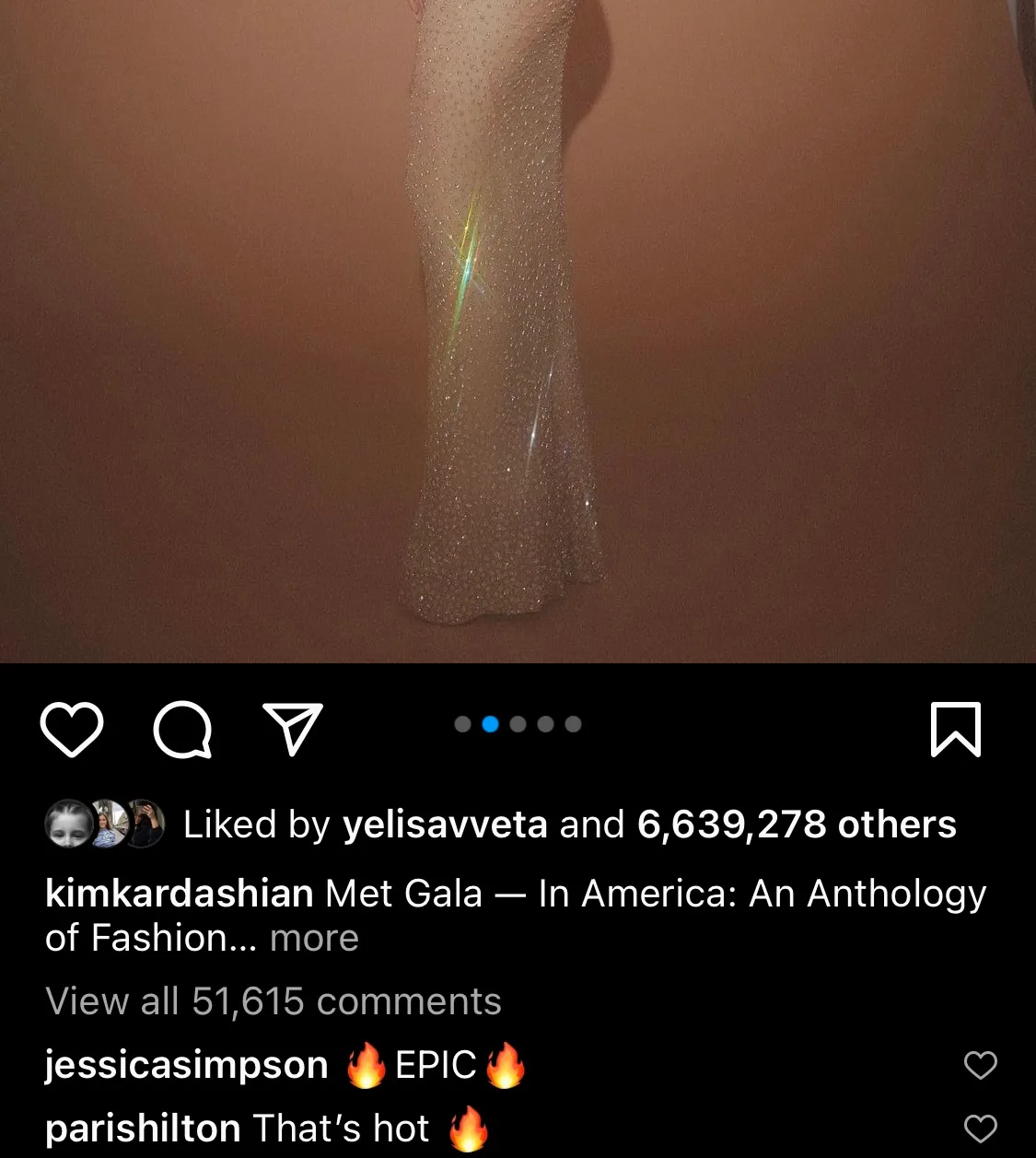
But who cares. I feel good when I read “That’s hot” under Kim’s posts. I feel sad when I read some more comments under Kim’s posts. Who cares about the imperfectness of emotions when it motivates people to create more? Who cares about money-hungry sharks when we can learn from them?
Ah, the drama of it all.
I spent my childhood writing. I thought about many things, and I felt even more things. I wanted to write everything, hoping my closest people—including myself—would think and feel the same. My mom was also a writer and told me to write like “the blandest soup made with the richest beef.” That meant never using “big words”—as she called them—such as love, death, or any comment under Kim’s posts.
Love, and many others from that collection, is extremely abstract. The definitions of those big words are simply subjective; some even resort to defining a big word through other bigger words. That inherent ambiguity is what allows those words to be applied in a multitude of situations, ranging from shower thoughts to intense philosophical breakdowns. And our independent journeys to bring clarity, incessantly navigating in the sea of memory looking for a mere glimpse from that ontological lighthouse, are intertwined with who we are. Our beautiful subjectivities of those words are unique, like Kim’s Instagram posts, valuable, like her comments, and right, not left. As much as Rupi Kaur has seen her devil, I’ve seen mine: a toddler on an airplane. Tell me, am I wrong?
That impenetrable righteousness, however, doesn’t seem far away. We aspire to become more right. And we think that some are getting “closer”—by showing, not telling, or whatever functions those defending “real” literature seem to suggest. In Lemonade, we see how Beyoncé created “[her] own sobbing self-portrait to make sure [her] mascara smears in the most perfectly disheveled way” (Mapes, 2016). On the desperate Sandcastles, she embraces her weakness after a reckless roar and celebration of anger. She breaks her voice—finally, just at the right time. And there is an ugly peculiarity—sometimes ingenuity—when we imagine Beyoncé micro-strategizing “love” with her record label. Should we celebrate, fear, or never believe the capitalist philosopher? Does TWICE actually know what love is?
But who cares. I feel good when I read “That’s hot” under Kim’s posts. I feel sad when I read some more comments under Kim’s posts. Who cares about the imperfectness of emotions when it motivates people to create more? Who cares about money-hungry sharks when we can learn from them?
Ah, the drama of it all.
Bibliography
Mapes, J. (2016). Beyoncé: Lemonade. Pitchfork. Retrieved July 7, 2022, from https://pitchfork.com/reviews/albums/21867-lemonade/
Poetry
Morte ou Immortelle
Dandelions.
How I miss you in her golden crown of hair
As she careens forward,
Through the tall-weeds,
And falls
In spirals of laughter.
Buttery cheeks.
She might as well have painted cadmium thickly
On with a hasty
finger
And left it there for this next role.
Flutter feet.
Bare, of course,
Stumpf-ta-stoompf of the insects
rattled
in the undergrowth
The dandelion shudders and dissolves
In your fingers? the petals fall away and I —
Where? I
Was one of the stalks and so were
you.
That I crave we pass
How I miss you in her golden crown of hair
As she careens forward,
Through the tall-weeds,
And falls
In spirals of laughter.
Buttery cheeks.
She might as well have painted cadmium thickly
On with a hasty
finger
And left it there for this next role.
Flutter feet.
Bare, of course,
Stumpf-ta-stoompf of the insects
rattled
in the undergrowth
Et du coup je ne sais plus si je me sens morte
ou immortelle.
ou immortelle.
The dandelion shudders and dissolves
In your fingers? the petals fall away and I —
Where? I
Was one of the stalks and so were
you.
Et ça (and that)
C’est la mortalité mobile (that is mortality in motion)
C’est la mortalité mobile (that is mortality in motion)
That I crave we pass
Dans une dance (in a dance)
Effervescent (effervescent)
Le matin passé. (the morning past.)
Effervescent (effervescent)
Le matin passé. (the morning past.)
Nonfiction
Back to Nature
It feels good to be back home. After months of being surrounded by cityscapes and never-ending concrete jungles, I had a newfound love for nature only otherwise experienced by a hippie who just dropped acid for the first time.
Living in a region with low urbanization, and at the outer edge of the city in a sector called D4, I have always felt very close to nature. I am reminded of this fact by the shrubbery surrounding my neighborhood as well as the numerous pest infestations.
However, my expectations have disappeared faster than empty plots in the sector. Once, D4 was a newly added sector and there was hardly much construction. It was bland and yellow with its dried grass and seasonal streams wrinkling through its surface only to quench the thirst of thorny dying trees. It wasn’t ugly for sure… just beautiful in an unlikeable way. Nothing had hardly changed.
I used to live next to Namsan Mountain for God’s sake!!! Ah, and what a sight that was! A towering green hill, sometimes garnished in snow and sometimes dotted with blooming cherry trees—cherry trees so beautifully pink that it seemed they had been spray painted by some punk from Itaewon (or from Hongdae, we can never really be sure). The best we have at home is this unimpressive hill not too far from where I live. It's about time someone diagnoses it with male-patterned baldness: green locks of long grasses grow on its steep cliffs, but the top is utterly flat and empty. Thorny dry bushes. We have one tree though, a kind of tree called Kikar.
“None has gained success from the companionship of the unworthy
Grew a grapevine on kikar; every bunch was pierced by its thorns”
- Mian Mohammad Bakhsh
Mian Mohammad Bakhsh was a great Punjabi Sufi poet who lived most of his life only a few kilometers from here. Due to his credentials, I'm just going to take on his authority that kikar is a really shitty type of tree.
It is a matter of great pride that the kikar tree I look at right now could have been the very one that inspired Bakhsh’s couplets by pissing him off so much. As such, the D4 kikar’s valuable contributions to Punjabi literature cannot be ignored.
Also, the kair plant which blooms only in autumn suddenly blooms flowers, the same pink of an Itaewon (or Hongdae) punk’s spray paint. An old cow herder I met told me the history of the area that once was D4. A century ago or more, this land was the fief of a rich man from a nearby village who had a son. A peasant from the distant village, now an easy 30-minute drive away, traveled all the way to this man to gift him a goat. Impressed by this humble peasant’s gift, the landlord granted him all the land between two certain seasonal streams in the area. Considering that it was all wasteland, this peasant probably got ripped off badly. Coincidentally, this area roughly aligns with the modern-day sector border of D4. I believe this story is sufficient to serve as D4’s national myth and source of its identity. However, I cannot verify if this story was true or made up. I cannot verify if I made it up to reach the word count. My editor is strict.
The area has no lack of fauna either. The two main types of avians in D4 are the gray francolin and the black francolin—both of which are actually brown. Although not flightless birds, they prefer sprinting across the yellow grasses rather than flying. I guess they’re just lazy.
Monsoon here feels like God’s own EDM concert with a booming base and helluva lighting show. This shorty is followed by orchestral performances with choirs of toads and percussions from crickets while ants dance in their nuptial flights around glowing light bulbs, looking for mates. By the morning, there will be a carpet of ant wings on the floor as these ants fall to the ground exhausted from all the swirling and perhaps even MillyRocking, so most homes keep their light off to avoid them. In my opinion, this is nothing short of mass cock-block on the ant species by us humans.
Historically, these ants would instead gather around lamps and candlelight, often dying in their flames. Consequently, the self-immolation of these flying ants was a popular metaphor in Urdu poetry for self-destructing passion, whether of a man to God or of a lover to a beloved. Since the introduction of lightbulbs, self-immolation and mentions of ants in poetry have decreased significantly. Therefore, I argue that the lightbulb is the single greatest threat to Urdu literature.
The point when I first moved to D4 as a kid feels like a distant point on the dark horizon above the plains of my memories. As the world turns, this point seems to disappear into empty space.
Living in a region with low urbanization, and at the outer edge of the city in a sector called D4, I have always felt very close to nature. I am reminded of this fact by the shrubbery surrounding my neighborhood as well as the numerous pest infestations.
However, my expectations have disappeared faster than empty plots in the sector. Once, D4 was a newly added sector and there was hardly much construction. It was bland and yellow with its dried grass and seasonal streams wrinkling through its surface only to quench the thirst of thorny dying trees. It wasn’t ugly for sure… just beautiful in an unlikeable way. Nothing had hardly changed.
I used to live next to Namsan Mountain for God’s sake!!! Ah, and what a sight that was! A towering green hill, sometimes garnished in snow and sometimes dotted with blooming cherry trees—cherry trees so beautifully pink that it seemed they had been spray painted by some punk from Itaewon (or from Hongdae, we can never really be sure). The best we have at home is this unimpressive hill not too far from where I live. It's about time someone diagnoses it with male-patterned baldness: green locks of long grasses grow on its steep cliffs, but the top is utterly flat and empty. Thorny dry bushes. We have one tree though, a kind of tree called Kikar.
“None has gained success from the companionship of the unworthy
Grew a grapevine on kikar; every bunch was pierced by its thorns”
- Mian Mohammad Bakhsh
Mian Mohammad Bakhsh was a great Punjabi Sufi poet who lived most of his life only a few kilometers from here. Due to his credentials, I'm just going to take on his authority that kikar is a really shitty type of tree.
It is a matter of great pride that the kikar tree I look at right now could have been the very one that inspired Bakhsh’s couplets by pissing him off so much. As such, the D4 kikar’s valuable contributions to Punjabi literature cannot be ignored.
Also, the kair plant which blooms only in autumn suddenly blooms flowers, the same pink of an Itaewon (or Hongdae) punk’s spray paint. An old cow herder I met told me the history of the area that once was D4. A century ago or more, this land was the fief of a rich man from a nearby village who had a son. A peasant from the distant village, now an easy 30-minute drive away, traveled all the way to this man to gift him a goat. Impressed by this humble peasant’s gift, the landlord granted him all the land between two certain seasonal streams in the area. Considering that it was all wasteland, this peasant probably got ripped off badly. Coincidentally, this area roughly aligns with the modern-day sector border of D4. I believe this story is sufficient to serve as D4’s national myth and source of its identity. However, I cannot verify if this story was true or made up. I cannot verify if I made it up to reach the word count. My editor is strict.
The area has no lack of fauna either. The two main types of avians in D4 are the gray francolin and the black francolin—both of which are actually brown. Although not flightless birds, they prefer sprinting across the yellow grasses rather than flying. I guess they’re just lazy.
Monsoon here feels like God’s own EDM concert with a booming base and helluva lighting show. This shorty is followed by orchestral performances with choirs of toads and percussions from crickets while ants dance in their nuptial flights around glowing light bulbs, looking for mates. By the morning, there will be a carpet of ant wings on the floor as these ants fall to the ground exhausted from all the swirling and perhaps even MillyRocking, so most homes keep their light off to avoid them. In my opinion, this is nothing short of mass cock-block on the ant species by us humans.
Historically, these ants would instead gather around lamps and candlelight, often dying in their flames. Consequently, the self-immolation of these flying ants was a popular metaphor in Urdu poetry for self-destructing passion, whether of a man to God or of a lover to a beloved. Since the introduction of lightbulbs, self-immolation and mentions of ants in poetry have decreased significantly. Therefore, I argue that the lightbulb is the single greatest threat to Urdu literature.
The point when I first moved to D4 as a kid feels like a distant point on the dark horizon above the plains of my memories. As the world turns, this point seems to disappear into empty space.
Poetry
Summer Heat
The wide fields, mineralized mountains and
the golden dusk under the surface.
All, but a single land of pure.
Four seasons and heavy monsoon
cradles itself on natural bounties.
But, the people of the land pine
for the growing decline
of the white foam
and the shade of whorled leaf patterns
As the fauna perishes.
Now they sit in their concrete shelters
under the scorching sun
hopeful to cool down with
air coolers and noisy fans
in the piquant flavors of summer heat.
Their streak of consequences emerge
with a simple short circuit
in the growing lattice
of insulated current.
Welcome to your Hell!
the golden dusk under the surface.
All, but a single land of pure.
Four seasons and heavy monsoon
cradles itself on natural bounties.
But, the people of the land pine
for the growing decline
of the white foam
and the shade of whorled leaf patterns
As the fauna perishes.
Now they sit in their concrete shelters
under the scorching sun
hopeful to cool down with
air coolers and noisy fans
in the piquant flavors of summer heat.
Their streak of consequences emerge
with a simple short circuit
in the growing lattice
of insulated current.
Welcome to your Hell!
Nonfiction
The Clanging Protest
Zion barks once, then twice, and then he starts to bark furiously. I stop typing and glance up: eight o’clock. He pauses briefly and I hear the clangs and bangs of people hitting pots and pans, a faint noise at first, and then growing into a raging roar.
I get up from my desk and walk over to my bedroom window. Shwedagon Pagoda is sitting far off in the distance, the floodlights shining ever so brightly onto the striking gold structure. The sparks of gold reflect onto the starless night sky, creating a warm cloud that melts into the background. There were times I would race up the stairs of the pagoda with my brother, holding onto my longyi with one hand to make sure it didn’t fall down as I grabbed the handrails with the other. There were times I would sit on the cool, white marble floor with my family, crunching sunflower seeds and delighting in the tranquility of the sacred ground. There were times I would roam freely and play hide and seek with my cousins among the labyrinth of towering pagodas despite our parents’ reproaching comments. And on my birthday each year, I would wake up with the sun, put on my best longyi, and skip to the pond on the pagoda grounds to feed the catfish that would grapple for my breadcrumbs. Now I gaze at Shwedagon Pagoda, unable to recall the last time I stepped foot onto its stairs.
The pagoda has been closed for a year now as a safety measure against the Covid-19 pandemic. If only I had used my wish more wisely the last time I prayed on the ‘Victory Ground’, the area of Shwedagon Pagoda where all wishes are said to come true.
How silly of her to have wasted her wish on getting an A on a test that she doesn’t even remember the contents of anymore. But how could she have known better about what was to come in a little shy of a year?
These grounds are where the anti-colonial campaign started in 1920. It is where the peaceful marches of Buddhist monks against the ruling military junta ignited in 2007. Now, it is locked away from civilians with barbed wire fences. Now, we bang spatulas on steel pots and smack tin pot lids together with all our might, concealed in the darkness of the night and in the refuge of our homes. A traditional ritual to ward off evil spirits has become a national movement. It is believed that when bad spirits hear loud clangs, they will flee in fear. Only this time, we are not warding off the supernatural. Rather, we are driving one inhumane force out of our country. The ones with the guns that shoot civilians, the ones with money that is drenched in the blood of our people, the ones with a ceaseless thirst for power: the military junta. The noise eases our anger, but only for a moment.
The shrill ringing of my mom’s phone interrupted my deep slumber on that morning, the morning of February 1st. Tired from an 11 pm virtual class I had the previous night, I quickly drifted back to sleep. A few heartbeats later, I heard my mom’s voice trembling. “They’ve captured Daw Aung San Suu Kyi?”
My eyes sprung open and my heart plummeted to my stomach. I stumbled out into the living room, rubbing my eyes.“Má mā, what’s going on?”
“The military detained Daw Suu and President U Win Myint this morning.” My head started to burn, like it does when I lose my mom at the grocery store.
That morning, our democratically elected leaders were supposed to attend their first parliament meeting since the election results came out. We were supposed to finally get closer to a real functioning democracy, not the lookalike version that we had been experiencing, with the military still having a large control over the decisions of our country. We had voted for our government, and the National League for Democracy party had won by a landslide.
After the tide of that morning had crashed and settled down, my dad gently knocked on my bedroom door and stepped in. “You know, I was 18 when this kind of unrest happened in 1988. Isn’t that funny? That you are also 18 now? And that it’s happening again?”
I wasn’t sure how to respond. “It is quite funny…”, I said, “how history really does repeat itself.”
My dad had been one of the thousands of brave students then. He had gone out to the streets to protest along with his friends, despite my grandmother’s objections. He had begun to run when they started firing bullets into the crowd. “People were getting trampled over.” he recounted. “Some younger students fell to the ground, but nobody could stop to help them because we were all trying to run for our own lives.” And during that run was when he fell down and was struck right in the jaw by a pair of big, black military boots. Out flew his four front teeth. He is lucky to be here today, but he is nonetheless scarred.
I rush out to find Zion running back and forth, desperately searching for the source of the noise that’s flooding his senses. To him, these sounds are not much more than a momentary disturbance. But to us, these sounds are the voice of our resistance.
I get up from my desk and walk over to my bedroom window. Shwedagon Pagoda is sitting far off in the distance, the floodlights shining ever so brightly onto the striking gold structure. The sparks of gold reflect onto the starless night sky, creating a warm cloud that melts into the background. There were times I would race up the stairs of the pagoda with my brother, holding onto my longyi with one hand to make sure it didn’t fall down as I grabbed the handrails with the other. There were times I would sit on the cool, white marble floor with my family, crunching sunflower seeds and delighting in the tranquility of the sacred ground. There were times I would roam freely and play hide and seek with my cousins among the labyrinth of towering pagodas despite our parents’ reproaching comments. And on my birthday each year, I would wake up with the sun, put on my best longyi, and skip to the pond on the pagoda grounds to feed the catfish that would grapple for my breadcrumbs. Now I gaze at Shwedagon Pagoda, unable to recall the last time I stepped foot onto its stairs.
The pagoda has been closed for a year now as a safety measure against the Covid-19 pandemic. If only I had used my wish more wisely the last time I prayed on the ‘Victory Ground’, the area of Shwedagon Pagoda where all wishes are said to come true.
How silly of her to have wasted her wish on getting an A on a test that she doesn’t even remember the contents of anymore. But how could she have known better about what was to come in a little shy of a year?
These grounds are where the anti-colonial campaign started in 1920. It is where the peaceful marches of Buddhist monks against the ruling military junta ignited in 2007. Now, it is locked away from civilians with barbed wire fences. Now, we bang spatulas on steel pots and smack tin pot lids together with all our might, concealed in the darkness of the night and in the refuge of our homes. A traditional ritual to ward off evil spirits has become a national movement. It is believed that when bad spirits hear loud clangs, they will flee in fear. Only this time, we are not warding off the supernatural. Rather, we are driving one inhumane force out of our country. The ones with the guns that shoot civilians, the ones with money that is drenched in the blood of our people, the ones with a ceaseless thirst for power: the military junta. The noise eases our anger, but only for a moment.
The shrill ringing of my mom’s phone interrupted my deep slumber on that morning, the morning of February 1st. Tired from an 11 pm virtual class I had the previous night, I quickly drifted back to sleep. A few heartbeats later, I heard my mom’s voice trembling. “They’ve captured Daw Aung San Suu Kyi?”
My eyes sprung open and my heart plummeted to my stomach. I stumbled out into the living room, rubbing my eyes.“Má mā, what’s going on?”
“The military detained Daw Suu and President U Win Myint this morning.” My head started to burn, like it does when I lose my mom at the grocery store.
That morning, our democratically elected leaders were supposed to attend their first parliament meeting since the election results came out. We were supposed to finally get closer to a real functioning democracy, not the lookalike version that we had been experiencing, with the military still having a large control over the decisions of our country. We had voted for our government, and the National League for Democracy party had won by a landslide.
After the tide of that morning had crashed and settled down, my dad gently knocked on my bedroom door and stepped in. “You know, I was 18 when this kind of unrest happened in 1988. Isn’t that funny? That you are also 18 now? And that it’s happening again?”
I wasn’t sure how to respond. “It is quite funny…”, I said, “how history really does repeat itself.”
My dad had been one of the thousands of brave students then. He had gone out to the streets to protest along with his friends, despite my grandmother’s objections. He had begun to run when they started firing bullets into the crowd. “People were getting trampled over.” he recounted. “Some younger students fell to the ground, but nobody could stop to help them because we were all trying to run for our own lives.” And during that run was when he fell down and was struck right in the jaw by a pair of big, black military boots. Out flew his four front teeth. He is lucky to be here today, but he is nonetheless scarred.
I rush out to find Zion running back and forth, desperately searching for the source of the noise that’s flooding his senses. To him, these sounds are not much more than a momentary disturbance. But to us, these sounds are the voice of our resistance.
Author’s Note
At the time of the publishing of this piece, the conflict is still going strong in Myanmar, and citizens are risking their safety and wellbeing every day in fighting this fight. This piece captures the author’s personal account of the issue and does not aim to educate about the conflict.
For more information and updates, go to https://mohingamatters.com/
For more information and updates, go to https://mohingamatters.com/
Nonfiction
Teuta
One apparent characteristic of Albanian writers is the confidence that Illyrian is the base of every other culture in the Balkans. It might be to some degree, but there is a vast bias in the Balkan countries about ownership of ancient history and heroes. Thus, I wanted to read books from authors of different nationalities to have a neutral point of view — Albanian writers from Kosova, Albanian writers from Albania, A Macedonian writer, and a British Anthropologist.
Following the death of her spouse Agron in 231 BC, Teuta was the queen regent of the Ardiaei tribe in Illyria. She reigned for approximately three years, from 231 BC to 228/227 BC. The heart of her kingdom was the city of Rizon.
She continued Agron's expansion policy in the Adriatic Sea in the context of an ongoing conflict with the Roman Republic. The city of Rome declared war against Teuta in 229 BC because one of their ambassadors presumably died at the hands of Illyrian pirates.
Teuta disappeared together with her crown before the Romans took over Rizon. Several councils (Lucie Albini, Klaud Rufi, Pompei, Logini, and Turini) were defeated by the numerous legends about her disappearance and actual hiding place.
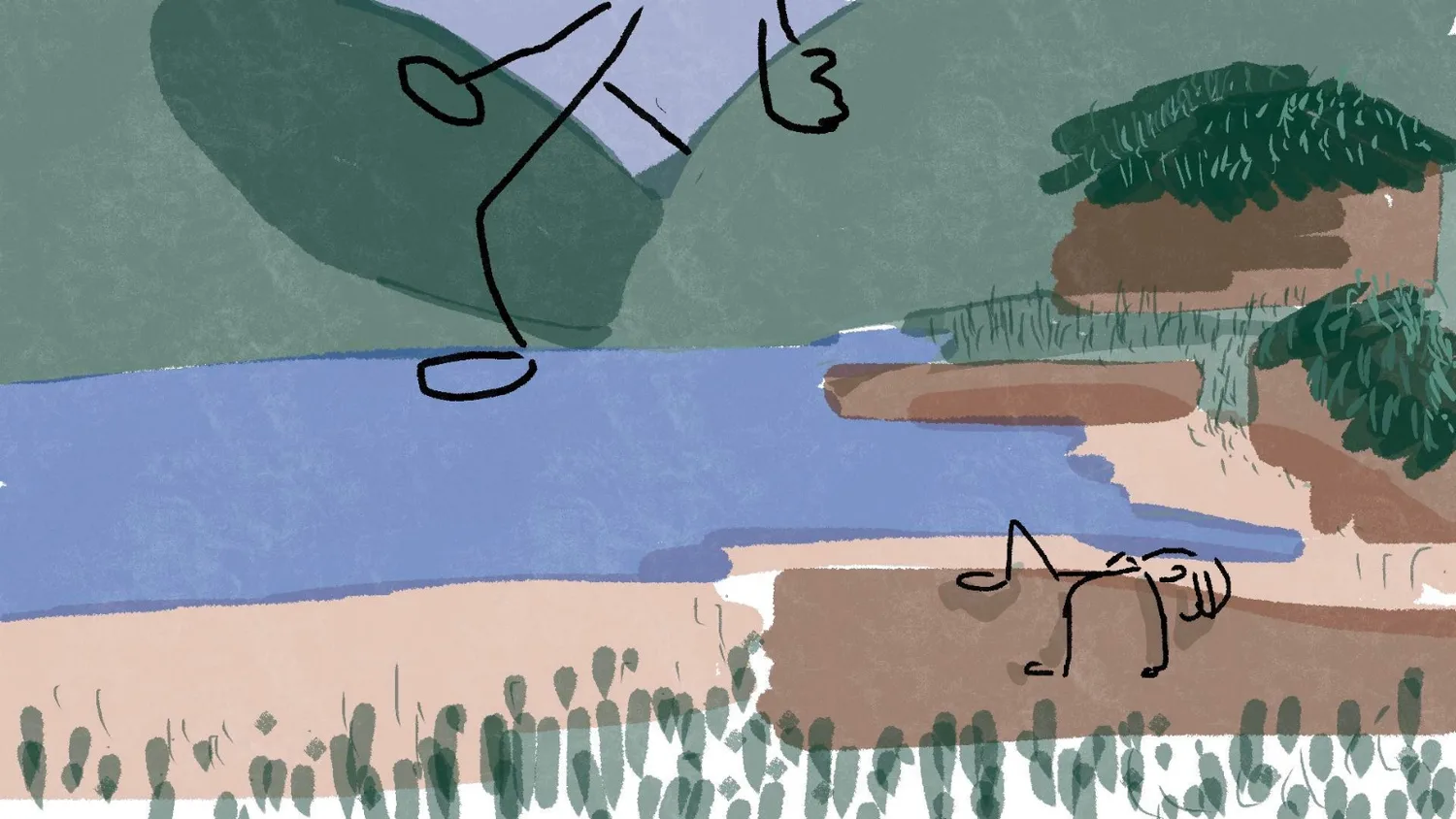
Lucie Albini had a spy group called “the unseen” whom he sent to look for information about Teuta’s whereabouts. The unseen would report back with stories from the Illyrians they had overheard.
“She is in the flowers and rocks” would the majority say. “She will come back to unite us.”
”But how is she inside a rock?” would the unseen ask.
“The rock is a living being too.” the reply would be.
Each rock of the land lives in its way and has its own story with which it is dressed. This means that the rock lives similarly to the roads, the trees, and the mountains. This land in itself gave birth to the people and gave them personalities. Therefore, this land hides Teuta in her embrace.

It was hard for Romans to win against the invisible, against stories. They might have taken them over with force and an army but could not take over their soul and imagination. Every new legend was a recent fire. From all the people they had conquered, Illyrians used their imagination as a deadly weapon.
Every war is a lost one, especially the one against the imagination of one people.
Groups of people would gather around midnight to observe the depth of the sea with the pretense of seeing the eyes of Teuta. The sea had the same color as her eyes. They would see her everywhere in nature; that's why the Romans could never take her.
The Romans could not see her; Illyrians have other eyes.
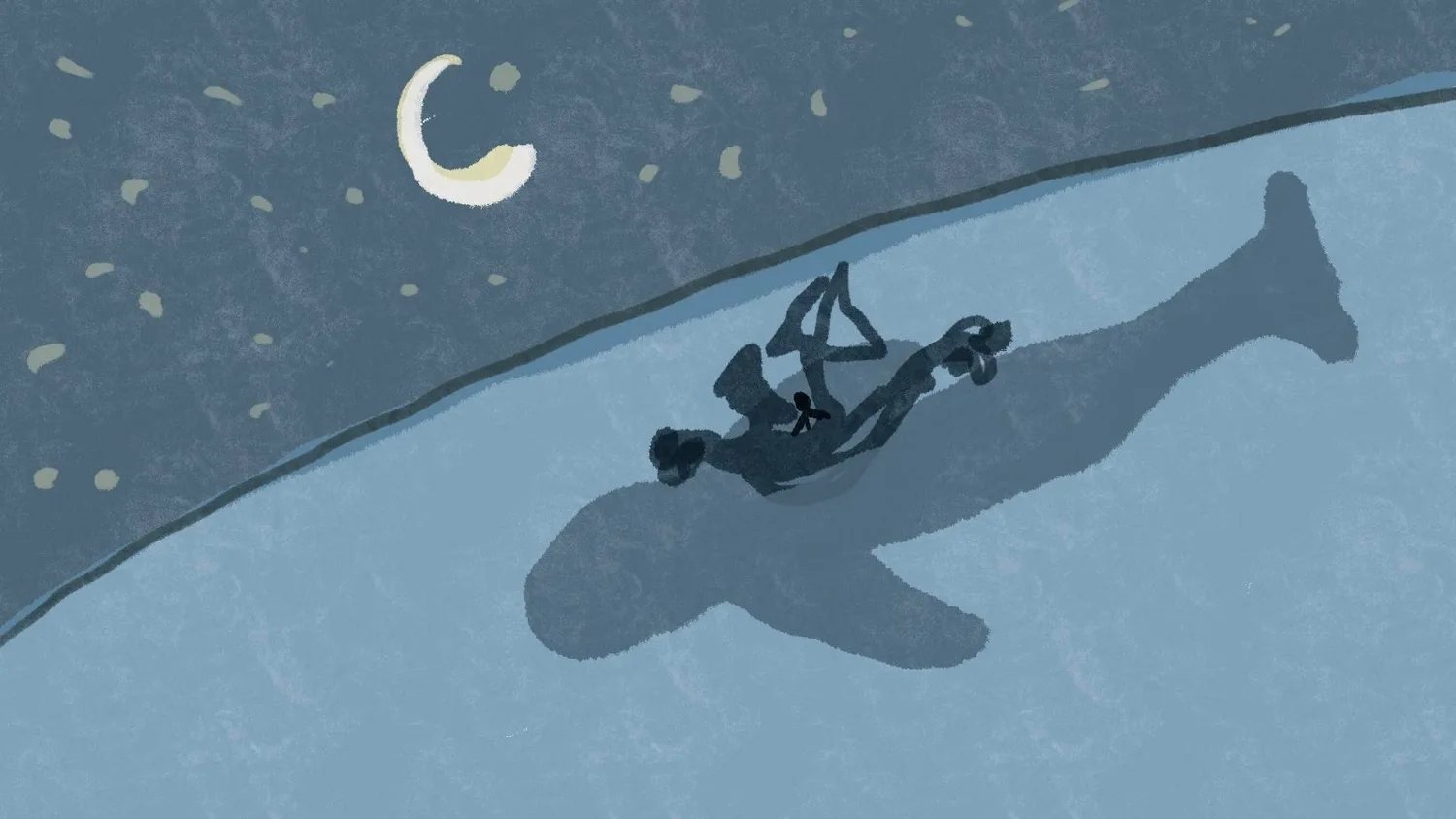
“We have doubt everywhere, whereas they believe in everything,” would the Romans say.
Gaj Lucie Fili, a botanist from Rome, took a trip to Illyria to document the flowers and plants. In his transcripts, he writes that Illyrians treat plants as living beings and talk to them. Each one of them has a legend.
Iris Illyrica.
A flower as blue as the sea, and abundant as the stories roaming the land.
The flower-pickers held grand ceremonies before picking the flowers. Women, dressed in wide-cuffed blouses strapped into embroidered aprons and topped with their xhamadans, would ask the mythological creatures inside the flowers to let them take the healing power of the plant. Golden coins glistened around their necks.
If one wants to enslave a people that knit legends into their living cells, they have to unravel their myths. In the example of Illyrians and Romans, this was impossible because the Illyrian tales were too detailed and complicated to be deciphered. You had to believe them first, and Roma was too proud to do that.
British anthropologist Rebbeca Evans claims that most mythological stories revolve around the hero trope, who most often is “male, powerful and desirable”. The first mistake she makes is in calling mythology a story. Mythology is a way of living created by the urge to explain the world and to pass on history and moral lessons. Since mythology encompasses the way of life of a culture, it also includes day-to-day chores such as picking flowers. In the mythology explained in the paper and the way the masses see mythological stories, a hero is always the central figure that sets up the narrative, showcasing a specific journey of growth. This journey usually ends, whereas mythology lives while people die - even after they do so.
There might be stories such as Harry Potter and games such as Zelda that are mythology-inspired, but the real mythology is still alive in people’s languages and way of living. It is in how we put our laundry up and the decision to step barefoot on sun-kissed rocks.
I had just read Teuta by Miras Martinovic. It is a well-researched book, with oral stories and archeological findings. These included transcripts by Roman botanists who traveled to recently conquered Illyria after Teuta’s disappearance. The healing flower they mentioned most – also the one that haunted the dreams of Roman generals – was Iris Illyrica. Blue like the eyes of the queen, they said. The dilemma was if the queen’s eyes were locked into the flower or if the flower gifted them to her. They were linked together in their stories nonetheless.
Then there I was walking to the bus station, going to babysit my aunt’s kids in the smallest city in Kosova. And I saw it, the flower. I called her by her native name. Iris Ilir.
Iris.
Ilir.
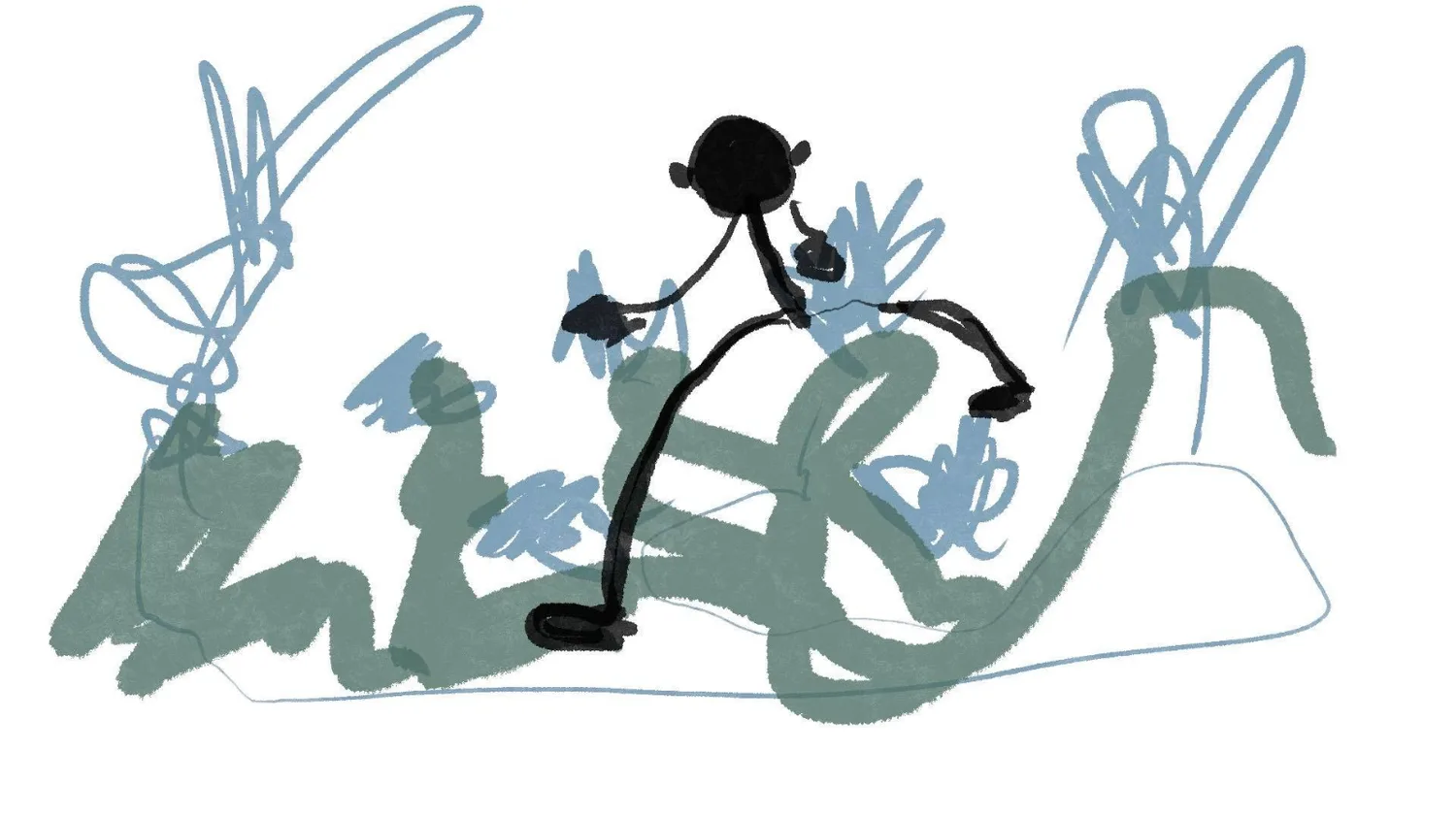
I had gotten a concussion before, but what happened next was nothing close to that experience. After my concussion, I had been seeing mixed colors and forgot my roommate's name a ton.
I had not traveled in time.
I was teleported to Illyria in the year 231 BC.
There might have been something in calling the flower her name. The value of recognition, the power of communication.
Since the last time it was called her name, the flower slept and wept in her dreams. Now that I’ve woken her up, I was thrown into her life.
I was not a person. I was the flower.
Not the physical entity. I was the stories about her.
I was called anywhere Illyrians talked about iris illyrica. This young lady has been talking about the flower so much that I keep returning by her side. She’s one of the flower pickers. She was the best at recognizing the healing abilities of each plant. It was as if the land is gifting her knowledge personally to
use it as an invisible cloak.
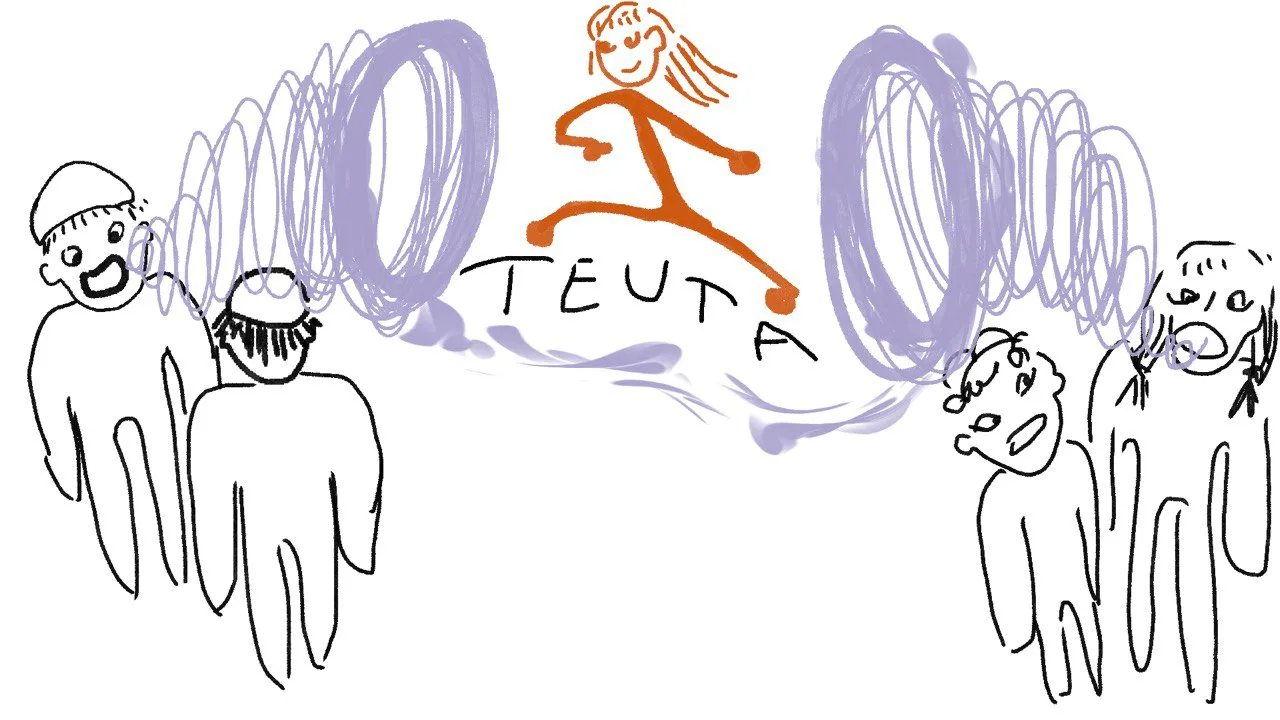
With time, I understand she’s THE missing queen. She’s giving life to armies of stories and sending them against the Romans. She sent me to haunt the dreams of Albin. I got creative with that one.
It is not that weird to be made out of sounds and words instead of flesh and bones.
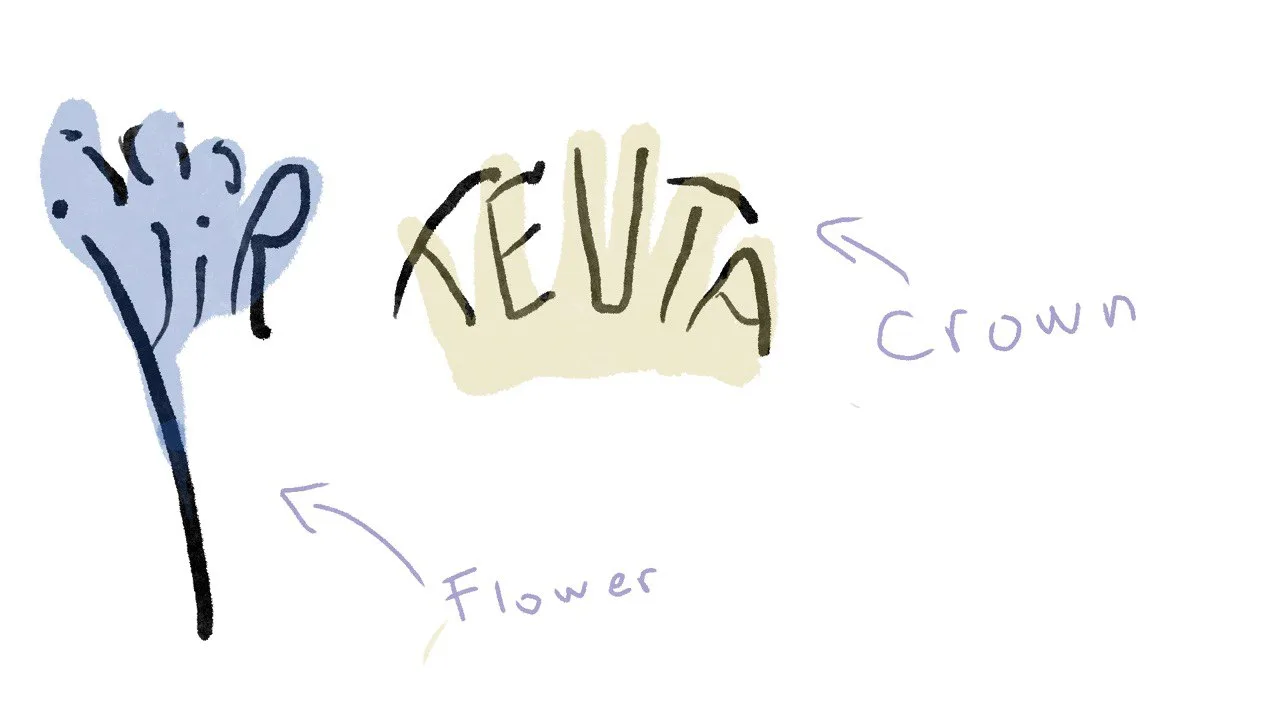
How can oral stories have a soul?
They evolve, as any living being. They live independently from their creator, like a child going off to college. They leave different impressions on people, and teach different morals. They change based on the mind they stumble upon, and are forgotten just as easily as an unvisited grave.
Just like that, I finished the book and came back to my time. My reality. 2022. Although, not by myself. I took Teuta with me, forever meeting her in every blue sky and Iris I see.
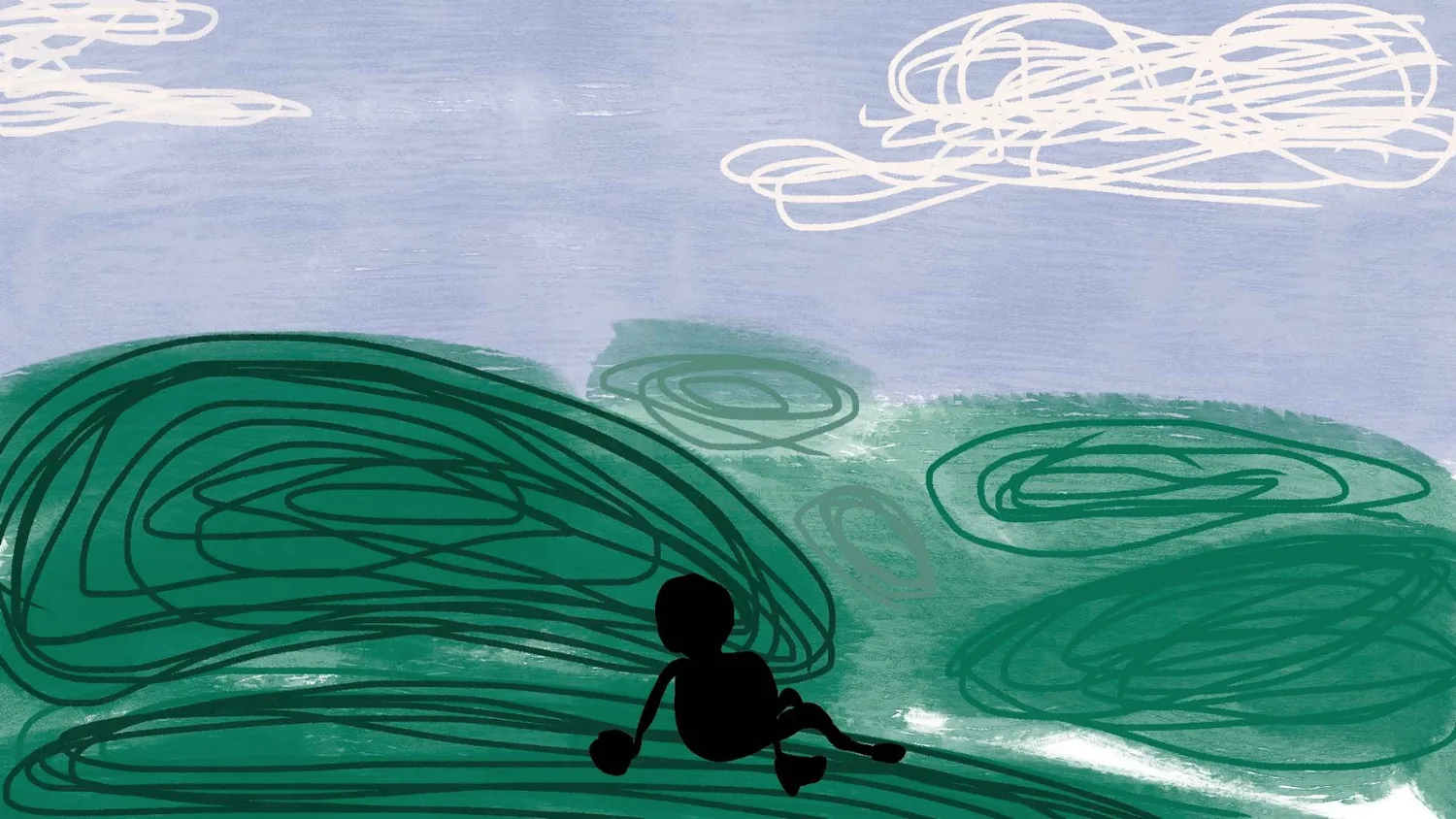
Following the death of her spouse Agron in 231 BC, Teuta was the queen regent of the Ardiaei tribe in Illyria. She reigned for approximately three years, from 231 BC to 228/227 BC. The heart of her kingdom was the city of Rizon.
She continued Agron's expansion policy in the Adriatic Sea in the context of an ongoing conflict with the Roman Republic. The city of Rome declared war against Teuta in 229 BC because one of their ambassadors presumably died at the hands of Illyrian pirates.
Teuta disappeared together with her crown before the Romans took over Rizon. Several councils (Lucie Albini, Klaud Rufi, Pompei, Logini, and Turini) were defeated by the numerous legends about her disappearance and actual hiding place.
Lucie Albini had a spy group called “the unseen” whom he sent to look for information about Teuta’s whereabouts. The unseen would report back with stories from the Illyrians they had overheard.
“She is in the flowers and rocks” would the majority say. “She will come back to unite us.”
”But how is she inside a rock?” would the unseen ask.
“The rock is a living being too.” the reply would be.
Each rock of the land lives in its way and has its own story with which it is dressed. This means that the rock lives similarly to the roads, the trees, and the mountains. This land in itself gave birth to the people and gave them personalities. Therefore, this land hides Teuta in her embrace.
It was hard for Romans to win against the invisible, against stories. They might have taken them over with force and an army but could not take over their soul and imagination. Every new legend was a recent fire. From all the people they had conquered, Illyrians used their imagination as a deadly weapon.
Every war is a lost one, especially the one against the imagination of one people.
Groups of people would gather around midnight to observe the depth of the sea with the pretense of seeing the eyes of Teuta. The sea had the same color as her eyes. They would see her everywhere in nature; that's why the Romans could never take her.
The Romans could not see her; Illyrians have other eyes.
“We have doubt everywhere, whereas they believe in everything,” would the Romans say.
Gaj Lucie Fili, a botanist from Rome, took a trip to Illyria to document the flowers and plants. In his transcripts, he writes that Illyrians treat plants as living beings and talk to them. Each one of them has a legend.
Iris Illyrica.
A flower as blue as the sea, and abundant as the stories roaming the land.
The flower-pickers held grand ceremonies before picking the flowers. Women, dressed in wide-cuffed blouses strapped into embroidered aprons and topped with their xhamadans, would ask the mythological creatures inside the flowers to let them take the healing power of the plant. Golden coins glistened around their necks.
If one wants to enslave a people that knit legends into their living cells, they have to unravel their myths. In the example of Illyrians and Romans, this was impossible because the Illyrian tales were too detailed and complicated to be deciphered. You had to believe them first, and Roma was too proud to do that.
British anthropologist Rebbeca Evans claims that most mythological stories revolve around the hero trope, who most often is “male, powerful and desirable”. The first mistake she makes is in calling mythology a story. Mythology is a way of living created by the urge to explain the world and to pass on history and moral lessons. Since mythology encompasses the way of life of a culture, it also includes day-to-day chores such as picking flowers. In the mythology explained in the paper and the way the masses see mythological stories, a hero is always the central figure that sets up the narrative, showcasing a specific journey of growth. This journey usually ends, whereas mythology lives while people die - even after they do so.
There might be stories such as Harry Potter and games such as Zelda that are mythology-inspired, but the real mythology is still alive in people’s languages and way of living. It is in how we put our laundry up and the decision to step barefoot on sun-kissed rocks.
I had just read Teuta by Miras Martinovic. It is a well-researched book, with oral stories and archeological findings. These included transcripts by Roman botanists who traveled to recently conquered Illyria after Teuta’s disappearance. The healing flower they mentioned most – also the one that haunted the dreams of Roman generals – was Iris Illyrica. Blue like the eyes of the queen, they said. The dilemma was if the queen’s eyes were locked into the flower or if the flower gifted them to her. They were linked together in their stories nonetheless.
Then there I was walking to the bus station, going to babysit my aunt’s kids in the smallest city in Kosova. And I saw it, the flower. I called her by her native name. Iris Ilir.
Iris.
Ilir.
I had gotten a concussion before, but what happened next was nothing close to that experience. After my concussion, I had been seeing mixed colors and forgot my roommate's name a ton.
I had not traveled in time.
I was teleported to Illyria in the year 231 BC.
There might have been something in calling the flower her name. The value of recognition, the power of communication.
Since the last time it was called her name, the flower slept and wept in her dreams. Now that I’ve woken her up, I was thrown into her life.
I was not a person. I was the flower.
Not the physical entity. I was the stories about her.
I was called anywhere Illyrians talked about iris illyrica. This young lady has been talking about the flower so much that I keep returning by her side. She’s one of the flower pickers. She was the best at recognizing the healing abilities of each plant. It was as if the land is gifting her knowledge personally to
use it as an invisible cloak.
With time, I understand she’s THE missing queen. She’s giving life to armies of stories and sending them against the Romans. She sent me to haunt the dreams of Albin. I got creative with that one.
It is not that weird to be made out of sounds and words instead of flesh and bones.
How can oral stories have a soul?
They evolve, as any living being. They live independently from their creator, like a child going off to college. They leave different impressions on people, and teach different morals. They change based on the mind they stumble upon, and are forgotten just as easily as an unvisited grave.
Just like that, I finished the book and came back to my time. My reality. 2022. Although, not by myself. I took Teuta with me, forever meeting her in every blue sky and Iris I see.
Poetry
Eigengrau - Intrinsic Light
DARK: Rage, Repugnance
Storms in her eyes,
on her body,
Waves that could drown whales,
You invaded my heart burning my white flags,
In your hands,
thinking I was free,
suffocating under the victory you bragged,
I hated you because you lied to me
Making me believe this trip had no end to meet.
I was not asking you
To save
Me.
Eigengrau:
Hidden between darkness and light,
Saying you are the one I need,
Pretending Immunity will give me what I forever seek
Murdering charm in whatever I see.
Vicious, Jealous, mo no to nous
You stole my morning dreams,
Convincing me
it’s the fault of my
inattention
You always repeated,
Life is a perfect imperfection.
Light: Nostalgia
The fleece of illusion,
You had the words to seize happiness
Even in the Vantablack,
You lent me your eyes to unsee the mess.
Lost between Love and Addiction,
I ignore what links us,
Scared that you’re only fiction;
You orchestrated everything like in a circus.
Storms in her eyes,
on her body,
Waves that could drown whales,
You invaded my heart burning my white flags,
In your hands,
thinking I was free,
suffocating under the victory you bragged,
I hated you because you lied to me
Making me believe this trip had no end to meet.
I was not asking you
To save
Me.
Eigengrau:
Hidden between darkness and light,
Saying you are the one I need,
Pretending Immunity will give me what I forever seek
Murdering charm in whatever I see.
Vicious, Jealous, mo no to nous
You stole my morning dreams,
Convincing me
it’s the fault of my
inattention
You always repeated,
Life is a perfect imperfection.
Light: Nostalgia
The fleece of illusion,
You had the words to seize happiness
Even in the Vantablack,
You lent me your eyes to unsee the mess.
Lost between Love and Addiction,
I ignore what links us,
Scared that you’re only fiction;
You orchestrated everything like in a circus.
Nonfiction
Tuchan
Story by Yufei Xiao, editing by Dasha Panasenko, figure 6 by Paul Song, audio by Yutaro Shimizu. Past/alternative versions archive.
++++
The subterranean grocery store does not have a roof to stand under and chat, let alone to think undistracted by the sun. A woman hurries through the unshaded courtyard until she enters the tunnel lined with bikes. She spends about 6 minutes almost completely still, suppressing even the sound of her breath, just eyeballs spinning as if choosing routes on a big map in the air. Eventually she wrinkles her whole face harshly, then relaxes it and aims her bike back to the exact same express path by which she came.
As she picks up speed, the cacti crevasses and sand dunes lining the highway run and shrink. She hums, from silently to loudly, drinking the most wind with “sunny side of the street.” Unlike her way here, the sky starts sun-showering (drizzles without clouds). Drops touch her, hit the road like a drumbeat, splash dark patterns on the handlebars.
++++
The woman bikes fluently from the chemistry building elevator and brakes inside the polymer nano-material lab office. She strides to the post-it stuck centered on her corner of the whiteboard and scribbles in red:
 [2]
[2]
Without pause she unloads her bag of five radishes and a bundle of papers onto the work station/lunch table. Carefully she unfolds the cleanest sheet, a printed screenshot from Grandma six years back. Her eyes trace paths that she familiarized with over dozens of afterwork sessions:
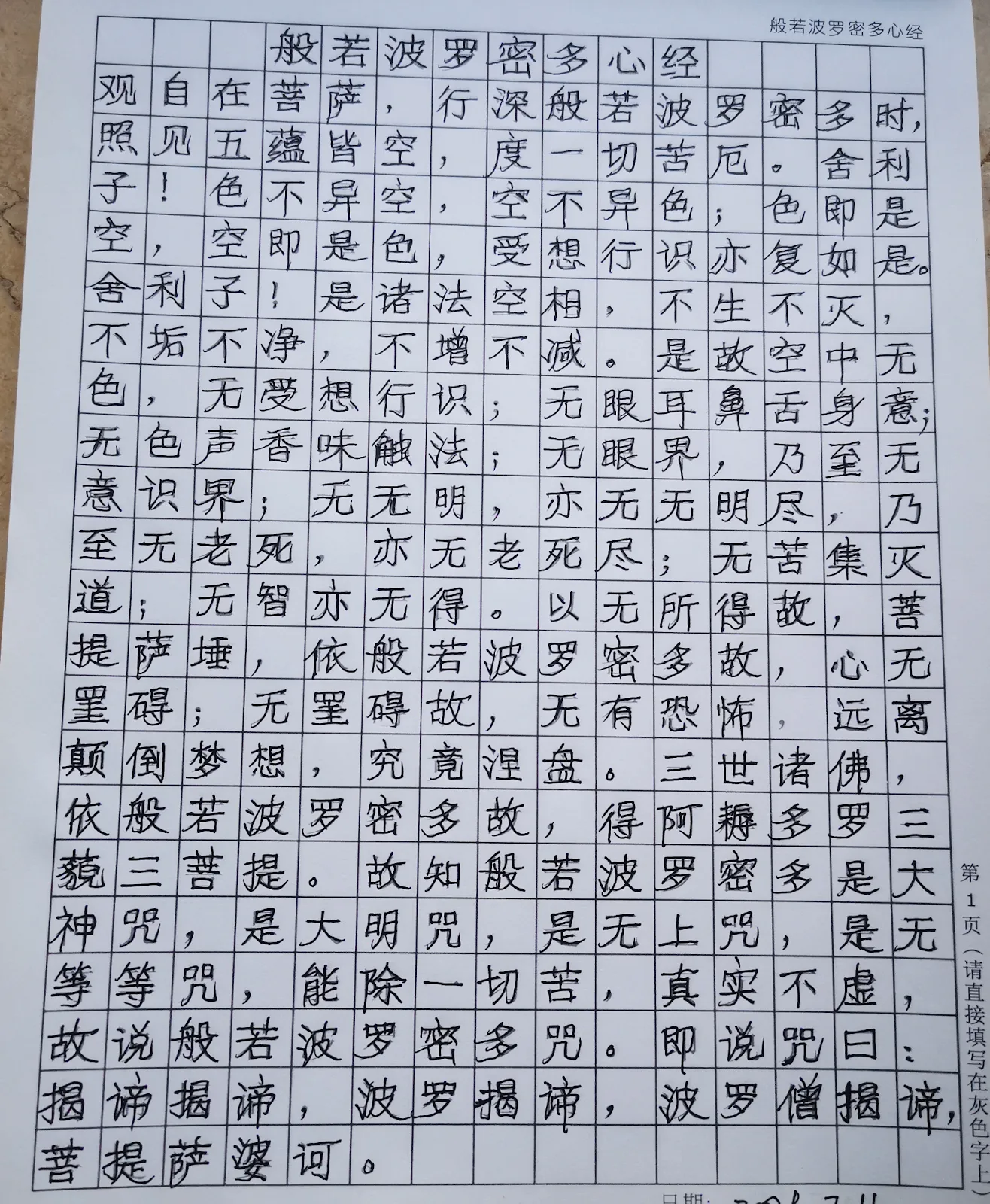
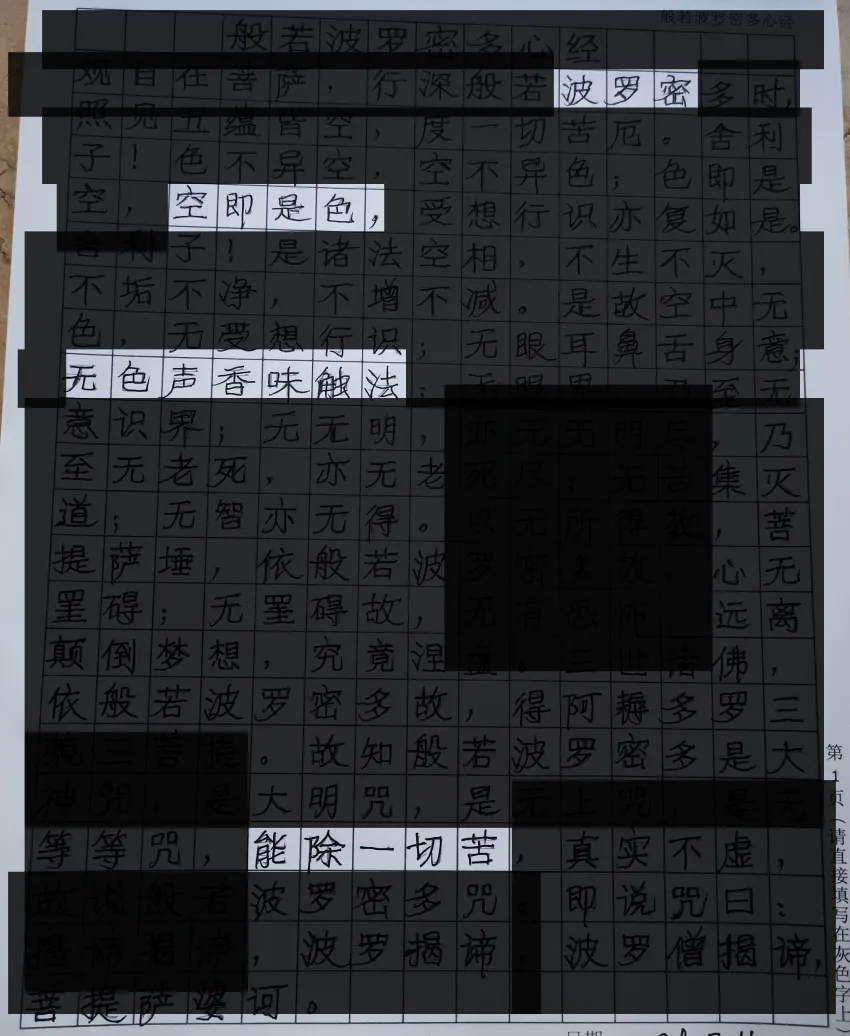 [3]
[3]
The recipe runs as cryptic as a truism or prophecy to her—but it's useless to blame anyone now and she can't phone grandma. This is supposed to be a surprise. Over the past two weeks she has extracted all the information she could with the help of online dictionaries—of her forgotten mother tongue—and botanical wikis that are unfortunately Mars-focused. From her pile of paper scraps and notes she takes only one:
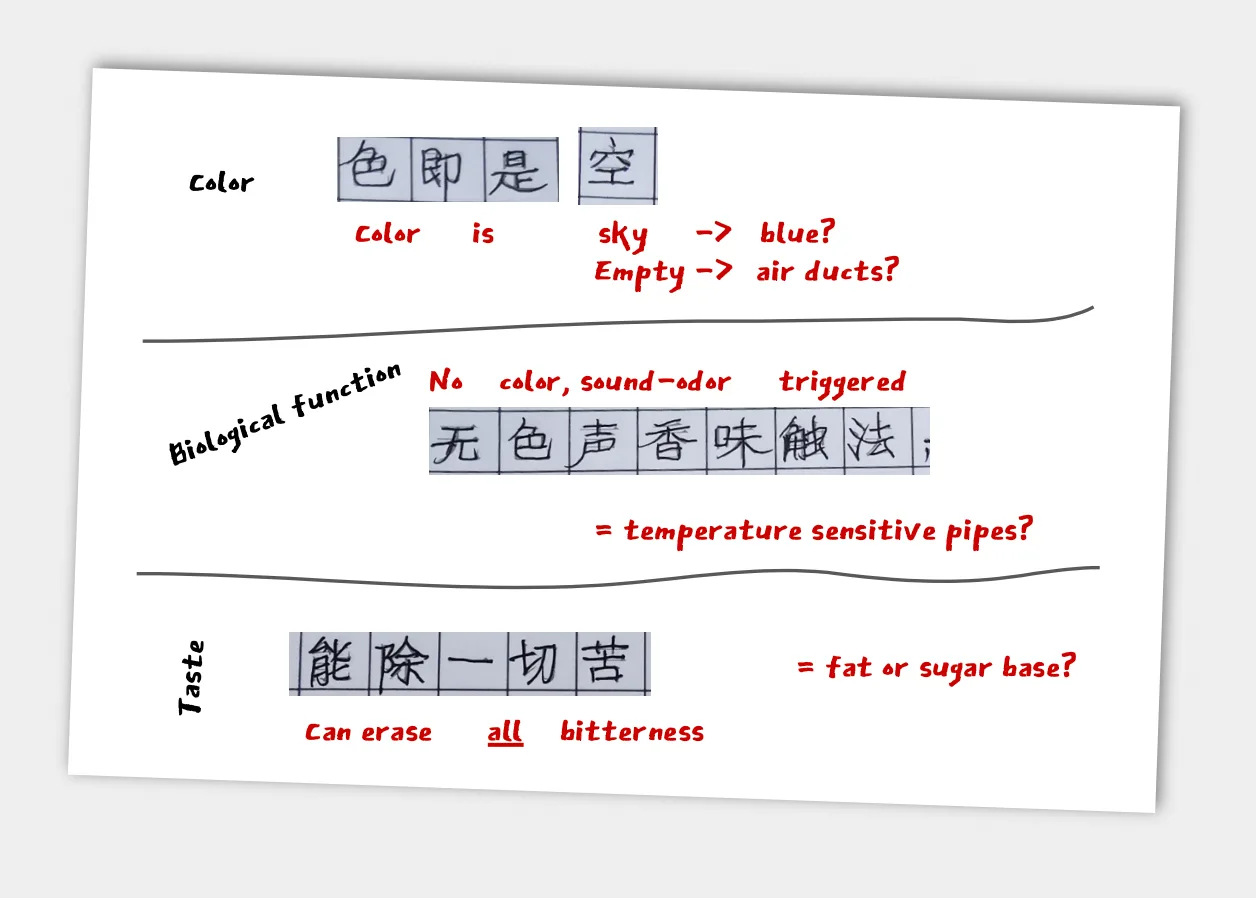 [4]
[4]
Then she opens Geogebra on her laptop and clicks “start recording.”. A light starts flashing inside the wet lab. Holding the paper and a few radishes she follows the light in.
++++
4 hours later, the door slams open and she dashes out of the steam-filled lab, drenched, hair full of sand, gasping as if she held her breath underwater for too long.
Shaking like a cut-off gecko tail, she splatters sand-water droplets on computer desks and textbook shelves just cleaned today. Resting no more than a few seconds, she checks on the Geogebra live-generated results with auto-interpreted captions.
As if the relay is completed, she sighs, deflates, gouges down air and stares through the screen.
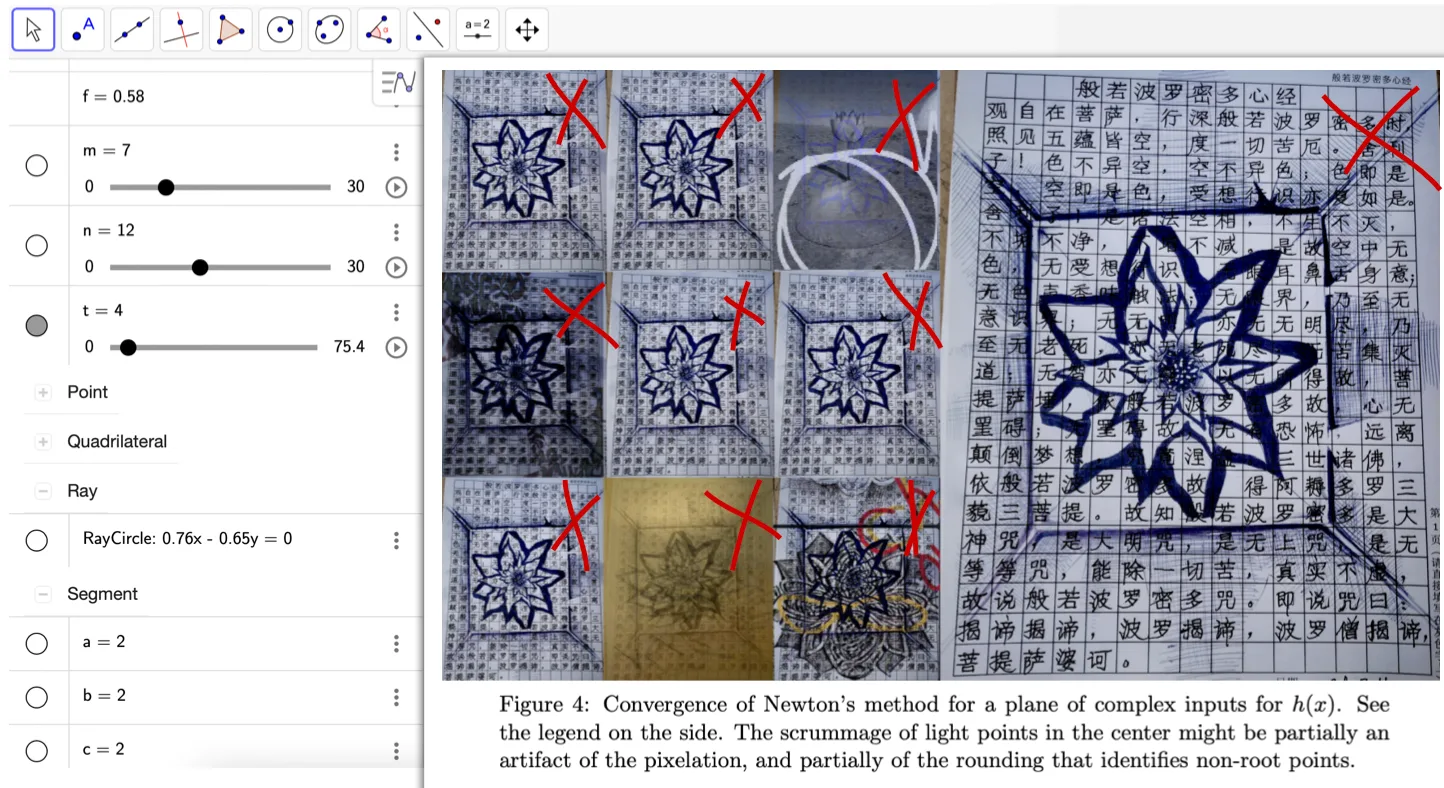
++++
The woman’s home is a 40-floor skyscraper on the windward side of a collapsed crater, the building coated intentionally unevenly with PMMA for natural heating and cooling. As she walks to the first of many gates, she notices wet footprints. Storm didn’t come within a 1 km radius so it must’ve been someone who walked a bit.
The prints are pointed outwards and dense, made with small and ballet-like steps. She lives alone. She picks up her pace and prods her keys through the second pair of locked gates. Grandma is standing in front of the second security checkpoint, leaning on an umbrella like a third foot. Grandma grins with her eye wrinkles. Somehow, it is similar to how she smiled ten years ago, when she picked her granddaughter up from school for the last time. In some ways it was changed. Granddaughter touches the green button on her phone for the gate, and runs towards her. Maybe because their hug slides into a comfortable curvature so perfectly, granddaughter can’t stop laughing hysterically. As she breathes longer and calms down from intermittent giggles, Grandma points her chin slyly to a bag leaning on the umbrella. There, underneath a silk paper-wrapping, the shadows of a shower head-like pod with frozen seeds lie ready for revival.
++++
The subterranean grocery store does not have a roof to stand under and chat, let alone to think undistracted by the sun. A woman hurries through the unshaded courtyard until she enters the tunnel lined with bikes. She spends about 6 minutes almost completely still, suppressing even the sound of her breath, just eyeballs spinning as if choosing routes on a big map in the air. Eventually she wrinkles her whole face harshly, then relaxes it and aims her bike back to the exact same express path by which she came.
As she picks up speed, the cacti crevasses and sand dunes lining the highway run and shrink. She hums, from silently to loudly, drinking the most wind with “sunny side of the street.” Unlike her way here, the sky starts sun-showering (drizzles without clouds). Drops touch her, hit the road like a drumbeat, splash dark patterns on the handlebars.
++++
The woman bikes fluently from the chemistry building elevator and brakes inside the polymer nano-material lab office. She strides to the post-it stuck centered on her corner of the whiteboard and scribbles in red:
[2]Without pause she unloads her bag of five radishes and a bundle of papers onto the work station/lunch table. Carefully she unfolds the cleanest sheet, a printed screenshot from Grandma six years back. Her eyes trace paths that she familiarized with over dozens of afterwork sessions:
[3]The recipe runs as cryptic as a truism or prophecy to her—but it's useless to blame anyone now and she can't phone grandma. This is supposed to be a surprise. Over the past two weeks she has extracted all the information she could with the help of online dictionaries—of her forgotten mother tongue—and botanical wikis that are unfortunately Mars-focused. From her pile of paper scraps and notes she takes only one:
[4]Then she opens Geogebra on her laptop and clicks “start recording.”. A light starts flashing inside the wet lab. Holding the paper and a few radishes she follows the light in.
++++
4 hours later, the door slams open and she dashes out of the steam-filled lab, drenched, hair full of sand, gasping as if she held her breath underwater for too long.
Shaking like a cut-off gecko tail, she splatters sand-water droplets on computer desks and textbook shelves just cleaned today. Resting no more than a few seconds, she checks on the Geogebra live-generated results with auto-interpreted captions.
As if the relay is completed, she sighs, deflates, gouges down air and stares through the screen.
++++
The woman’s home is a 40-floor skyscraper on the windward side of a collapsed crater, the building coated intentionally unevenly with PMMA for natural heating and cooling. As she walks to the first of many gates, she notices wet footprints. Storm didn’t come within a 1 km radius so it must’ve been someone who walked a bit.
The prints are pointed outwards and dense, made with small and ballet-like steps. She lives alone. She picks up her pace and prods her keys through the second pair of locked gates. Grandma is standing in front of the second security checkpoint, leaning on an umbrella like a third foot. Grandma grins with her eye wrinkles. Somehow, it is similar to how she smiled ten years ago, when she picked her granddaughter up from school for the last time. In some ways it was changed. Granddaughter touches the green button on her phone for the gate, and runs towards her. Maybe because their hug slides into a comfortable curvature so perfectly, granddaughter can’t stop laughing hysterically. As she breathes longer and calms down from intermittent giggles, Grandma points her chin slyly to a bag leaning on the umbrella. There, underneath a silk paper-wrapping, the shadows of a shower head-like pod with frozen seeds lie ready for revival.
Exercise
Dear readers, given the clues from this story, can you come up with what happened in the 4 hours at the wet lab? Be it experiment journal, proof and conjecture, fantasy adventure, send or chat about your relay idea with me at my story homebase!
Here are the granddaughter's notes from the years grandma and her raised the lotus [6]:
1. Lotus skin is dense and hard, it can protect the embryo inside to live a long time. A thousand years, a lotus seed sprouts.
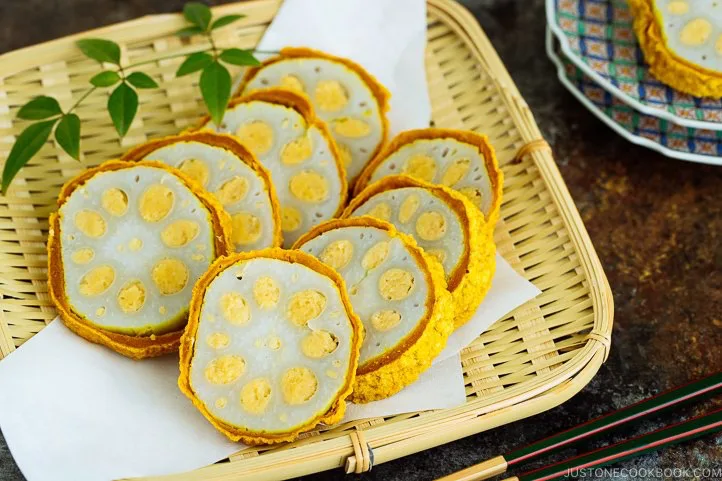
2. Every lotus part can be eaten: seed as tea, leaf as porridge or wrapping for dumpling, root as soup or fry… (for example this super spicy but loved ceremonious dish in Kuramoto Japan).
3. You can even make silk from lotus stem.
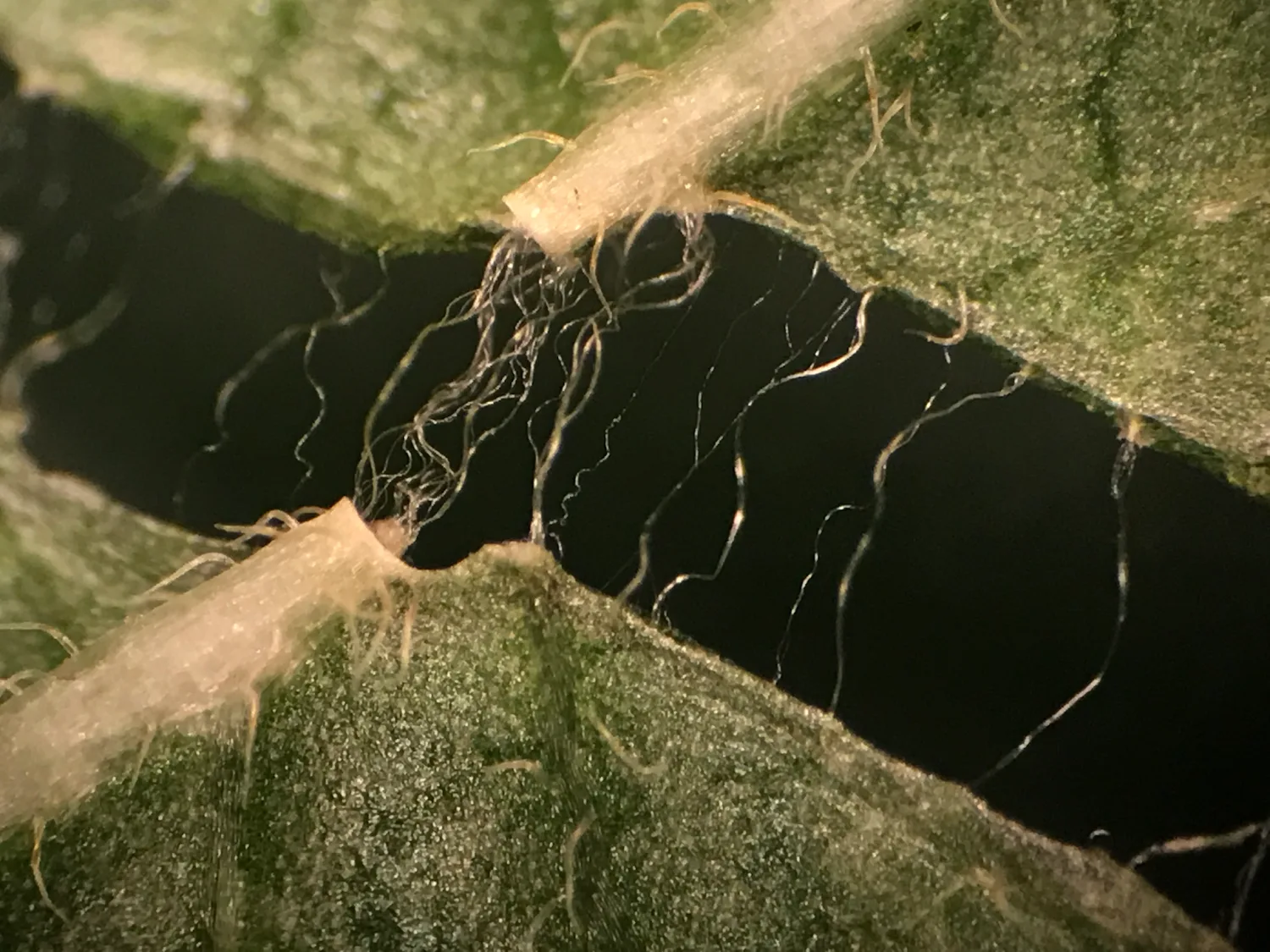
a. There is lots of artistry to the craft. If you don’t extract the silk while the stem is still wet it will break. It's not tough so it must be woven by hand. A scarf uses 9200 stems, a worker 2 months. The fiber is soft like silk, breathable like linen, slightly elastic. That is a lifetime’s work, a craft for sure, maybe grandma makes silk and clothing. She has beautiful simple dresses. (Weaver! material conversion)
b. The silk of animals is made of protein. How they form is from cell excretions that left the cell. Silkworm silk is a spiral pipe like a spring, you can stretch it. Plant (cotton, linen) silk are made of mainly fiber, wood, and all poly carbohydrates. How they form is from first making a long cell, then making all kinds of poly carbohydrates and slowly filling it from outside in, finally the cell dies and its carcass becomes plant fiber. So, the lotus silk probably would turn yellow, because plant fiber oxidizes faster.
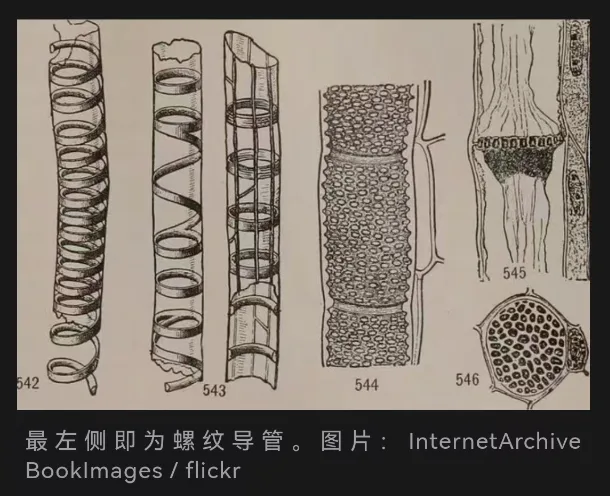
4. There is a Chinese saying: “the root is broken but the thread remains intact” (藕断丝连). That is true. How and why? There are different seasons with different harshness for life and different opportunities.
a. Grandma holds a rhizome in her hand. “Lily as a water plant like many others, they have rhizome as the root, inside are pipe holes, which transport the oxygen from leaves to other body parts, helps the plant breathe in water.” (This reminds me Andre was saying he realized humans and plants are so different when he learned that plants breathe from everywhere so drowning it can just be from too much water at the root. is that true? Humans just breathe from nose and mouth mainly, though skin also breaths alittle)
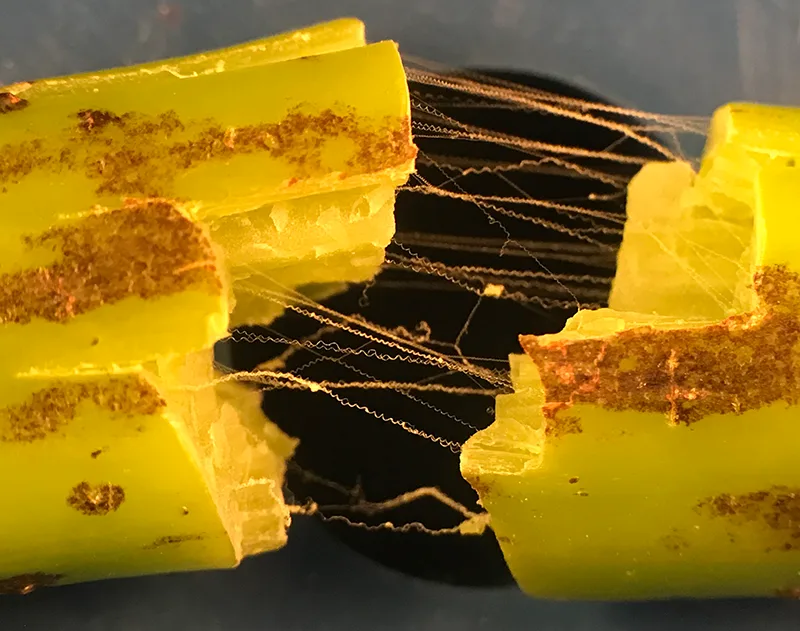
a. She splits the rhizome into half, the place of fracture stretches out long thin white threads. “These threads inside the rhizome structure are spiral shaped like springs, so when you split the rhizome it stretches very long, it’s the inductors inside the rhizome, for transporting nutrients.”
b. So… the connecting thread doesn't break easily because it’s the necessary channel for survival! The living fiber transmits nutrients and the dead duct transmits air to the broken ends of the root.
c. Not only is there material separation, there is also evolutionary divergence. There are Chinese red lotus and American yellow lotus, which represent the discontinuity between Eurasia and North America. They had the same ancestor group, who when separated with continental drift evolved into different looks.
[6] transcript based on conversation with Quan Wang
2. Every lotus part can be eaten: seed as tea, leaf as porridge or wrapping for dumpling, root as soup or fry… (for example this super spicy but loved ceremonious dish in Kuramoto Japan).
3. You can even make silk from lotus stem.
a. There is lots of artistry to the craft. If you don’t extract the silk while the stem is still wet it will break. It's not tough so it must be woven by hand. A scarf uses 9200 stems, a worker 2 months. The fiber is soft like silk, breathable like linen, slightly elastic. That is a lifetime’s work, a craft for sure, maybe grandma makes silk and clothing. She has beautiful simple dresses. (Weaver! material conversion)
b. The silk of animals is made of protein. How they form is from cell excretions that left the cell. Silkworm silk is a spiral pipe like a spring, you can stretch it. Plant (cotton, linen) silk are made of mainly fiber, wood, and all poly carbohydrates. How they form is from first making a long cell, then making all kinds of poly carbohydrates and slowly filling it from outside in, finally the cell dies and its carcass becomes plant fiber. So, the lotus silk probably would turn yellow, because plant fiber oxidizes faster.
4. There is a Chinese saying: “the root is broken but the thread remains intact” (藕断丝连). That is true. How and why? There are different seasons with different harshness for life and different opportunities.
a. Grandma holds a rhizome in her hand. “Lily as a water plant like many others, they have rhizome as the root, inside are pipe holes, which transport the oxygen from leaves to other body parts, helps the plant breathe in water.” (This reminds me Andre was saying he realized humans and plants are so different when he learned that plants breathe from everywhere so drowning it can just be from too much water at the root. is that true? Humans just breathe from nose and mouth mainly, though skin also breaths alittle)
a. She splits the rhizome into half, the place of fracture stretches out long thin white threads. “These threads inside the rhizome structure are spiral shaped like springs, so when you split the rhizome it stretches very long, it’s the inductors inside the rhizome, for transporting nutrients.”
b. So… the connecting thread doesn't break easily because it’s the necessary channel for survival! The living fiber transmits nutrients and the dead duct transmits air to the broken ends of the root.
c. Not only is there material separation, there is also evolutionary divergence. There are Chinese red lotus and American yellow lotus, which represent the discontinuity between Eurasia and North America. They had the same ancestor group, who when separated with continental drift evolved into different looks.
[6] transcript based on conversation with Quan Wang
Nonfiction
Camino is All About People
Camino de Santiago*. It is an ancient pilgrimage route across Europe leading to Santiago de Compostela's cathedral. It has existed for over 1000 years, and now it has become one of the most famous walking trails in the world.
“For religious reasons, like the ancient pilgrims.”
“To find myself.”
“To take a break from busy life.”
Nearly 350,000 pilgrims worldwide walk to complete the Camino de Santiago each year for many different reasons. Every pilgrim is unique and has the most beautiful stories. We all agree that "Camino is all about people."
Among the diverse routes that go through Spain, Portugal, and France, I chose the most traditional path: Camino Frances. I want to share some of the special people I have met who made my pilgrimage unforgettable.
*Camino: path/way/route in Spanish
:‘Camino de Santiago’ is translated as ‘the way to Santiago’
—------------------—------------------—-----------------------—-----------------------—----
“You, Alone?”
2022.05.10
Nájera - Santo Domingo de la Calzada (20.7 km)

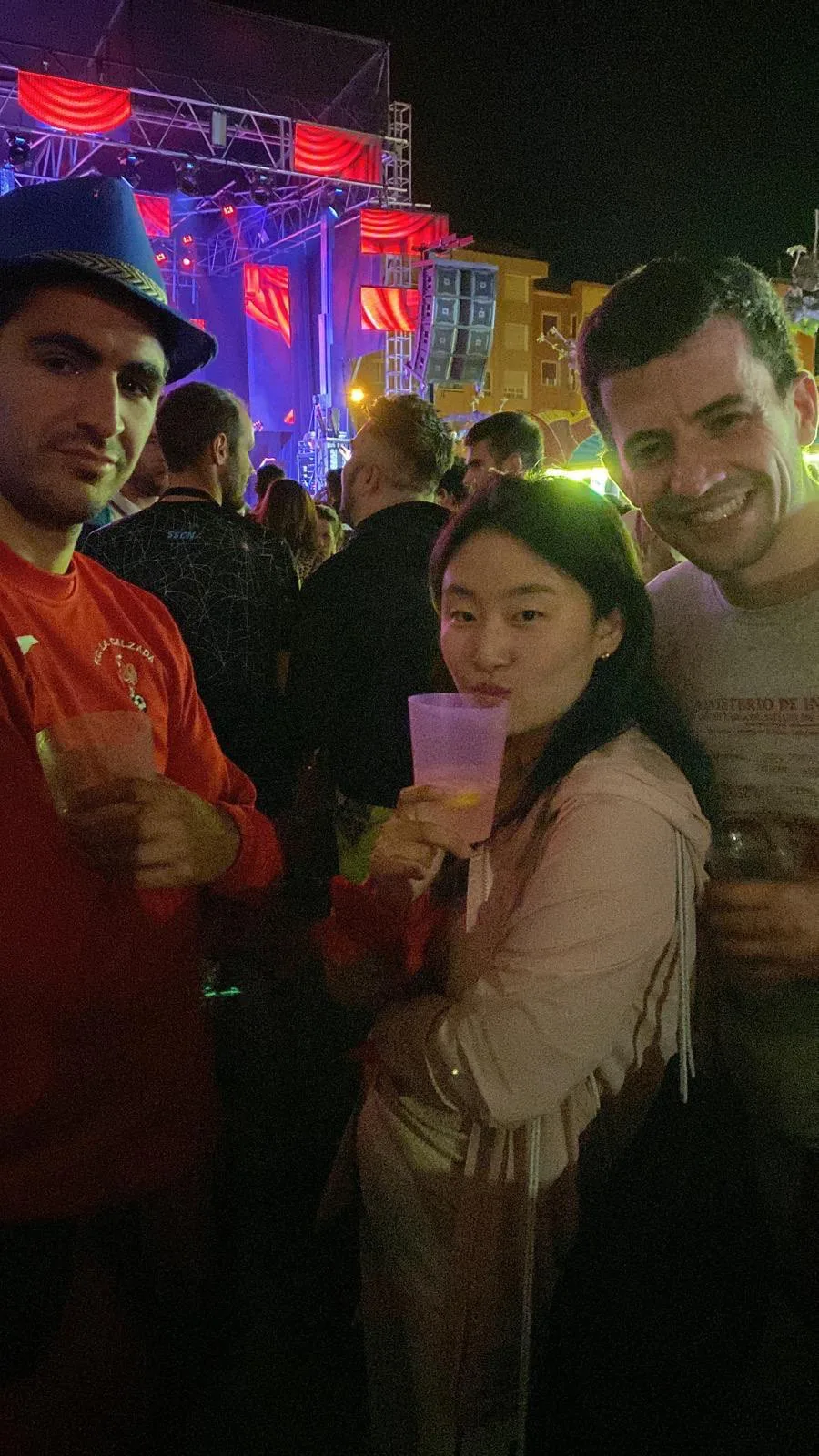
With my uncharged phone and thin jacket, I ran down the stairs of the Albergue* and walked out the door. 9:55pm. It was just before the Albergue curfew. I ignored the stare of the Albergue host and ran to the town's main plaza. My heart was racing. I was thrilled when I heard the door slam behind me. Now, I couldn’t get back to the Albergue until it reopened tomorrow at 5:30 am.
However, my excitement did not last long. All the locals were out in the plaza to enjoy the first night of the FIESTA. I was there by myself, a stranger in town. I was on edge to hear what others said even though I understood nothing. I looked around nervously and kept switching my phone on and off. My phone finally died. And I regretted running out of the Albergue alone to go to the concert.
At that moment, someone tapped on my shoulder. "You, alone?" Efren was with his old friends who grew up together in the town. Although his friends did not speak English, I did not care. Thank god I met people I could hang out with overnight.
My first overnight party was beautiful. We enjoyed the songs of a Spanish band, walked around the bars and clubs, and met tons of local people. They introduced me as a crazy pilgrim who left the Albergue.
This night started with my decision. However, the people I met made the night full of joy. Otherwise, I might have sat on a bench, shivering in the cold, waiting for the Albergue to open up the next day. Took a risky decision. This was the beginning of my Camino to break my harsh standards.
*albergue: a hostel for pilgrims
—------------------—------------------—-----------------------—-----------------------—----
“Bella!”
2022.05.13
Belorado - Ages (27.5 km)
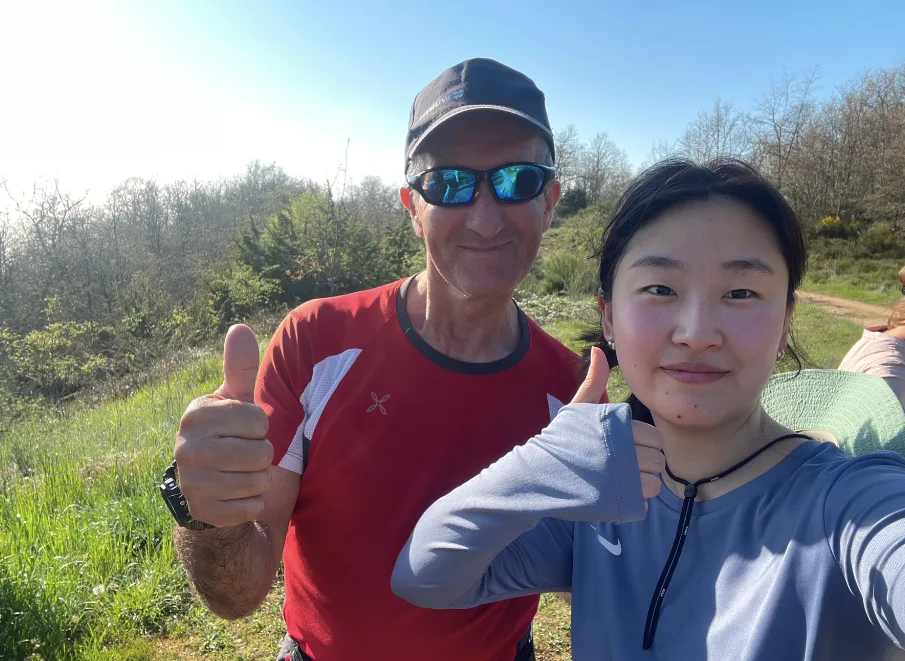
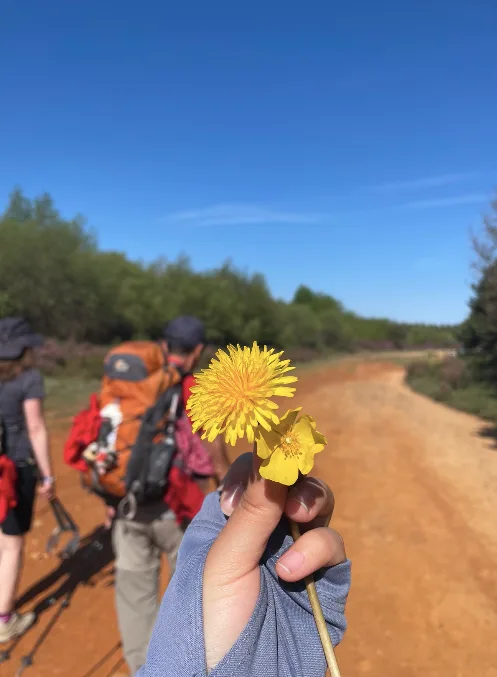
I was tested at least 20 times while walking with an elderly Italian today. I never knew I would do repetitive learning because of my one-time error. The result of this learning was excellent. Whenever he raised his finger, I shouted MARIO!! He was so satisfied with his teaching method that it made me remember his name.
A very light and trifling conversation continued. I carefully listened to his story through the noise of the rain. I tried my best to understand his story. I matched Italian words that sound similar to any English words. I observed his facial expressions and tone to detect the overall mood. Unfortunately, I only understood three things from the wealthy 3 hours of listening.
1. His name is Mario.
2. He enjoyed the festival in Santo Domingo.
3. Bella means beautiful in Italian.
What an unproductive conversation.
Honestly, I tried several times to escape from him because it was pretty tiring to understand a language I had never learned. I almost ran to walk faster than him, but he was a better athlete than I was. I talked to another friend on the way who only speaks English, but then too Mario dominated the whole conversation. I could guess that he repeated the entire story for this new friend.
He was the most talkative yet sweetest person. He stopped whenever he saw a flower and said, “Flower Bella! Shawn Bella!” He even found the most beautiful flower and gave it to me. I don’t remember how often I said “Grazie!” to him.
I brought back all my memories related to Italy to continue the conversation. I remembered an Italian driver was so pissed off by a jaywalker in Rome. He laughed so hard when I imitated the gesture of shaking both of my hands while holding the fingers together. “Mammamia!” “Molto Bene!” “Si, si!” We were the loudest pilgrims. Time flew, and we arrived at the village before we realized it.
The most tiring rainy day became the funniest day. Mario reminded me how amusing it is to feel connected with a person from whom I couldn’t understand a single word. It was a time that brought me back to my childhood, when I was full of courage to be friends with everyone. I couldn’t find Mario again after. However, I heard a story from another Korean that he always talks about me whenever he meets any Korean on the way. He makes me laugh even just thinking about him.
—------------------—------------------—-----------------------—-----------------------—----
“Wanna try?”
2022.05.29
Arzua - O Pedrouzo (19.6 km)
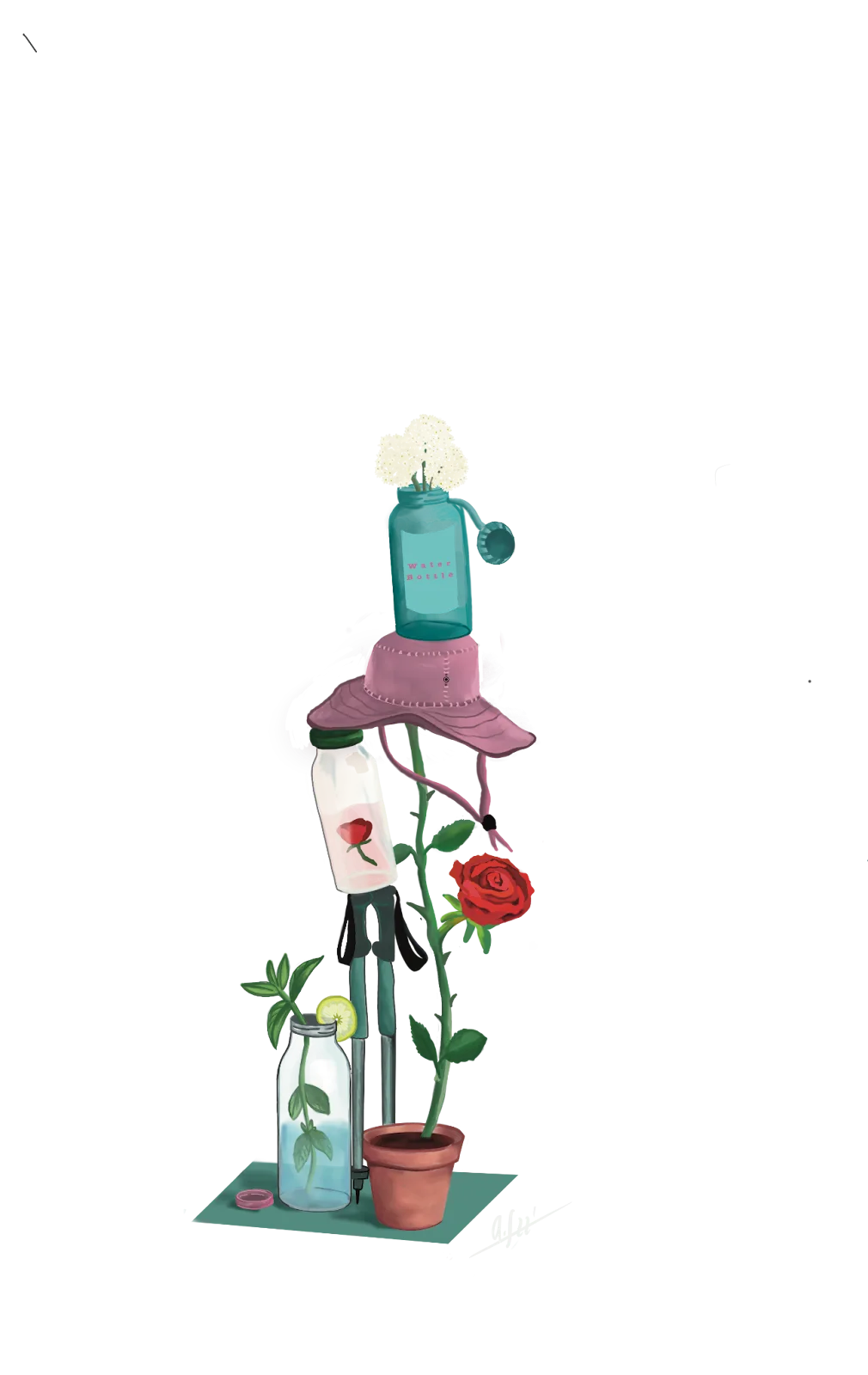
I used to be satisfied with only one bottle of water a day. It was enough to carry along the way and stay hydrated. Nothing needed more. However, I met crazy camping guys who would never be satisfied with just still water. They stopped every 5 metres to pick and sniff random plants on the side of the road. They squeezed and bit them if they looked edible. These guys taught me a new perspective to embracing the trail. Plus, my water bottle was full of new things.
Camino Cafe
1. Louise’s Choice: fresh Mojito
a. The ingredients are simple. Search for fresh Mint on the way and roughly shake off the dust. Put it into your water bottle and add some rum to it. A bottle of rum will always be prepared in Louise’s bag, so there is no need to worry about it. It is our favorite drink that has always been with us during the three times of wild camping in the forest. It is a perfect fit to drink at a campfire with chill music.
2. Leo’s Choice: ROSE
a. It is tea brewed with red roses that Leo found in a small town on the way from Palas de Rei to Arzúa. It can be made even prettier with the pink roses blooming on the side of a small house in the next town. After an hour of walking, the transparent water, drawn by the roses, blushes pink. The best time to enjoy the scent of this beautiful tea is at sunset when the sky also turns red.
3. Clemont’s Choice: Elderflower with pine needles
a. Clemont gave me a sweet flower present that looked like a bouquet of tiny white flowers. However, it all dried out after being carried under strong sunlight for a day. Don’t waste your gift and put it into your water bottle. It tastes as sweet as its smell. Clemont’s tip is to add some pine needles from the tree.
“For religious reasons, like the ancient pilgrims.”
“To find myself.”
“To take a break from busy life.”
Nearly 350,000 pilgrims worldwide walk to complete the Camino de Santiago each year for many different reasons. Every pilgrim is unique and has the most beautiful stories. We all agree that "Camino is all about people."
Among the diverse routes that go through Spain, Portugal, and France, I chose the most traditional path: Camino Frances. I want to share some of the special people I have met who made my pilgrimage unforgettable.
*Camino: path/way/route in Spanish
:‘Camino de Santiago’ is translated as ‘the way to Santiago’
—------------------—------------------—-----------------------—-----------------------—----
“You, Alone?”
2022.05.10
Nájera - Santo Domingo de la Calzada (20.7 km)
With my uncharged phone and thin jacket, I ran down the stairs of the Albergue* and walked out the door. 9:55pm. It was just before the Albergue curfew. I ignored the stare of the Albergue host and ran to the town's main plaza. My heart was racing. I was thrilled when I heard the door slam behind me. Now, I couldn’t get back to the Albergue until it reopened tomorrow at 5:30 am.
However, my excitement did not last long. All the locals were out in the plaza to enjoy the first night of the FIESTA. I was there by myself, a stranger in town. I was on edge to hear what others said even though I understood nothing. I looked around nervously and kept switching my phone on and off. My phone finally died. And I regretted running out of the Albergue alone to go to the concert.
At that moment, someone tapped on my shoulder. "You, alone?" Efren was with his old friends who grew up together in the town. Although his friends did not speak English, I did not care. Thank god I met people I could hang out with overnight.
My first overnight party was beautiful. We enjoyed the songs of a Spanish band, walked around the bars and clubs, and met tons of local people. They introduced me as a crazy pilgrim who left the Albergue.
This night started with my decision. However, the people I met made the night full of joy. Otherwise, I might have sat on a bench, shivering in the cold, waiting for the Albergue to open up the next day. Took a risky decision. This was the beginning of my Camino to break my harsh standards.
*albergue: a hostel for pilgrims
—------------------—------------------—-----------------------—-----------------------—----
“Bella!”
2022.05.13
Belorado - Ages (27.5 km)
1. What is the correct answer when this guy points at himself?
a. ___________
a. ___________
I was tested at least 20 times while walking with an elderly Italian today. I never knew I would do repetitive learning because of my one-time error. The result of this learning was excellent. Whenever he raised his finger, I shouted MARIO!! He was so satisfied with his teaching method that it made me remember his name.
A very light and trifling conversation continued. I carefully listened to his story through the noise of the rain. I tried my best to understand his story. I matched Italian words that sound similar to any English words. I observed his facial expressions and tone to detect the overall mood. Unfortunately, I only understood three things from the wealthy 3 hours of listening.
1. His name is Mario.
2. He enjoyed the festival in Santo Domingo.
3. Bella means beautiful in Italian.
What an unproductive conversation.
Honestly, I tried several times to escape from him because it was pretty tiring to understand a language I had never learned. I almost ran to walk faster than him, but he was a better athlete than I was. I talked to another friend on the way who only speaks English, but then too Mario dominated the whole conversation. I could guess that he repeated the entire story for this new friend.
He was the most talkative yet sweetest person. He stopped whenever he saw a flower and said, “Flower Bella! Shawn Bella!” He even found the most beautiful flower and gave it to me. I don’t remember how often I said “Grazie!” to him.
I brought back all my memories related to Italy to continue the conversation. I remembered an Italian driver was so pissed off by a jaywalker in Rome. He laughed so hard when I imitated the gesture of shaking both of my hands while holding the fingers together. “Mammamia!” “Molto Bene!” “Si, si!” We were the loudest pilgrims. Time flew, and we arrived at the village before we realized it.
The most tiring rainy day became the funniest day. Mario reminded me how amusing it is to feel connected with a person from whom I couldn’t understand a single word. It was a time that brought me back to my childhood, when I was full of courage to be friends with everyone. I couldn’t find Mario again after. However, I heard a story from another Korean that he always talks about me whenever he meets any Korean on the way. He makes me laugh even just thinking about him.
—------------------—------------------—-----------------------—-----------------------—----
“Wanna try?”
2022.05.29
Arzua - O Pedrouzo (19.6 km)
I used to be satisfied with only one bottle of water a day. It was enough to carry along the way and stay hydrated. Nothing needed more. However, I met crazy camping guys who would never be satisfied with just still water. They stopped every 5 metres to pick and sniff random plants on the side of the road. They squeezed and bit them if they looked edible. These guys taught me a new perspective to embracing the trail. Plus, my water bottle was full of new things.
Camino Cafe
1. Louise’s Choice: fresh Mojito
a. The ingredients are simple. Search for fresh Mint on the way and roughly shake off the dust. Put it into your water bottle and add some rum to it. A bottle of rum will always be prepared in Louise’s bag, so there is no need to worry about it. It is our favorite drink that has always been with us during the three times of wild camping in the forest. It is a perfect fit to drink at a campfire with chill music.
2. Leo’s Choice: ROSE
a. It is tea brewed with red roses that Leo found in a small town on the way from Palas de Rei to Arzúa. It can be made even prettier with the pink roses blooming on the side of a small house in the next town. After an hour of walking, the transparent water, drawn by the roses, blushes pink. The best time to enjoy the scent of this beautiful tea is at sunset when the sky also turns red.
3. Clemont’s Choice: Elderflower with pine needles
a. Clemont gave me a sweet flower present that looked like a bouquet of tiny white flowers. However, it all dried out after being carried under strong sunlight for a day. Don’t waste your gift and put it into your water bottle. It tastes as sweet as its smell. Clemont’s tip is to add some pine needles from the tree.
Photography
Faces of Madagascar
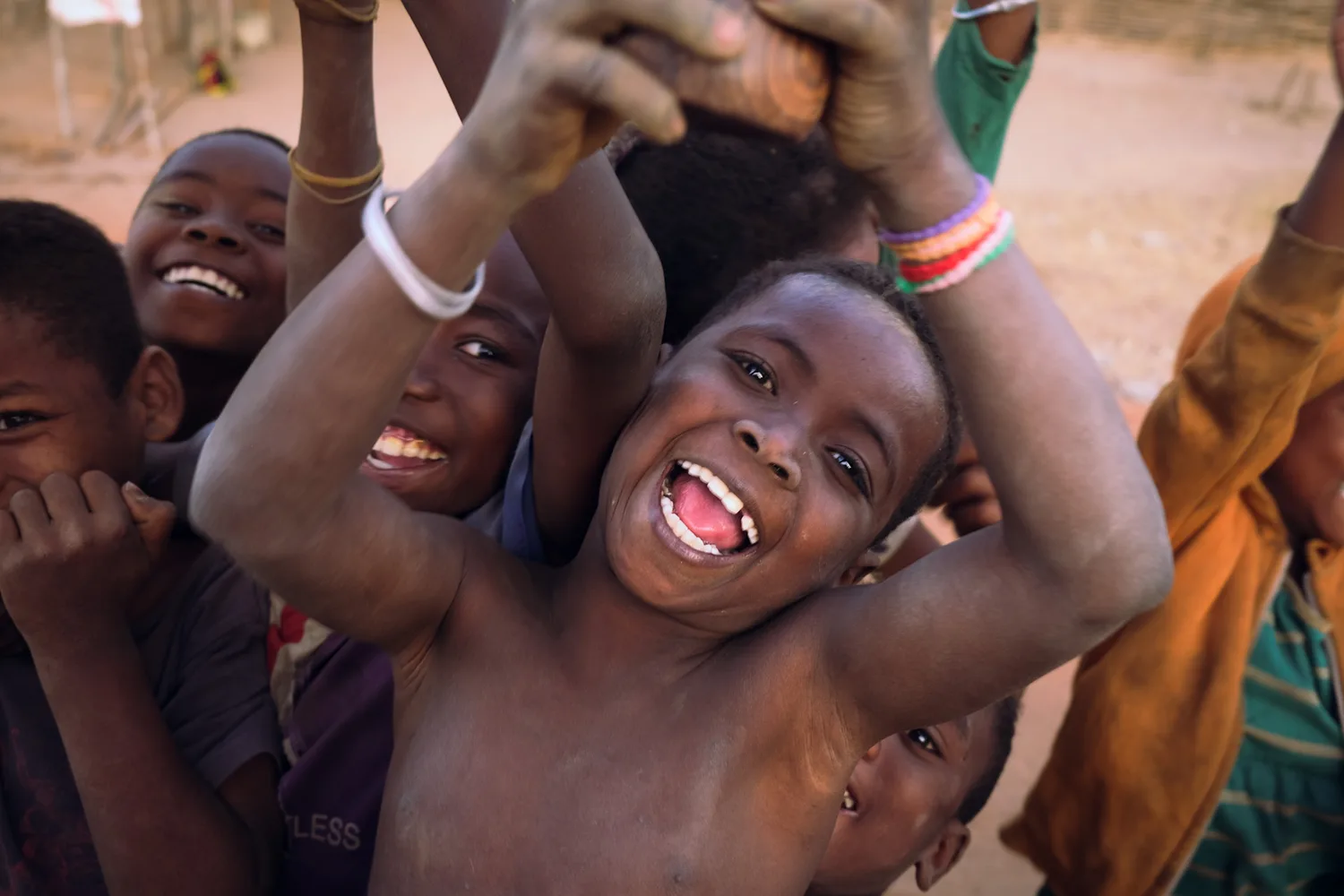 [Baobab Boy]
 The front boy, eager to sell his wooden baobab statue, fights for our attention. The others reach to show us whatever objects they come to carry.
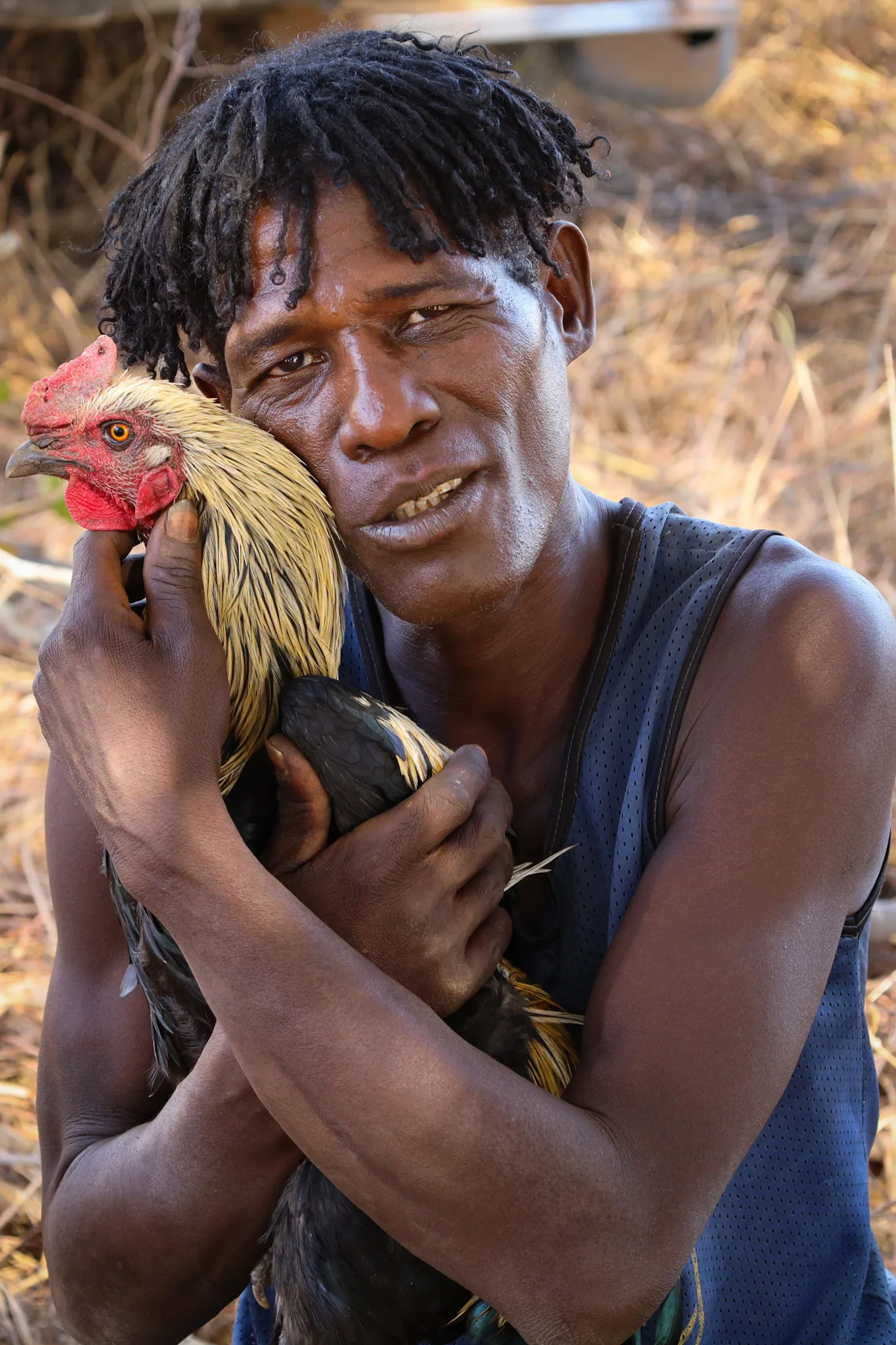 [Riches to Rags]
 A man that we had just interviewed for documentary footage, posing with a tied-down rooster. When we asked him what makes him happy, he said “smoking weed”.
 [Fashion Fiesta]
 This boy lives in Antsirabe, the coldest region of Madagascar. Rather than prioritize ever-changing trends, the boy layers up to stay warm.
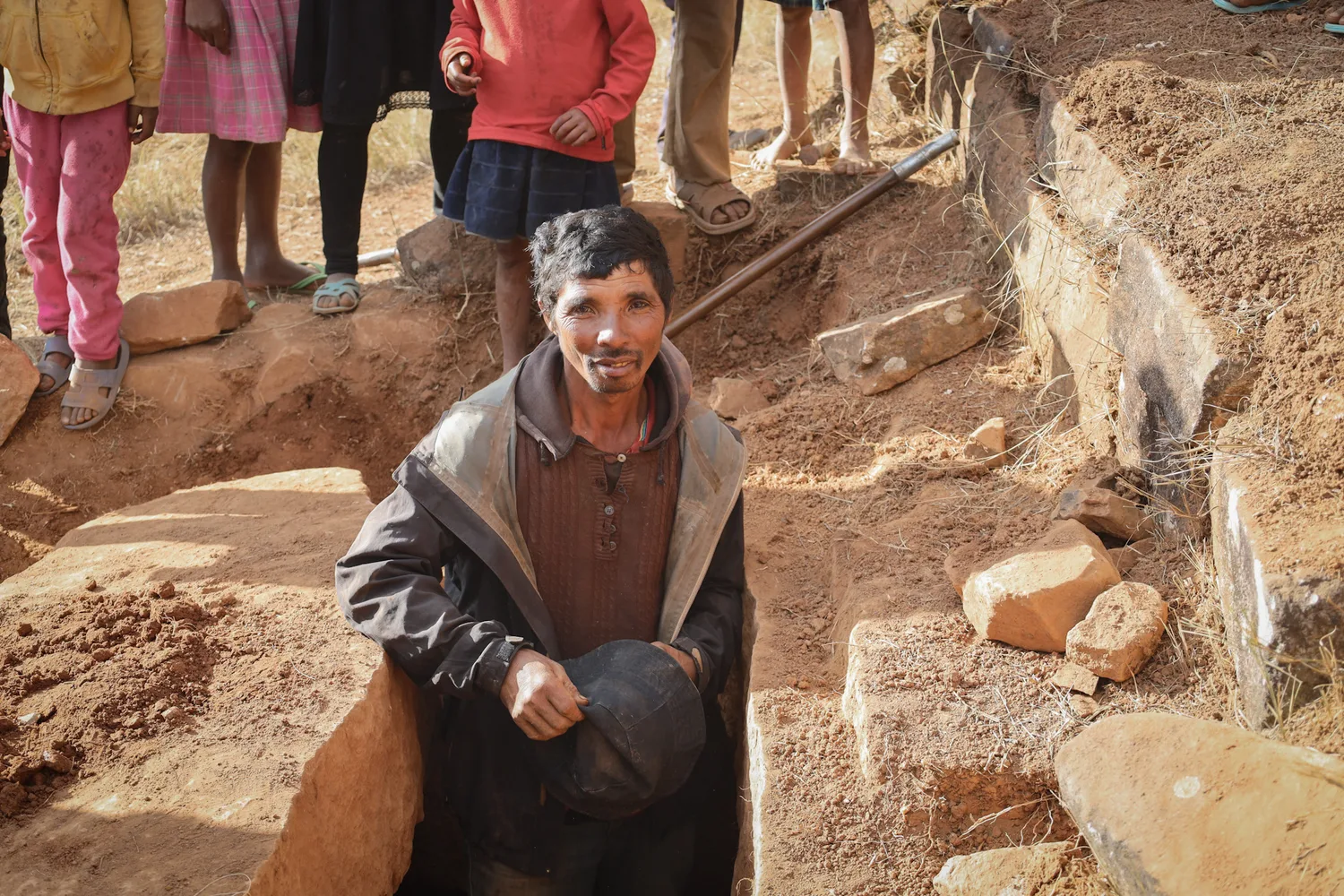 [Chapeau]
 A man standing in the entrance of a family tomb in the Malagasy countryside, during Fadimahana. The festival is dedicated towards the family’s ancestors where the buried bodies are removed from the tomb, honored and returned again.
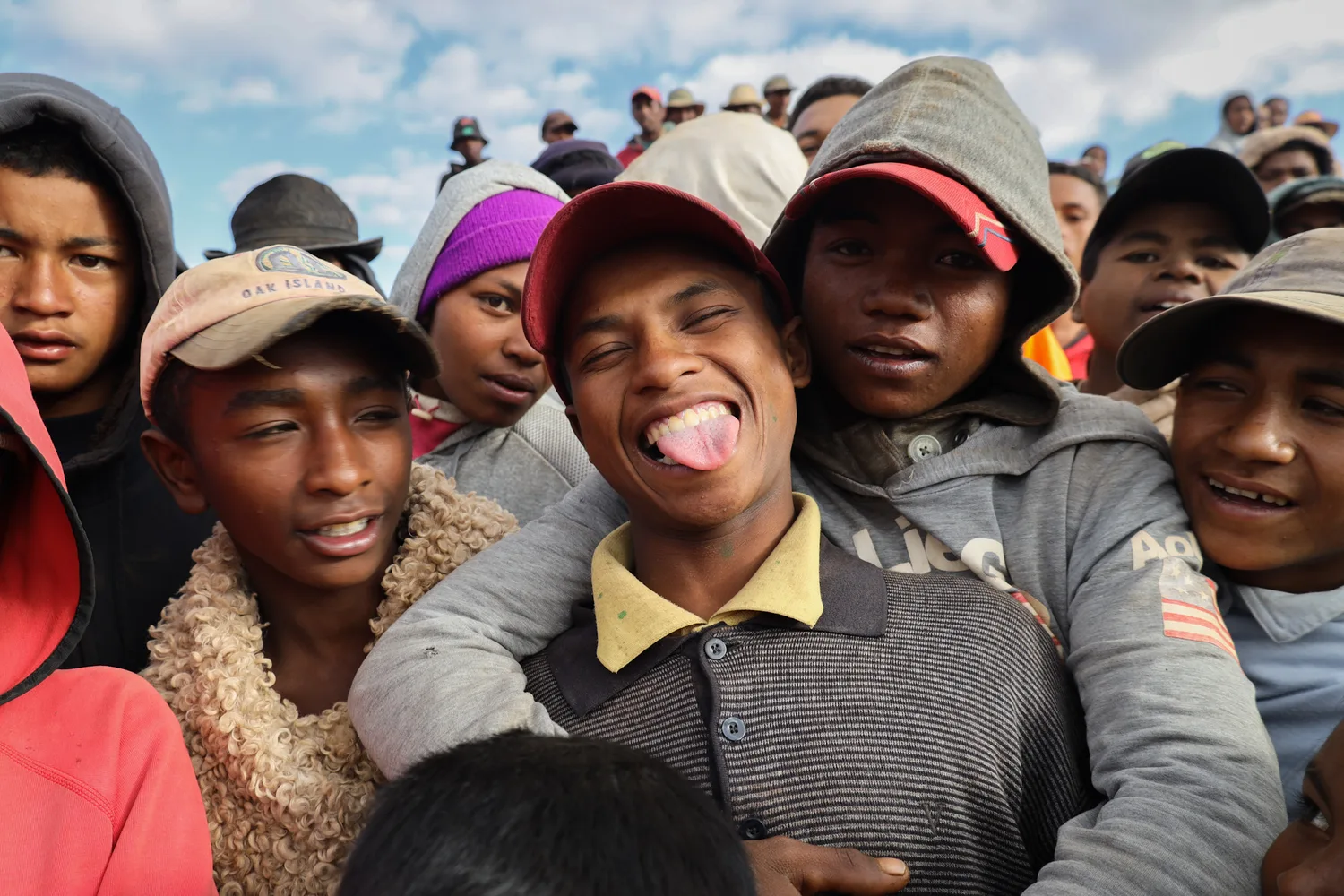 [Focal Point]
 Teenage boys making use of the brief camera fame, at the traditional Fadimahana festival. Drums and flutes were playing in the backdrop, while people danced before returning their ancestors’ bodies back to the tomb.
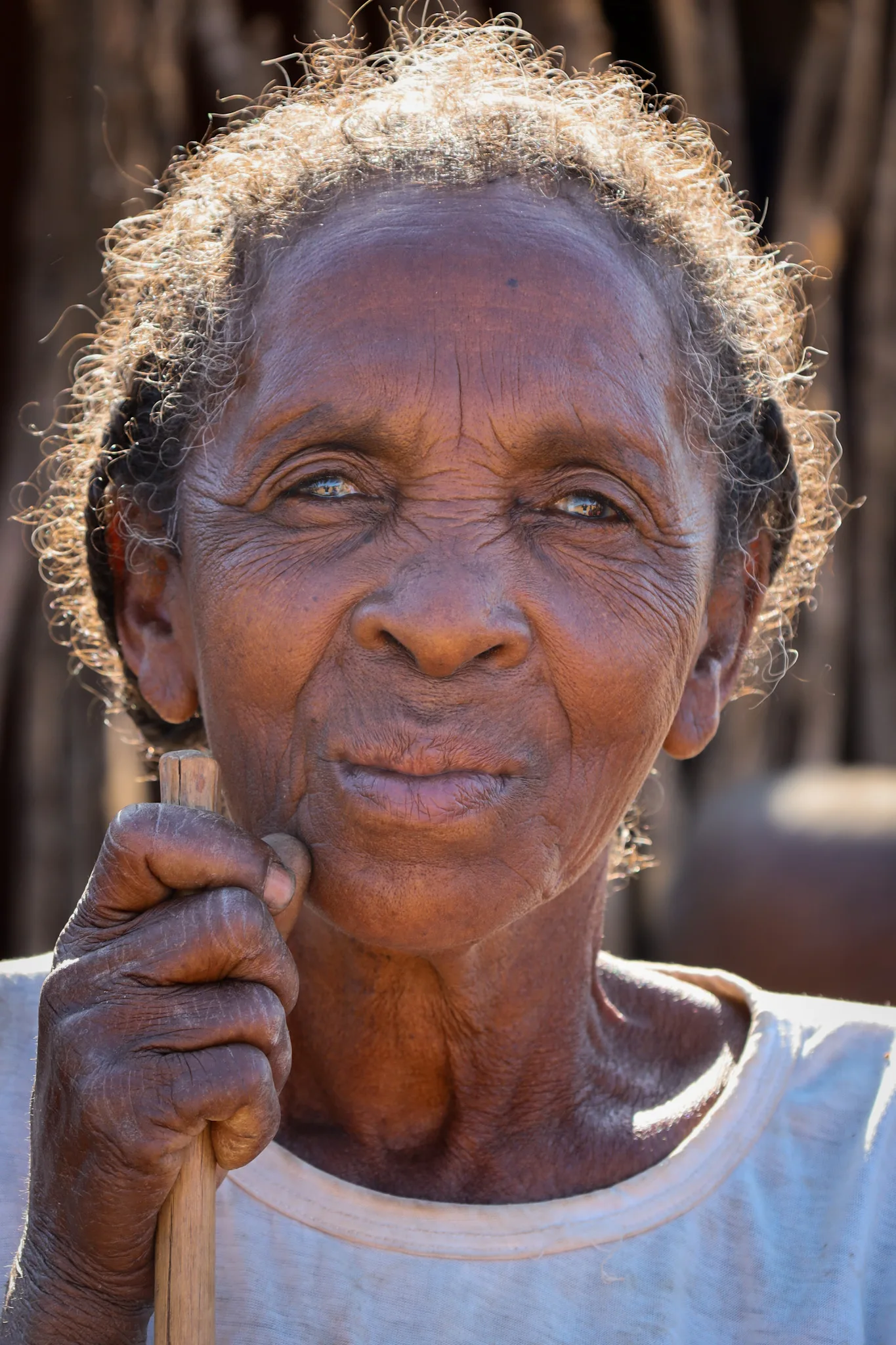 [The Halo of Age]
 An elderly lady resting against a stick as we stopped in a small village. I was drawn to her soulful eyes — she smiled widely as I showed her the photograph.
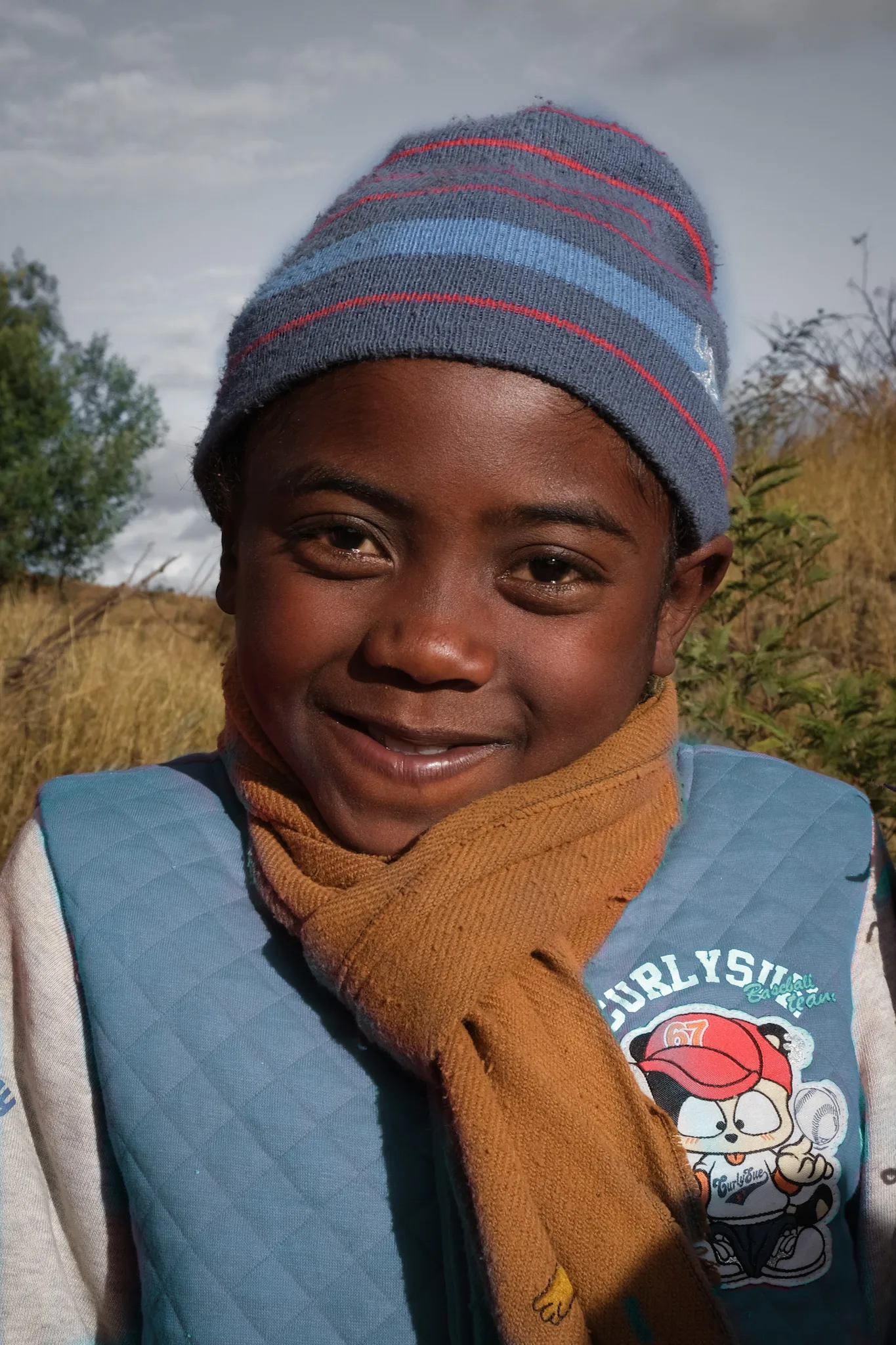 [Timid Becomings]
 Whenever we pull out the camera, children are the first to come running, flooding with curiosity at seeing themselves on screen. This girl, initially shy, pointed at herself to be photographed.
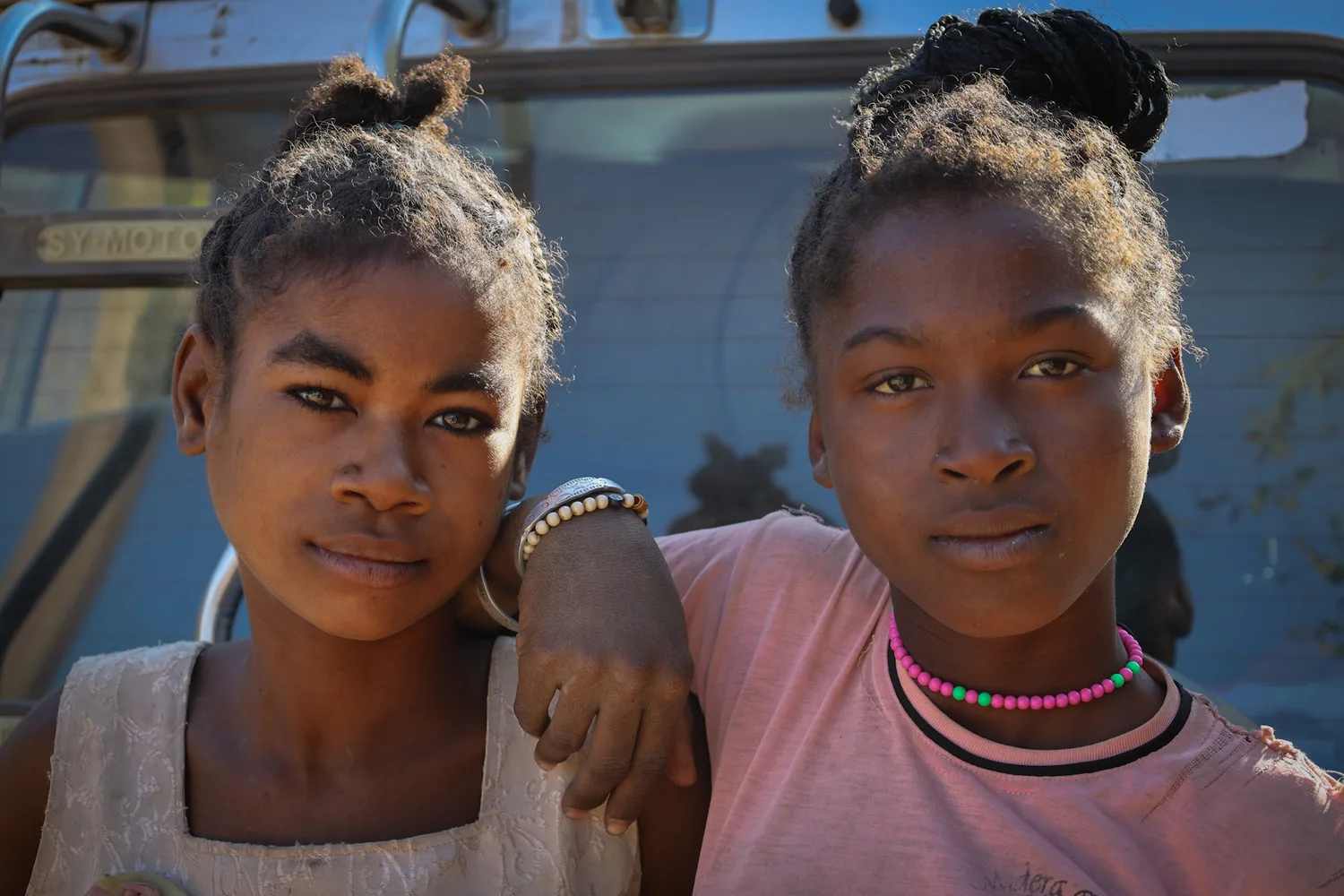 [Malagasy Vogue]
 Two beautiful girls posing confidently on the back of our rented 4x4 vehicle. As soon as we took out the camera, they started to pose like born models.
Nonfiction
Fresh Travel Tips After 6 Weeks of Solo Travel in SE Asia
A love for travel is something many people read- ing this could relate to. Maybe you can relate to this too: April 2022, school is over, my brain is fried, and my backpack sits in the corner, begging to be taken on an adventure. Six weeks later here I am, exhausted from an incredible solo adventure in Vietnam and Thailand, itching to go home, sit still and tell you about it. I am no authority (on any subject except arguably my own experience), just a person who learned some things and thinks she can bring you some value by talking about it.
1. Don’t be scared
The vast majority of strangers are helpful and kind people who will be happy to help out a fellow tourist. So meet them, reach out, and gain much more valuable experiences.
Stranger danger has been hammered into most of us since childhood, in a classic case of probability distortion: you overestimate the probability of a bad outcome, because the truth is that yes, it only has to happen once (fill in: murder, abduction, assault, or any other malicious intent people assume of strangers). Some places are riskier than others, but I have witnessed over and over again that the overwhelming majority of people (based on my statistically significant [n>30] convenience sample from around the world) are kind and helpful.
Not only is it exhilarating to disprove social paradigms, but the experiences and stories you get through Couchsurfing and hitchhiking are usually the most formative, building the cornerstones of learning through travel. Hitchhiking in Vietnam, I met female Buddhist monks who taught me about Vipassana meditation, a full car (but they squeezed and took me anyway) of young, vibrant people driving their singer friend to a show, and a mother who had started her own business, and was now the family’s breadwinner.
The world is much easier to live in when we are able to trust, and the rewards greatly outweigh the risks in the big picture. So far, every time I chose to trust, it moved me forward and taught me more than “authentic” tourist experiences ever did.
2. Be active
Find a goal, activity or purpose, and follow it. Sightseeing is fun for a few days, but you will gain much more value if you become part of the social system you’re visiting.
First, know your purpose. Is it to unwind, slow down, and learn about yourself, connect with friends through unique experiences? There are best practices to achieve any purpose, but I want to speak to those who primarily (there does not, of course, need to be one single goal) want to discover the world, understand and learn from the communities they visit, while being mindful of the footprints they leave behind.
If you want immersion, learning, and understanding, here’s my most important tip: don’t just be a passive consumer of experience, but try to become part of the system.
Make yourself useful by working or volunteering. Even better, create more benefit for both yourself and others through expert help (teaching, programming, painting, using any skill that you have and people need, to the best of your ability—I’m sure you have something valuable to contribute anywhere you go).
I found it most rewarding to paint and work as a teacher on an organic sustainable agriculture farm, but that might not be the same for you. Figure out what you care about: creativity? Sustainability? Slowing down? Speeding up? Getting over social anxiety? Language immersion? Physical challenge? Improving in or learning about a field you want to pursue? Any goal you have in life can be transferred to travel, and if you go into your journey with some pointers (not rigid goals, plans don’t always work out and that’s okay), you could create a much more valuable experience.
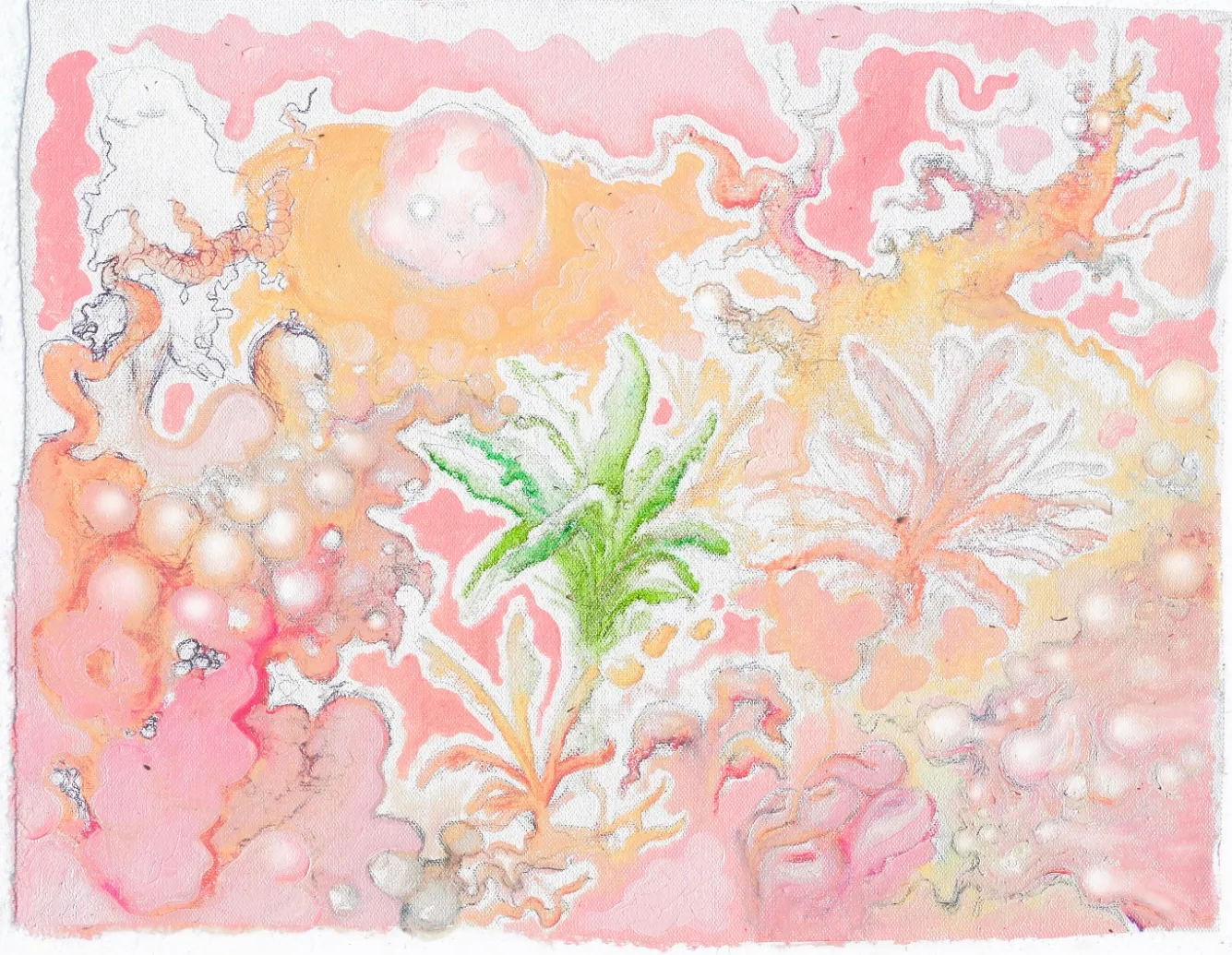 Nirvana Garden Today
I was in paradise, but it was a makeshift one, a collage, a construction. What seemed like pure, thriving nature had been carefully crafted, skillfully layered. Still, it was incred- ibly beautiful.
(painted in Chiang Rai in the home of a painter who met me at the airport and invit- ed me to stay with him and paint)
3. Be respectful
Think critically about how you perceive and treat locals, and what narratives and stereotypes your actions perpetuate. Most importantly, never forget to give everyone the human respect they deserve.
More often than not, I’ve seen locals being perceived or treated by fellow tourists as vessels of experience rather than actual people. This transactional approach is not only disrespectful and exploitative, but it also robs you of a human-to-human experience and promotes harmful stereotypes (for and about all parties involved). The local will see yet another cash dispenser, while the tourist sees a simple service provider trying to rip them off. In these interactions, a little respect and humility can go a long way—I won’t tell you what to do or say, but only to remember that we are all people, and all deserving of respect and moral equality (remember SS51?). Writing this feels so elementary, but too many people seem to have forgotten.
An example and extension of this is haggling. So much of travelers’ time is spent on trying to find the best deals. I get it, we’re trying to be low-cost—I’m all for that. But, after a week of constantly worrying about money, I realized something very obvious: if someone charges me a bit more—even robs me—should I really blame them? I am still incomparably more privileged and have so many opportunities and an iron-clad safety net to fall back on. That extra $10 will make almost no difference for me, but it will for someone who might be trying to feed a family or support a struggling business. Oftentimes the street vendors are older women, and I imagine my grandmother and how I would like her to be treated at work. Operating on the basis of moral equality does not allow me to get angry at the person, whoever they are, but rather at the incredibly unfair system. I still don’t like overpaying on flights or hotels, but for small businesses or street vendors, I have stopped haggling, and it’s made me happier and freed up brain space for more important thoughts. I think you should pick your battles, and I no longer consider fighting this one to be justified.
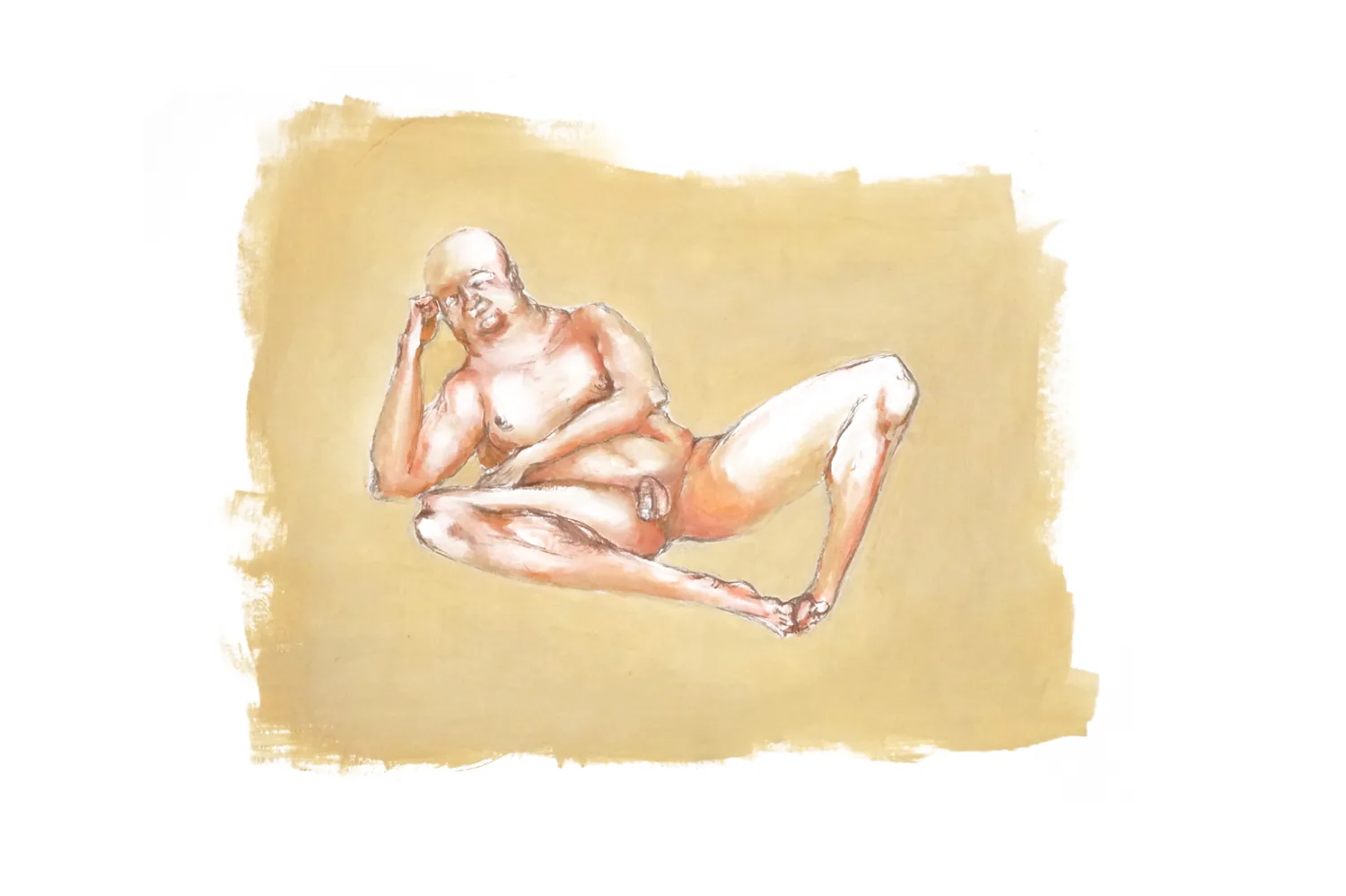
4. Learn your history and present
Context is crucial to understanding a society, as well as the individuals within it. So, put in the effort and look for understanding—your return on investment will be ten-fold.
The more places I go, the more I realize how much culture, politics, and history say about each other (I’m not trying to identify causal links or make normative value judgments, only to point out that each one is crucial for understanding the other two).
For instance, Korea bears a past of war, occupation, and injustices that carry onto the present. A single generation of hard-working people has managed to rebuild the country into a key global player, defined by its contemporary culture and production rather than a past of oppression. It makes sense, then, that people would value hard work, and place a lot of pressure on young generations to perform in the traditional way—which has worked so well for them despite its many costs—and would be intensely patriotic and protective of their culture.
Knowing this brought me understanding and empathy towards the many confusing everyday rules of city life—it makes sense that people would conform (in a collectivist culture with a strong emphasis on filial piety), and be frustrated at their violation (especially by careless foreigners). I was careful not to disrespect Korean culture in any way, and behave as respectfully as possible. I was also able to ask people about how their country’s past influences individual lives, discover overarching topics and issues, and compare their experiences to mine.
There is so much about the world that I don’t understand, but learning about the past and present of peoples and cultures always brings me closer to them, and shows me how similar people are, even when they seem so different. Just as I am influenced by WW2 and the following 40 years of communism in my country (Slovakia yay), so are people here influenced by the historical and political currents of theirs. The results are different but the humans are all equally human, and capable of understanding each other.
More than ever, I believe that culture can be shared in a symbiotic rather than exploitative way, if people (on both sides but mainly the benefactors of the exploitation) are willing to put in the thought and effort.
5. Consider going solo (but ready to get uncomfortable)
Solo traveling can be a time to reflect, slow down, see and fight your demons, meet yourself and the world. It’s an opportunity like no other.
Traveling by myself was scary, lonely, uncomfortable, boring, stressful, every single time. And every single time I have realized something big, something that has moved me forward.
Going solo teaches you to be with yourself (sometimes going days without a proper conversation, and entering a state of constant almost-meditation), clarify your values, organize your time, and make decisions based on what really matters to you (without questioning them beyond a healthy point). It forces you to look for help in the kindness of strangers (a resource I have found to be endless, but also hard to tap into at first). You get to observe and perceive so much more of the world around you without the sweet distraction of familiar friends. Instead, you meet new people, and soon enough it can start to feel like the world is a home full of potential friends rather than distant strangers.
Personally, I find that solo traveling provides space that I never feel like I need until i get it—the space to stand back and look at the bigger picture I am building, calm down (quite the antithesis to the Minerva lifestyle), prioritize, organize, regroup and take a deep breath before plunging back into the madness, stronger and ready (excited even) to fight my daily battles.
Going solo is a commitment, and a decision that should be made thoughtfully. It is getting constantly pushed out of your comfort zone, and into independence. It is not a walk in the park, but it is extremely rewarding and healing.
Many of these pearls of wisdom—as it often is with important life lessons—are easily forgotten. I have learned and unlearned this and much more multiple times. That is why solo traveling is a new struggle every time, but also why I still feel that I need to keep doing it.
 Visual exploration: flowers, movement, femininity
That’s if from this one. I have lots more to say so feel free to ask me if you get the chance. Good luck on your adventures – whatever shape or form they may take – in this incredibly beautiful rollercoaster of a life!
Love,
Lexi
1. Don’t be scared
The vast majority of strangers are helpful and kind people who will be happy to help out a fellow tourist. So meet them, reach out, and gain much more valuable experiences.
Stranger danger has been hammered into most of us since childhood, in a classic case of probability distortion: you overestimate the probability of a bad outcome, because the truth is that yes, it only has to happen once (fill in: murder, abduction, assault, or any other malicious intent people assume of strangers). Some places are riskier than others, but I have witnessed over and over again that the overwhelming majority of people (based on my statistically significant [n>30] convenience sample from around the world) are kind and helpful.
Not only is it exhilarating to disprove social paradigms, but the experiences and stories you get through Couchsurfing and hitchhiking are usually the most formative, building the cornerstones of learning through travel. Hitchhiking in Vietnam, I met female Buddhist monks who taught me about Vipassana meditation, a full car (but they squeezed and took me anyway) of young, vibrant people driving their singer friend to a show, and a mother who had started her own business, and was now the family’s breadwinner.
The world is much easier to live in when we are able to trust, and the rewards greatly outweigh the risks in the big picture. So far, every time I chose to trust, it moved me forward and taught me more than “authentic” tourist experiences ever did.
2. Be active
Find a goal, activity or purpose, and follow it. Sightseeing is fun for a few days, but you will gain much more value if you become part of the social system you’re visiting.
First, know your purpose. Is it to unwind, slow down, and learn about yourself, connect with friends through unique experiences? There are best practices to achieve any purpose, but I want to speak to those who primarily (there does not, of course, need to be one single goal) want to discover the world, understand and learn from the communities they visit, while being mindful of the footprints they leave behind.
If you want immersion, learning, and understanding, here’s my most important tip: don’t just be a passive consumer of experience, but try to become part of the system.
Make yourself useful by working or volunteering. Even better, create more benefit for both yourself and others through expert help (teaching, programming, painting, using any skill that you have and people need, to the best of your ability—I’m sure you have something valuable to contribute anywhere you go).
I found it most rewarding to paint and work as a teacher on an organic sustainable agriculture farm, but that might not be the same for you. Figure out what you care about: creativity? Sustainability? Slowing down? Speeding up? Getting over social anxiety? Language immersion? Physical challenge? Improving in or learning about a field you want to pursue? Any goal you have in life can be transferred to travel, and if you go into your journey with some pointers (not rigid goals, plans don’t always work out and that’s okay), you could create a much more valuable experience.
I was in paradise, but it was a makeshift one, a collage, a construction. What seemed like pure, thriving nature had been carefully crafted, skillfully layered. Still, it was incred- ibly beautiful.
(painted in Chiang Rai in the home of a painter who met me at the airport and invit- ed me to stay with him and paint)
3. Be respectful
Think critically about how you perceive and treat locals, and what narratives and stereotypes your actions perpetuate. Most importantly, never forget to give everyone the human respect they deserve.
More often than not, I’ve seen locals being perceived or treated by fellow tourists as vessels of experience rather than actual people. This transactional approach is not only disrespectful and exploitative, but it also robs you of a human-to-human experience and promotes harmful stereotypes (for and about all parties involved). The local will see yet another cash dispenser, while the tourist sees a simple service provider trying to rip them off. In these interactions, a little respect and humility can go a long way—I won’t tell you what to do or say, but only to remember that we are all people, and all deserving of respect and moral equality (remember SS51?). Writing this feels so elementary, but too many people seem to have forgotten.
An example and extension of this is haggling. So much of travelers’ time is spent on trying to find the best deals. I get it, we’re trying to be low-cost—I’m all for that. But, after a week of constantly worrying about money, I realized something very obvious: if someone charges me a bit more—even robs me—should I really blame them? I am still incomparably more privileged and have so many opportunities and an iron-clad safety net to fall back on. That extra $10 will make almost no difference for me, but it will for someone who might be trying to feed a family or support a struggling business. Oftentimes the street vendors are older women, and I imagine my grandmother and how I would like her to be treated at work. Operating on the basis of moral equality does not allow me to get angry at the person, whoever they are, but rather at the incredibly unfair system. I still don’t like overpaying on flights or hotels, but for small businesses or street vendors, I have stopped haggling, and it’s made me happier and freed up brain space for more important thoughts. I think you should pick your battles, and I no longer consider fighting this one to be justified.
Series working title: Jupiter of Chiang Rai (Man at rest I, II, and III)
“Why is it always old men painting young naked women? Why am I always the muse and never the artist? I know I can be both, and so should you.”
“Why is it always old men painting young naked women? Why am I always the muse and never the artist? I know I can be both, and so should you.”
4. Learn your history and present
Context is crucial to understanding a society, as well as the individuals within it. So, put in the effort and look for understanding—your return on investment will be ten-fold.
The more places I go, the more I realize how much culture, politics, and history say about each other (I’m not trying to identify causal links or make normative value judgments, only to point out that each one is crucial for understanding the other two).
For instance, Korea bears a past of war, occupation, and injustices that carry onto the present. A single generation of hard-working people has managed to rebuild the country into a key global player, defined by its contemporary culture and production rather than a past of oppression. It makes sense, then, that people would value hard work, and place a lot of pressure on young generations to perform in the traditional way—which has worked so well for them despite its many costs—and would be intensely patriotic and protective of their culture.
Knowing this brought me understanding and empathy towards the many confusing everyday rules of city life—it makes sense that people would conform (in a collectivist culture with a strong emphasis on filial piety), and be frustrated at their violation (especially by careless foreigners). I was careful not to disrespect Korean culture in any way, and behave as respectfully as possible. I was also able to ask people about how their country’s past influences individual lives, discover overarching topics and issues, and compare their experiences to mine.
There is so much about the world that I don’t understand, but learning about the past and present of peoples and cultures always brings me closer to them, and shows me how similar people are, even when they seem so different. Just as I am influenced by WW2 and the following 40 years of communism in my country (Slovakia yay), so are people here influenced by the historical and political currents of theirs. The results are different but the humans are all equally human, and capable of understanding each other.
More than ever, I believe that culture can be shared in a symbiotic rather than exploitative way, if people (on both sides but mainly the benefactors of the exploitation) are willing to put in the thought and effort.
5. Consider going solo (but ready to get uncomfortable)
Solo traveling can be a time to reflect, slow down, see and fight your demons, meet yourself and the world. It’s an opportunity like no other.
Traveling by myself was scary, lonely, uncomfortable, boring, stressful, every single time. And every single time I have realized something big, something that has moved me forward.
Going solo teaches you to be with yourself (sometimes going days without a proper conversation, and entering a state of constant almost-meditation), clarify your values, organize your time, and make decisions based on what really matters to you (without questioning them beyond a healthy point). It forces you to look for help in the kindness of strangers (a resource I have found to be endless, but also hard to tap into at first). You get to observe and perceive so much more of the world around you without the sweet distraction of familiar friends. Instead, you meet new people, and soon enough it can start to feel like the world is a home full of potential friends rather than distant strangers.
Personally, I find that solo traveling provides space that I never feel like I need until i get it—the space to stand back and look at the bigger picture I am building, calm down (quite the antithesis to the Minerva lifestyle), prioritize, organize, regroup and take a deep breath before plunging back into the madness, stronger and ready (excited even) to fight my daily battles.
Going solo is a commitment, and a decision that should be made thoughtfully. It is getting constantly pushed out of your comfort zone, and into independence. It is not a walk in the park, but it is extremely rewarding and healing.
Many of these pearls of wisdom—as it often is with important life lessons—are easily forgotten. I have learned and unlearned this and much more multiple times. That is why solo traveling is a new struggle every time, but also why I still feel that I need to keep doing it.
That’s if from this one. I have lots more to say so feel free to ask me if you get the chance. Good luck on your adventures – whatever shape or form they may take – in this incredibly beautiful rollercoaster of a life!
Love,
Lexi
Nonfiction
The City is My Campus—no, for real.
After staying a month at Lehigh University, one word stands out to describe my experience with the campus: boring.
I told myself that it was summer break and most activities around campus are stalled, but I was less convinced of that every day. I tried seeking inspiration from a rising sophomore at Lehigh.
“What does one do around here for fun?” I asked.
“We drink,” he replied.
While I was lucky enough to be a part of a summer program that kept me on my toes and introduced me to people that made even the mundane a whole lot of fun, I couldn’t help but wonder what kind of lives the “real” Lehigh students lived.
The Lehigh campus is huge, with many luxurious buildings and endless staircases that lead to them. With multiple libraries, competent sports teams, and countless clubs, it’s hard to imagine how anyone would run out of things to do.
However, the rose-colored glasses come off when you have to walk 10 minutes to the closest grocery store to grab a bag of chips and 20 minutes to chill at everyone’s favorite and closest bar (I do wonder if Lehigh students only call it their favorite bar because it is the closest).
This is a huge difference from Minerva, where you are most often placed in the heart of a bustling city. Last semester in Korea, I had a cafe, an overnight study cafe, and a restaurant within the building I lived in. The nearest bus stop was two steps from my residential entrance. The street I lived on had every possible building on it within a 5-minute radius, from multiple grocery stores, salons, post offices, banks, and even local markets and stalls.
This furthered my realization that Minerva’s tagline “the city is your campus”—while often the butt of jokes among Minervans with an undertone hinting at our wistfulness for a campus—is actually more than a tag-line. It’s the truth.
The longer I stayed at the Lehigh campus the more I realized how the students were not as connected to the local community as Minervans are. On a morning walk, I noticed that the area around Lehigh struggled with poverty and gentrification. Later in a conversation with a staff member, I was told the troubles with gentrification when uplifting the community and other obstacles but no ways around them. This was another huge difference from the Minerva educational experience where many of our assignments are based on solving the issues in the local communities that we live in. The idea of being a resident, not a tourist, and leaving places better than we find them is often discussed inside and outside of the classroom. We are often forced to empathize with the issues that the local populace deals with, even if they stand far outside the realm of our day-to-day lives.
My experiences are matched with the similar experiences other Minerva students had over the summer. My friend Yousef (M25) also talked about the numerous golf courses and fields surrounding the Stanford campus which make it impossible to get around without a car, and how the students at Berkeley, while within the city, are still secluded from it. He also highlighted the differing amount of stress the students go through. For a conventional student, the stress gets higher during exams and co-curricular competitions but stays fairly low otherwise.
At Minerva, the stress levels are at a constant high because each class counts towards your GPA, assignments are ceaseless, and on top of that, we have to look into every nook and cranny of the local issues and culture plus cooking for ourselves and exploring the city/country lets you take on a whole lot more responsibility than an average college student. This means that if you don’t have proper systems in place, it’s easy to get burned out.
Are Minervans missing out on a traditional college experience? Yes.
We don’t have huge libraries filled with 19th and 20th-century literature waiting to be read. We don’t have varsity sports teams that go on to compete in international competitions. We don’t get to live in a bubble of buildings with hallowed hallways and endless staircases. But at the end of the day, is that the college experience we really need?
Any student that decided to enroll at Minerva signed up for a very specific college experience. While that experience might be unconventional or even insane at times (cue going to Taiwan when China issues warnings of military action), the experience is still extremely exciting and fulfilling.
Will I miss the trimmed stretches of grass at Lehigh on which I stargazed with the people I love? Abso-fucking-lutely. Am I also excited to get back on the bumpy train ride that is Minerva education? You bet!
I told myself that it was summer break and most activities around campus are stalled, but I was less convinced of that every day. I tried seeking inspiration from a rising sophomore at Lehigh.
“What does one do around here for fun?” I asked.
“We drink,” he replied.
While I was lucky enough to be a part of a summer program that kept me on my toes and introduced me to people that made even the mundane a whole lot of fun, I couldn’t help but wonder what kind of lives the “real” Lehigh students lived.
The Lehigh campus is huge, with many luxurious buildings and endless staircases that lead to them. With multiple libraries, competent sports teams, and countless clubs, it’s hard to imagine how anyone would run out of things to do.
However, the rose-colored glasses come off when you have to walk 10 minutes to the closest grocery store to grab a bag of chips and 20 minutes to chill at everyone’s favorite and closest bar (I do wonder if Lehigh students only call it their favorite bar because it is the closest).
This is a huge difference from Minerva, where you are most often placed in the heart of a bustling city. Last semester in Korea, I had a cafe, an overnight study cafe, and a restaurant within the building I lived in. The nearest bus stop was two steps from my residential entrance. The street I lived on had every possible building on it within a 5-minute radius, from multiple grocery stores, salons, post offices, banks, and even local markets and stalls.
This furthered my realization that Minerva’s tagline “the city is your campus”—while often the butt of jokes among Minervans with an undertone hinting at our wistfulness for a campus—is actually more than a tag-line. It’s the truth.
The longer I stayed at the Lehigh campus the more I realized how the students were not as connected to the local community as Minervans are. On a morning walk, I noticed that the area around Lehigh struggled with poverty and gentrification. Later in a conversation with a staff member, I was told the troubles with gentrification when uplifting the community and other obstacles but no ways around them. This was another huge difference from the Minerva educational experience where many of our assignments are based on solving the issues in the local communities that we live in. The idea of being a resident, not a tourist, and leaving places better than we find them is often discussed inside and outside of the classroom. We are often forced to empathize with the issues that the local populace deals with, even if they stand far outside the realm of our day-to-day lives.
My experiences are matched with the similar experiences other Minerva students had over the summer. My friend Yousef (M25) also talked about the numerous golf courses and fields surrounding the Stanford campus which make it impossible to get around without a car, and how the students at Berkeley, while within the city, are still secluded from it. He also highlighted the differing amount of stress the students go through. For a conventional student, the stress gets higher during exams and co-curricular competitions but stays fairly low otherwise.
At Minerva, the stress levels are at a constant high because each class counts towards your GPA, assignments are ceaseless, and on top of that, we have to look into every nook and cranny of the local issues and culture plus cooking for ourselves and exploring the city/country lets you take on a whole lot more responsibility than an average college student. This means that if you don’t have proper systems in place, it’s easy to get burned out.
Are Minervans missing out on a traditional college experience? Yes.
We don’t have huge libraries filled with 19th and 20th-century literature waiting to be read. We don’t have varsity sports teams that go on to compete in international competitions. We don’t get to live in a bubble of buildings with hallowed hallways and endless staircases. But at the end of the day, is that the college experience we really need?
Any student that decided to enroll at Minerva signed up for a very specific college experience. While that experience might be unconventional or even insane at times (cue going to Taiwan when China issues warnings of military action), the experience is still extremely exciting and fulfilling.
Will I miss the trimmed stretches of grass at Lehigh on which I stargazed with the people I love? Abso-fucking-lutely. Am I also excited to get back on the bumpy train ride that is Minerva education? You bet!
Poetry
Winter
I'm sitting outside in the purple-blue dark. It's cold.
Not Berlin-snowing-can't-feel-my-fingers-cold,
but wearing-both-a-hoodie-and-a-jacket-cold.
It doesn't remind me of the London cold,
the rainy-and-windy-and-dark-at-4-pm-cold.
It doesn't feel like I imagine the Seoul cold would have felt. Lonely and foreign.
No, this cold is familiar and boring.
This is the mid-June-July-southern-hemisphere-cold that I've felt for at least ten years.
And I've never hated it as much as I do this year.
Not because it's colder (because it isn't).
Or because the power is going out more than usual (although it is).
It's because I feel my friends' absence so much more this winter.
It's the last winter I'll truly feel alone in that particular Minervan-alone-while-staring-wistfully-at-Instagram-posts-set-in-San-Fransisco-way
because I know by next winter everyone will be moving on.
And I will be too.
I hope.
***
My parents' house is always cold.
Part of it is the fact that it's not very well insulated,
but more of it is that it's lonely and far and quiet.
I don't miss a specific place that feels like home.
I know this is home.
But I miss the togetherness of being with my friends.
I miss that jokes-you-make-while-in-the-same-class-feeling,
The cooking-for-your-roommates-warmth,
That Thursday-evening-mutual-feeling-of-relief-camaraderie,
The coldness-of-outside-that-fades-when-you-see-another's-smile-sentiment.
And maybe this is too specific.
Maybe my German-inspired extremely complex compound nouns do not connect with you.
But to simplify,
I'm cold and I'm sad and I'm not ready for this to be over.
I miss you, my friends,
and I love you.
Not Berlin-snowing-can't-feel-my-fingers-cold,
but wearing-both-a-hoodie-and-a-jacket-cold.
It doesn't remind me of the London cold,
the rainy-and-windy-and-dark-at-4-pm-cold.
It doesn't feel like I imagine the Seoul cold would have felt. Lonely and foreign.
No, this cold is familiar and boring.
This is the mid-June-July-southern-hemisphere-cold that I've felt for at least ten years.
And I've never hated it as much as I do this year.
Not because it's colder (because it isn't).
Or because the power is going out more than usual (although it is).
It's because I feel my friends' absence so much more this winter.
It's the last winter I'll truly feel alone in that particular Minervan-alone-while-staring-wistfully-at-Instagram-posts-set-in-San-Fransisco-way
because I know by next winter everyone will be moving on.
And I will be too.
I hope.
***
My parents' house is always cold.
Part of it is the fact that it's not very well insulated,
but more of it is that it's lonely and far and quiet.
I don't miss a specific place that feels like home.
I know this is home.
But I miss the togetherness of being with my friends.
I miss that jokes-you-make-while-in-the-same-class-feeling,
The cooking-for-your-roommates-warmth,
That Thursday-evening-mutual-feeling-of-relief-camaraderie,
The coldness-of-outside-that-fades-when-you-see-another's-smile-sentiment.
And maybe this is too specific.
Maybe my German-inspired extremely complex compound nouns do not connect with you.
But to simplify,
I'm cold and I'm sad and I'm not ready for this to be over.
I miss you, my friends,
and I love you.