Poetry
Dirty Art
I want to write Dirty Art
Filthily creative and disgustingly
That make people think and cry
and wail and laugh
And roll and sing and
Scre!am
I want to open myself wide on these pages
I want to leave you on the floor
Rolling
in deep seizures of pleasure
I want you to hear every pore in my hand squealing
and opera screaming I want to be
Lawless and heinous
and wicked and
Wi!d.
This I do solemnly swear
For God has poured Himself into
this little mind and these shaking hands
May heaven help me show my Creator’s
In this
Filthily creative and disgustingly
asymmetrical
I want to make grotesque and beautiful thingsThat make people think and cry
and wail and laugh
And roll and sing and
Scre!am
I want to open myself wide on these pages
I want to leave you on the floor
Rolling
in deep seizures of pleasure
I want you to hear every pore in my hand squealing
and opera screaming I want to be
Lawless and heinous
and wicked and
Wi!d.
This I do solemnly swear
For God has poured Himself into
this little mind and these shaking hands
May heaven help me show my Creator’s
Vastness
In this
Dirty Art
Fiction
Gerald’s Toystore
Windows are Storybooks
I hunch against the windowsill for hours, crumpled like a stepped-on shortbread biscuit. My cheek presses against the tiled window. From the outside I imagine it looks like the dough we rolled out under a make-shift rolling pin of glass. The harder we pressed, the further the dough bulged across the table. Now, my cheek is well-imprinted against the window; “a perfectly-smooth texture,” I’d imagine your remark.I sometimes startle from my observations of people when I press too hard. I want to join the passing people’s stories and sift through that window like flour through your hands. But my mind does sift! I join every walking story.
Across the street is a toy shop, freshly painted the green of parsley, its curcuma-coloured window sill spelling Gerald’s Toystore. I read it over and over again, willing it to unravel itself into a story like unrolling a Chelsea bun. You used to say that there is a secret in the center of each bun. Are people like Chelsea buns?
***
A woman walks into the toy store.
Her dress is blue satin, dark as rain clouds. Bracelets play tunes on her wrists, humming with the dangling diamond earrings. They dangle like rain drops, moving my gaze to the back of her bare neck as she slips the toystore’s door open to dissolve into the unknowns of Gerald’s Toystore.
The satin shimmers in the dusty evening sun, catching my eye like a hair in dough. She exits the toy store holding an unpackaged wooden horse. It is painted beautifully – blue, red, white like the Union Jack. It is the day before Christmas; why leave it unpackaged if you need it packaged by the next morning? From prior observations that day, I know Gerald’s Toystore offers all sorts of wrapping paper.
The moment she turns from the toystore’s steps to hurry down the cobbled street, I glimpse her left ear, bare as an empty plate. Like a lost sock, only one diamond earring dangles from her pair of ears. A horse carriage rolls by, blocking my sight of her.
***
The floor creaks. Nanny walks in with a tray of Rock Cakes. “Is the window really that comfortable? Come here, have some tea.”
I plunge the Rock Cake into tea, waiting for the raisins to float. There is no doubt that the woman is a wealthy upper-class lady; she wouldn’t need to sell the earring in the toy store. Further, it is unthinkable for her to have lost such an earring by accident. I imagine that she would have noticed such a missing heaviness immediately. Neither could it have been stolen, for I watched her enter the toystore’s safety with two and exit its safety with one.
The crumbs are sinking. The raisins too.
You don’t know, but we live in a coastal town with sea trade now. Father is a merchant captain now. And he has so many stories now, so many. Pirates, truths and tales – you would have loved them. Barrels of ale pass overground while smuggled treasures are dragged through alleyways. Within seconds, the bare-necked woman transforms into a blue-veiled pirate, infiltrating the city with her gang as freshly-baked Rock Cake air, a room. Her pirate gang, operating in town, must have just docked in port, smuggling their heaped hoards into the hopelessly knotted alleyways. Could the diamond earrings be a secret code, the missing one a payment for silence?
***
The door creaks. Nanny walks in with a heap of laundry in her hands. “Your tea is getting cold, darling.” I nod faintly and pick up the teacup. The two raisins have sunken to the bottom of the tea cup. Why are the raisins not floating?
Through the toy store window I see a spectacle-wearing man. That must be Gerald, the toy store owner. His brows are thick as honey and when he frowns as he looks outside, they merge into one honeycomb. He turns his back to me as a customer, blurry through the window, comes up to him.
People pass into the toystore like a tray of biscuits into an oven. I pick out the best of them, shining like golden shortbread biscuits and decorate them with my story’s icing. Just earlier a mother with a daughter with two braids dropping down her back like drooping antennas entered the toy store. I closed my eyes to feel my bun-sized hand wrap itself around her mother’s. I thought of your hands carefully braiding my untameable hair, polishing myself for Christmas dinner, struggling with my hair’s dough-with-too-little-flour restlessness. When I opened my eyes, the mother-daughter ensemble had vanished into the toy store, but I could smell the meal they would have together, all huddled around an orange-zest-coloured fire. Father is still unable to tame my hair, you know. “Like a lion’s mane. Too wild.” He always says. I always answer: “Father, tell me the story of when you saw a real lion when you sailed to the Cape.”
***
It is Christmas morning and Nanny had decorated the windows with mistletoe vines, braided with flaring red ribbons. My breath freezes against the glass like sugar crystals. My hair remains untamed.
People roll through the street like Rolling Scones on display. I see Gerald flinging open the toystore’s door to the street’s vastness. I see the pirate woman step out from an alleyway. She is clenching the national-colored wooden horse under her arms. The long rain-cloud-coloured coat effortlessly sweeps the ground, twisting and turning like rolling a Chelsea bun. Her curly hair is braided into a crown and the single diamond earring dances in the lonely light of Christmas morning. The thought of having my lion hair so lovingly done, effortlessly perched on my head like an unstealable crown, makes me shiver. I could be Queen whenever it pleases me. Slowly, my cheek freezes onto the window plane, my gaze sifting the street. I watch Gerald shift up his spectacles and nudge a silent smile as she steps in. The toy store door strikes shut.
***
The diamond earring reminds me of something. Father, pirates, diamonds, The Diamond? She is The Diamond! The codename for the master of pirate conspiracy, smuggling the most valuable of rubies, jades, emeralds, and diamonds into the harbor town. Father said, “She comes from one of the oldest families in the businesses, down to the legendary blackbeard.” She would walk into any bar, heads flinging towards her like puppets, her mind playing I am The Diamond on repeat. She would sweep through streets as easily as molten butter on sugar scones. Who would think a woman to hold such authority? I envied her. Her, dressed in blue satin, dark as rain clouds. Her, with bracelets playing tunes on her slinky wrists, humming with the dangling diamond earrings. Her, with the royal crown of hair and pirate tales. Her, The Diamond. Her, like a Chelsea bun amongst Rock cakes. Did she also have untameable hair when she was young?
Would I one day wear such diamonds as if they were nothing but rain drops?
Those diamonds must be hidden in the wooden horse. She would come into the toy store with smuggled gemstones for Gerald and return with an empty wooden horse, repeating until the stash is depleted, like eating away a tray of scones. Then, of course, no wrapping is needed. It is not a present, it is a means of transport. Father had told me of such fabulous ways of smuggling, in sewn-in pockets and stashed in hollow wood, but a wooden toy horse from the famous Gerald’s Toystore! Until that day, such a thing I never believed could be true.
***
Painted in the green of parsley, under the curcuma-coloured shop sill spelling Gerald’s Toystore, The Diamond walks out empty-handed. Father strikes the living room door open and I lift my doughy cheek from the frozen window, unfolding from my crumpled-shortbread-pose. “Oh, my lion-haired girl. Merry Christmas!”
“Father!” I fall into his arms like the raisins fell to the bottom of the tea.
“Remember your stories about The Diamond pirate? I just saw her right there, you wouldn’t believe it.” I would tell him everything I saw, for he has returned.
You would not believe it either, mum.
Author’s Note:
This narrative concept of this story intrigued me immensely and I have given it more thought by experimenting with this story. The story is told from the perspective of a narrator that knows no more about the true story behind the people she sees passing in and out of the toy store, than the reader themselves. Yet, the reader is tricked into believing that the narrator’s imaginary story is the true one, nearly engulfed in her imagination, even though they will never (and neither, will I) know the actual story of those characters. Windows are storybooks, if only our imaginations permit us to turn them into one. The narrator in this piece has done so – out of loneliness and excess imagination. She thereby unknowingly created a character that inspires her, believing her to be real. Every person passing by that (or any) window has a story in them – imagined or real. It is up to us to decide what to do with those walking stories.
For more writing by me and a possible continuation of this story, click here and please feel free to reach out to my telegram @annabelschon for any feedback on this story.
Poetry
Rhythm of Sonder
I walked today.
My stride attached to the rhythm of
Children speaking Mandarin.
The outskirts were alive.
Networks of fungi, piercing through concrete.
I laughed today.
Colliding with the sense of joy around me.
My thoughts attached to the rhythm of
Elders riding motorbikes.
Wisdom carried by a fragile machine down a distant expressway.
Blocks of concrete breaking through the foreign landscape.
My stride attached to the rhythm of
Children speaking Mandarin.
The outskirts were alive.
Networks of fungi, piercing through concrete.
I laughed today.
Colliding with the sense of joy around me.
My thoughts attached to the rhythm of
Elders riding motorbikes.
Wisdom carried by a fragile machine down a distant expressway.
Blocks of concrete breaking through the foreign landscape.
Poetry
For Years
For years I would return home to you
Heartful, Open, Mistakenly Empathetic
When you brought
Hostility, Obsession, Manic Envy.
I was in stability
With your instability.
That became my routine—
Wake up and wonder,
Who will you be?
The woman popping peace signs
With tie-dye shawls
Or my security guard
Securing me from ever
Feeling secure in my own skin.
Asking you “what’s for dinner”
Is a grave sin.
I should be ashamed.
I’m the devil you named.
I’m spoiled.
I’m a brat.
All for relying on my mother’s duty to act.
For years I would return home to you
Bound by a social contract
You think is daughterly love
But is actually a custody agreement
Created before I had conscious memory
But I do remember this
I remember you putting chicken broth in my vegan
Meal and asking your husband
Not to tell.
I remember how you liked your food so hot
My mouth burned with every bite.
I learned to blow on my fork.
You once followed me to the tennis courts,
Yelling at me afterward for not being there
No matter how much
I swear I was only sitting down to
take a break,
You never laid off the brakes.
Stop growing up.
Stop fucking up.
Stop. Stop. Stop. Stop. Stop—
Whiplash
from your mix
Of love and unpredictable hate.
For years I would return home to you.
Straight to my room,
My bubble of tranquility.
To get me through your insanity,
So I can remain in sanity.
In what you would call vanity,
I left.
With confidence and all
And securing a future I want.
Please return any letters to sender.
I have a change of address.
Heartful, Open, Mistakenly Empathetic
When you brought
Hostility, Obsession, Manic Envy.
I was in stability
With your instability.
That became my routine—
Wake up and wonder,
Who will you be?
The woman popping peace signs
With tie-dye shawls
Or my security guard
Securing me from ever
Feeling secure in my own skin.
Asking you “what’s for dinner”
Is a grave sin.
I should be ashamed.
I’m the devil you named.
I’m spoiled.
I’m a brat.
All for relying on my mother’s duty to act.
For years I would return home to you
Bound by a social contract
You think is daughterly love
But is actually a custody agreement
Created before I had conscious memory
But I do remember this
“what’s for dinner”
I remember you calling me bitch downstairs I remember you putting chicken broth in my vegan
Meal and asking your husband
Not to tell.
I remember how you liked your food so hot
My mouth burned with every bite.
I learned to blow on my fork.
You once followed me to the tennis courts,
Yelling at me afterward for not being there
No matter how much
I swear I was only sitting down to
take a break,
You never laid off the brakes.
Stop growing up.
Stop fucking up.
Stop. Stop. Stop. Stop. Stop—
Whiplash
from your mix
Of love and unpredictable hate.
For years I would return home to you.
Straight to my room,
My bubble of tranquility.
To get me through your insanity,
So I can remain in sanity.
In what you would call vanity,
I left.
Who will you be?
To be the woman living authenticallyWith confidence and all
And securing a future I want.
Please return any letters to sender.
I have a change of address.
Poetry
50 feet; I pray at the bottom of the ocean
“[When] the sunset filtered gently into the library, and you noticed it, and it made you feel something spectacular and maybe a bit frightening in its grandeur, were you not, for all intents and purposes, in a church?” — John Paul Brammer
this is your return to what’s inside.
I am afraid you carry very little weight.
Strangely familiar, doesn’t it sound so?
Focus, what do you see?
You can’t hold your breath till we ascend again.
Open your eyes now.
I feel another hand against mine,
The skin so smooth,
The touch so firm but gentle
Compared to what’s being spoken up there.
Outside... strident waves,
The current trickles through my fingers.
Ssh, quiet, time to wake them up.
Kneel on the seabed.
They’re here.
It’s dark and it’s cold.
I didn’t think I’d have to be here.
This is your return home,I didn’t think I’d have to be here.
this is your return to what’s inside.
Let me hold your hand when we’re there,
Let me hold your hand and we'll pretend it’s necessary.
I nod and nod and reassure.Let me hold your hand and we'll pretend it’s necessary.
Must we return to where it started?
I tell you again,I am afraid you carry very little weight.
Strangely familiar, doesn’t it sound so?
It tickles my ears.
Of course it does, so it has since the very beginning. Focus, what do you see?
You can’t hold your breath till we ascend again.
Open your eyes now.
I can feel it all:
My lungs press against my ribs
As I hold onto the last pieces I’ve gathered from my world.
My lungs press against my ribs
As I hold onto the last pieces I’ve gathered from my world.
They only go skin-deep,
I’m so invisible below.
I’m so invisible below.
I feel another hand against mine,
The skin so smooth,
The touch so firm but gentle
Compared to what’s being spoken up there.
Outside... strident waves,
The current trickles through my fingers.
Ssh, quiet, time to wake them up.
Calmly, we turn off our light.
The sea sparkles swirl in the moonlight.Only now I can see silver woven through the skies.
Kneel on the seabed.
They’re here.
I’m not scared of the dark.
Photography
Cross-Cultural Reflections
My first semester abroad: Taipei, Taiwan. What is to be my “home” for the semester actually feels a lot more like home than I expected. The people, the food, the scenes that I see and feel are surprisingly familiar, a unique twist on the South Korea that I grew up in. Here are some snapshots displaying the interconnections be- tween these two countries. My home may be a sea away, but I’m finding that home can really be found everywhere.
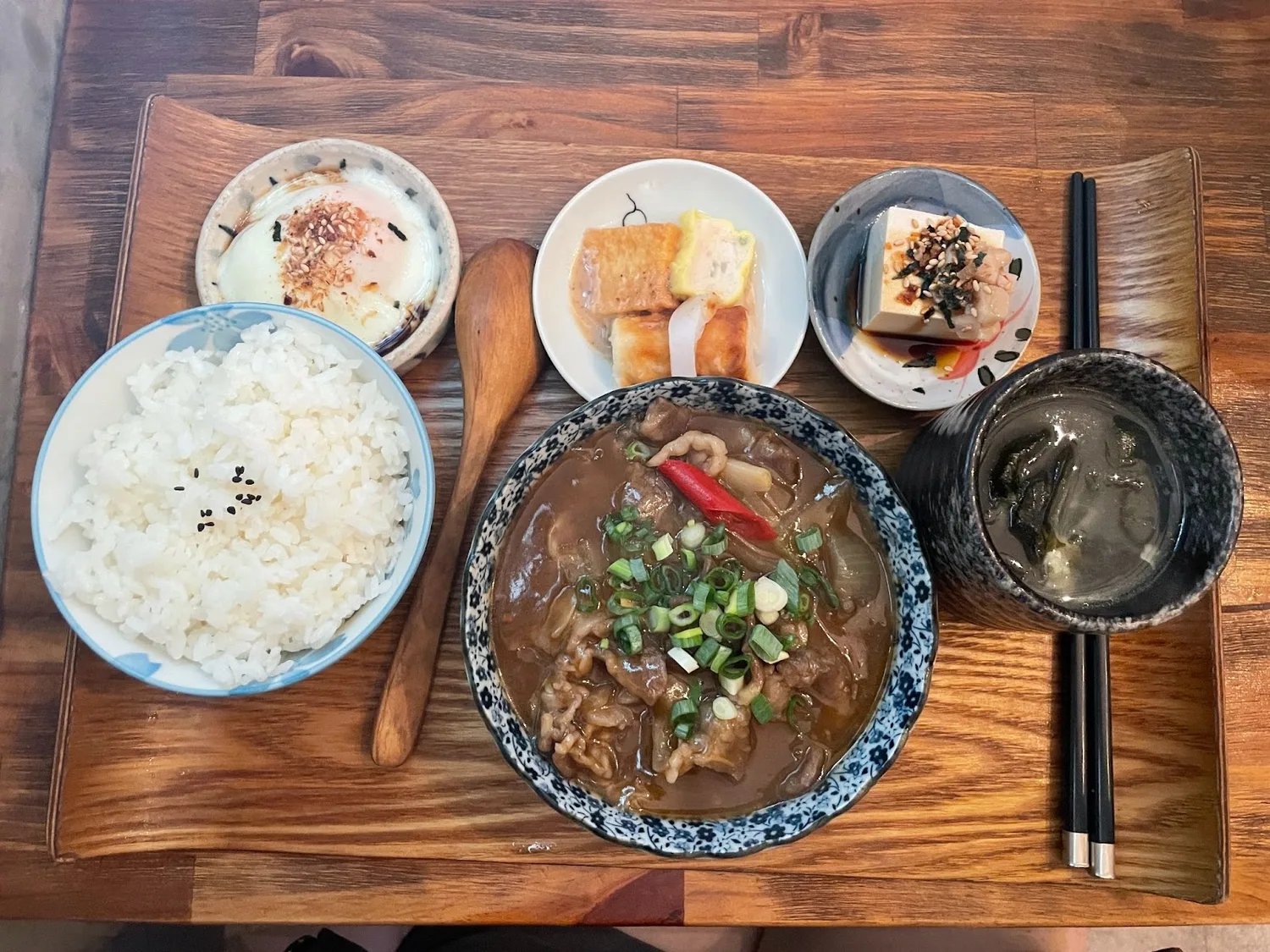
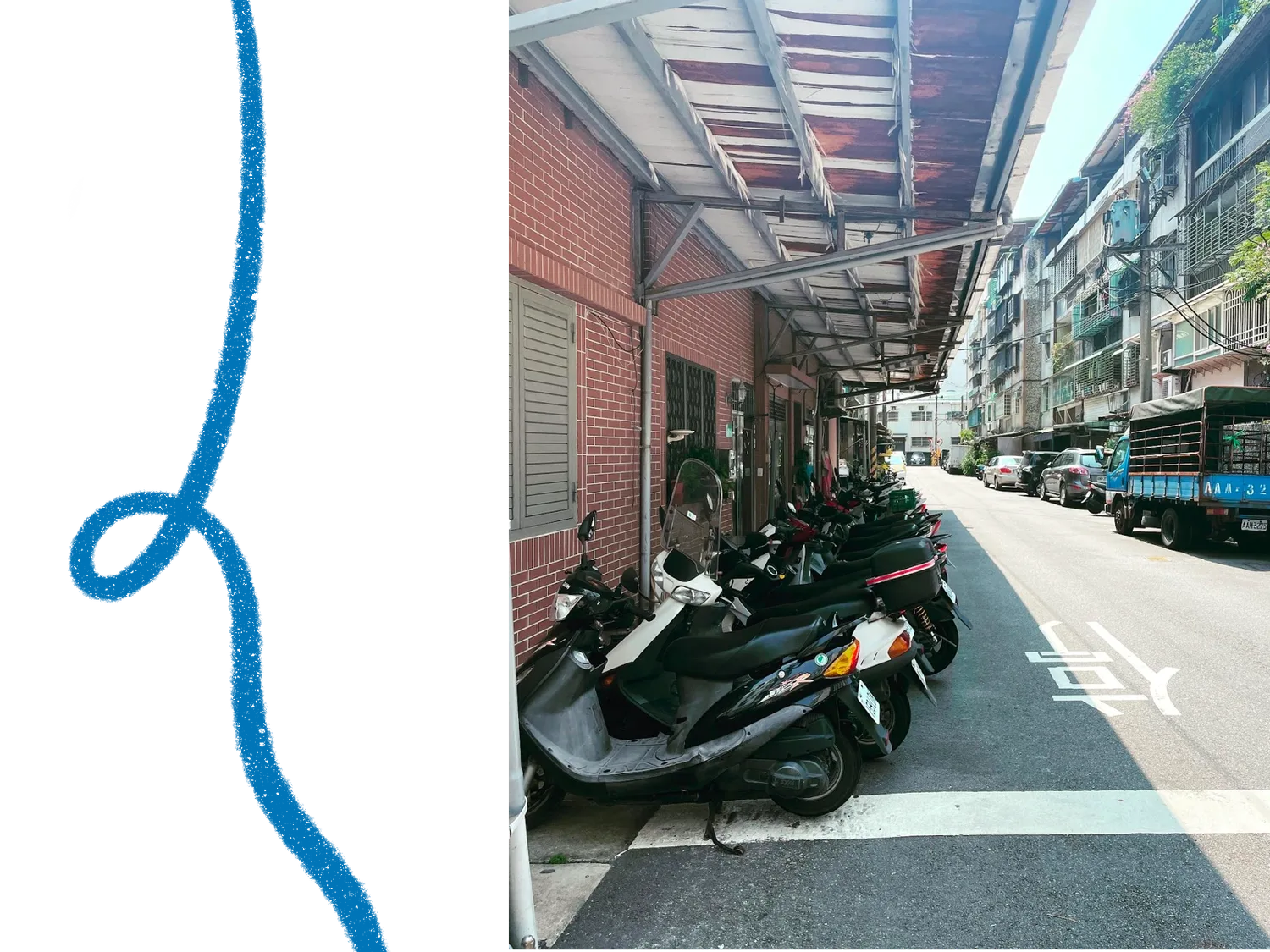
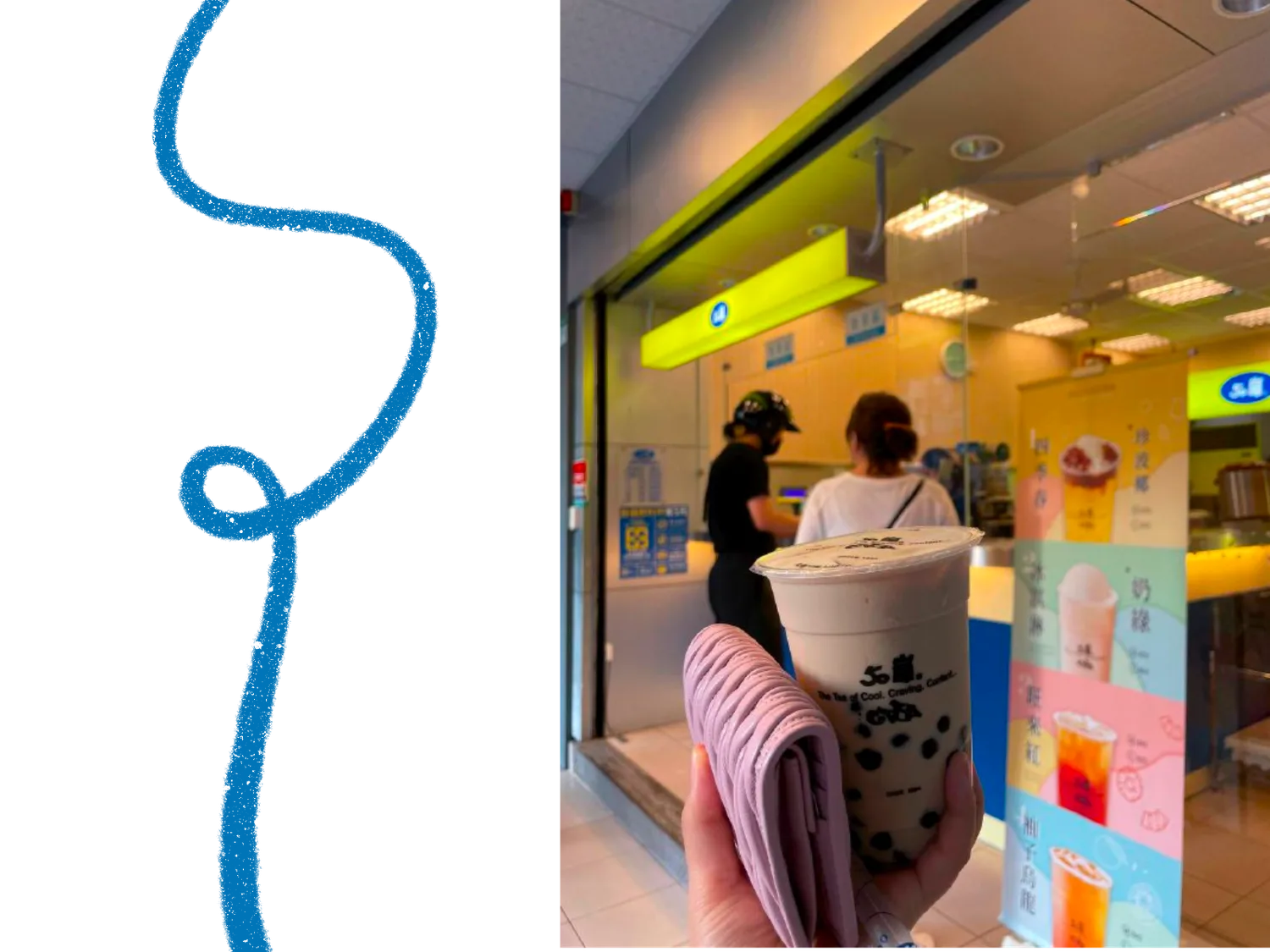
“Rice, soup, and side dishes – feels like home”
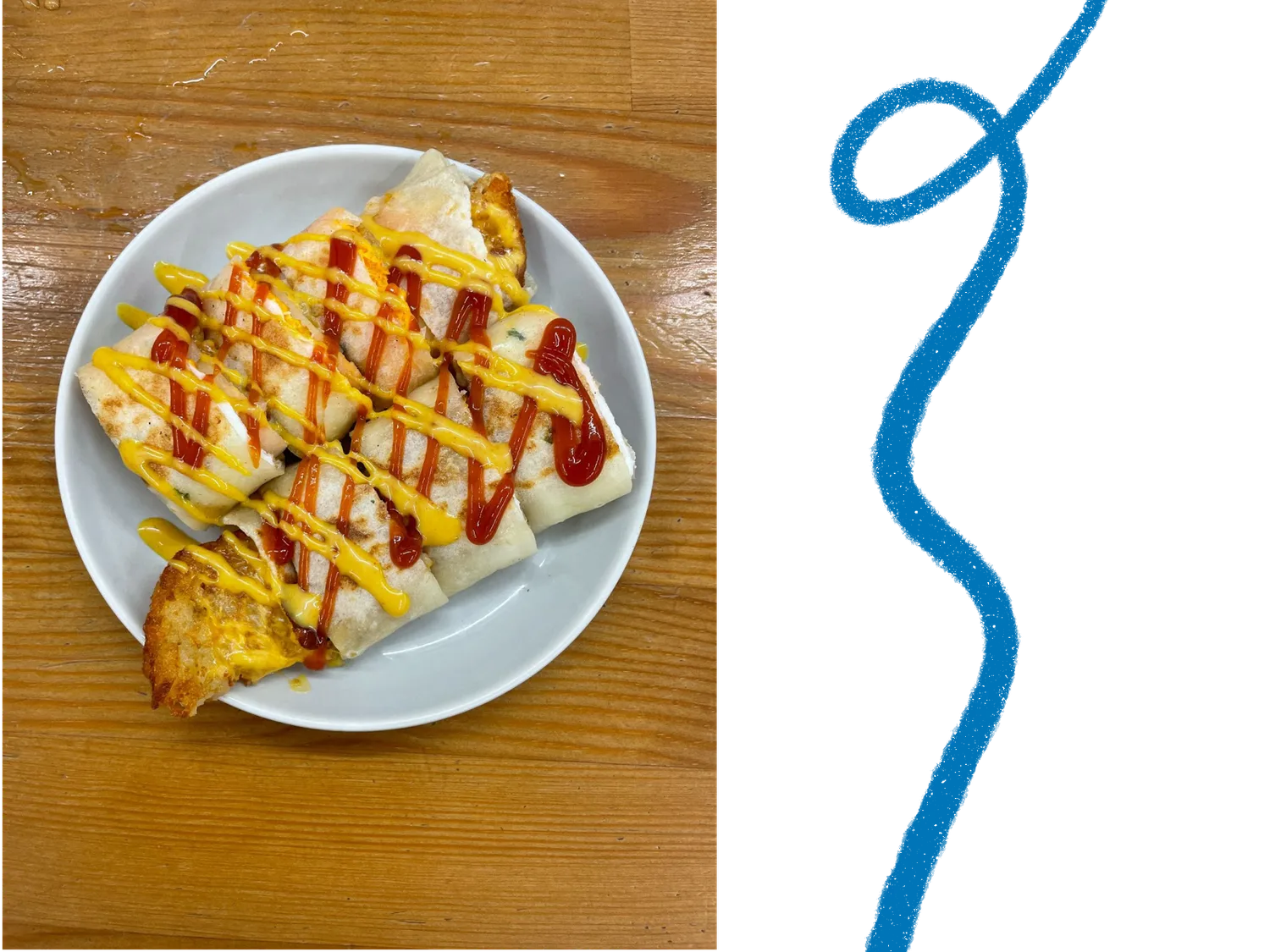
“They call it an omelet, I call it a burrito.”
“Only if life was as ordered as these motorcycles.”
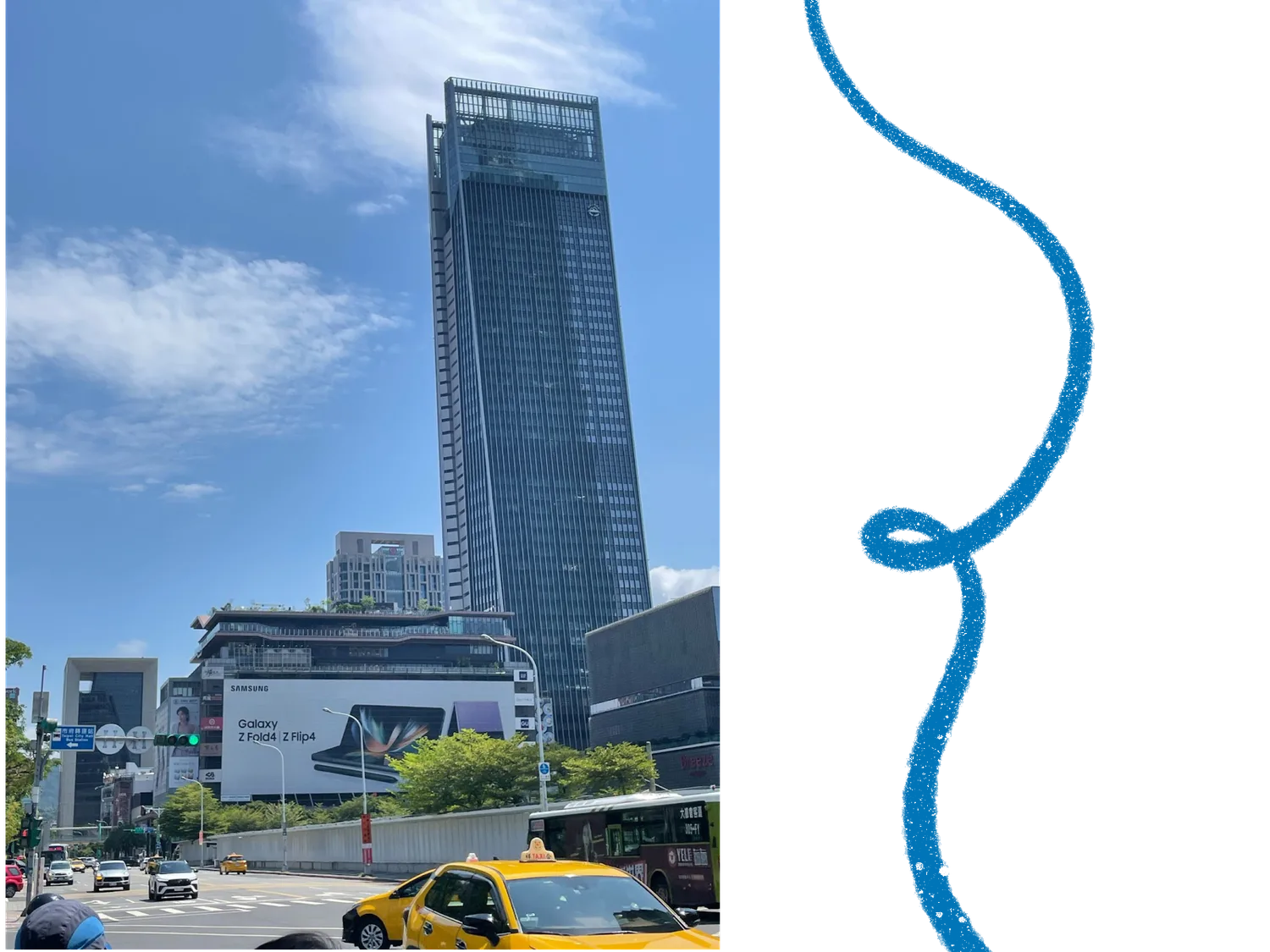
“I see you, Samsung.” here it’s boba with milk tea,
at home we call it milk tea with boba
at home we call it milk tea with boba
Nonfiction
Bringing the Bush to You
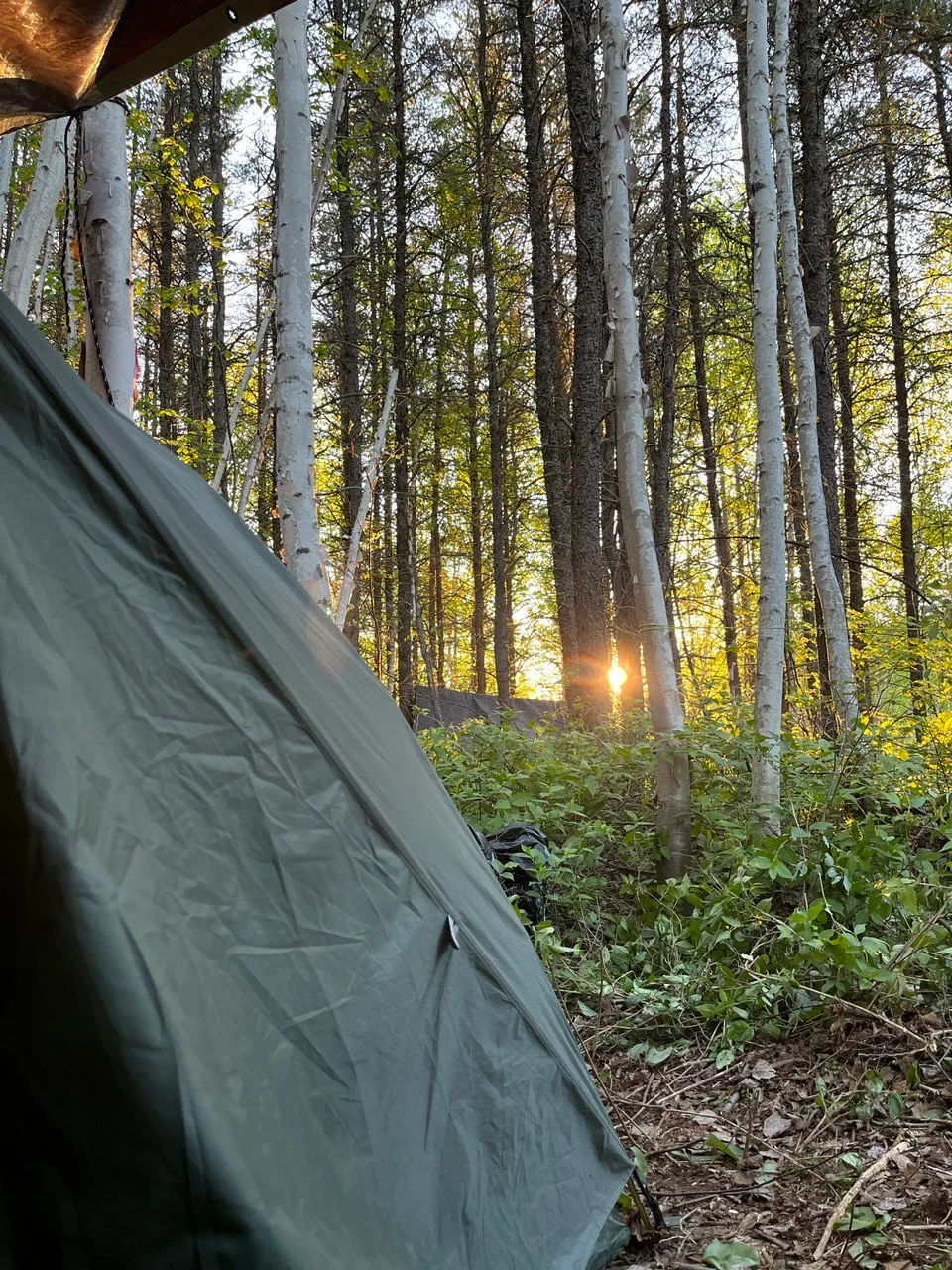
Each summer, small towns around Canada are terrorized by truckloads of college students and hippies who share one common goal: plant as many trees as they possibly can. We invite you to take a glimpse into the culture we called home for four months of the summer - the feelings we felt, the stories we earned and the lessons we learnt.
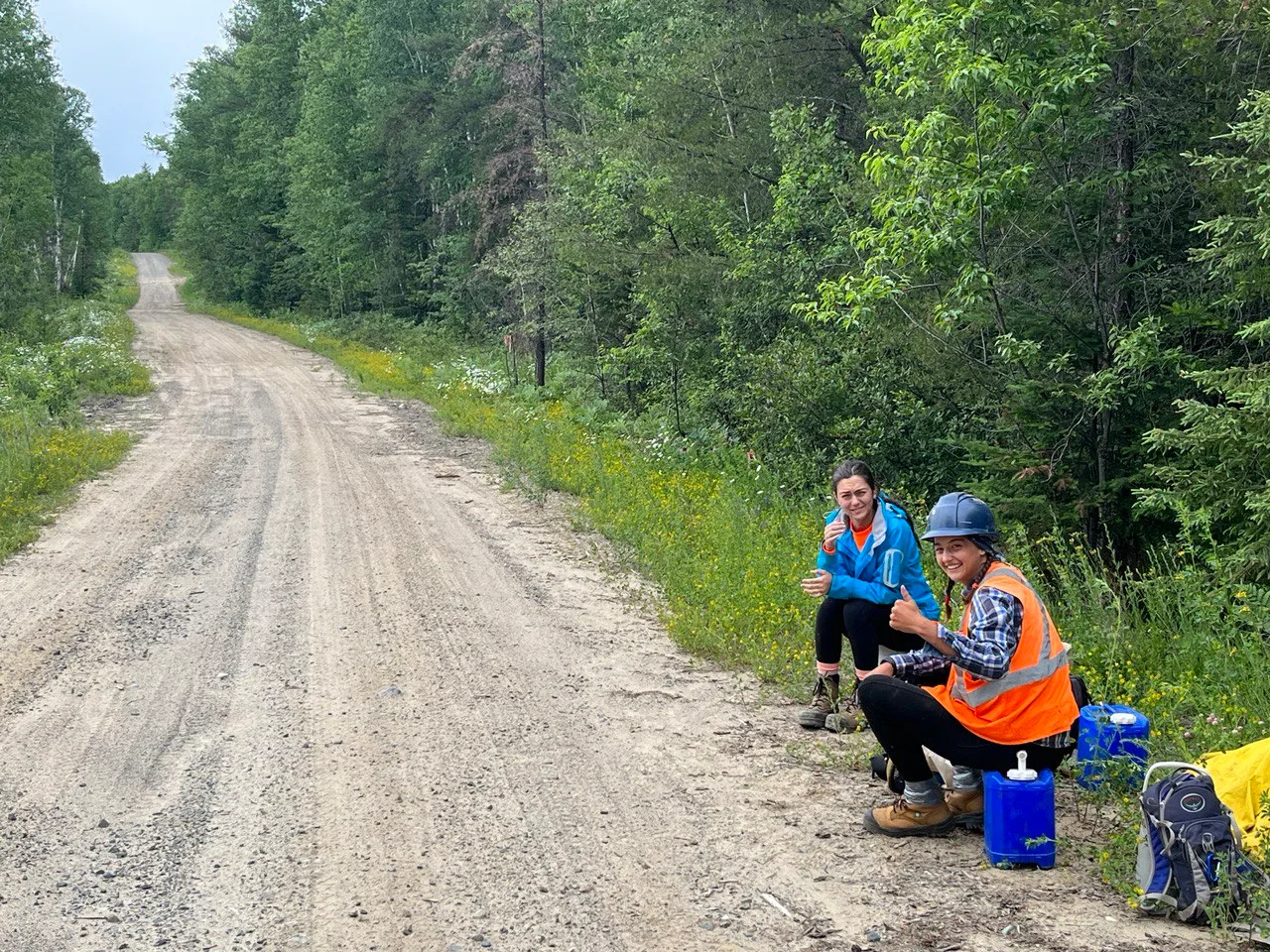
When you start your rookie season, vets will overwhelm you with advice. What to eat, what to wear, what music to play. You’ll try to mimic the highballers who strut around camp. Tape your fingers, braid your hair, and don’t eat bacon for breakfast. Every second of your day is crafted with that number in mind until you’re face to face with an empty piece, bags heavy with trees.
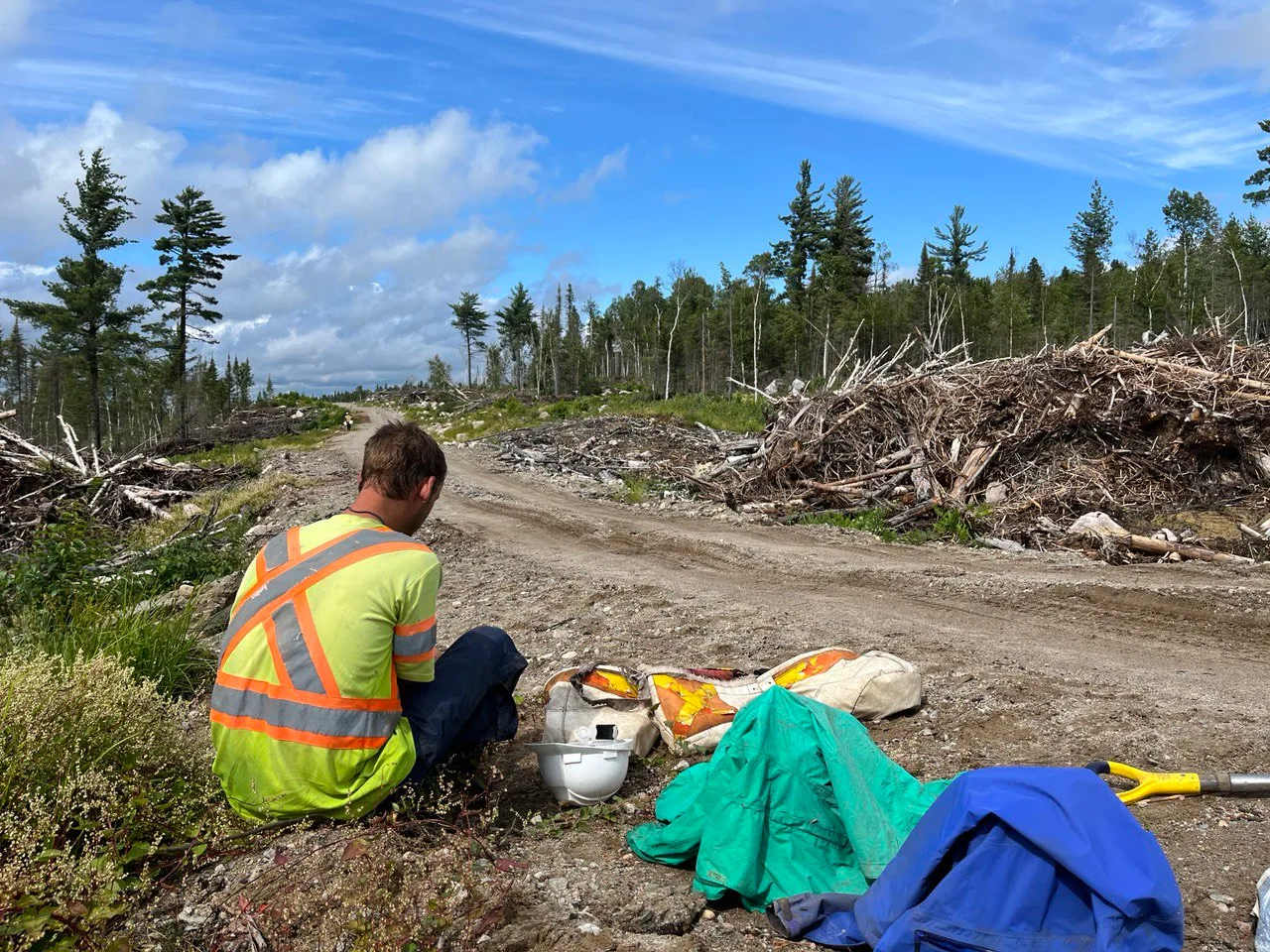
Then, the bus pulls away. You start each day tired, bruised, and ready, with nothing but the shovel in your hand and the number in your head. Ahead of you are ten hours and a few hectares of clear-cut forest.
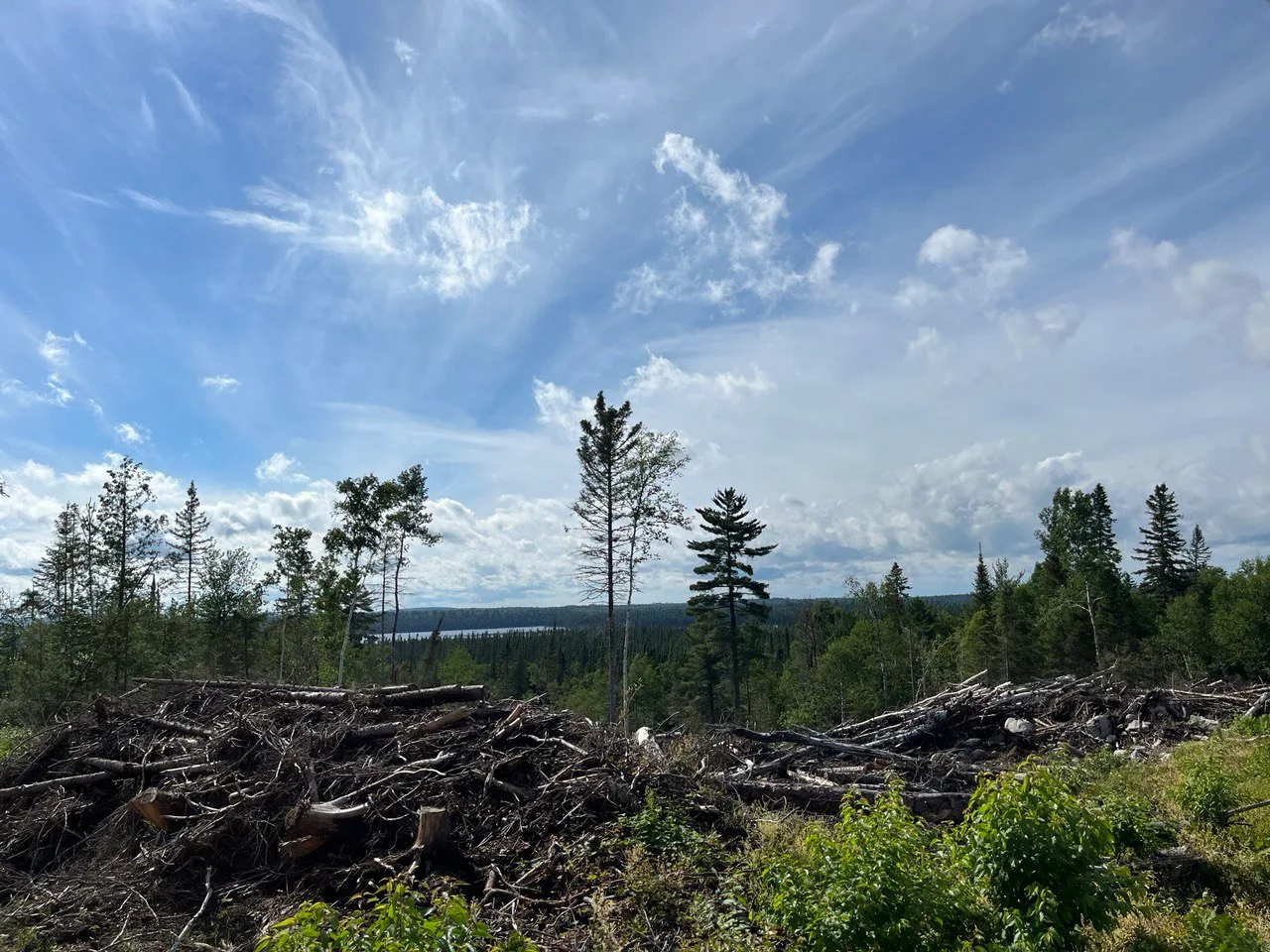
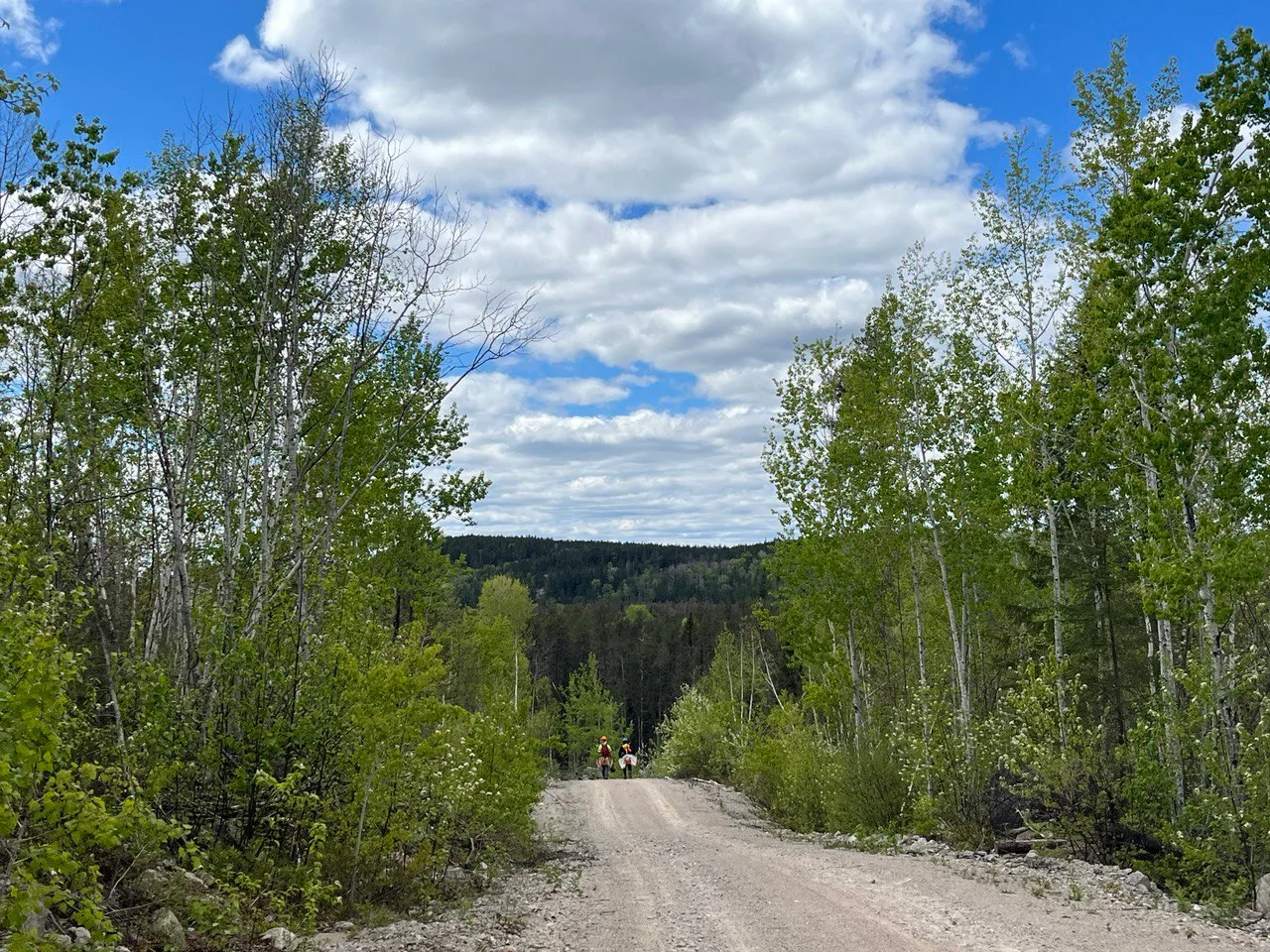
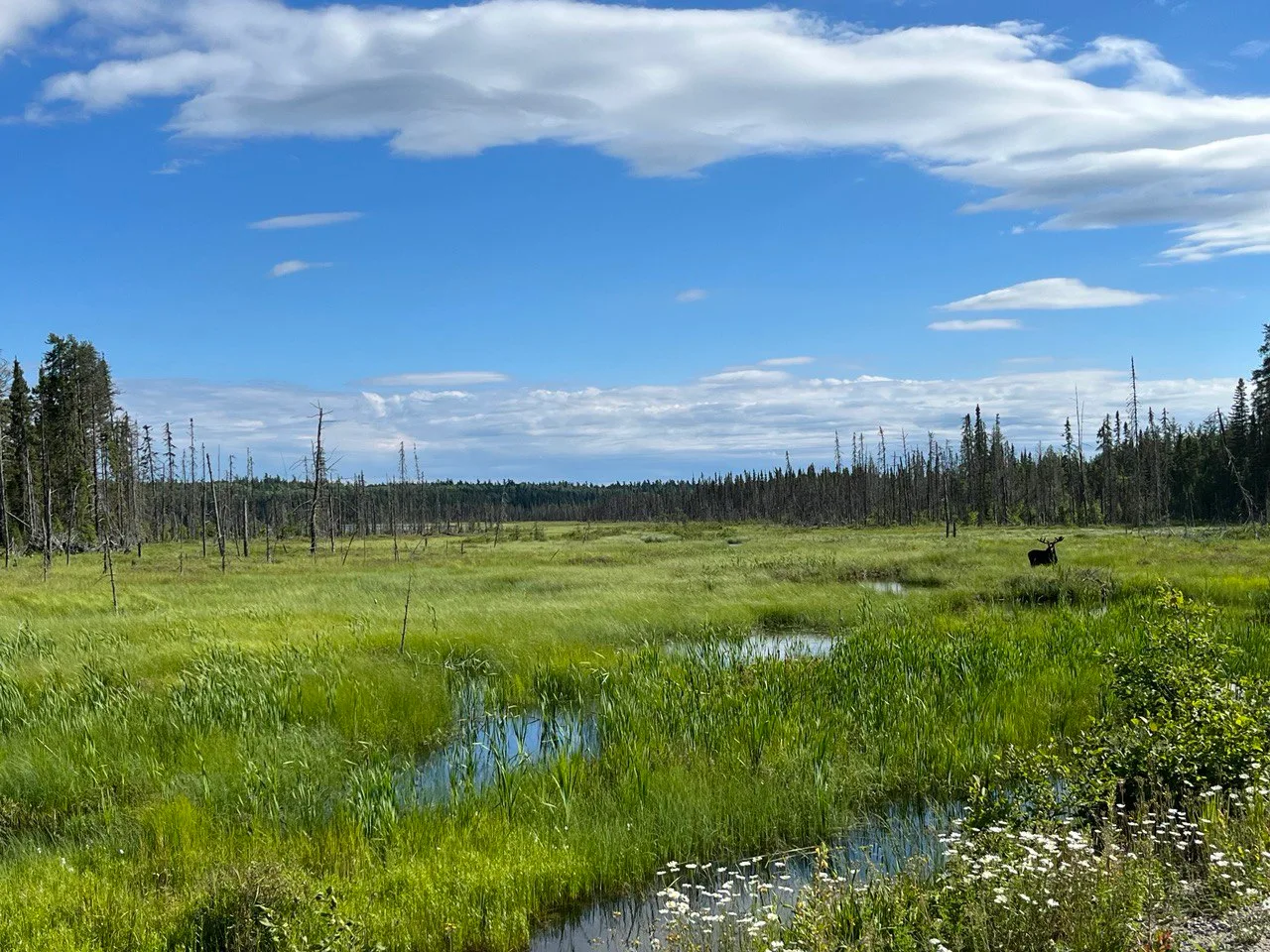
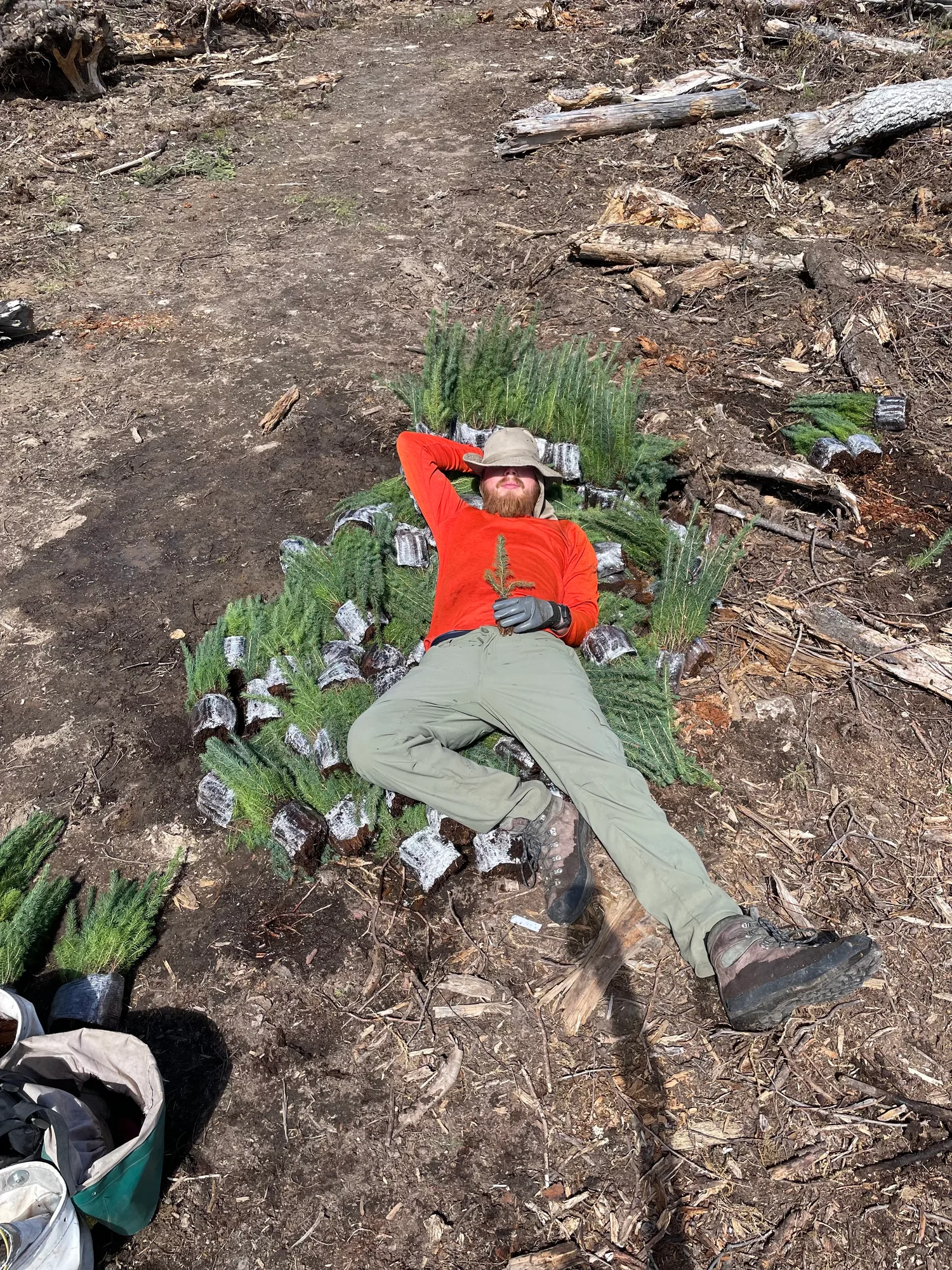
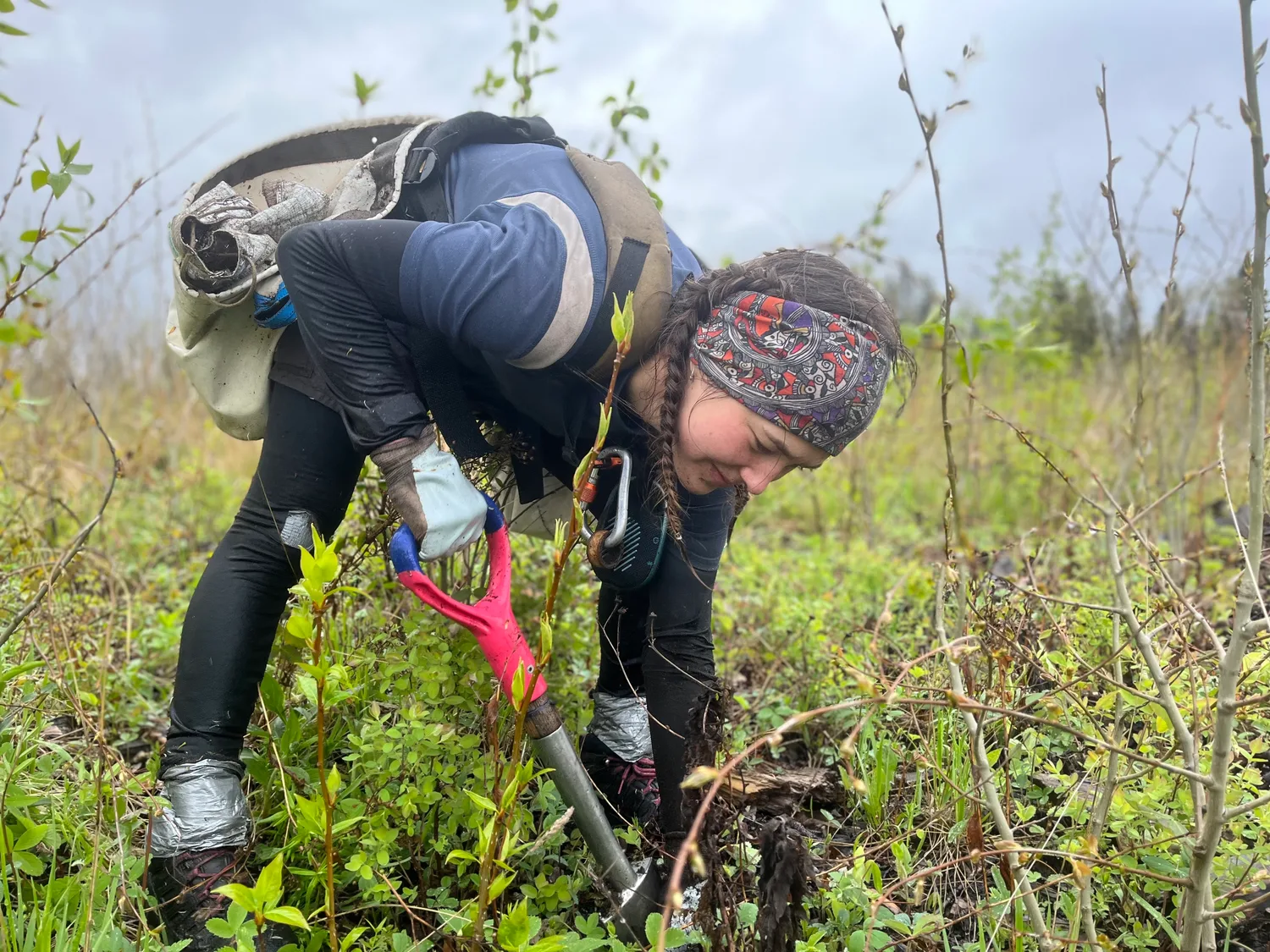
There is no use in stopping, thinking, and rationalising the rows of empty trenches ahead of you. Nothing you do will scare away the bugs, dry your boots, or heal your wrist. You either throw your shovel into the ground, or you don’t. You either take another step, or you collapse. You have ten hours, and you fill them with choices.
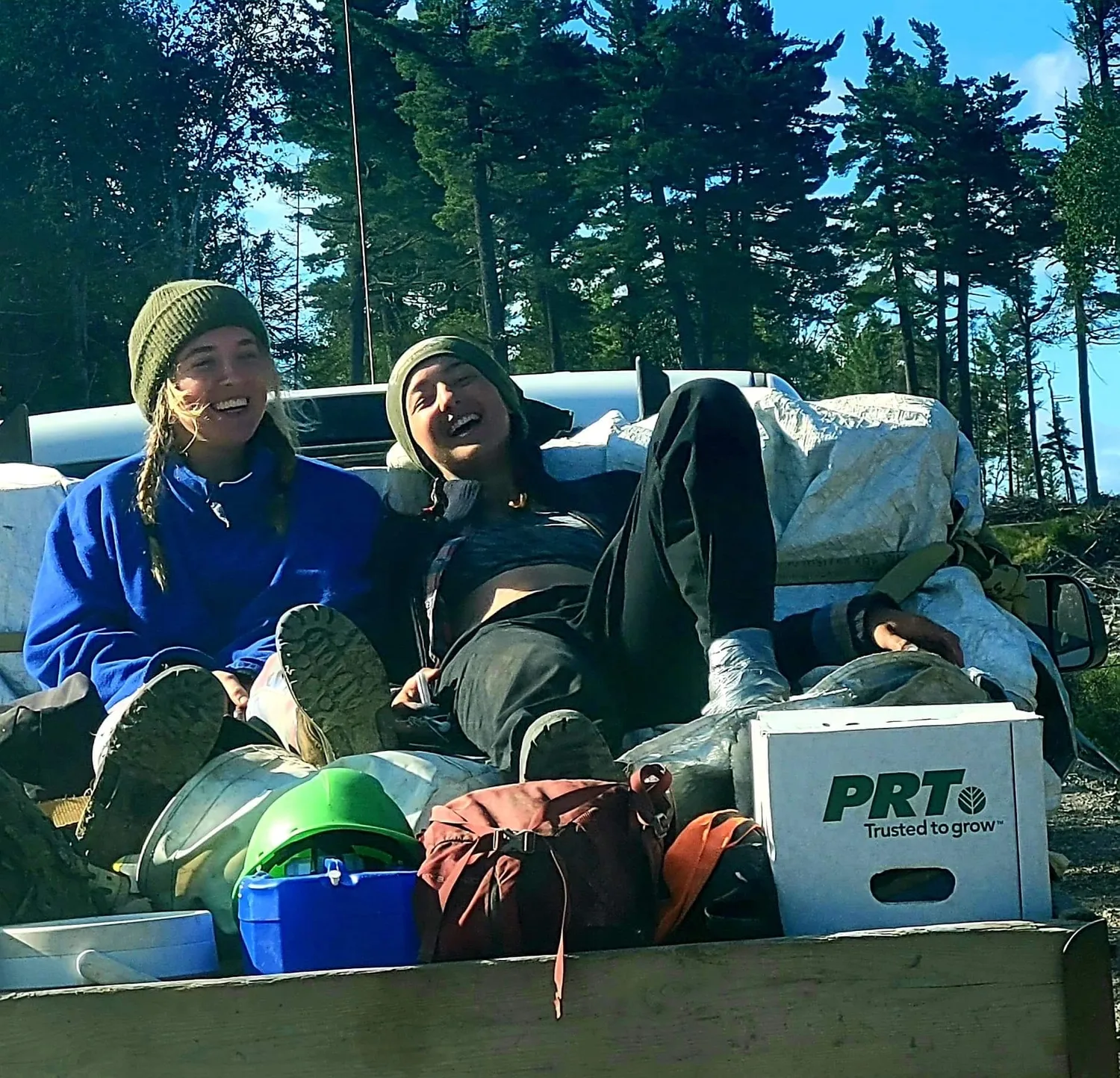
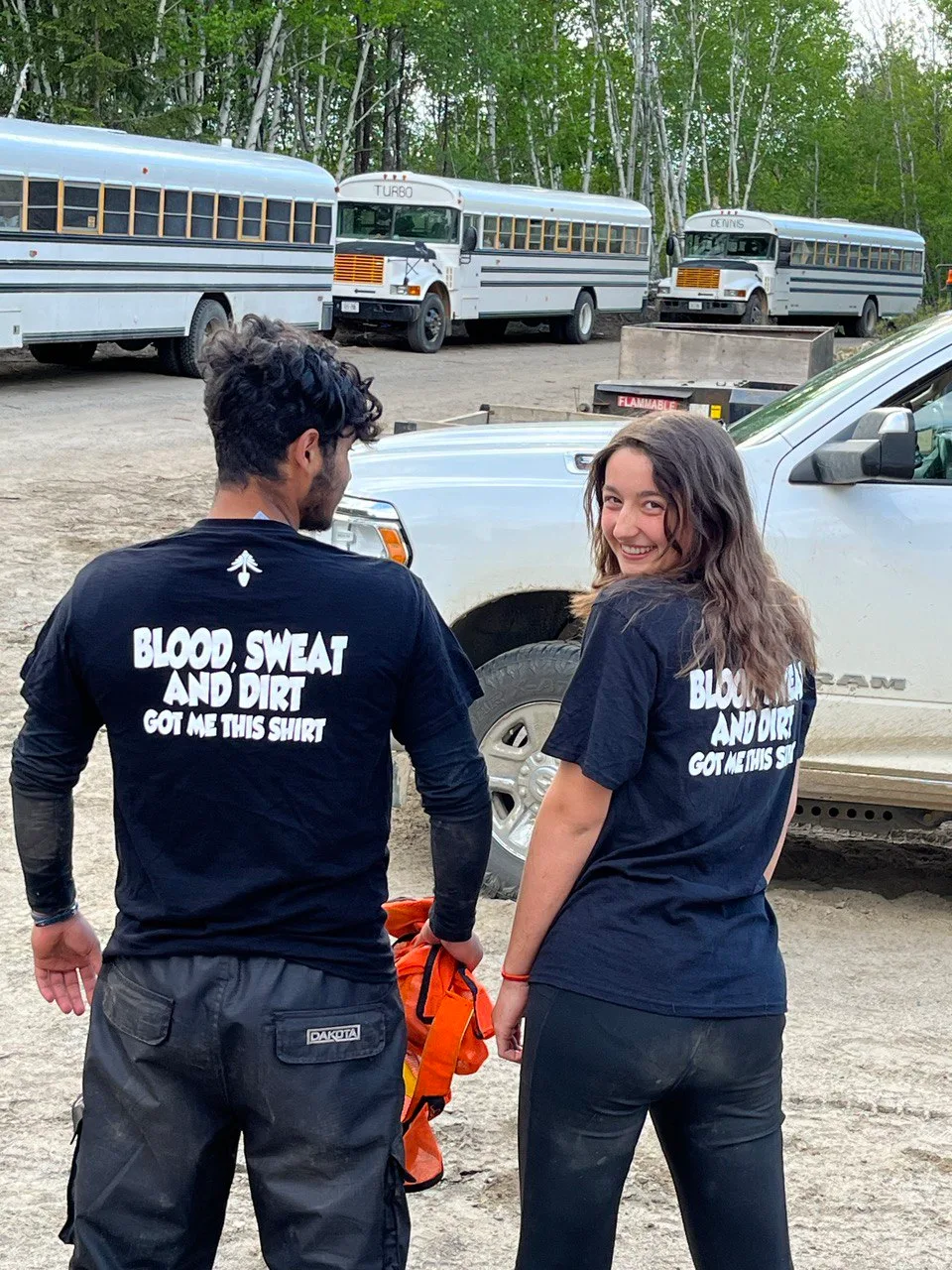
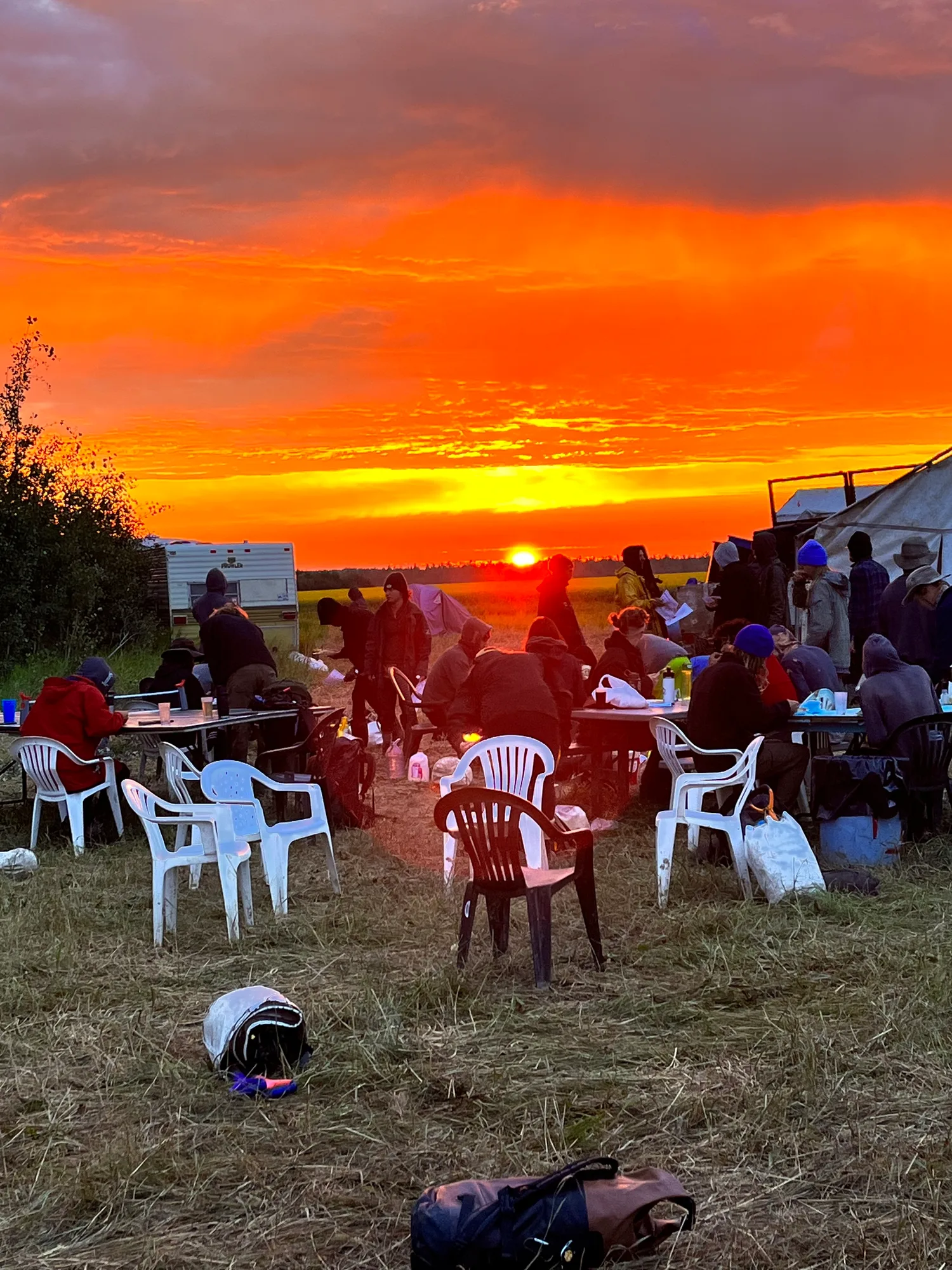
Each day you start with a number in your head, and you end with one in your book. Whether those two numbers are the same shouldn’t matter. Not really. The sun will keep setting, the jack-pines will keep growing, and the cook will have dinner waiting when you get back.
But you’ll know. If you hit your number, your body will ache as you crawl back into your sleeping bag and you’ll crumple at the thought of planting another tree. But, for a reason that you can’t quite explain, it feels good. The kind of good that makes you forget, for a second, that the rest of the world exists.
And if you aren’t happy with your number? Try again tomorrow.
From the Duster (Evan)
Three days in
And body sore
Aching limb to limb
Your only consolation is:
Night off
So work hard today
Until the fun begins
It’s arrived
Your sweet freedom the block
A surge of waves a warm
Relief
No more silence
No more thought
The camp is our second home now
One we will miss a lot.
So we party til the sun’s up
We dance the night away
Cause summer knows the truth
That here our hearts will stay
Because when the world starts turning
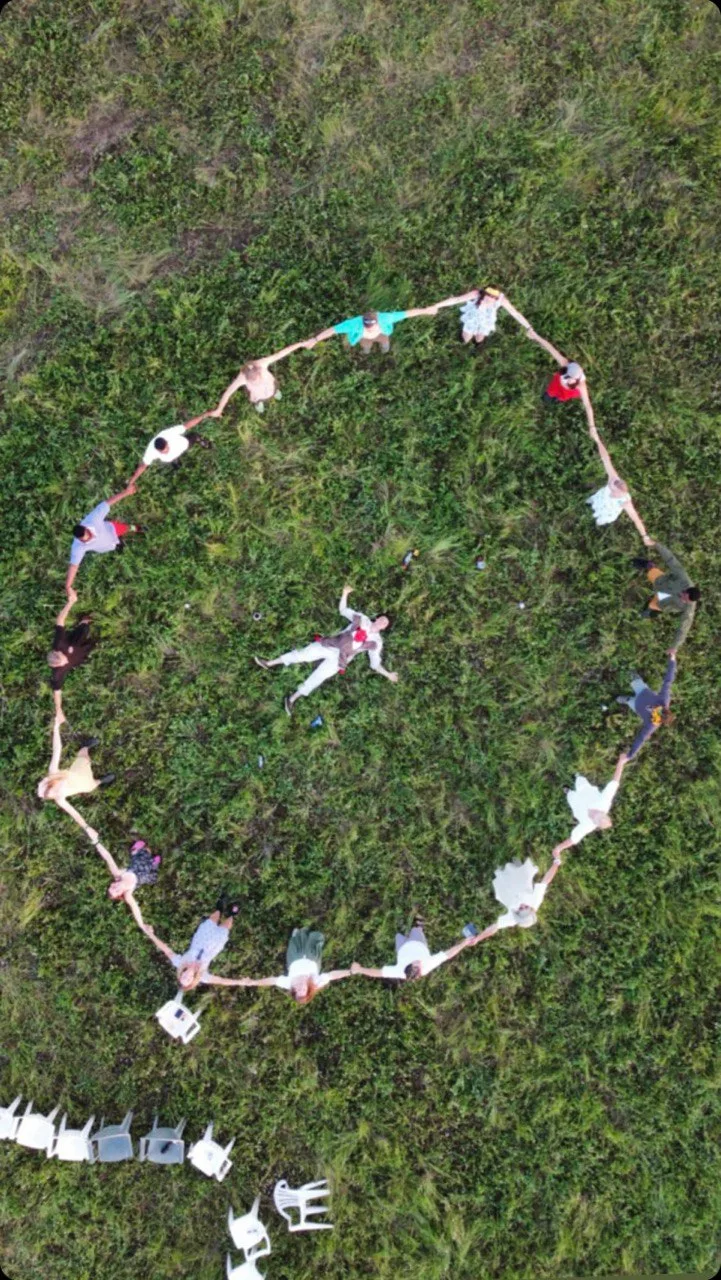
We won’t forget the people that we’ve crossed
Or the memories that we’ve made
 Midsommer
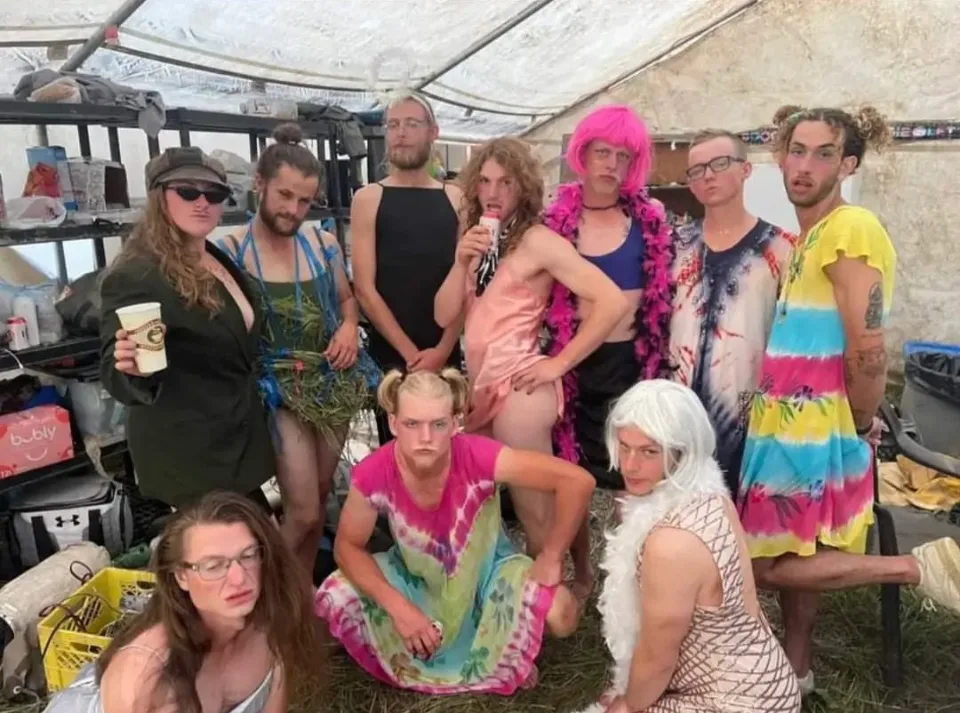 Drag Night
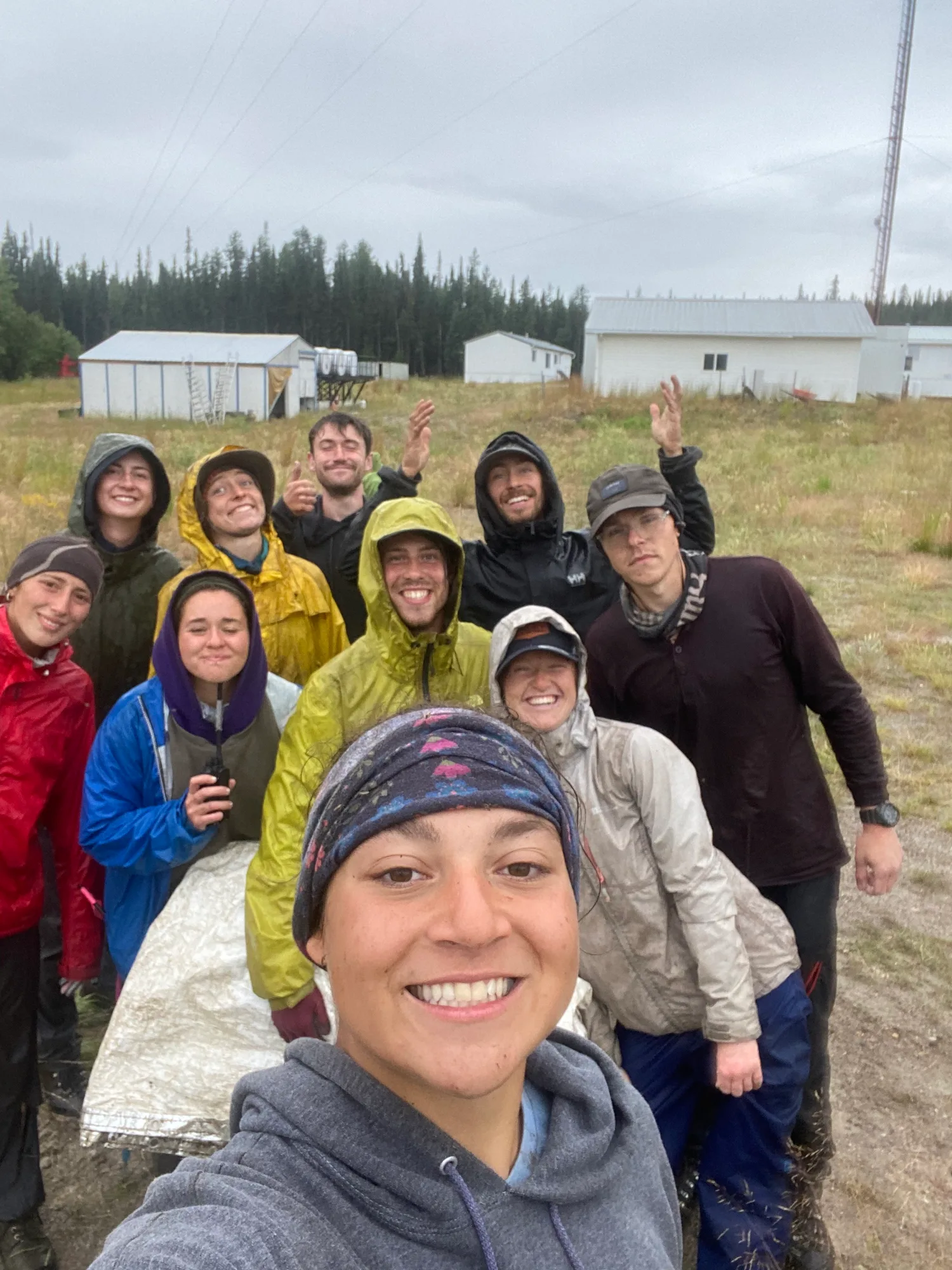 That day we survived a bear chase
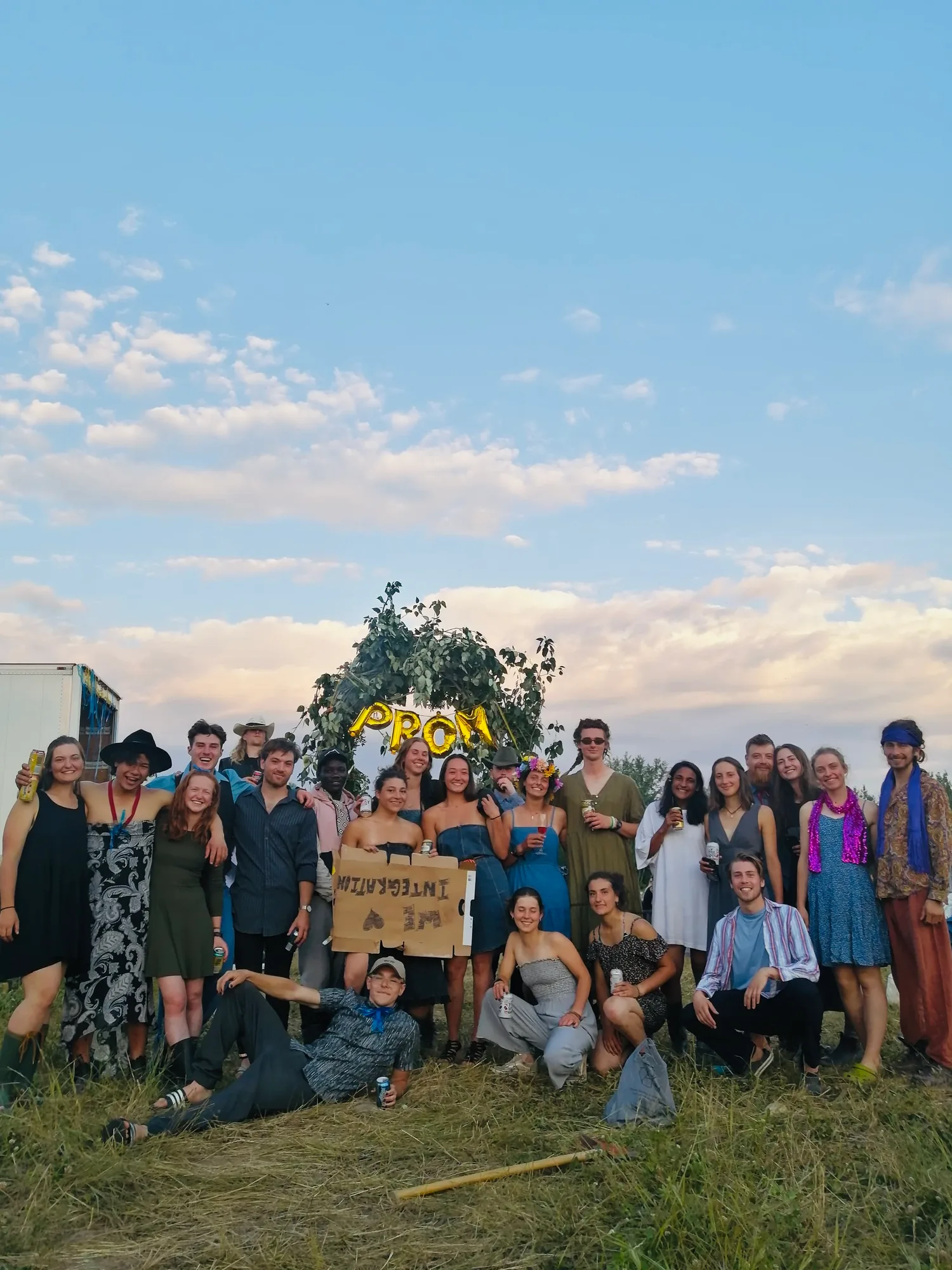 Bush Prom
Stories for another day:
1. Stops ATV. “Get In Loser, We’re Playing Fruit Ninja With Real Knives”.
2. The Inspectors Pay Us An Unexpected Visit On Naked Plant Day
3. No, You Can't Drive Your Car Into The Mess Tent And Make It A Rave Tent, I Don't Care If It Was Allowed Last Year
4. That we all Witnessed A German Transvestite Lap Dance Sesh
5. BUuurRRrrpPPpp! “The Maple Syrup was a GoOd iDeA…”
Planting playlist:
A collection of songs that were classics around camp and some that just have tree-planting vibes.
From the Watershed (Lydia)
You start each day with a number in your head.
You wake up sore. Your knees protest the simplest of movements and your knuckles split as they bend. The only part of you that doesn’t ache is your feet: numb with Christmas toe. Your tent floor is a blanket of dirt, and the air lingers with a smell you’ve long gone blind to.
Your number arrives. It floats behind your eyes as you pull on your shredded leggings and busted boots. Stumbling through camp to the kitchen trailer, you feel your number follow you.
You start each day with a number in your head.
You wake up sore. Your knees protest the simplest of movements and your knuckles split as they bend. The only part of you that doesn’t ache is your feet: numb with Christmas toe. Your tent floor is a blanket of dirt, and the air lingers with a smell you’ve long gone blind to.
Your number arrives. It floats behind your eyes as you pull on your shredded leggings and busted boots. Stumbling through camp to the kitchen trailer, you feel your number follow you.
Coffee poured. Lunch packed. Water jug filled. The last of your tiredness is shaken off as the bus jumps and lurches down the bush roads. You start to feel awake, the edges of your mind coming into focus around your number.
It doesn’t matter what your number is, as long as it sounds like success and feels like hell.
It doesn’t matter what your number is, as long as it sounds like success and feels like hell.
When you start your rookie season, vets will overwhelm you with advice. What to eat, what to wear, what music to play. You’ll try to mimic the highballers who strut around camp. Tape your fingers, braid your hair, and don’t eat bacon for breakfast. Every second of your day is crafted with that number in mind until you’re face to face with an empty piece, bags heavy with trees.
Then, the bus pulls away. You start each day tired, bruised, and ready, with nothing but the shovel in your hand and the number in your head. Ahead of you are ten hours and a few hectares of clear-cut forest.
The freedom is dizzying; trees tower over you in every direction. You can scream, spit, piss, dance, sing, and run naked into the lake. You can and will cry, sweat, trip, and think about giving up with every second. Piles of Slash will claw at you with each step; tearing your leggings, brutalizing your knuckles, and crushing your knees.
The hours stretch on and your number moves away from you like a mirage. You lose two hours replanting j-roots, one hour waiting for more trees to be delivered. Horse flies, black flies, and deer flies swarm your face with each breath. Shit. Your shovel hits a rock and a current of pain shoots through your wrist.
Standing in your piece, shovel in your hand, you tell yourself there must be a better way to do this. You’re doing everything you can. You can explain it all to your crewboss at the end of the day: you’d plant more trees if you had the right boots, the right land, the right weather.
Any highballer will tell you, there’s one and only one way to plant more trees:
Plant more trees.
There is no use in stopping, thinking, and rationalising the rows of empty trenches ahead of you. Nothing you do will scare away the bugs, dry your boots, or heal your wrist. You either throw your shovel into the ground, or you don’t. You either take another step, or you collapse. You have ten hours, and you fill them with choices.
Each day you start with a number in your head, and you end with one in your book. Whether those two numbers are the same shouldn’t matter. Not really. The sun will keep setting, the jack-pines will keep growing, and the cook will have dinner waiting when you get back.
But you’ll know. If you hit your number, your body will ache as you crawl back into your sleeping bag and you’ll crumple at the thought of planting another tree. But, for a reason that you can’t quite explain, it feels good. The kind of good that makes you forget, for a second, that the rest of the world exists.
And if you aren’t happy with your number? Try again tomorrow.
From the Duster (Evan)
Three days in
And body sore
Aching limb to limb
Your only consolation is:
Night off
So work hard today
Until the fun begins
Rocking rhythm
Hips swaying
Arms popping
Feet boogie to the beat
Hips swaying
Arms popping
Feet boogie to the beat
It’s arrived
Your sweet freedom the block
A surge of waves a warm
Relief
No more silence
No more thought
The camp is our second home now
One we will miss a lot.
So we party til the sun’s up
We dance the night away
Cause summer knows the truth
That here our hearts will stay
Because when the world starts turning
And the summer sky begins to fade
We won’t forget the people that we’ve crossed
Or the memories that we’ve made
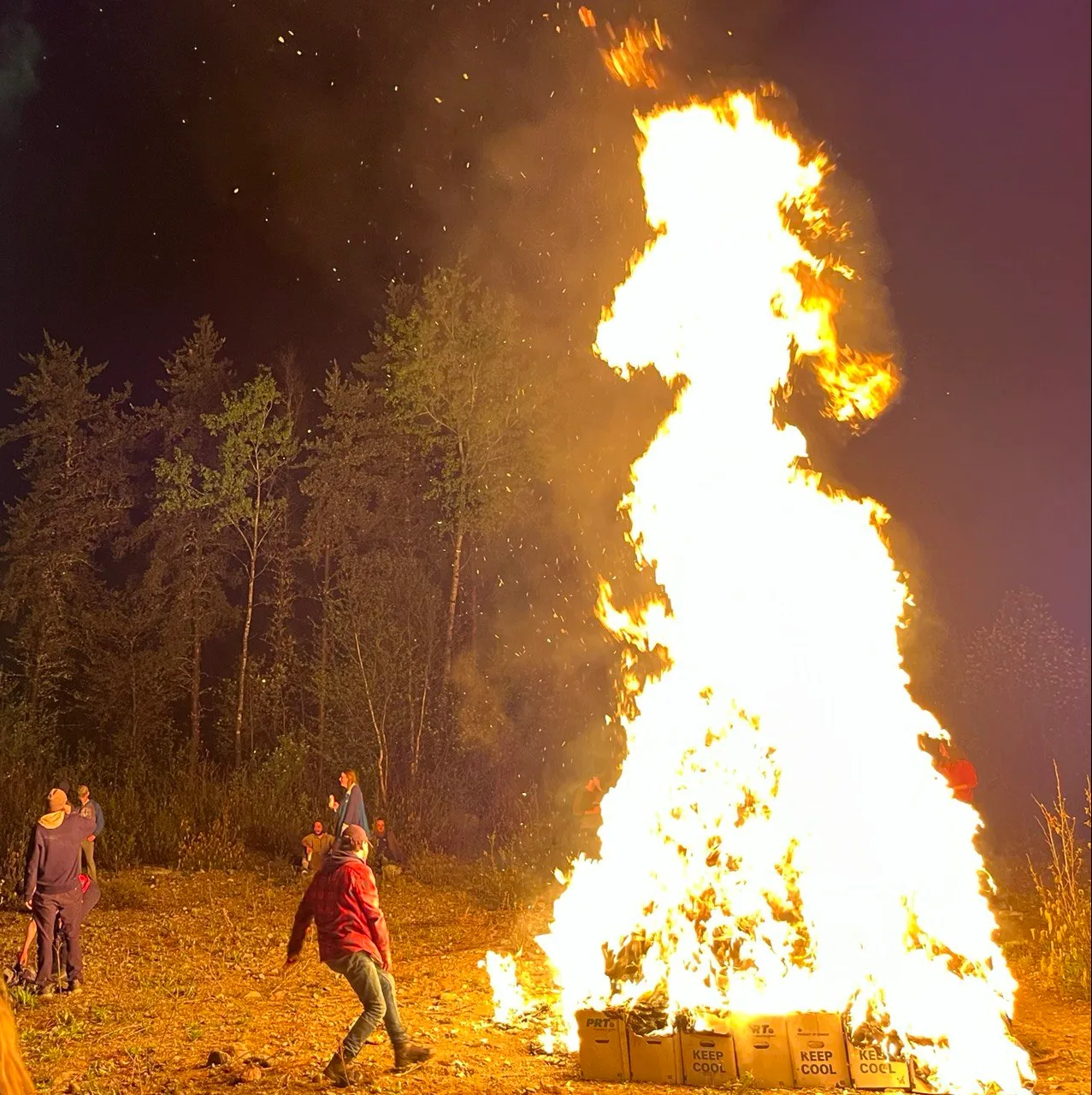
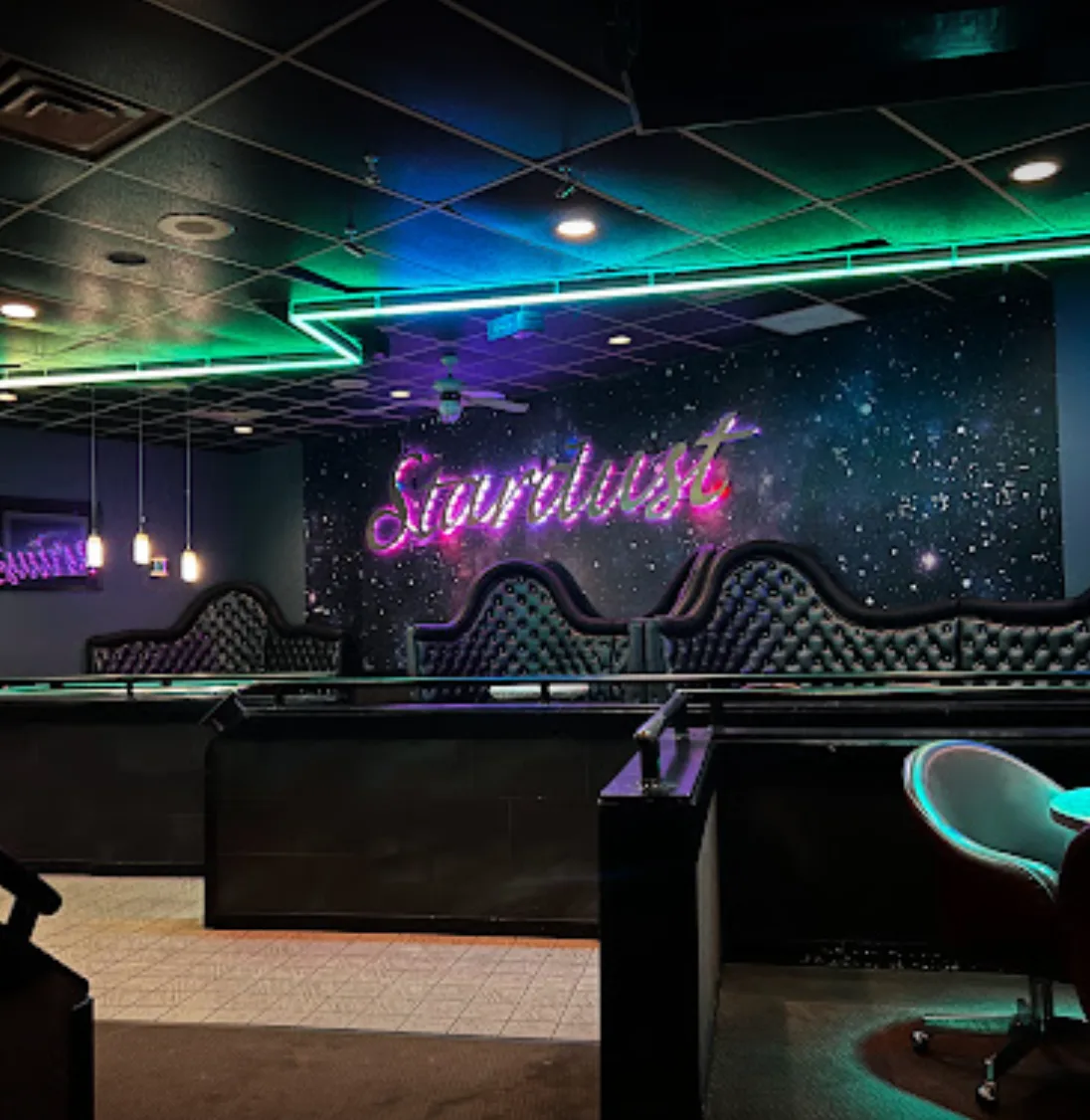
Midsommer Drag NightThat day we survived a bear chaseBush PromStories for another day:
1. Stops ATV. “Get In Loser, We’re Playing Fruit Ninja With Real Knives”.
2. The Inspectors Pay Us An Unexpected Visit On Naked Plant Day
3. No, You Can't Drive Your Car Into The Mess Tent And Make It A Rave Tent, I Don't Care If It Was Allowed Last Year
4. That we all Witnessed A German Transvestite Lap Dance Sesh
5. BUuurRRrrpPPpp! “The Maple Syrup was a GoOd iDeA…”
Planting playlist:
A collection of songs that were classics around camp and some that just have tree-planting vibes.
Poetry
Take Me Back to Wetlands
Take me back to the river,
where our weightless bodies flowed with the current.
Take me back to the lake,
where we dove to the bottom and swam in the reeds.
Take me back to the swamp,
where the trees rose from the muck, their roots reaching wide, tripping our toes.
They wanted us to stay a minute longer, to look where feet land,
because looking is so much more than seeing.
Magic happens when you stop, examine—
a civilization among nature, a world, masked from those who simply see.
The trees recycle our carbon enemy,
but some underwater weeds can do that even better.
The plants down here work just as hard as the trees,
but because unseen, they become unknown.
Processing heavy metals we humans dump into them.
Protecting their friends from these destroyers of biodiversity.
These plants keep the water fresh for friends that live here,
and provide habitats with food for unique creatures found nowhere else.
Where invertebrates prosper, life can be found.
Feeding the birds that soar, perch, and strut, nipping bugs that emerge from the water.
Those birds, in turn, support the life of a fox, a snake,
or fungi—those magical decomposers.
Along the way, we lost sight of protecting the lands needed to survive.
Humans have choked the land with their cement.
They pump the water away for “more important” matters.
Infrastructure grows too quickly,
in a grand competition for the best place to live.
When the rains are strong, city streets flood with water.
Waters that sweep away everything it reaches.
The destruction is massive,
and humans search for measures to preserve their homes.
But the best solution is the one they got rid of.
The wetlands that have absorbed excess water for thousands of years.
The wetlands that trap our carbon emissions.
The wetlands that allow life to prosper like nowhere else.
They are now few and far between.
Take me back to the pond,
where we watched the fish swim lazily in a weightless paradise under the sun.
Take me back to the stream,
that gurgled past the blooming wildflowers along the bank.
Take me back, take me back,
when wetlands were abundant and the land was still alive.
where our weightless bodies flowed with the current.
Take me back to the lake,
where we dove to the bottom and swam in the reeds.
Take me back to the swamp,
where the trees rose from the muck, their roots reaching wide, tripping our toes.
They wanted us to stay a minute longer, to look where feet land,
because looking is so much more than seeing.
Magic happens when you stop, examine—
a civilization among nature, a world, masked from those who simply see.
The trees recycle our carbon enemy,
but some underwater weeds can do that even better.
The plants down here work just as hard as the trees,
but because unseen, they become unknown.
Processing heavy metals we humans dump into them.
Protecting their friends from these destroyers of biodiversity.
These plants keep the water fresh for friends that live here,
and provide habitats with food for unique creatures found nowhere else.
Where invertebrates prosper, life can be found.
Feeding the birds that soar, perch, and strut, nipping bugs that emerge from the water.
Those birds, in turn, support the life of a fox, a snake,
or fungi—those magical decomposers.
Along the way, we lost sight of protecting the lands needed to survive.
Humans have choked the land with their cement.
They pump the water away for “more important” matters.
Infrastructure grows too quickly,
in a grand competition for the best place to live.
When the rains are strong, city streets flood with water.
Waters that sweep away everything it reaches.
The destruction is massive,
and humans search for measures to preserve their homes.
But the best solution is the one they got rid of.
The wetlands that have absorbed excess water for thousands of years.
The wetlands that trap our carbon emissions.
The wetlands that allow life to prosper like nowhere else.
They are now few and far between.
Take me back to the pond,
where we watched the fish swim lazily in a weightless paradise under the sun.
Take me back to the stream,
that gurgled past the blooming wildflowers along the bank.
Take me back, take me back,
when wetlands were abundant and the land was still alive.