Introduction
Foreword
Season’s greetings, readers,
I was watching Gilmore Girls on a casual evening in October. I took a photo of the iconic opening credits, with the title backdropped against fierily reddish and rustically orange leaves, on the TV in my apartment and posted it on my Instagram story. Someone replied to my story, “Ahh perfect timing!!! Fall = GG <3” I agreed — Gilmore Girls and all the comfort it brings does make for a perfect show in a season where nature is transitioning to rest.
Except Spring had just begun for me here in Buenos Aires. I was shedding layers and storing my duffel jacket away. I would soon walk under trees where lilac overtook the green and on pavements carpeted by lilac showers; lilac clouds on tree branches—impressionists’ envy.
But in my head, it’s still Fall. Everything happening still uses Fall as the temporal identifier. The Fall issue. The Fall schedule. The Fall events. The color palettes in Buenos Aires clearly disagreed.
But perhaps there might be a reason why things still felt so Fall even in Spring. The imageries might be different, but some of the connotations continued to manifest in our experiences regardless of which side of the globe we were on. Fall as a season of transition. Fall as abundance. Fall as the feeling of nostalgia.
Being at Minerva in the Fall is equivalent to entering a season of transition. For first-years, it was the first time some of you left home to live with strangers (who turned friends very quickly!) and almost everything was a fresh (and sometimes scary) experience. For second-years, finally being able to take classes in your major must have been exciting, especially on top of moving to a different country after a year in San Francisco. For third-years, what are you doing for Capstone? For fourth-years, the penultimate semester added more urgency to figuring out your life in and after Minerva.
This idea of living through a period of transformation shows in this collection. There is also a lot of questioning through transformation in this issue — rage, love, a long and enduring journey. There are expressions of warmth in finding people and connections that might take this transformation with you.
I will never stop feeling blessed to work with all the contributors as an Editorette-in-Chief at Napkins. Fall may look different depending on where we are, but we are all unspokenly united by similar sentiments. And that is so pleasurable to experience during the curation process (especially for my love for a coherent string of narrative through pieces). Almost as pleasurable as watching Gilmore Girls after class.
I was watching Gilmore Girls on a casual evening in October. I took a photo of the iconic opening credits, with the title backdropped against fierily reddish and rustically orange leaves, on the TV in my apartment and posted it on my Instagram story. Someone replied to my story, “Ahh perfect timing!!! Fall = GG <3” I agreed — Gilmore Girls and all the comfort it brings does make for a perfect show in a season where nature is transitioning to rest.
Except Spring had just begun for me here in Buenos Aires. I was shedding layers and storing my duffel jacket away. I would soon walk under trees where lilac overtook the green and on pavements carpeted by lilac showers; lilac clouds on tree branches—impressionists’ envy.
But in my head, it’s still Fall. Everything happening still uses Fall as the temporal identifier. The Fall issue. The Fall schedule. The Fall events. The color palettes in Buenos Aires clearly disagreed.
But perhaps there might be a reason why things still felt so Fall even in Spring. The imageries might be different, but some of the connotations continued to manifest in our experiences regardless of which side of the globe we were on. Fall as a season of transition. Fall as abundance. Fall as the feeling of nostalgia.
Being at Minerva in the Fall is equivalent to entering a season of transition. For first-years, it was the first time some of you left home to live with strangers (who turned friends very quickly!) and almost everything was a fresh (and sometimes scary) experience. For second-years, finally being able to take classes in your major must have been exciting, especially on top of moving to a different country after a year in San Francisco. For third-years, what are you doing for Capstone? For fourth-years, the penultimate semester added more urgency to figuring out your life in and after Minerva.
This idea of living through a period of transformation shows in this collection. There is also a lot of questioning through transformation in this issue — rage, love, a long and enduring journey. There are expressions of warmth in finding people and connections that might take this transformation with you.
I will never stop feeling blessed to work with all the contributors as an Editorette-in-Chief at Napkins. Fall may look different depending on where we are, but we are all unspokenly united by similar sentiments. And that is so pleasurable to experience during the curation process (especially for my love for a coherent string of narrative through pieces). Almost as pleasurable as watching Gilmore Girls after class.
I smell snow,
Zhi Zhi & Dasha
Editorettes-in-Chief
Zhi Zhi & Dasha
Editorettes-in-Chief
Fiction
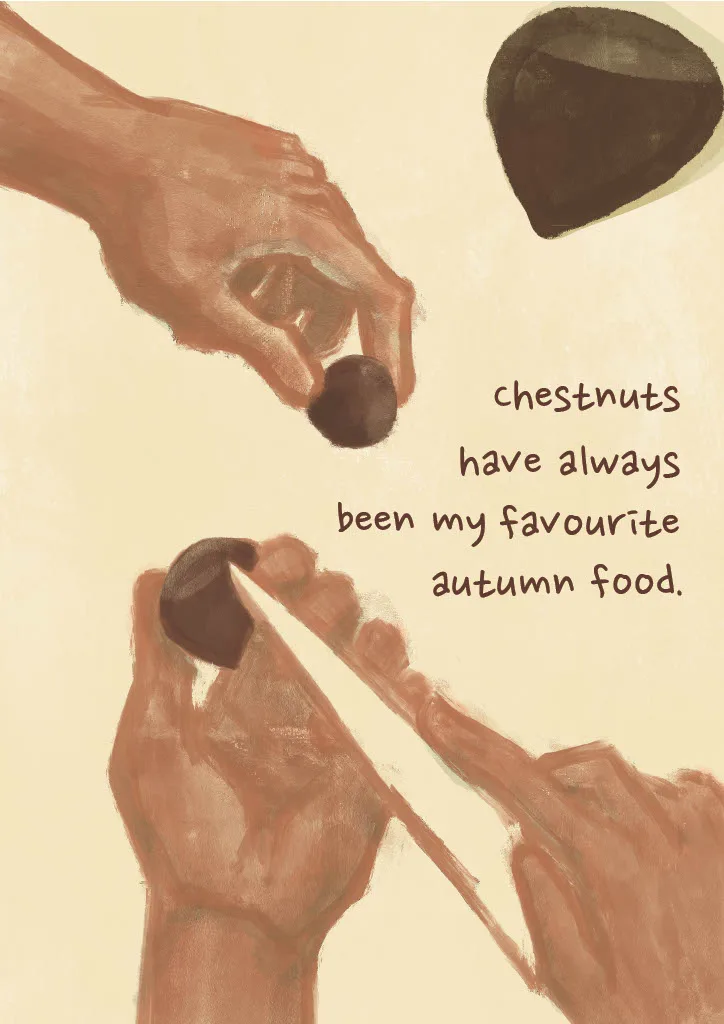
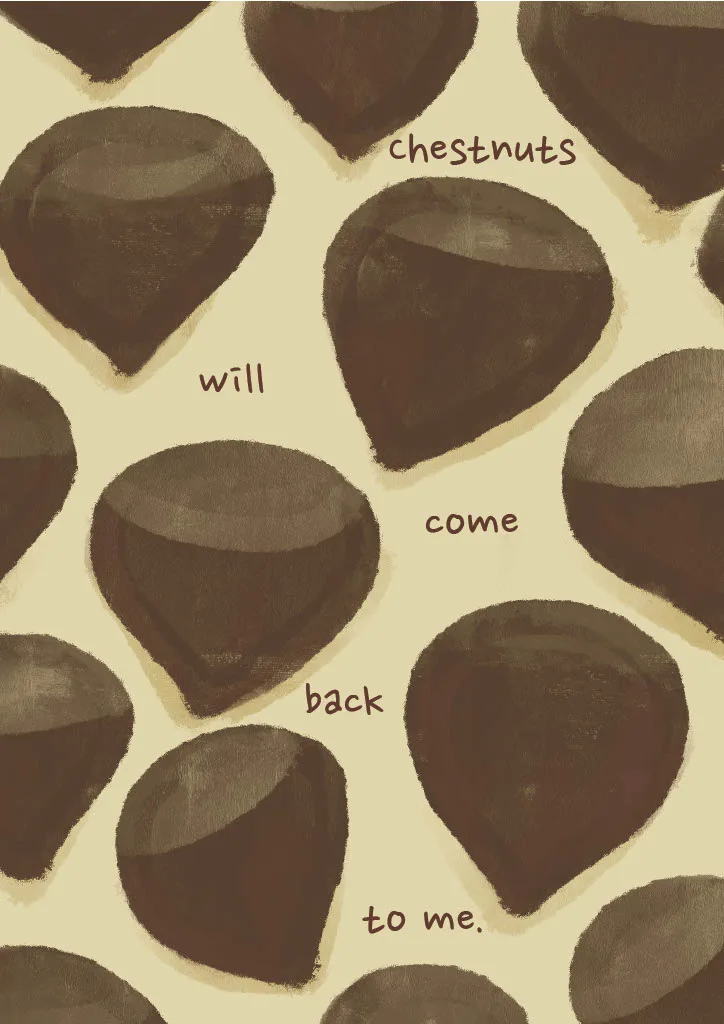
Chestnuts
Poetry
Kiss Me
First sign of spring
Spreading a saccharine mist that draws me outside
A striking metamorphosis
A trusted friend
Yesterday — deep, romantic and confident
Today — shy, changing and coy
Tomorrow —pure, elegant and unrelenting
Each more beautiful than before
Sweet perfume drifts through my window again
And I know that I am home
Traveler from the far west
As native as I to this arid land
Petals like painter's rags
As perilous as oil paint
Never to be tasted
Constant changing masterpiece
Spreading a saccharine mist that draws me outside
A striking metamorphosis
A trusted friend
Yesterday — deep, romantic and confident
Today — shy, changing and coy
Tomorrow —pure, elegant and unrelenting
Each more beautiful than before
Sweet perfume drifts through my window again
And I know that I am home
Traveler from the far west
As native as I to this arid land
Petals like painter's rags
As perilous as oil paint
Never to be tasted
Constant changing masterpiece
Photography
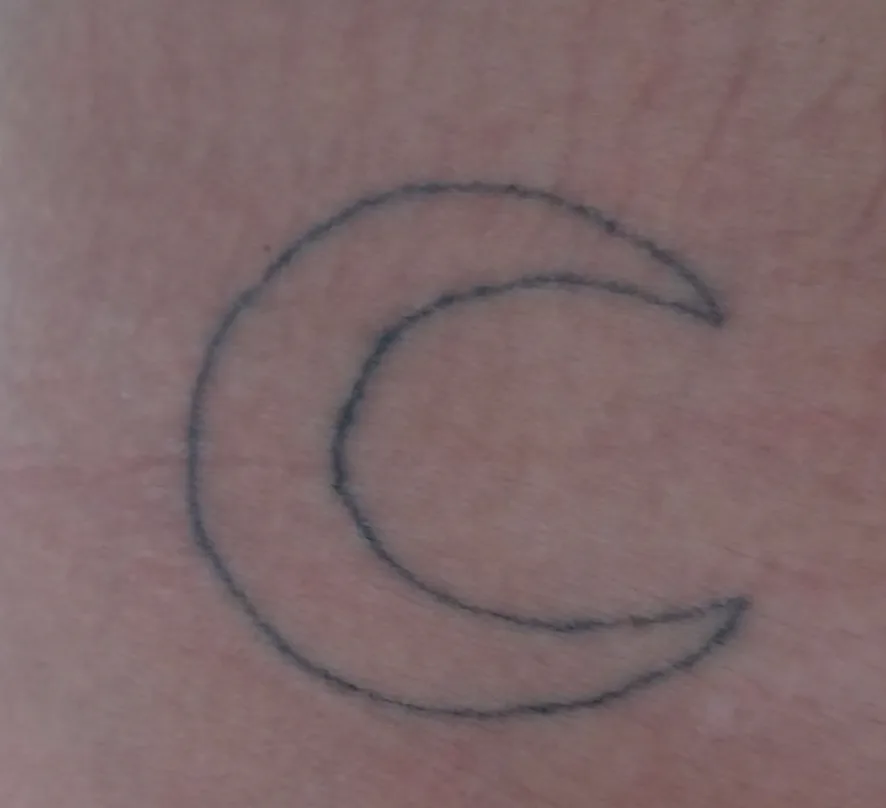
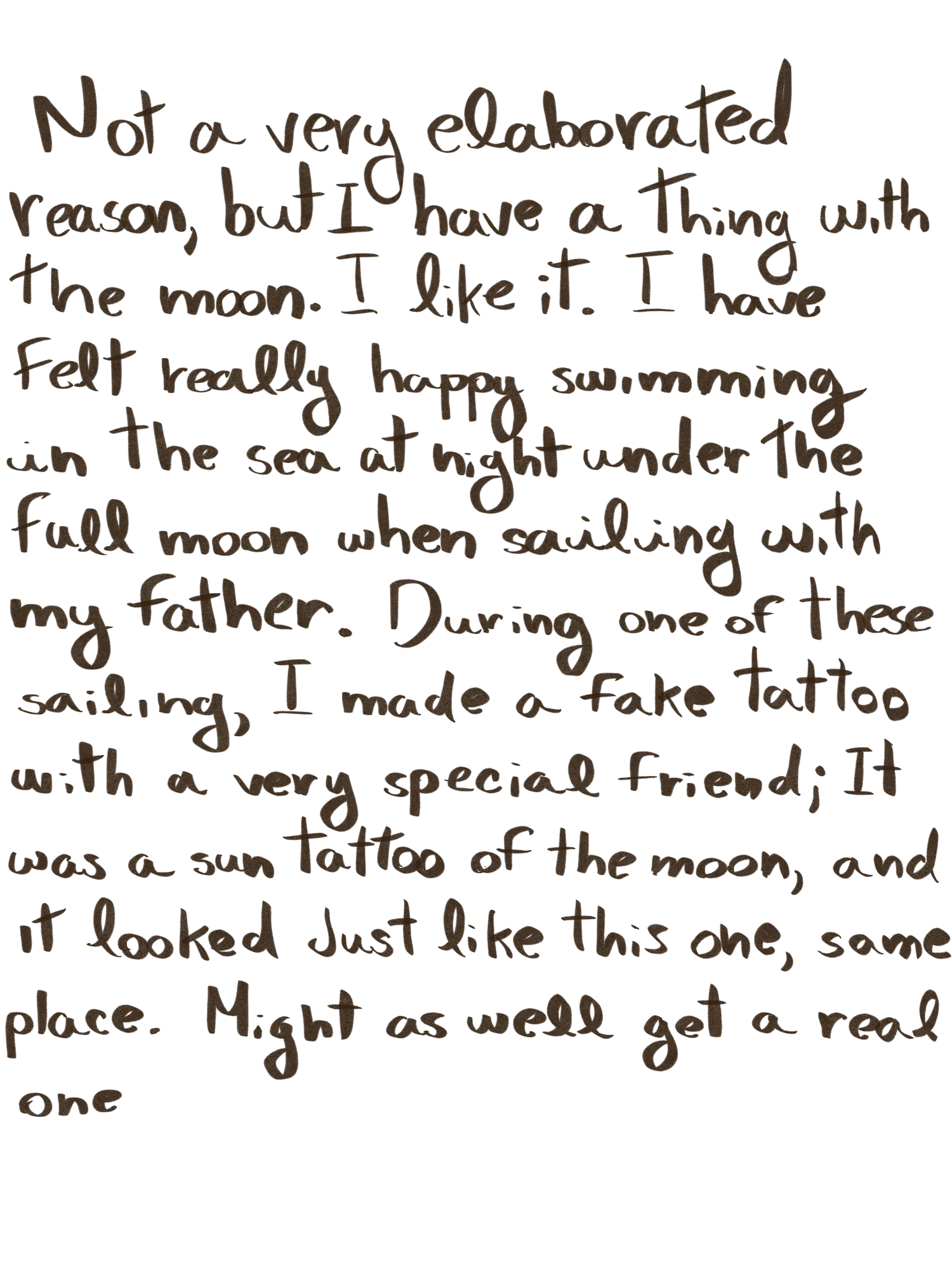
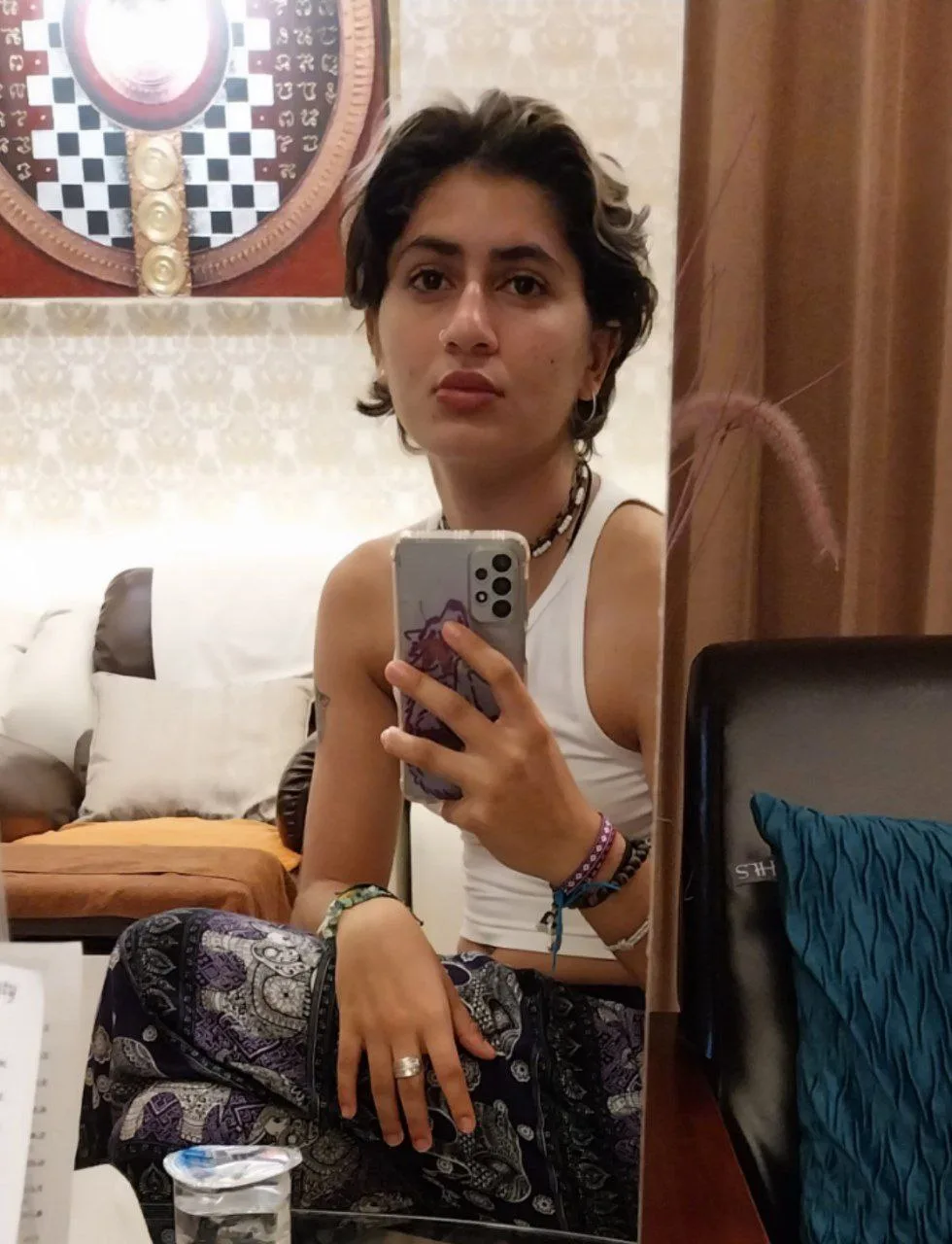
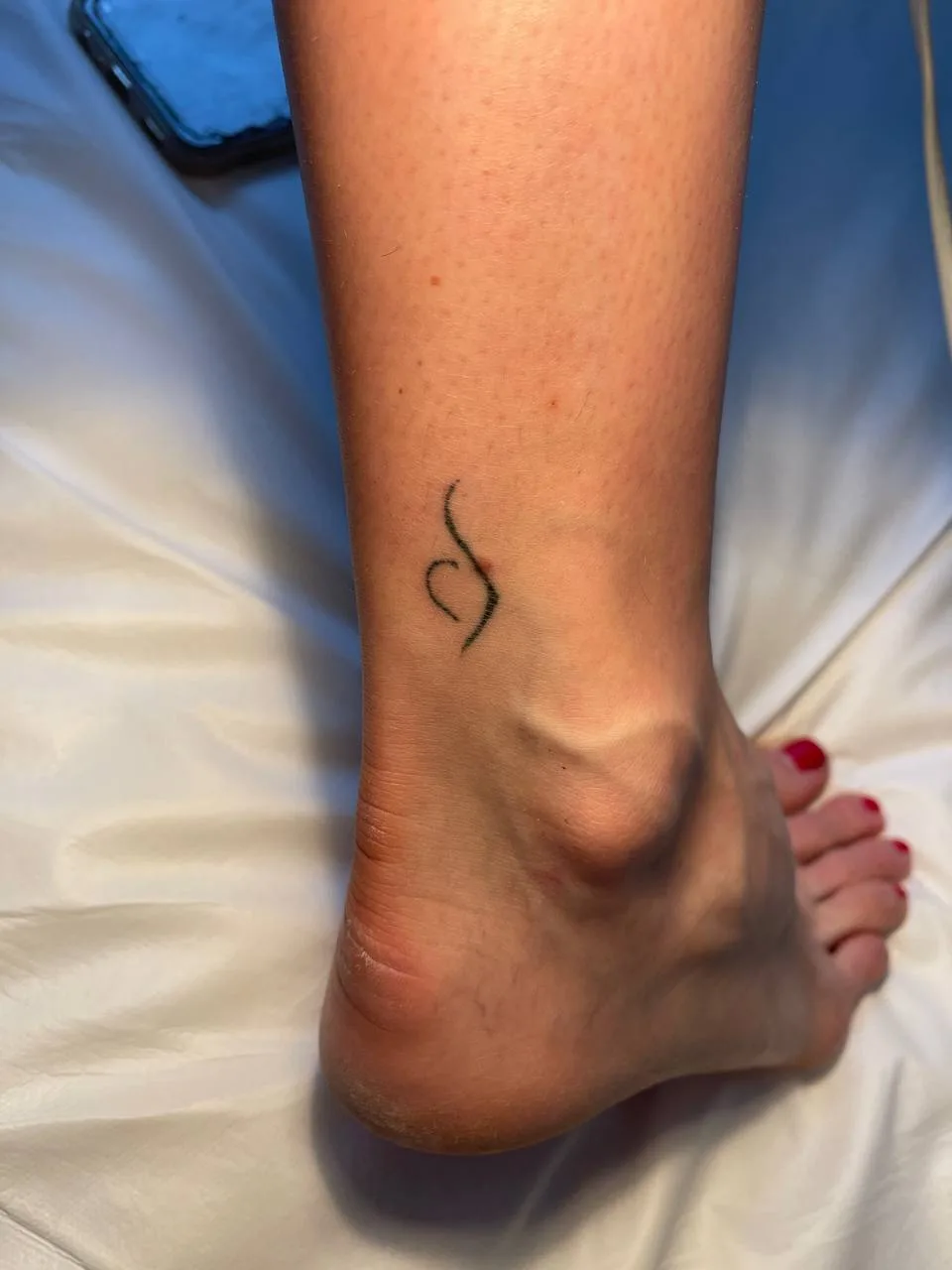
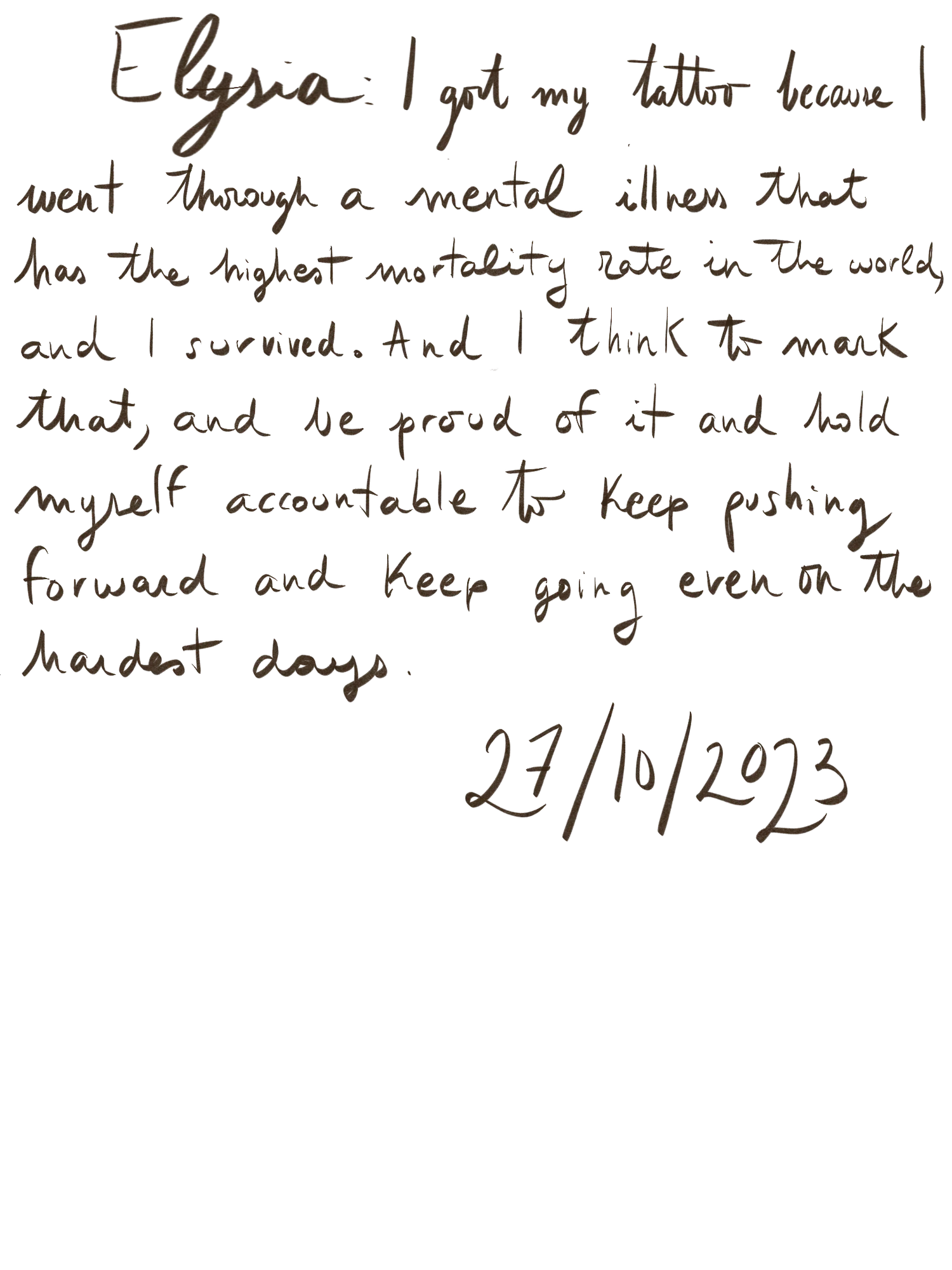
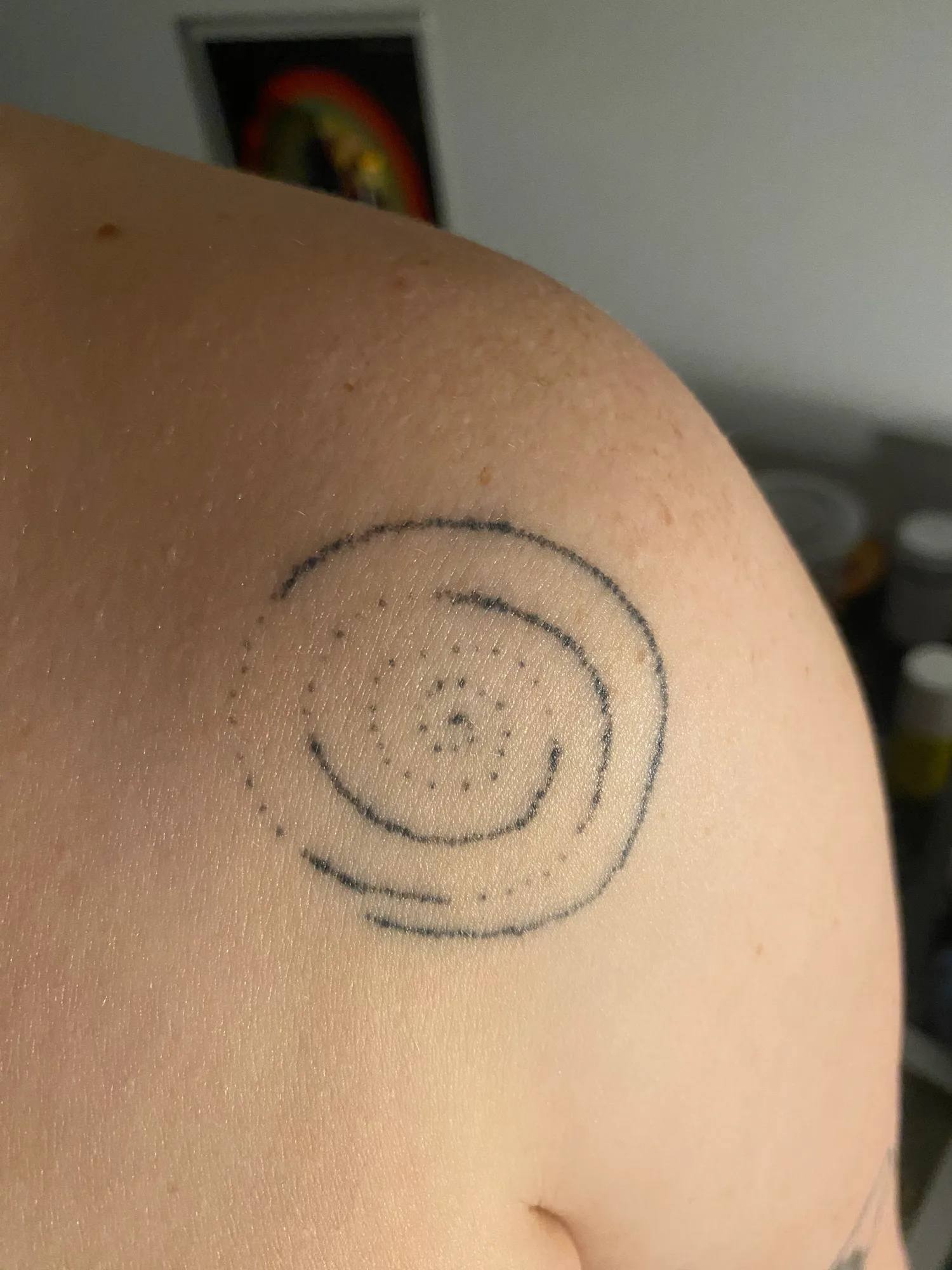
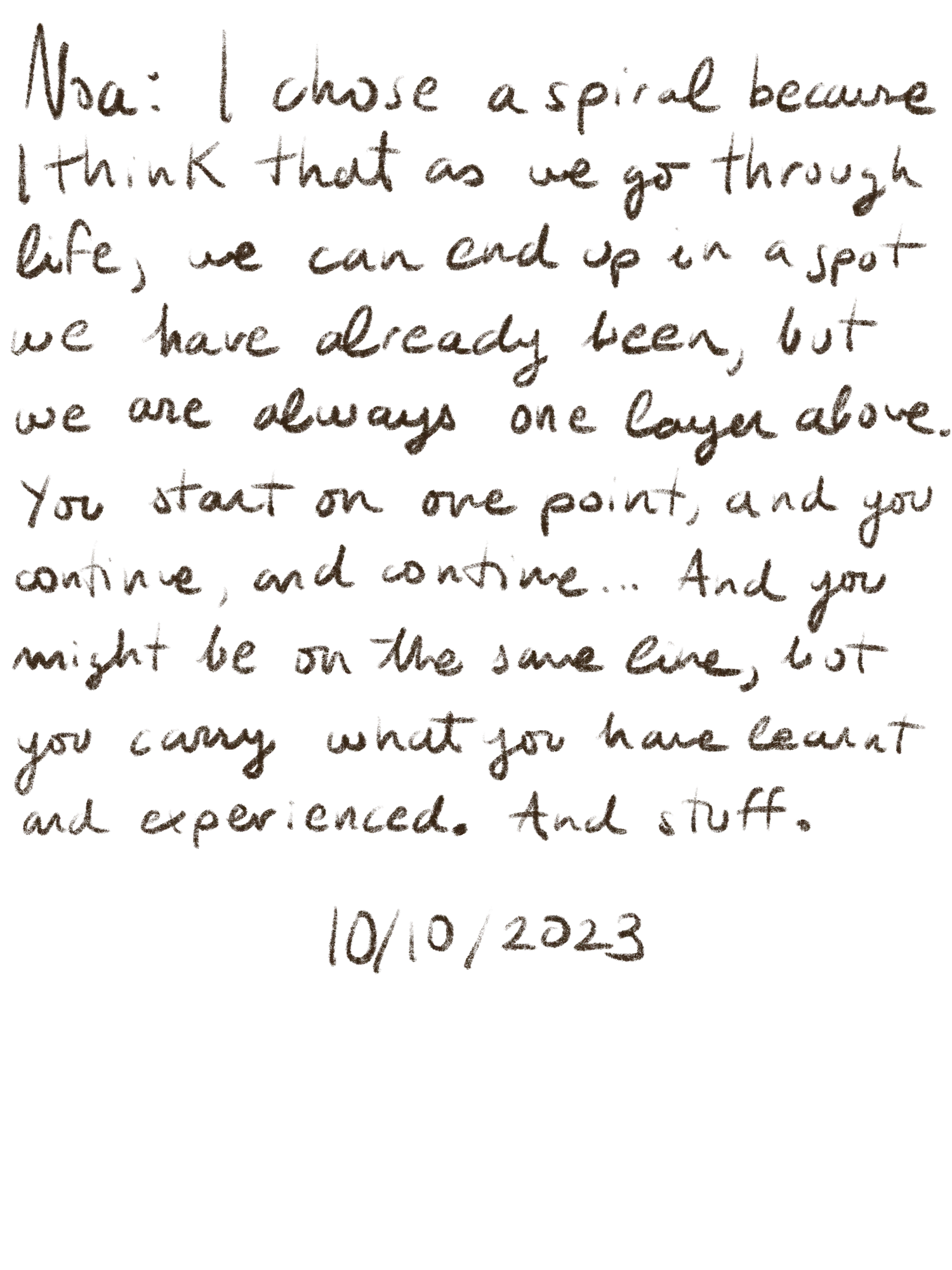
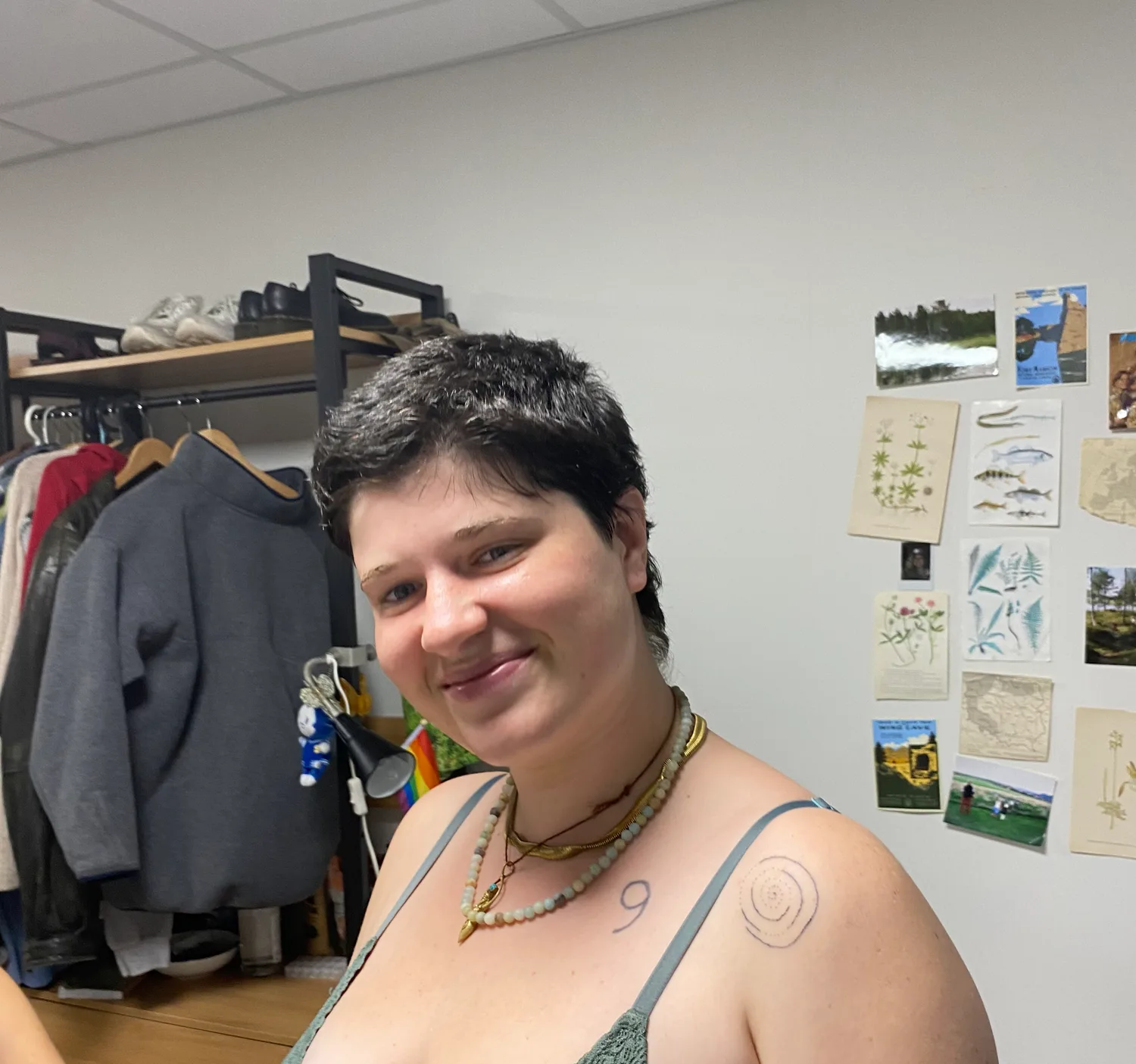
Tattoo Diary
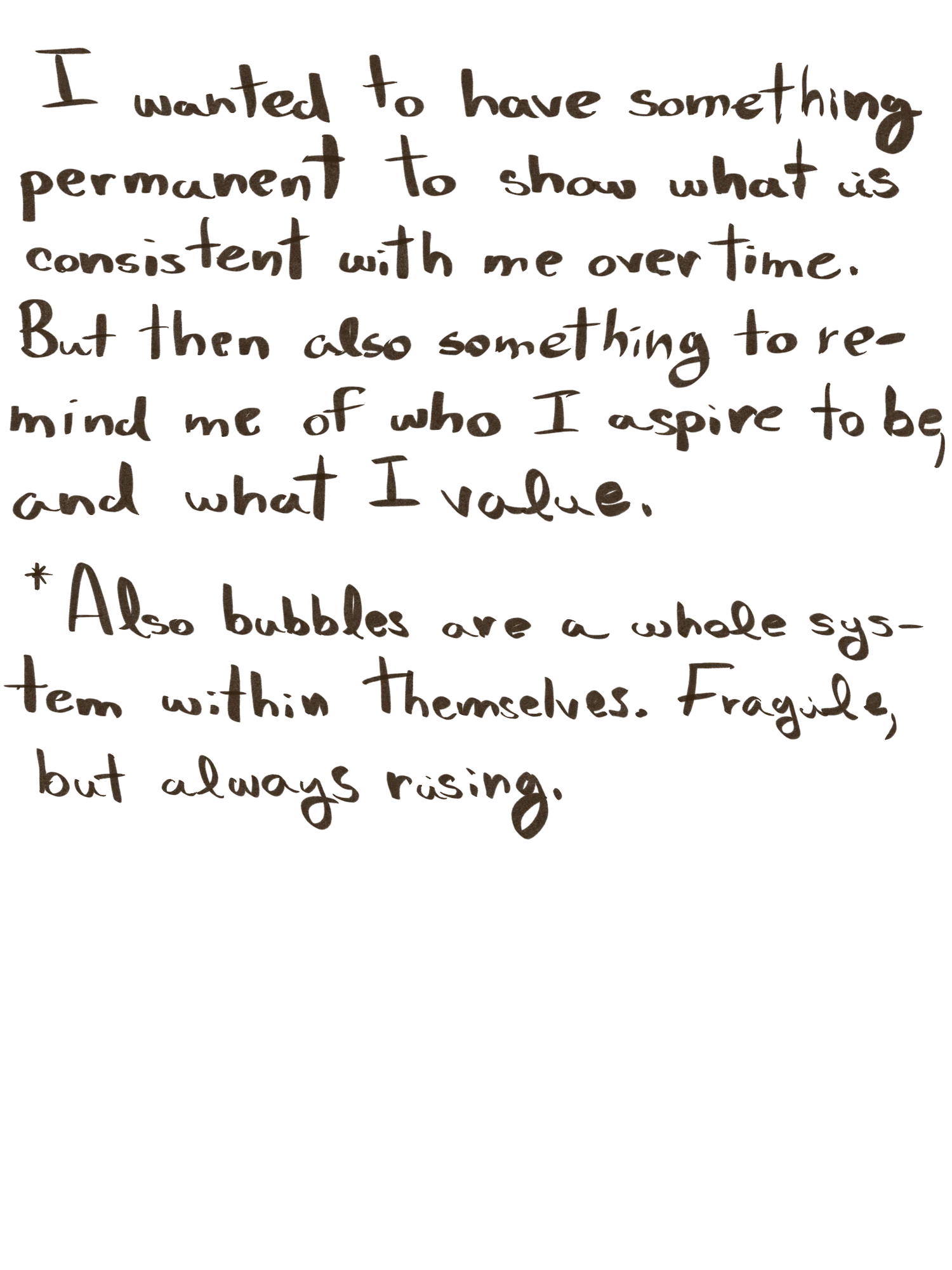
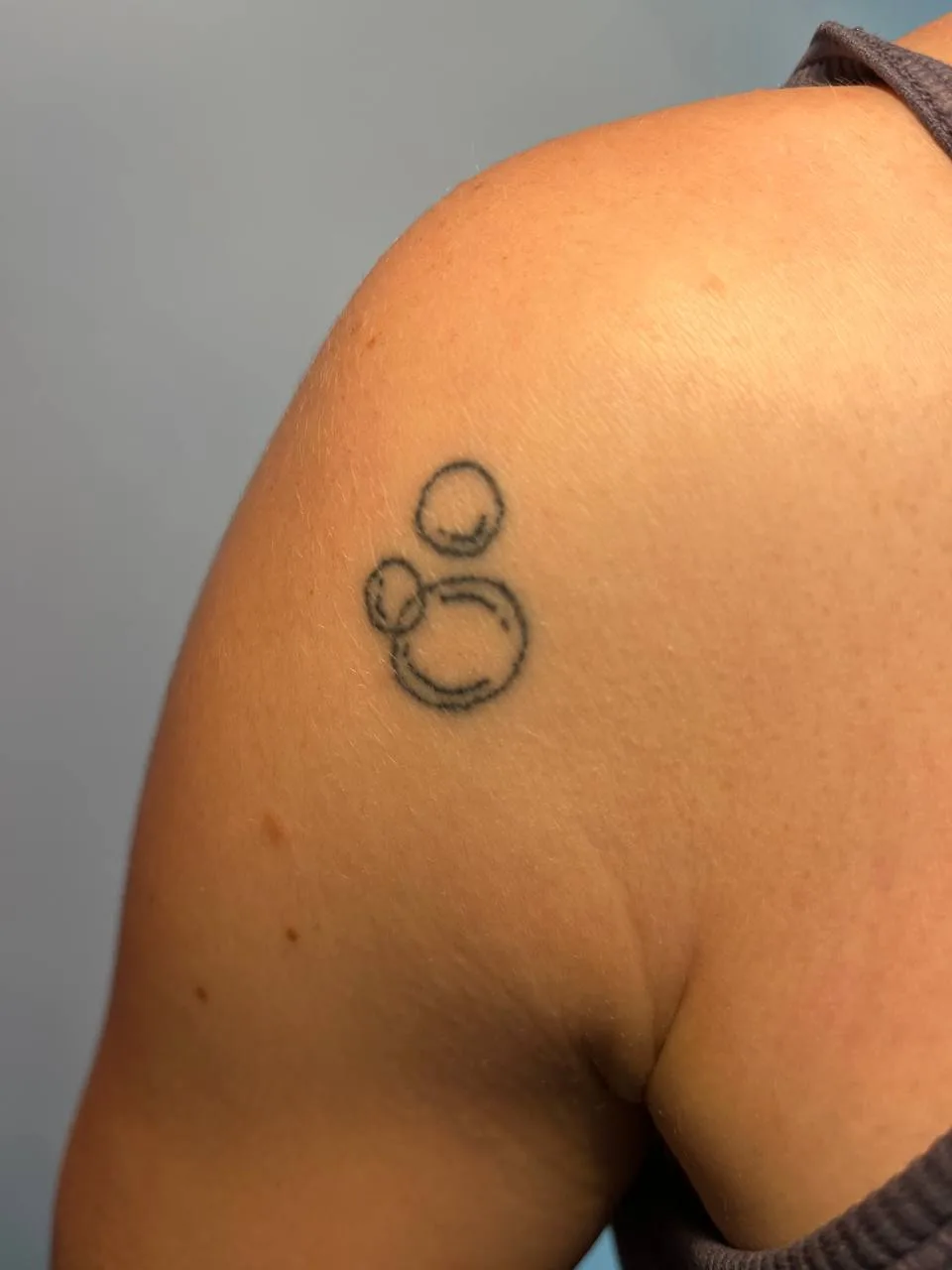
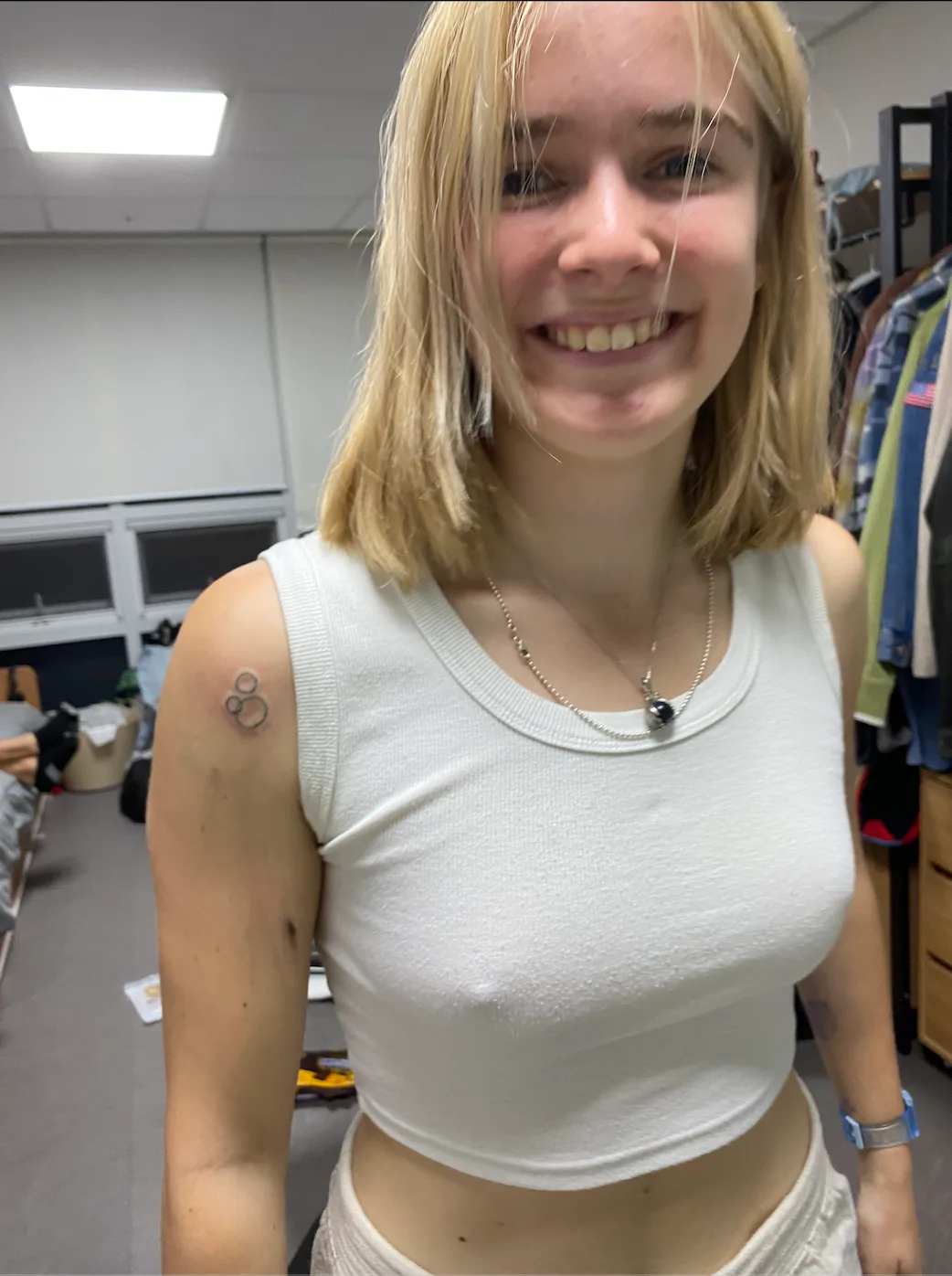
- Alice
Anne:
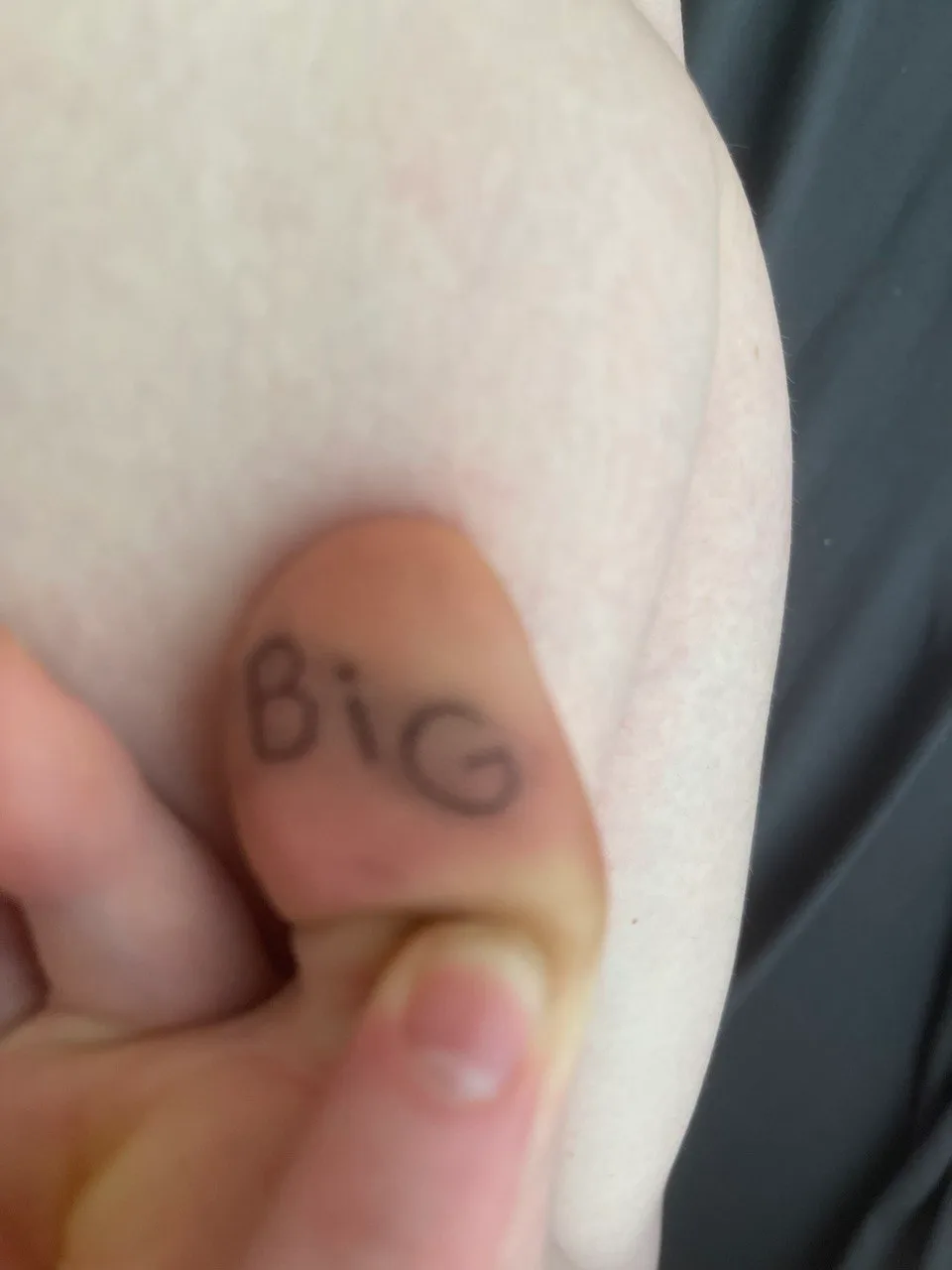
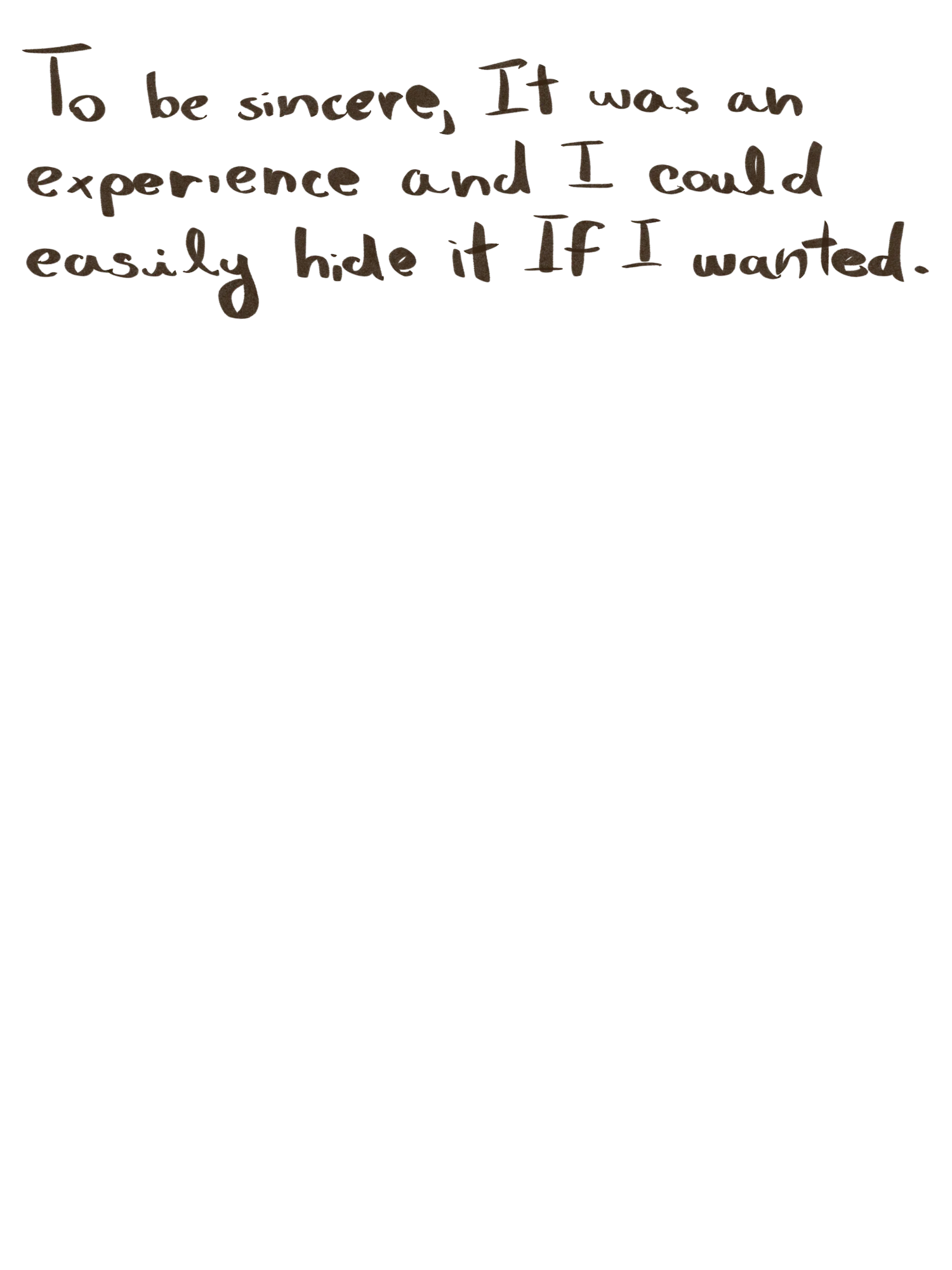
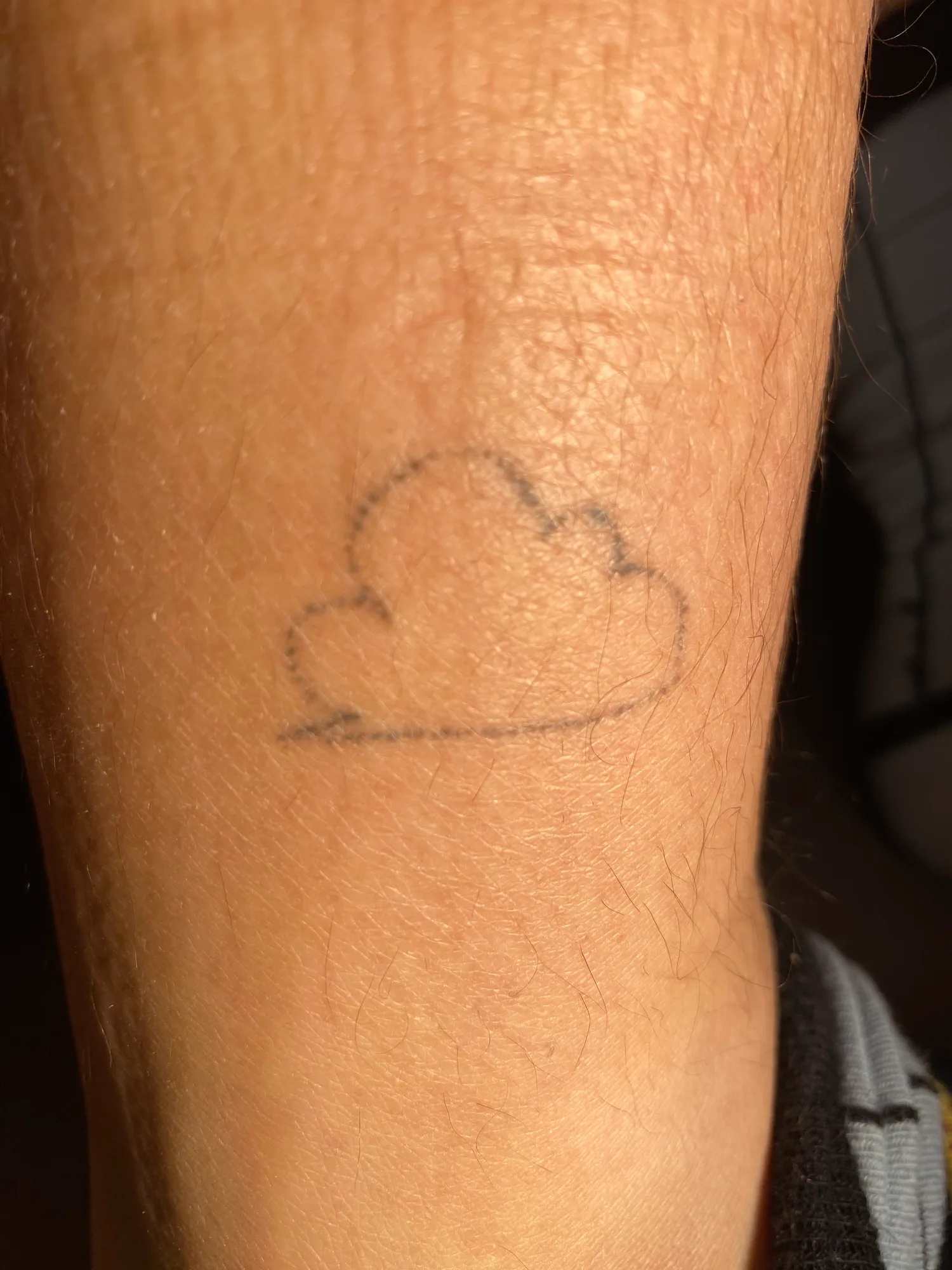
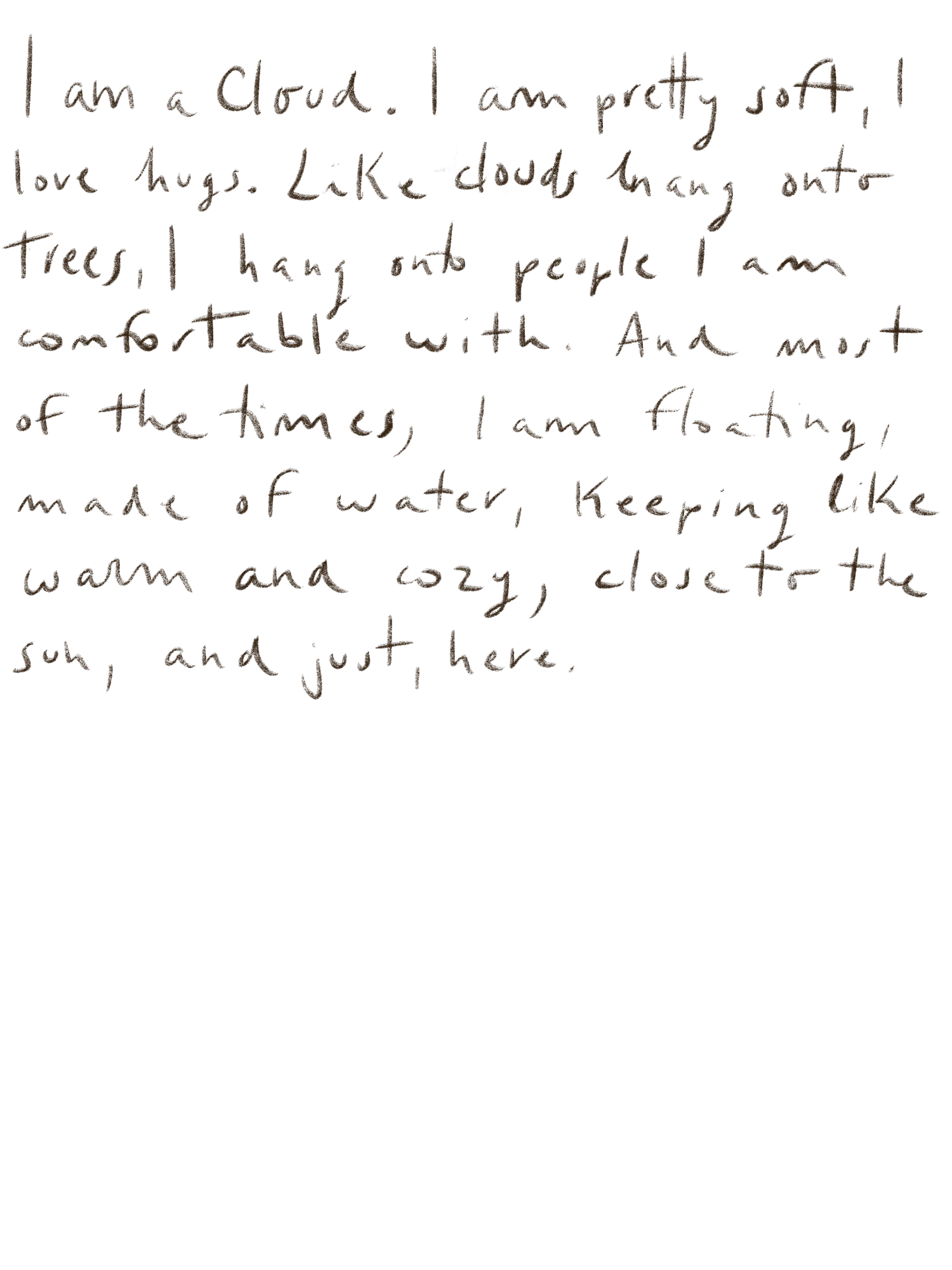
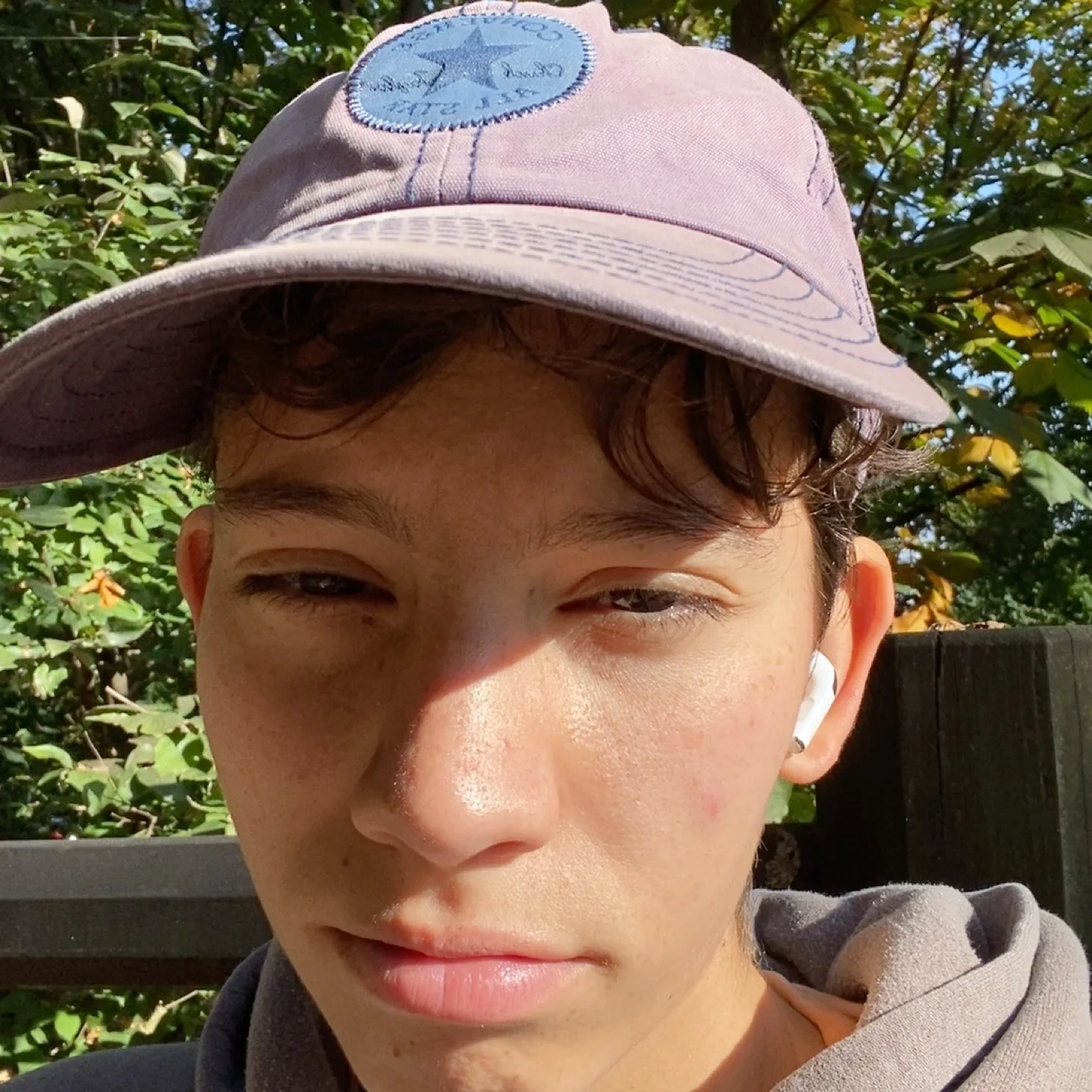
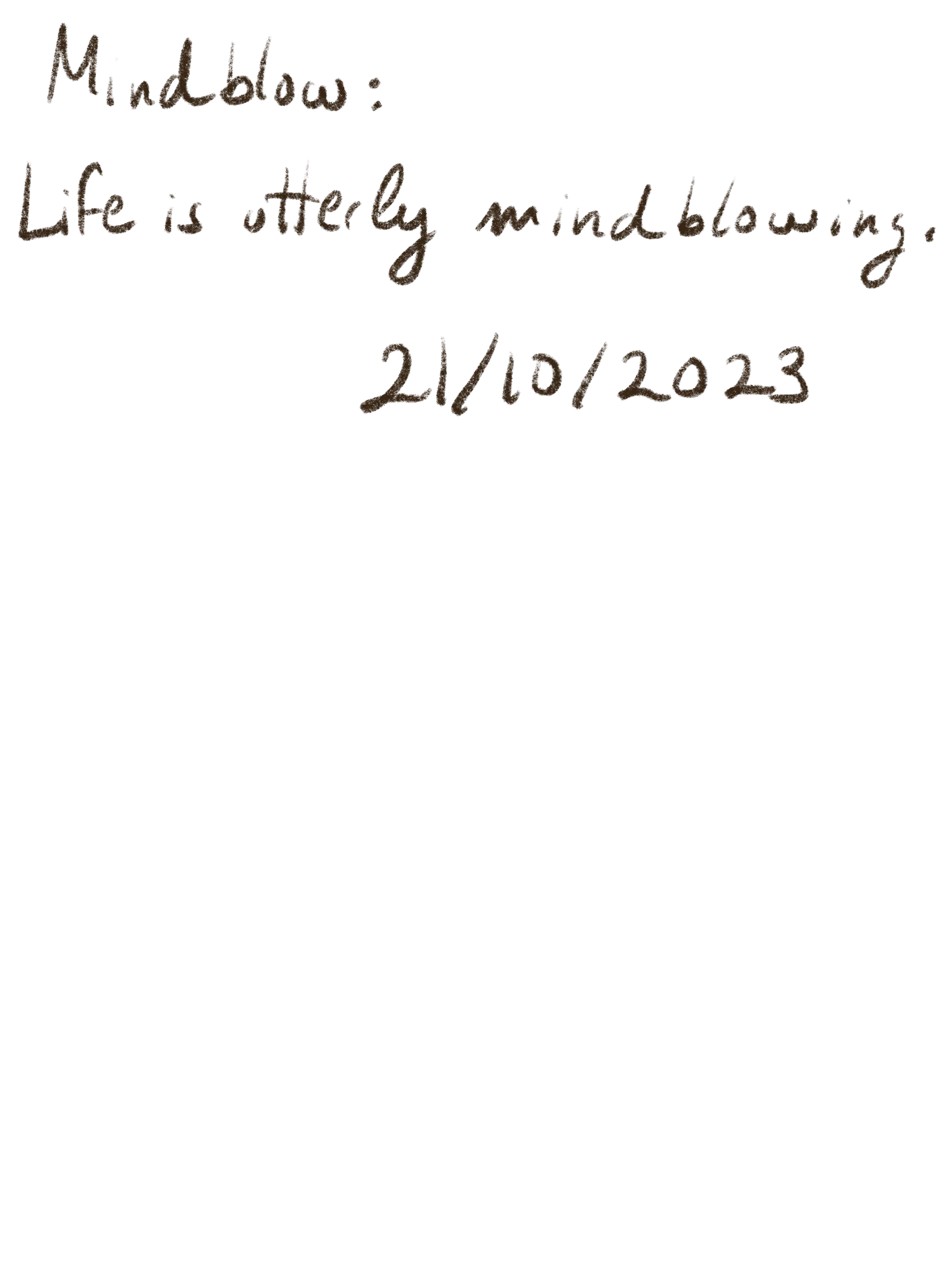
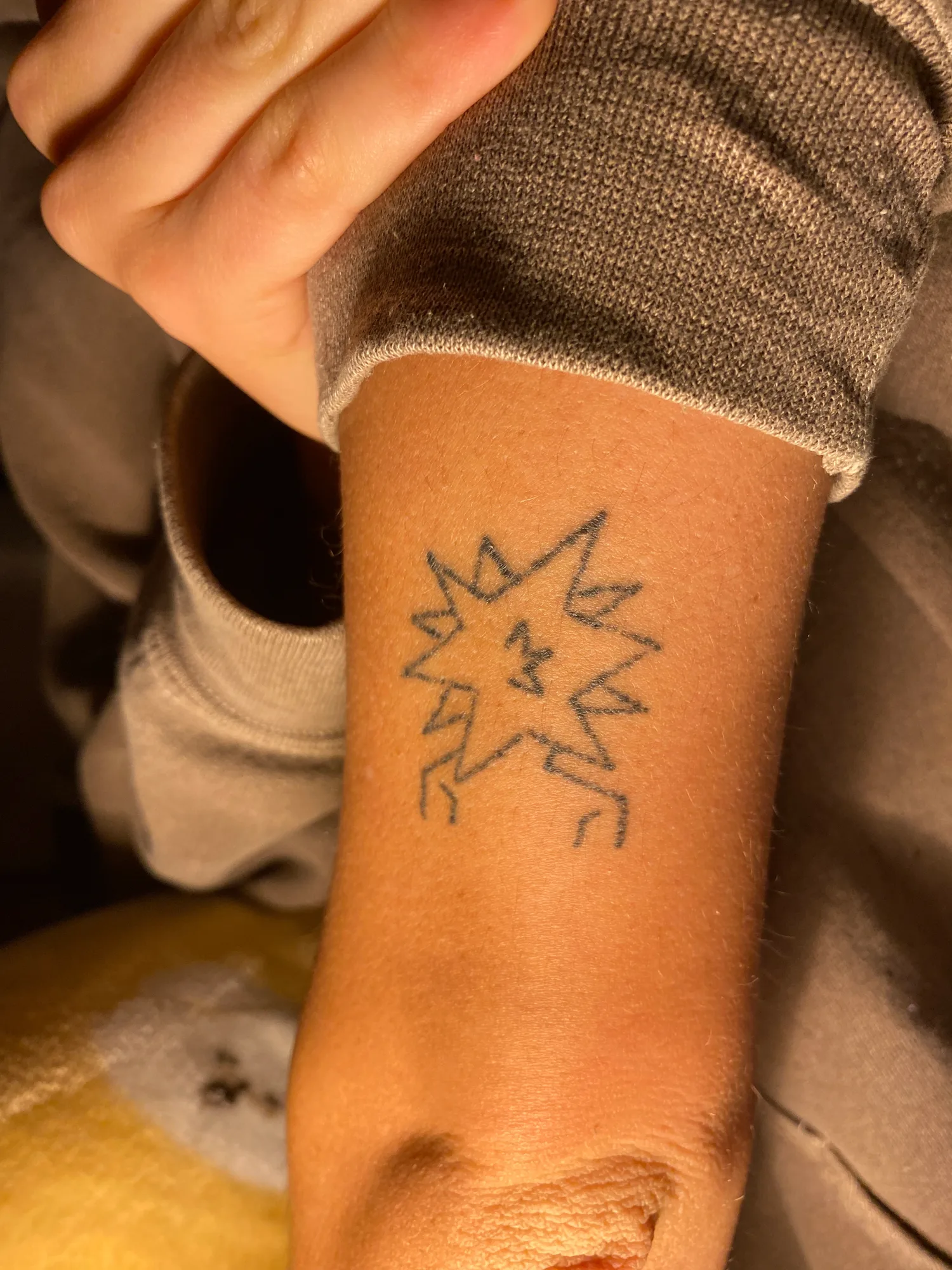
- Ari
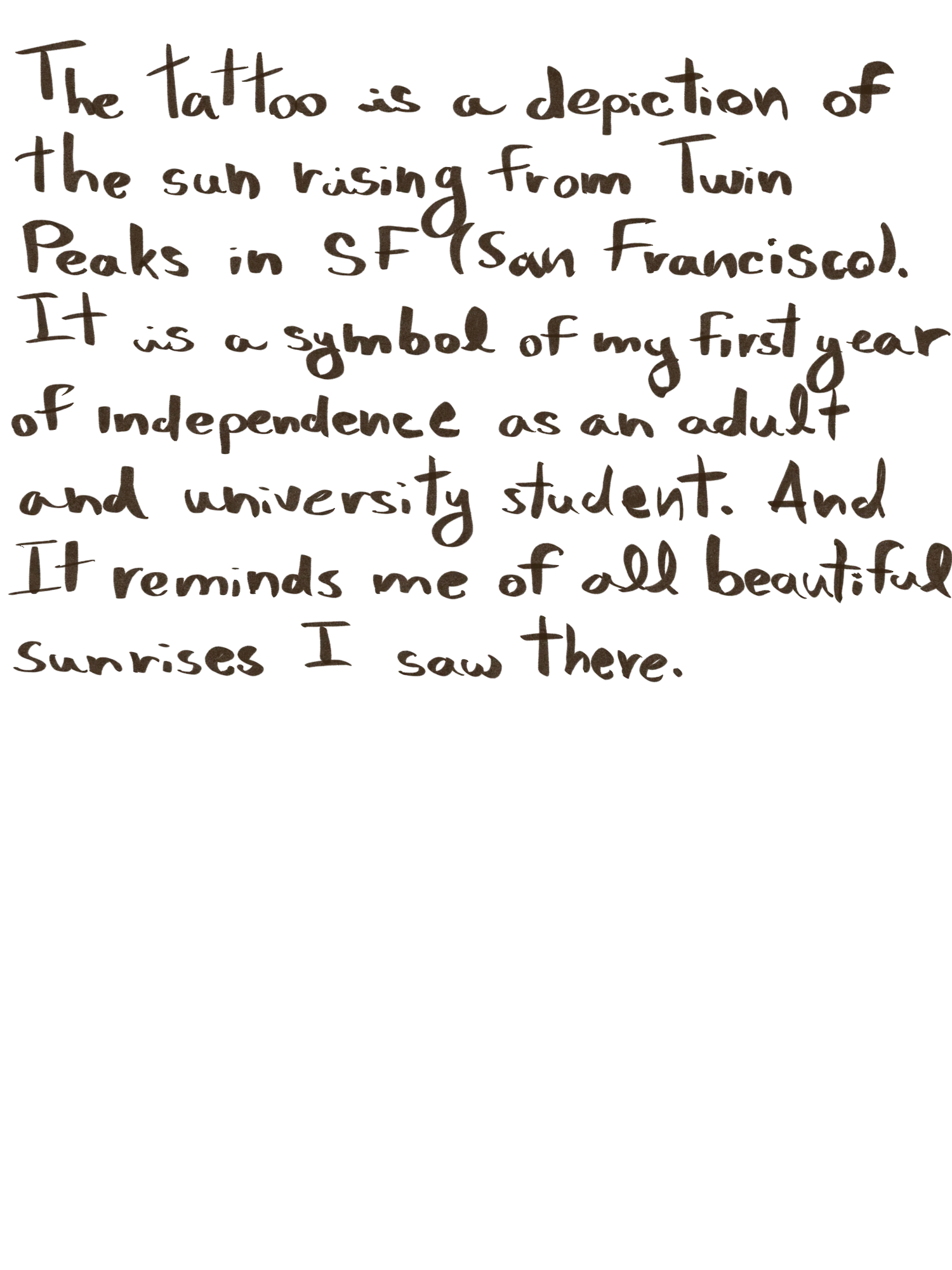
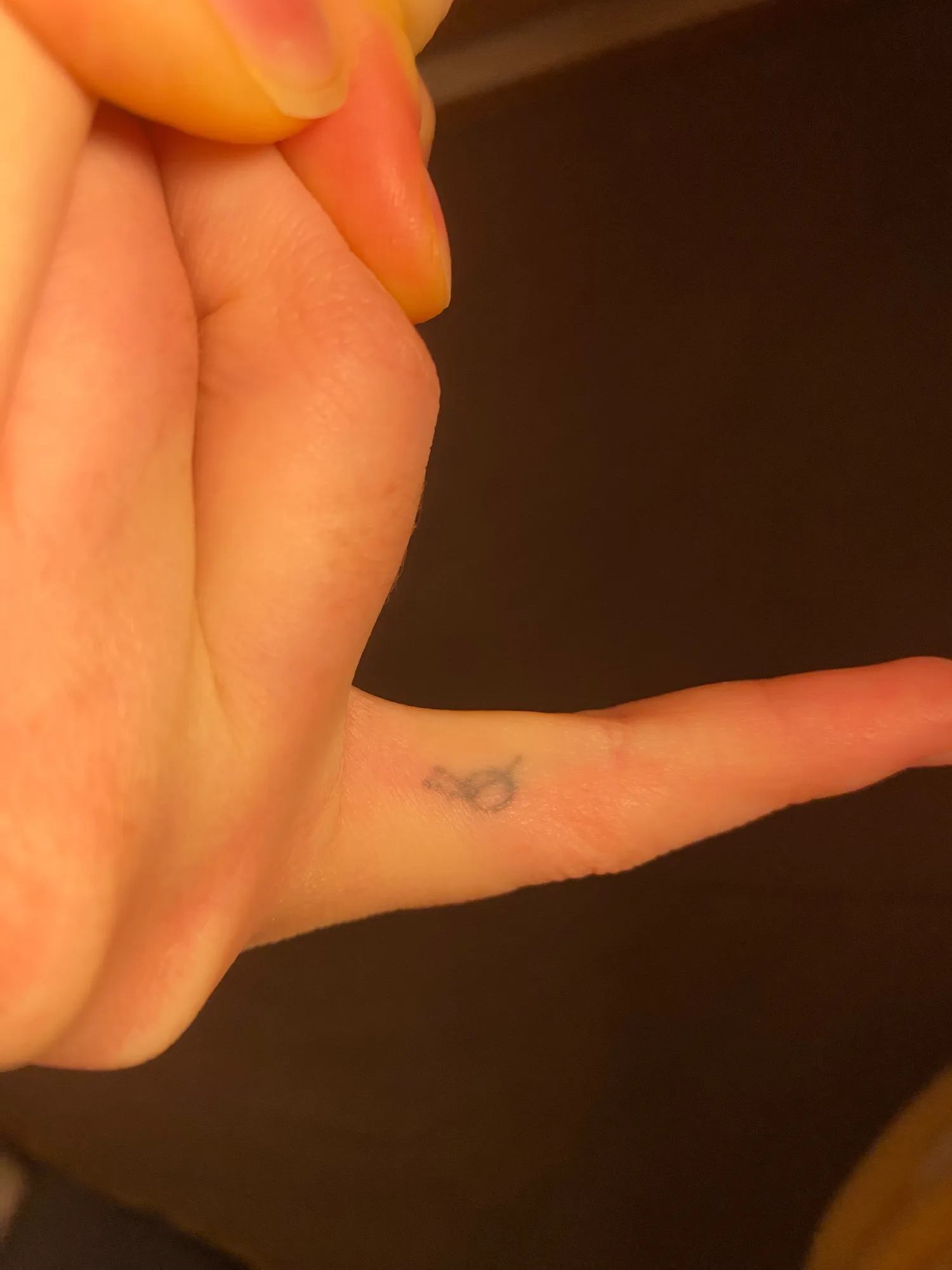
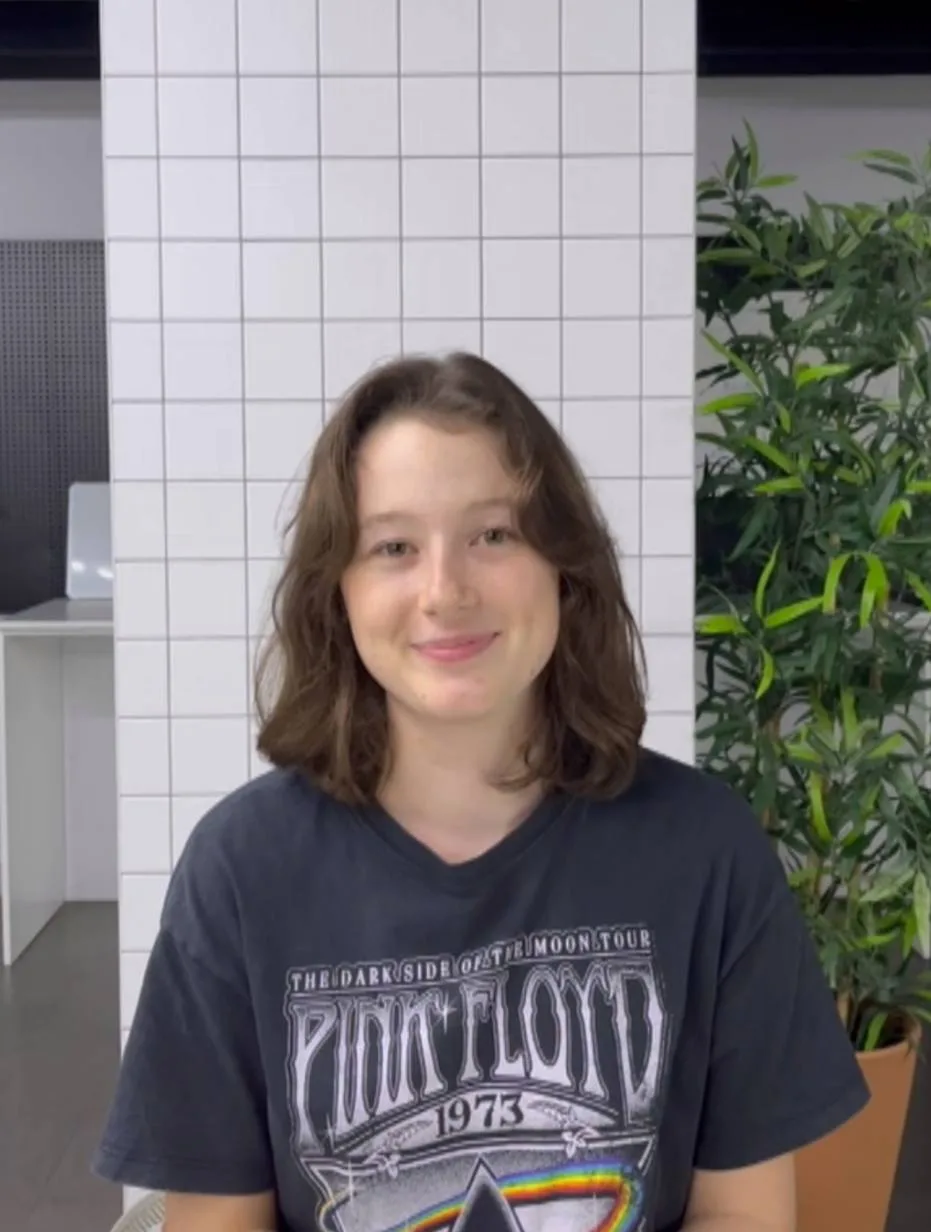
- Daria
Dominik:
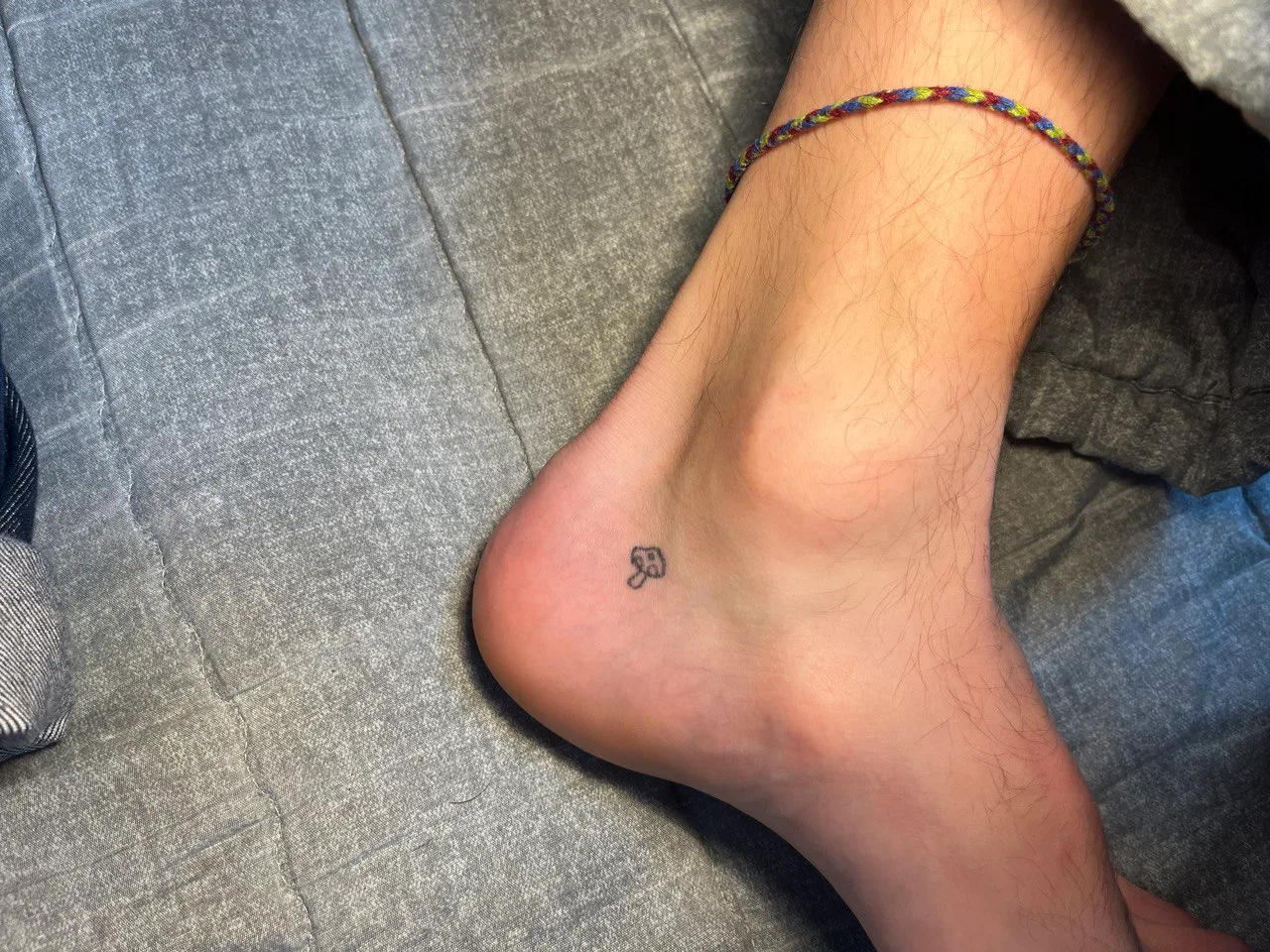
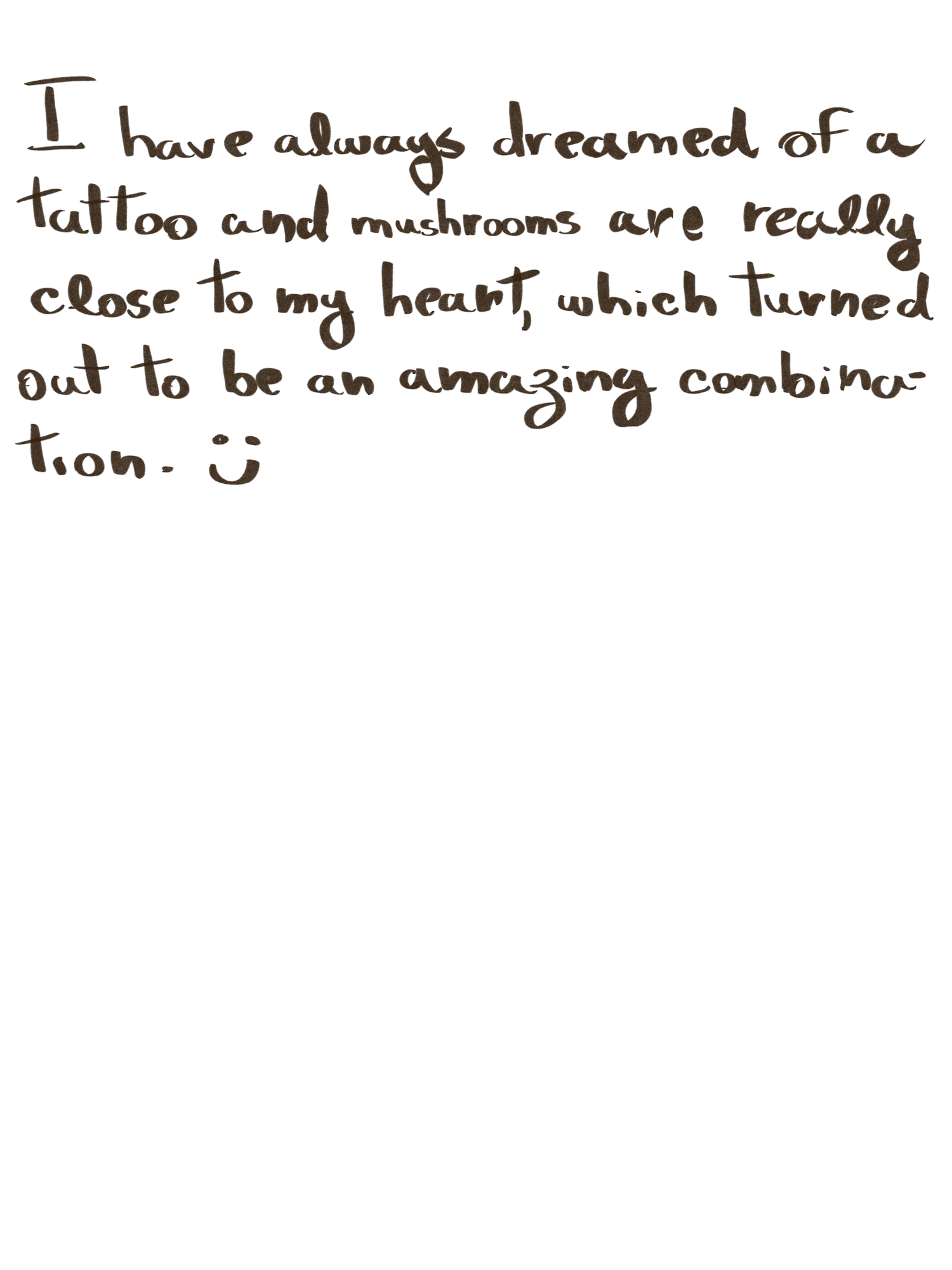
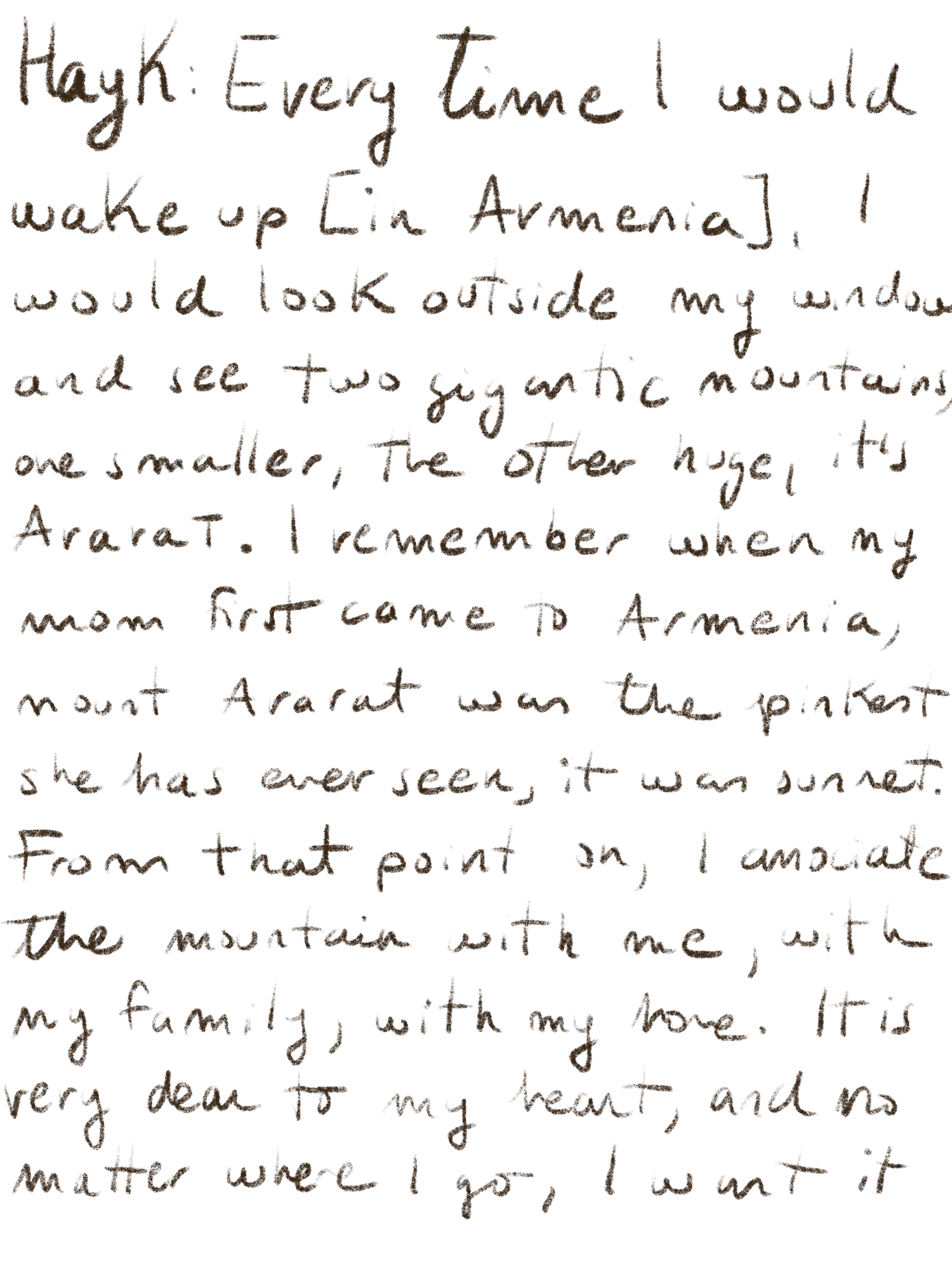
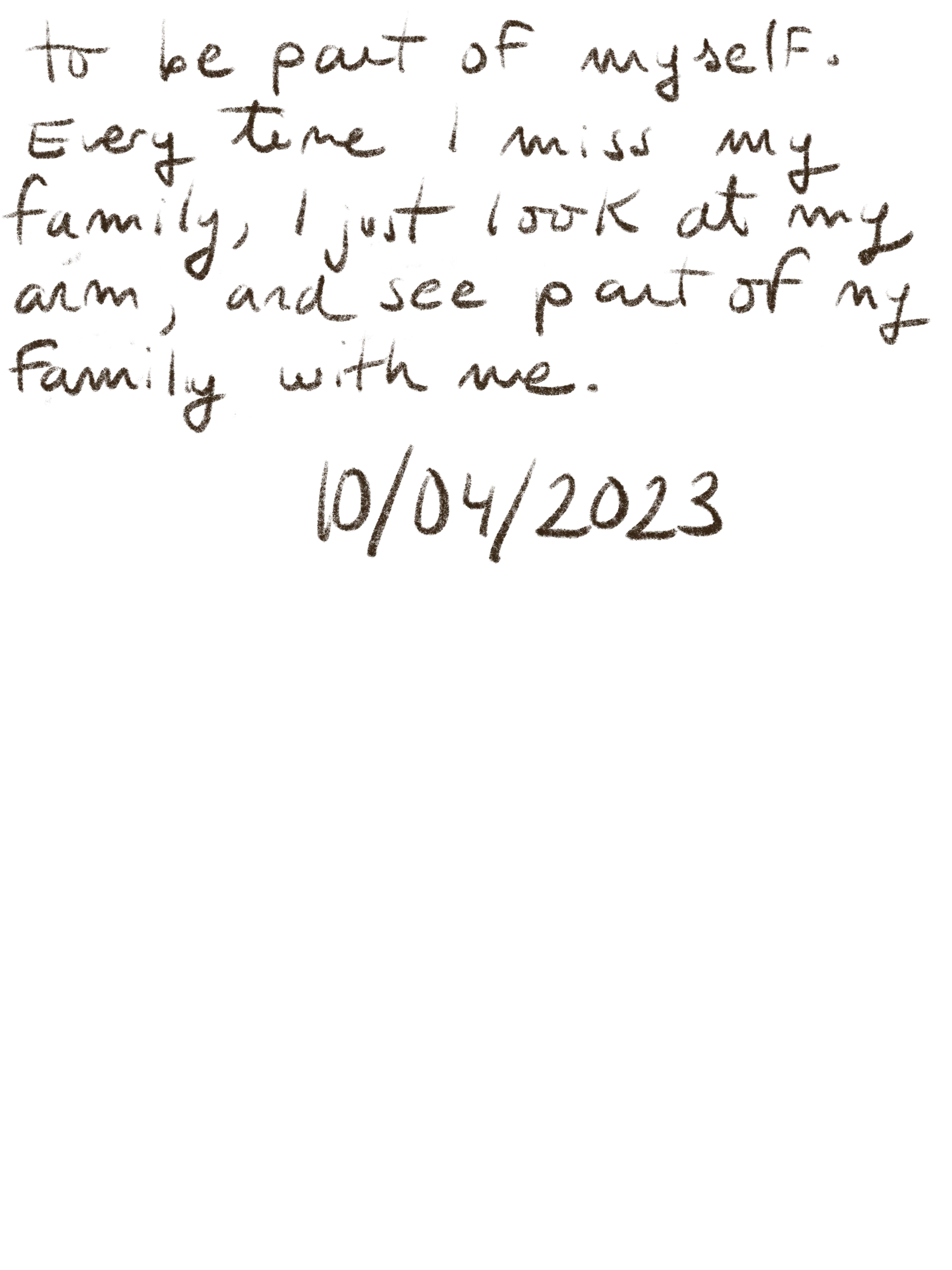
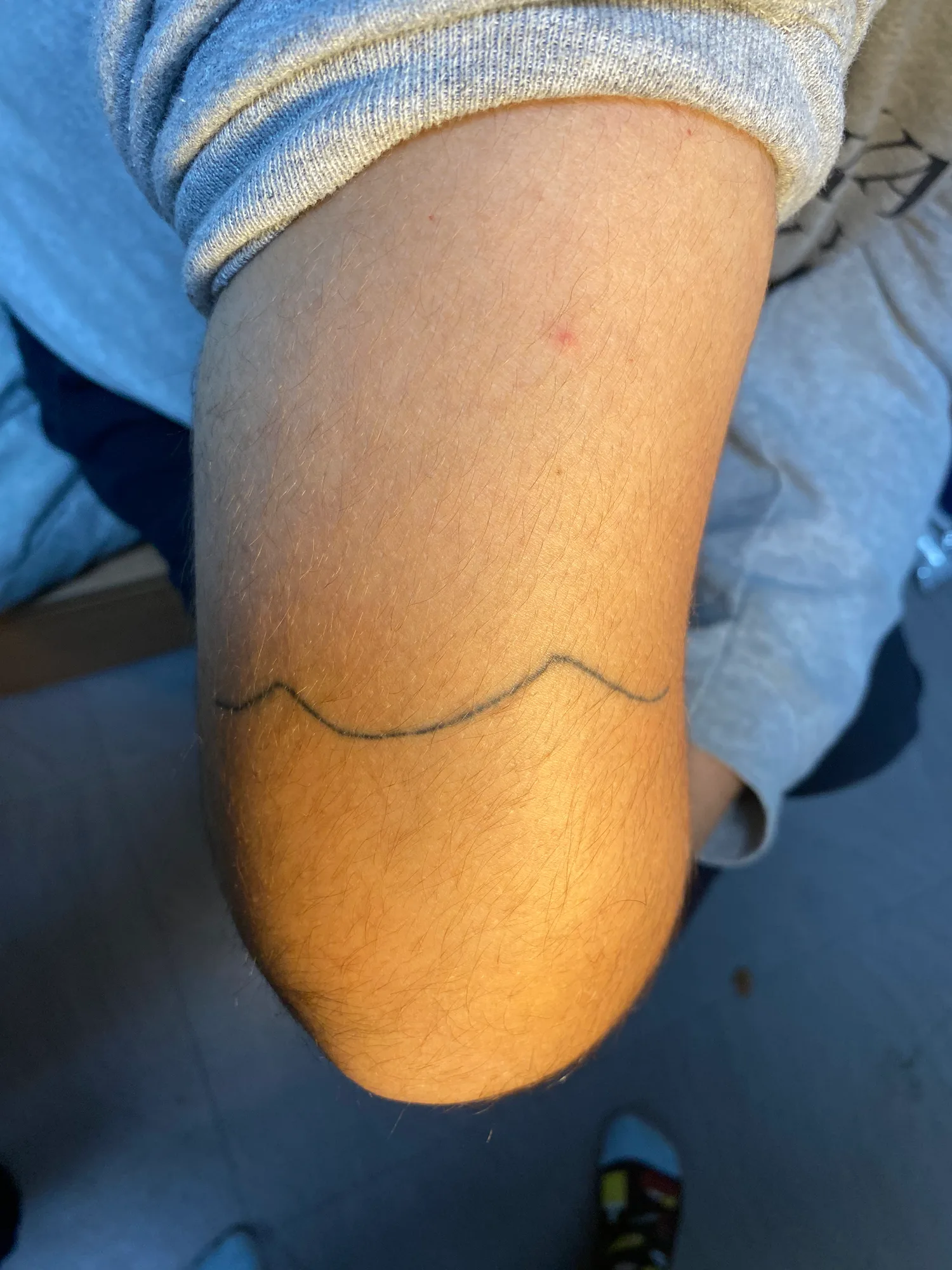
Julia:
Poetry
that’s how it feels
that’s how it feels—
the touch of raspy voices
bouncing off the carpet-covered stairs
the porches always thirsty for the longing brush
of corners
of unironed shirts and washed-out fondness
thrown in together with the remnants
of their homecoming blush
transcribing
sentences pronounced softly
and tender just enough to settle on the lips
to warm
the throats and hands when these walls let the cold in
to cherish sleeves of touch before the rays of spring
we’re filling galleries,
indeed, of vibrance falling from the fingers
and tucked in pockets of the souls we cling to
we pave the roads
climb over the ceilings
never unclutching hands despite the winds of noon
let’s take a ride
whether it's our feet, that drag us
down the paths we thought were strangers
or bicycles
that feels like age thirteen
across the fields and pavements of the past’s forgiveness
teach me to your lullabies
teach me to see through clouds
your shine brightens the freckles of the summertime
take pictures
as we laugh with open mouths
unsheltered within courage of our storyline
the touch of raspy voices
bouncing off the carpet-covered stairs
the porches always thirsty for the longing brush
of corners
of unironed shirts and washed-out fondness
thrown in together with the remnants
of their homecoming blush
transcribing
sentences pronounced softly
and tender just enough to settle on the lips
to warm
the throats and hands when these walls let the cold in
to cherish sleeves of touch before the rays of spring
we’re filling galleries,
indeed, of vibrance falling from the fingers
and tucked in pockets of the souls we cling to
we pave the roads
climb over the ceilings
never unclutching hands despite the winds of noon
let’s take a ride
whether it's our feet, that drag us
down the paths we thought were strangers
or bicycles
that feels like age thirteen
across the fields and pavements of the past’s forgiveness
teach me to your lullabies
teach me to see through clouds
your shine brightens the freckles of the summertime
take pictures
as we laugh with open mouths
unsheltered within courage of our storyline
Poetry
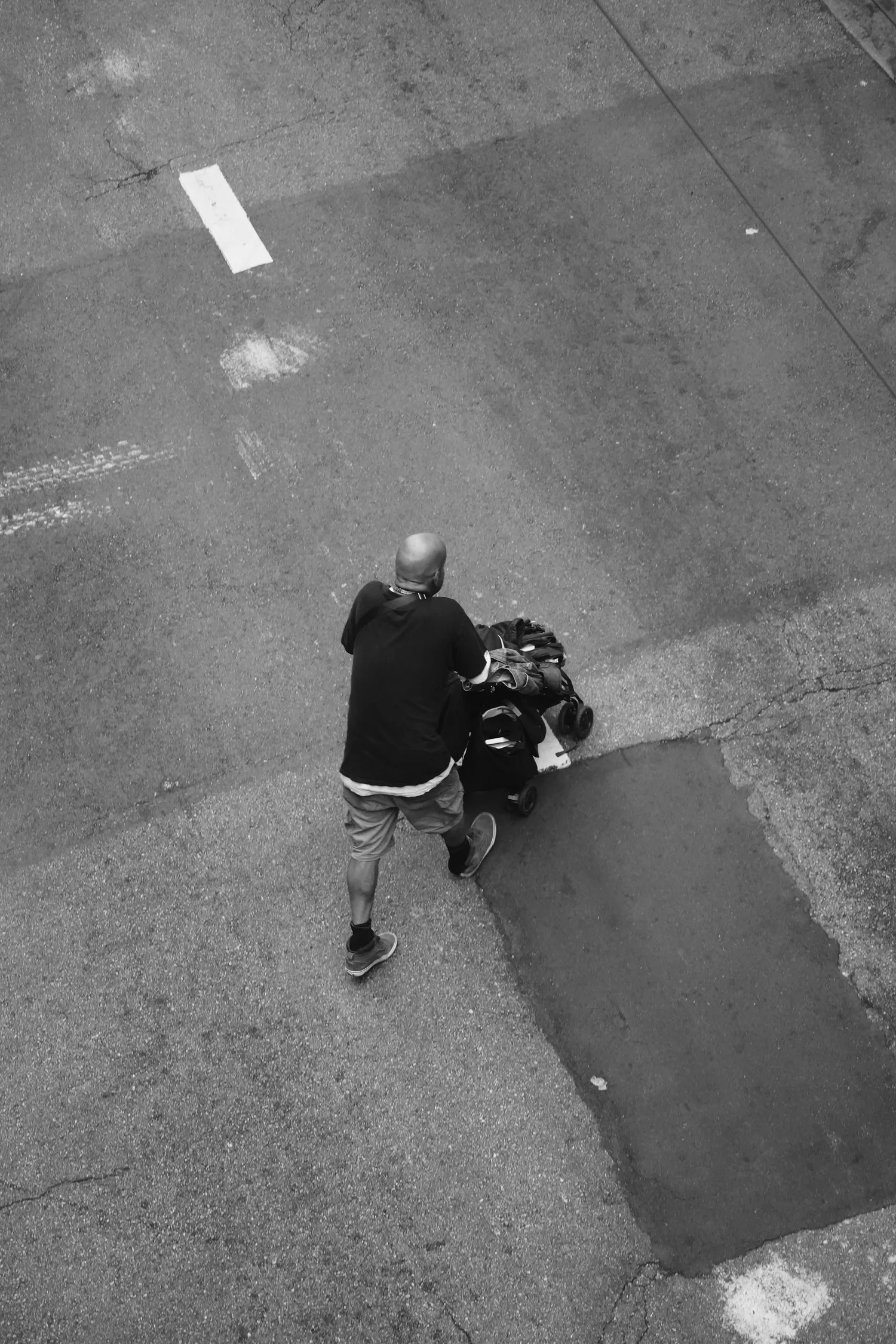
Turk Life
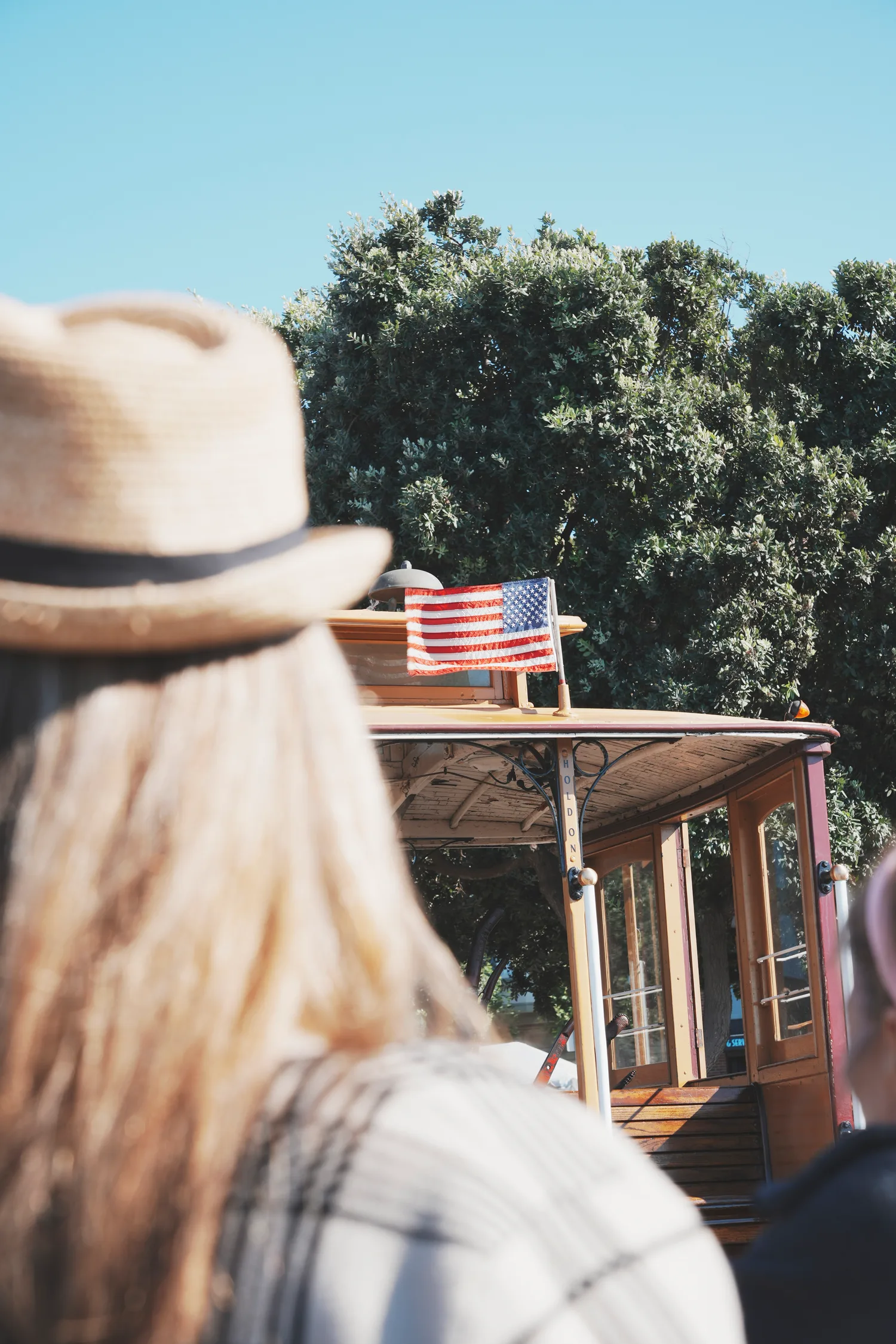
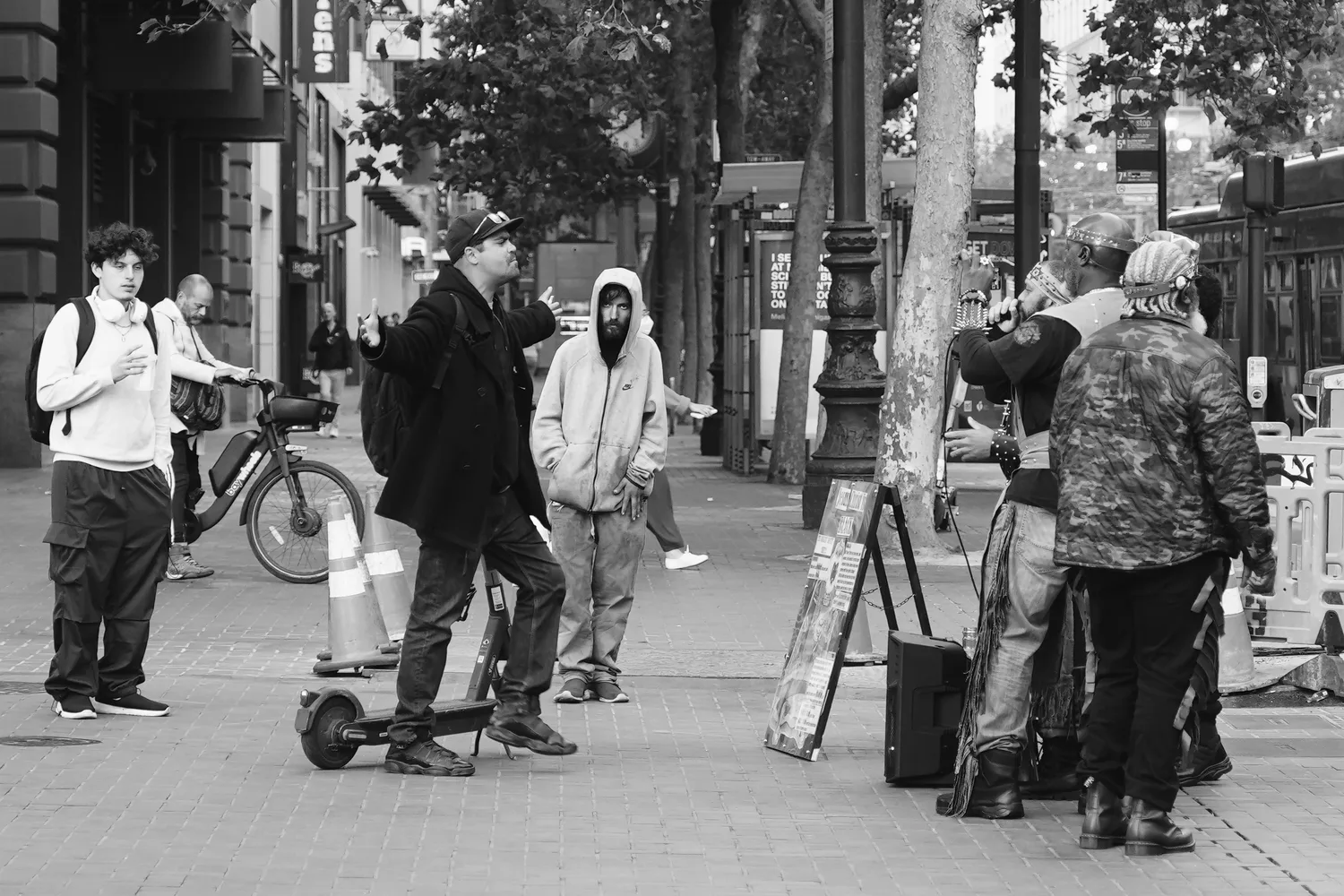
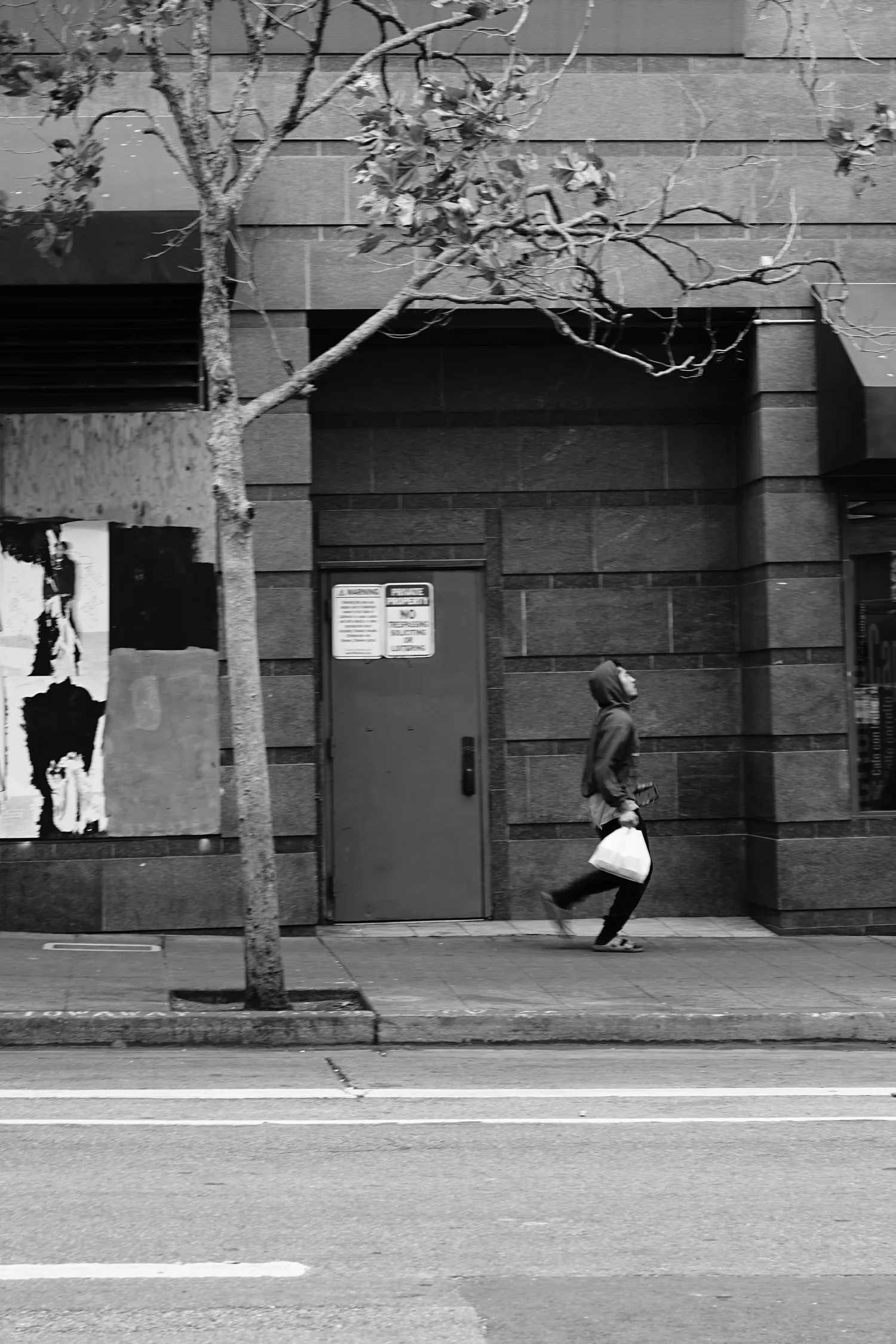
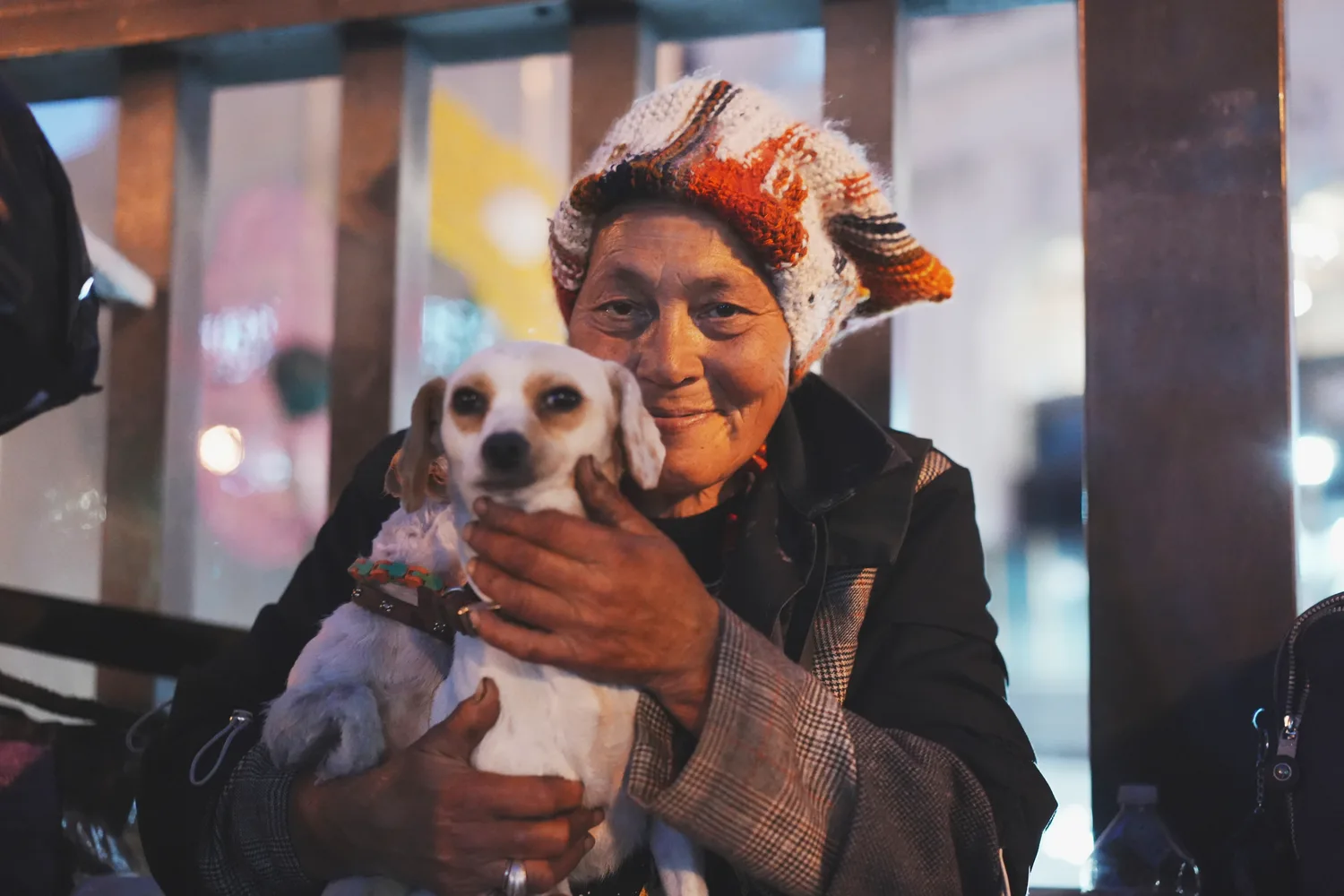
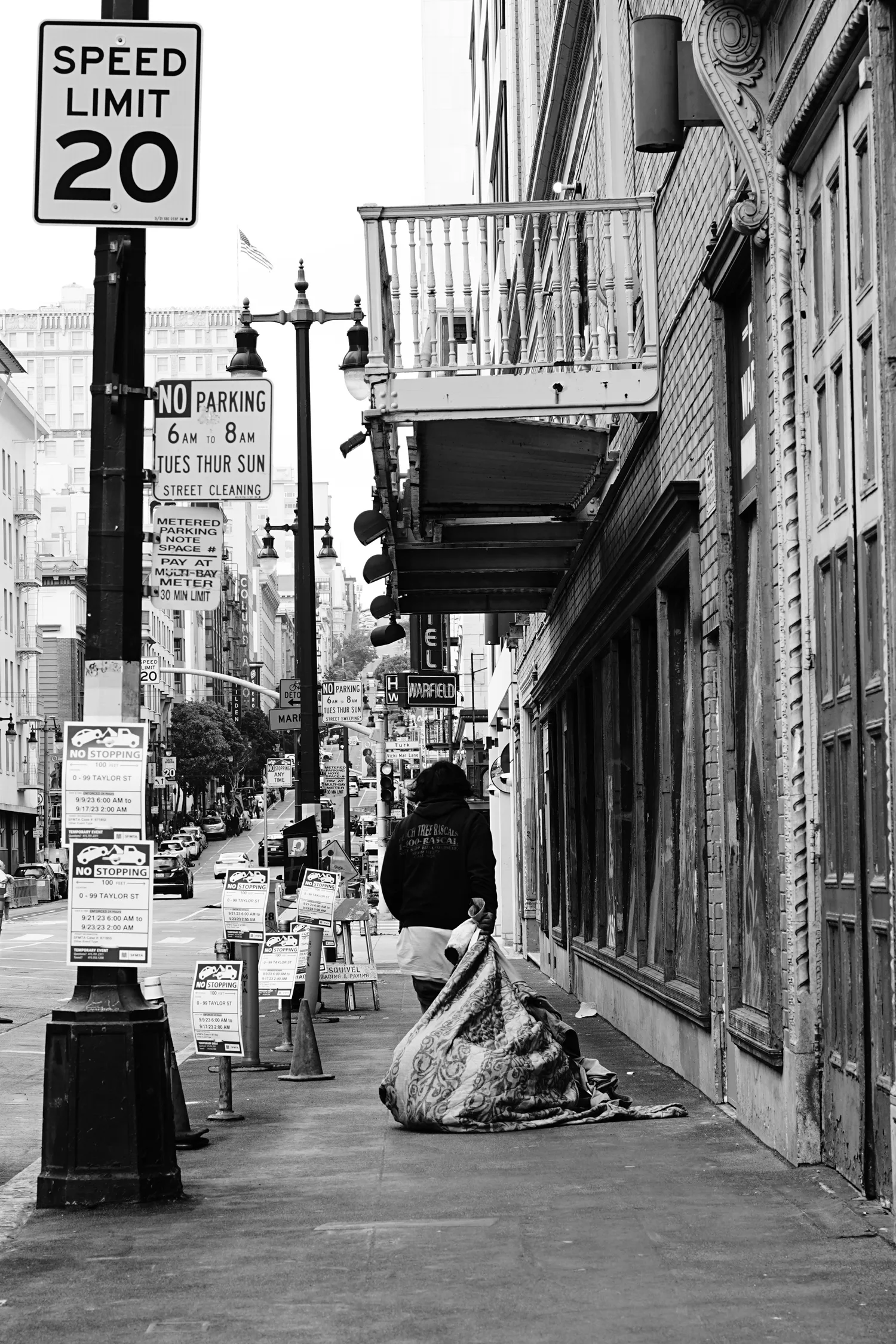
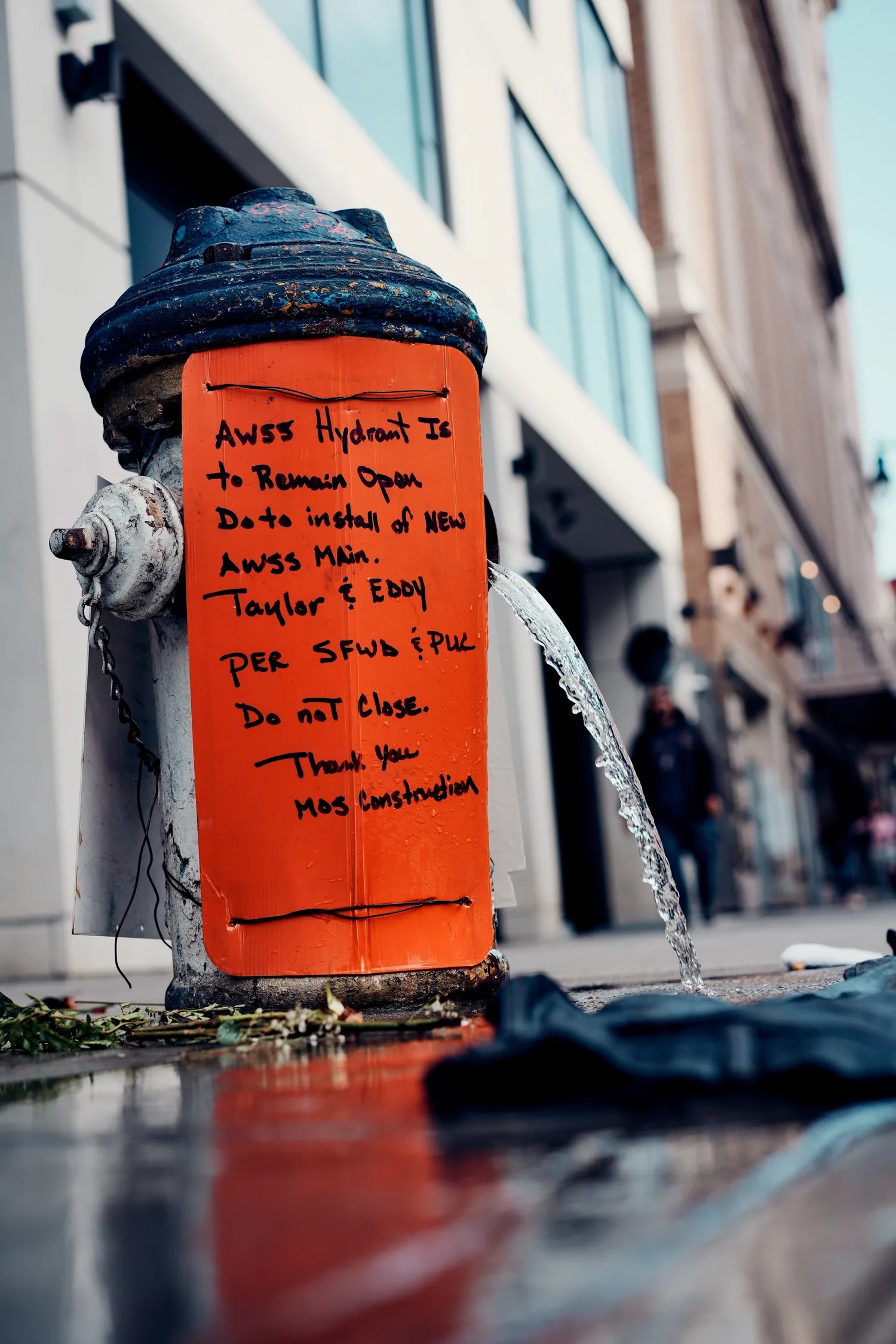
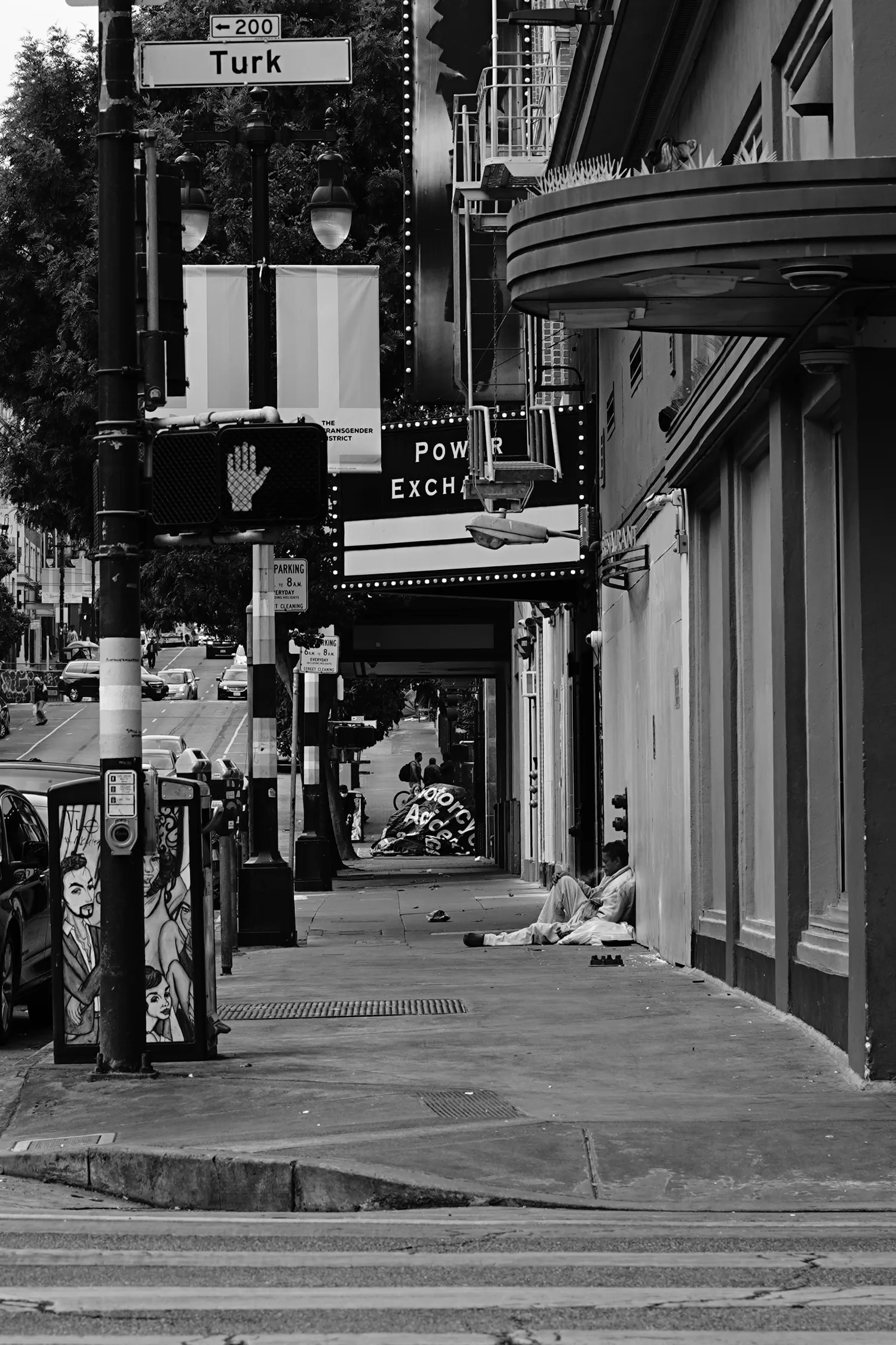
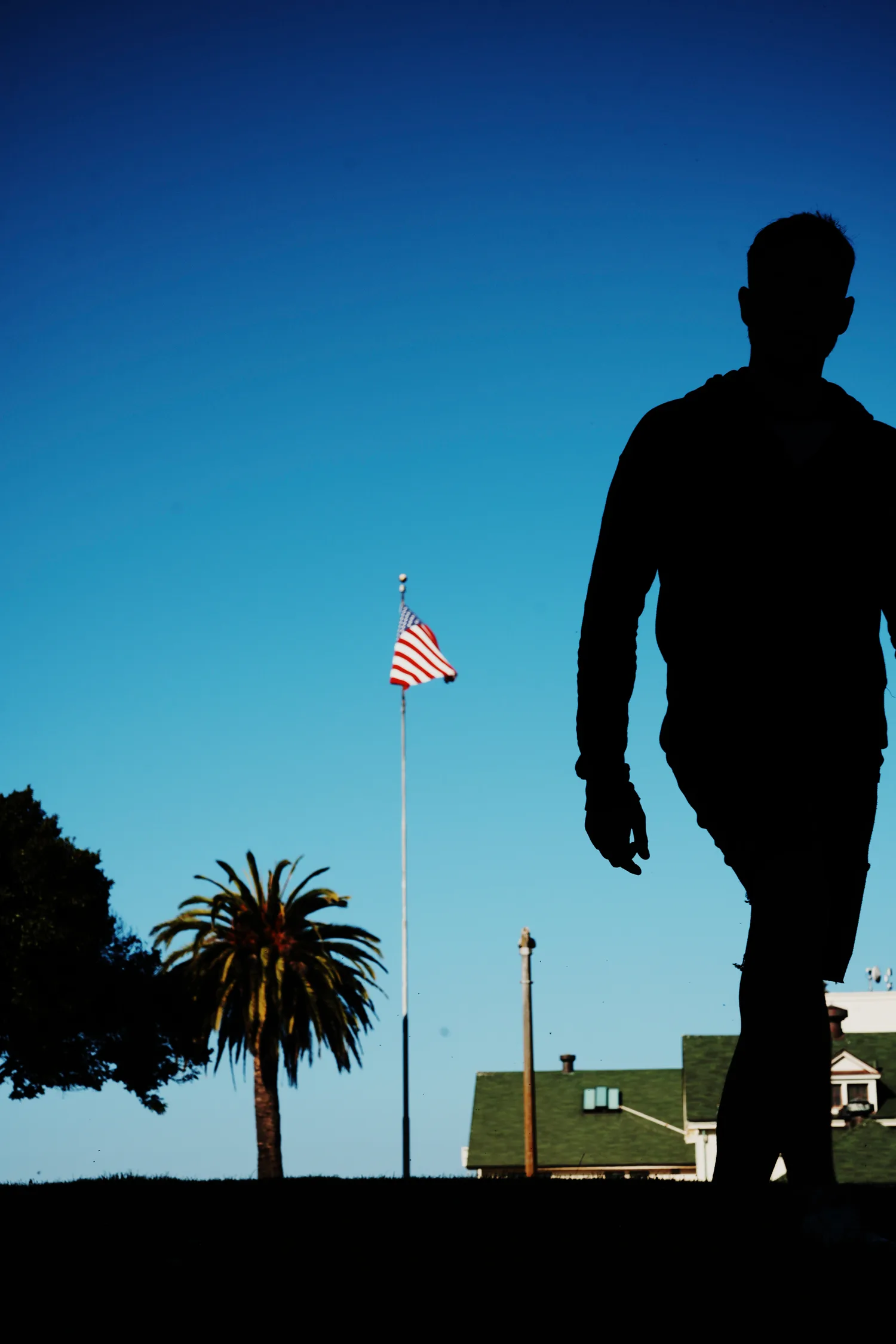
Fiction
The Waves of Fate
Again, a gush of seawater beats Hanna’s aching body down. Knees collapsing, she tries to hold onto her catch. The abalones rattle in the nets, their pearly shells glistening under the setting sun's weak rays. She could no longer pay attention to these details, which used to mesmerize her as a young woman. Today, her only focus is getting to shore alive.
Back straining, she heaves her nets closer to the pebble beach, using the momentum of the gaining waves. When Hanna's torso finally emerges out of the water, she lets herself take off the mask that has been covering her red-lined face for the past hours. Taking a deep, liberating breath, she continues to trudge along the uneven surface of the seafloor.
Looking around, she sees no other Haenyeos1. They must already be up in the barracks cleaning out their catches. Hanna remembers the days she was the first to meet her daily quota -- how she, full of energy, strength, and quiet pride, waited for the others to return. A gray strand of hair blowing across Hanna's face reminds her of what once was and is now lost.
At the barracks, she gracefully placed her weary body down amidst the busy crowd, joining in on the collective sorting and cleaning. Nobody looks up. Every year, the number of familiar faces dwindles. She wishes that Yenna was still here.
Oh, the way they would make the time fly for each other, letting the monotony of the tasks get buried with every secret grin and cackle. Without Yenna to keep her company, the sound of the young Haenyeos' giddy whispers makes something inside her ache.
With burning fingers from the scrubbing, poking, and soaking, Hanna accepts her pay and commutes home. With the buses now running often and everywhere, it takes her less time to get back to her quaint inland cottage. She used to love the walk they'd take with Yenna through untrodden paths across their favorite tangerine farms.
With the sun long gone, they would sneak past the low-rising stone walls, run through the tall trees, and gather as much fallen fruit as they could carry. The adrenaline of late-night adventures would make their hearts race and grins grow. As soon as they were in the clear, bottled-up laughter would explode, filling their eyes with blissful tears, and their hearts - with warmth and satisfaction.
Ah, the tangerines. How sweet the juicy pieces used to taste after such mischief, their flavors bouncing around and finally melting in their mouths. Under the moonlight, their thin yellow-green peels would fall right off, leaving traces behind two oblivious figures too deep in ecstasy and joy to notice.
Riding past the modern, suffocating, conglomerate farms, Hanna reminisces on the plentifulness of the past – filled with nature, space, and freedom. She no longer feels the magic of the landscape. The bright trees of ripe fruit only bring out a dull pain in her chest, which she wishes would quench someday.
At home, Hanna's presence is met with the lonely squeak of the door's hinges. Sighing, she carefully removes her thread-bare shoes and places them beside a shiny pair meant for another's feet.
With no desire to cook and a long-gone appetite, Hanna seeks immediate refuge from the day. In the darkness, she picks her way to the beckoning mattress. Its softness envelopes her frail frame and lures her into a deep, deserving slumber.
That day, the sea was angry. Its waves - vicious. On the slippery deck of the rusty fishing boat, Hanna pleaded with Yenna: "It's too dangerous. We can't dive today!". It was no use. Yenna was already too far gone into the adrenaline she always got before her plunge. Hanna could do nothing other than follow her into the inviting claws of the deep, dark ocean.
All was quiet in the coldness of the water. Time slowed, and panicked thoughts silenced. The strong, diverging currents pushed the girls' bodies from side to side, but Hanna and Yenna fiercely held onto each other, letting go only to pry an abalone from its peaceful nook.
After what seemed like hours, two gasping heads popped out amidst the sea’s roiling surface. Hanna desperately wanted to return to the boat, feeling her energy depleting with every round. Turning the focus from her nets, Hanna, with Yenna's name on her lips, blanches at the sight of an empty ocean. Silence met Hanna's desperate bellows.
Hanna squirms and shudders, as the dream plays its painfully familiar tune, rustling the sweaty bed sheets in the quiet of the night. With her mind shrouded in the culminating scene, now is the time to jolt awake and gasp! But the gasp never comes. This time, Hanna gets to rest in peace.
As her last breath escapes her wrinkled, tired lips, she is brought out of the darkness back into the joy of tangerines, hot sun, and calm seas. On the nearing horizon, she spots a silhouette gliding towards her. Hanna knows it could only be one person, and so she runs. Finally, she gets to run!
As the two figures crash into each other's open arms, so do the waves, commemorating what they had once ripped apart and are now reuniting.
1: Haenyeo are women from Jeju Island, Korea, whose livelihoods consist of diving for muscles, clams, seaweed, etc. Today, more than 57% of Haenyeos are over the age of 70.
Back straining, she heaves her nets closer to the pebble beach, using the momentum of the gaining waves. When Hanna's torso finally emerges out of the water, she lets herself take off the mask that has been covering her red-lined face for the past hours. Taking a deep, liberating breath, she continues to trudge along the uneven surface of the seafloor.
Looking around, she sees no other Haenyeos1. They must already be up in the barracks cleaning out their catches. Hanna remembers the days she was the first to meet her daily quota -- how she, full of energy, strength, and quiet pride, waited for the others to return. A gray strand of hair blowing across Hanna's face reminds her of what once was and is now lost.
At the barracks, she gracefully placed her weary body down amidst the busy crowd, joining in on the collective sorting and cleaning. Nobody looks up. Every year, the number of familiar faces dwindles. She wishes that Yenna was still here.
Oh, the way they would make the time fly for each other, letting the monotony of the tasks get buried with every secret grin and cackle. Without Yenna to keep her company, the sound of the young Haenyeos' giddy whispers makes something inside her ache.
With burning fingers from the scrubbing, poking, and soaking, Hanna accepts her pay and commutes home. With the buses now running often and everywhere, it takes her less time to get back to her quaint inland cottage. She used to love the walk they'd take with Yenna through untrodden paths across their favorite tangerine farms.
With the sun long gone, they would sneak past the low-rising stone walls, run through the tall trees, and gather as much fallen fruit as they could carry. The adrenaline of late-night adventures would make their hearts race and grins grow. As soon as they were in the clear, bottled-up laughter would explode, filling their eyes with blissful tears, and their hearts - with warmth and satisfaction.
Ah, the tangerines. How sweet the juicy pieces used to taste after such mischief, their flavors bouncing around and finally melting in their mouths. Under the moonlight, their thin yellow-green peels would fall right off, leaving traces behind two oblivious figures too deep in ecstasy and joy to notice.
Riding past the modern, suffocating, conglomerate farms, Hanna reminisces on the plentifulness of the past – filled with nature, space, and freedom. She no longer feels the magic of the landscape. The bright trees of ripe fruit only bring out a dull pain in her chest, which she wishes would quench someday.
At home, Hanna's presence is met with the lonely squeak of the door's hinges. Sighing, she carefully removes her thread-bare shoes and places them beside a shiny pair meant for another's feet.
With no desire to cook and a long-gone appetite, Hanna seeks immediate refuge from the day. In the darkness, she picks her way to the beckoning mattress. Its softness envelopes her frail frame and lures her into a deep, deserving slumber.
That day, the sea was angry. Its waves - vicious. On the slippery deck of the rusty fishing boat, Hanna pleaded with Yenna: "It's too dangerous. We can't dive today!". It was no use. Yenna was already too far gone into the adrenaline she always got before her plunge. Hanna could do nothing other than follow her into the inviting claws of the deep, dark ocean.
All was quiet in the coldness of the water. Time slowed, and panicked thoughts silenced. The strong, diverging currents pushed the girls' bodies from side to side, but Hanna and Yenna fiercely held onto each other, letting go only to pry an abalone from its peaceful nook.
After what seemed like hours, two gasping heads popped out amidst the sea’s roiling surface. Hanna desperately wanted to return to the boat, feeling her energy depleting with every round. Turning the focus from her nets, Hanna, with Yenna's name on her lips, blanches at the sight of an empty ocean. Silence met Hanna's desperate bellows.
Hanna squirms and shudders, as the dream plays its painfully familiar tune, rustling the sweaty bed sheets in the quiet of the night. With her mind shrouded in the culminating scene, now is the time to jolt awake and gasp! But the gasp never comes. This time, Hanna gets to rest in peace.
As her last breath escapes her wrinkled, tired lips, she is brought out of the darkness back into the joy of tangerines, hot sun, and calm seas. On the nearing horizon, she spots a silhouette gliding towards her. Hanna knows it could only be one person, and so she runs. Finally, she gets to run!
As the two figures crash into each other's open arms, so do the waves, commemorating what they had once ripped apart and are now reuniting.
1: Haenyeo are women from Jeju Island, Korea, whose livelihoods consist of diving for muscles, clams, seaweed, etc. Today, more than 57% of Haenyeos are over the age of 70.
Fiction
Look Beyond
Look Beyond…
I wake up under the rays of the orange sun, burning the marks on my skin. There is a dullness in my ears, akin to that of the pressure of an airplane; I did not fly. The surface’s grains crumble under the weight of my hands helping me up, afflicted by the dryness of the heat. I look around the plain – I can smell the isolation from the empty terrains.
What is this place?
And, as an answer, the memories flood back. One fatal step into the darkness below is all it took.
Set aback by their pure strength, I find myself greeting the uneven surface again.
Gaining the composure to step again proves to be as difficult as I could imagine. The ground is firm against my feet, devilishly supporting my downfalls. Getting a standing view of the surroundings, I stare, aghast at how widely the plain stretches across the dimensions all around. And above – a shining light. Familiar heat, akin to that of the beloved Sun, but with a hint of a subtle difference.
I begin walking. Step one: I am Xion. Step two: I grew up in Minnesota. Step three: I can never physically hit or harm a soul. Step four: I am an ordinary tech employee. Step five: I am a Father.
This is where I stop. The loss of air hits suddenly, and soon, I am gasping, tears falling across my face. What kind of Father can commit such a crime? I crumble back on the ground, lost. Basking in the orange for longer than appropriate, the silence gears my thoughts back in motion.
Where on Earth am I? I wonder for a fleeting moment before I realize that, perhaps, I am not on Earth at all.
Daddy and I liked running around the green field and throwing airplanes.
“You fold it like this, you turn it upside down, repeat for the other side, and there you go!” I trusted his instructions and folded my piece of paper.
The first flight was an epic fail. “Oh no, crash landing nose first!” he said as a silent tear slid down my cheek. “It’s okay, buddy! This is just your first try. C’mon, let’s go make another one.”
And so I did. And many others. Some that flew higher than I thought was possible, and others that did not — until a crazy plane showed up. I ran in its trace, but the wind was faster than me. The light paper waved goodbye as it disappeared and landed into the lake. “Dad! Daaaaad!” I cried. “It’s a crazy plane! It went off on its own!”
“Oh buddy, don’t worry! Here, let’s go and find it,” Dad reassuringly said as he started walking down the hill.
“It’s gone, Daddy, there’s no way to get it back!”
“What do you mean, buddy? It’s a superhero plane. And what do superheroes do best?”
“They save the world?” I said, unsure.
“Ah, well, that, too. But they also know more than everyone, and see wider than anyone. Look.”
“Where, Dad?”
“Look beyond…”
“Beyond where?”
“Beyond the ordinary.”
And there it was, hidden from the view of everyone else, behind the trees: the Superhero airplane.
“I see it! I will look beyond, Daddy,” I promised.
This planet has the best sunrises and sunsets I have ever seen. But the beauty is overshadowed by the fact that I must witness them alone.
That should have been my first sign. The sky on Earth turns all shades of orange, pink, and purple, but never the majestic combination of shades of green and red.
Well, and then there’s also the fact that there are two.
Two Suns.
Two stars.
Amidst the eeriness of the day past, I did not notice it was still light even after “sunset”.
And the endless reddened terrains, colored in the shade of red wine under a certain angle. Or maybe it resembles something like the color of a heart, its insides beating in a faint attempt to continue living. Something otherworldly. I laugh. I guess it is.
Look beyond.
I mean, yes, I already know I am not anywhere near home. The nearest exoplanet is hundreds of thousands of lightyears away.
Look beyond.
Insignificant difference in atmospheric pressure, slight more gravitational pull towards the surface – this could explain why getting up felt so wrong… or maybe that’s just me –
Look beyond.
I don’t have any possessions, I barely got my memory back…
Well, shit.
“Listen, Ray, we’ve got reports to fill, questions to answer. There are eight figure-numbers involved. EIGHT! Ray, if we don’t find something now, we might as well turn the crew on Absolution back. Four fucking years gone to waste,” rattled the radio connection console as the communication from Earth reached the craft. All crew members were taken aback, but especially the Captain. The space mission to locate an extraterrestrial signal has been a beaming failure.
“Chief, we are doing the best we can. Maybe there is nothing to find, after all,” said Ray, defeated.
“You don’t believe that. You can’t. Ray Ergeben, you damn well know yourself what is at stake. Humanity needs this. You didn’t just go to space for fun. This was not a little joy-ride on a rollercoaster for your birthday. These are serious implications you are calling out for, young man.”
There was brief static, then another demanding voice: “Captain Ergeben, you are finding me that signal. Look in every little hole, every tiny possibility, beyond all that you know and all that you think you know. Something. Anything. You have one month.”
The painful minutes turned into hours, days, and, finally, weeks. Staring into the beautiful, endless sunsets, the beautiful, isolated terrain, it did not feel like any time had passed.
It was one of those prolonged moments, where there are no words to describe the hurricane within. Faced with the consequences of my actions, the dullness is a constant reminder of the pain I must have inflicted.
My poor, dear boy.
I think about his bright smile that shone in the darkest of nights, his bitter tears when something would not go his way.
I hate myself for it. I may hate even more knowing that I will never reach him. In stupid moments like these, I wish that I could have him look into a different sky, to see me sending him love.
That’s when it hits me.
I start piling up the broken pieces of the Heart – the red rocks start filling the terrain in an organized pattern.
And now, I can only hope. Hope that my boy looks.
“Rufus, do you know where Daddy went?”
Rufus the dog was my new best friend that I got for my birthday. “You are great at knowing where people go. You have a good nose.” I like to tickle it.
“I think Daddy is far far away, deep into the sky. I think he is building campfires, making paper airplanes, and dancing. Lots of dancing.” I imagine his dance moves and repeat after him.
“I think I’ll go to a different sky when I die. I will run on endless fields, see seven-in-a-row rainbows, and have HUGE dogs! And you, Rufus!”
“Ray, darling, dinner is ready,” somebody calls from the kitchen.
I stand up. “Well, Rufus, I need to go. I want to tell you something: one day, I will look into the sky. Not this sky — I will look beyond. Will you look with me?”
Through wiring static, one can just barely make out the words.
“Planet Earth, this is Captain Ergeben on board Absolution. We are receiving a repeated message from Planet NZ-4289’s surface, also known as Hertz2.”
Static.
“Do you read me…?”
“Do you read me?”
2 Hertz - german “heart”.
I wake up under the rays of the orange sun, burning the marks on my skin. There is a dullness in my ears, akin to that of the pressure of an airplane; I did not fly. The surface’s grains crumble under the weight of my hands helping me up, afflicted by the dryness of the heat. I look around the plain – I can smell the isolation from the empty terrains.
What is this place?
And, as an answer, the memories flood back. One fatal step into the darkness below is all it took.
Set aback by their pure strength, I find myself greeting the uneven surface again.
Gaining the composure to step again proves to be as difficult as I could imagine. The ground is firm against my feet, devilishly supporting my downfalls. Getting a standing view of the surroundings, I stare, aghast at how widely the plain stretches across the dimensions all around. And above – a shining light. Familiar heat, akin to that of the beloved Sun, but with a hint of a subtle difference.
I begin walking. Step one: I am Xion. Step two: I grew up in Minnesota. Step three: I can never physically hit or harm a soul. Step four: I am an ordinary tech employee. Step five: I am a Father.
This is where I stop. The loss of air hits suddenly, and soon, I am gasping, tears falling across my face. What kind of Father can commit such a crime? I crumble back on the ground, lost. Basking in the orange for longer than appropriate, the silence gears my thoughts back in motion.
Where on Earth am I? I wonder for a fleeting moment before I realize that, perhaps, I am not on Earth at all.
Daddy and I liked running around the green field and throwing airplanes.
“You fold it like this, you turn it upside down, repeat for the other side, and there you go!” I trusted his instructions and folded my piece of paper.
The first flight was an epic fail. “Oh no, crash landing nose first!” he said as a silent tear slid down my cheek. “It’s okay, buddy! This is just your first try. C’mon, let’s go make another one.”
And so I did. And many others. Some that flew higher than I thought was possible, and others that did not — until a crazy plane showed up. I ran in its trace, but the wind was faster than me. The light paper waved goodbye as it disappeared and landed into the lake. “Dad! Daaaaad!” I cried. “It’s a crazy plane! It went off on its own!”
“Oh buddy, don’t worry! Here, let’s go and find it,” Dad reassuringly said as he started walking down the hill.
“It’s gone, Daddy, there’s no way to get it back!”
“What do you mean, buddy? It’s a superhero plane. And what do superheroes do best?”
“They save the world?” I said, unsure.
“Ah, well, that, too. But they also know more than everyone, and see wider than anyone. Look.”
“Where, Dad?”
“Look beyond…”
“Beyond where?”
“Beyond the ordinary.”
And there it was, hidden from the view of everyone else, behind the trees: the Superhero airplane.
“I see it! I will look beyond, Daddy,” I promised.
This planet has the best sunrises and sunsets I have ever seen. But the beauty is overshadowed by the fact that I must witness them alone.
That should have been my first sign. The sky on Earth turns all shades of orange, pink, and purple, but never the majestic combination of shades of green and red.
Well, and then there’s also the fact that there are two.
Two Suns.
Two stars.
Amidst the eeriness of the day past, I did not notice it was still light even after “sunset”.
And the endless reddened terrains, colored in the shade of red wine under a certain angle. Or maybe it resembles something like the color of a heart, its insides beating in a faint attempt to continue living. Something otherworldly. I laugh. I guess it is.
Look beyond.
I mean, yes, I already know I am not anywhere near home. The nearest exoplanet is hundreds of thousands of lightyears away.
Look beyond.
Insignificant difference in atmospheric pressure, slight more gravitational pull towards the surface – this could explain why getting up felt so wrong… or maybe that’s just me –
Look beyond.
I don’t have any possessions, I barely got my memory back…
Well, shit.
“Listen, Ray, we’ve got reports to fill, questions to answer. There are eight figure-numbers involved. EIGHT! Ray, if we don’t find something now, we might as well turn the crew on Absolution back. Four fucking years gone to waste,” rattled the radio connection console as the communication from Earth reached the craft. All crew members were taken aback, but especially the Captain. The space mission to locate an extraterrestrial signal has been a beaming failure.
“Chief, we are doing the best we can. Maybe there is nothing to find, after all,” said Ray, defeated.
“You don’t believe that. You can’t. Ray Ergeben, you damn well know yourself what is at stake. Humanity needs this. You didn’t just go to space for fun. This was not a little joy-ride on a rollercoaster for your birthday. These are serious implications you are calling out for, young man.”
There was brief static, then another demanding voice: “Captain Ergeben, you are finding me that signal. Look in every little hole, every tiny possibility, beyond all that you know and all that you think you know. Something. Anything. You have one month.”
The painful minutes turned into hours, days, and, finally, weeks. Staring into the beautiful, endless sunsets, the beautiful, isolated terrain, it did not feel like any time had passed.
It was one of those prolonged moments, where there are no words to describe the hurricane within. Faced with the consequences of my actions, the dullness is a constant reminder of the pain I must have inflicted.
My poor, dear boy.
I think about his bright smile that shone in the darkest of nights, his bitter tears when something would not go his way.
I hate myself for it. I may hate even more knowing that I will never reach him. In stupid moments like these, I wish that I could have him look into a different sky, to see me sending him love.
That’s when it hits me.
I start piling up the broken pieces of the Heart – the red rocks start filling the terrain in an organized pattern.
And now, I can only hope. Hope that my boy looks.
“Rufus, do you know where Daddy went?”
Rufus the dog was my new best friend that I got for my birthday. “You are great at knowing where people go. You have a good nose.” I like to tickle it.
“I think Daddy is far far away, deep into the sky. I think he is building campfires, making paper airplanes, and dancing. Lots of dancing.” I imagine his dance moves and repeat after him.
“I think I’ll go to a different sky when I die. I will run on endless fields, see seven-in-a-row rainbows, and have HUGE dogs! And you, Rufus!”
“Ray, darling, dinner is ready,” somebody calls from the kitchen.
I stand up. “Well, Rufus, I need to go. I want to tell you something: one day, I will look into the sky. Not this sky — I will look beyond. Will you look with me?”
Through wiring static, one can just barely make out the words.
“Planet Earth, this is Captain Ergeben on board Absolution. We are receiving a repeated message from Planet NZ-4289’s surface, also known as Hertz2.”
Static.
“Do you read me…?”
“Do you read me?”
2 Hertz - german “heart”.
Fiction
Perfect Being
It must be a conspiracy, he told himself, as he watched her stride onto the stage. It was her third time this month receiving some kind of award. Her parents must have crafted a plan. Maybe even before her birth. On one thunderous night, they meticulously wrote down, with a Japanese fountain pen, a manifesto for a Perfect Being. By dawn, Her qualities, Her spirit, Her essence, consolidated into physical form on paper.
His parents must have been in total oblivion of such a plan. As his obsession grew, his hatred towards his own parents grew more. They don’t sign him up for any tutorials beyond school. Nor encourage him to do sports or play an instrument. The only thing they do is come back late at night, at nine or ten, and give him leftover food from their client’s meal while he finishes his homework for the day. How can he know in which direction he must grow?
His introspection reasoned him to one single conclusion. That he must begin to pursue one single endeavor from now on to fully deconstruct himself into the tiniest of fragments and piece together the Perfect Being from scratch. He believes he could raise himself on his own. And perhaps with time, such a being might be more Perfect than the Perfect Being.
Proudly, he considers himself as both art and an artist. Through intense observations of others, he steals their good fragments and discards the bad ones. Until the fragments are so small, that they piece him together and become him. As if how art comes to be, he thinks. We can’t fully trace artistic inspirations, but we can make inferences about them. Yet by that time, it doesn’t matter what those inspirations are, as they become the art and serve as inspirations for others who come later.
For this, he tries to do many things. He studies really hard. He joins the Quidditch team, which by the way is an intense cardio sport where he must fit a broomstick between his thighs. He also sings in the acapella. And, of course, he is a social magnet who wraps himself by will to fit the occasion. He does all these things not because he enjoys them, though he has learned to enjoy them. Rather, it is to execute his philosophy, his pedagogy of becoming the Perfect being.
Yet, no matter how hard he tries, his heart aches. It resists. It trembles. In moments like this, he wears out his body and tires his soul. Often, that means running. In this way, he silences his heart. Though at the old oak tree, where he often finishes his runs, the leaves are falling bright red. Some leaves hold on until the wind sweeps them down. Even trees can’t prevent that. And under it, he cries in his tender true self.
His parents must have been in total oblivion of such a plan. As his obsession grew, his hatred towards his own parents grew more. They don’t sign him up for any tutorials beyond school. Nor encourage him to do sports or play an instrument. The only thing they do is come back late at night, at nine or ten, and give him leftover food from their client’s meal while he finishes his homework for the day. How can he know in which direction he must grow?
His introspection reasoned him to one single conclusion. That he must begin to pursue one single endeavor from now on to fully deconstruct himself into the tiniest of fragments and piece together the Perfect Being from scratch. He believes he could raise himself on his own. And perhaps with time, such a being might be more Perfect than the Perfect Being.
Proudly, he considers himself as both art and an artist. Through intense observations of others, he steals their good fragments and discards the bad ones. Until the fragments are so small, that they piece him together and become him. As if how art comes to be, he thinks. We can’t fully trace artistic inspirations, but we can make inferences about them. Yet by that time, it doesn’t matter what those inspirations are, as they become the art and serve as inspirations for others who come later.
For this, he tries to do many things. He studies really hard. He joins the Quidditch team, which by the way is an intense cardio sport where he must fit a broomstick between his thighs. He also sings in the acapella. And, of course, he is a social magnet who wraps himself by will to fit the occasion. He does all these things not because he enjoys them, though he has learned to enjoy them. Rather, it is to execute his philosophy, his pedagogy of becoming the Perfect being.
Yet, no matter how hard he tries, his heart aches. It resists. It trembles. In moments like this, he wears out his body and tires his soul. Often, that means running. In this way, he silences his heart. Though at the old oak tree, where he often finishes his runs, the leaves are falling bright red. Some leaves hold on until the wind sweeps them down. Even trees can’t prevent that. And under it, he cries in his tender true self.
Fiction
Sisyphus’ Brother
On his way down, Sisyphus is stunned and dismayed to have bumped into his brother Mesaphus. While it is certainly pleasant to see his brother after two years apart, Sisyphus considers this reunion an intolerable disruption to his routine. In fact, an overwhelming anger starts to swell in Sisyphus’ heart for his brother’s untimely appearance. Just when I thought it was another day, he laments.
Sisyphus watches Mesaphus hike up the Peak, but his rock is nowhere to be seen. “Brother! How are you here? Looks like you got rid of your rock!” Sisyphus yells. As it turns out, two years ago, Mesaphus left the Hill with his rock to find the Ocean, where rumors had it then that he could rest his rock on the beach and spend his day however he liked. And so, a few months after he arrived at the Ocean, he sunk his rock off the shore.
“I miss the Peak, brother. The Ocean will never be as satisfying. But this time, no rock is needed,” Mesaphus says. Sisyphus sees his proud smile. And Mesaphus is indeed barely sweating. But somehow, he thinks Mesaphus is showing too much teeth. Though concerned, Sisyphus decides not to think about it too much. He doesn’t have time. Plus, he needs to save his energy. The next shift begins in exactly twenty-two minutes.
Mesaphus wants to ask his little brother how he’s doing, but he dares not to. And so, the brothers bid farewell. Back at the bottom of the valley, Sisyphus adjusts his shoes and rolls up his sleeves again. Out of the corner of his eyes, he catches his brother’s silhouette waning against the setting sun.
Unlike himself, he pauses and studies him. He sees his brother’s footsteps. Weary, it seems. Occasionally, he raises his right hand to his face. He thinks, is he crying? Isn’t his rock gone? But the thought doesn’t last long, as he turns and begins to roll his rock onwards and up.
Sisyphus watches Mesaphus hike up the Peak, but his rock is nowhere to be seen. “Brother! How are you here? Looks like you got rid of your rock!” Sisyphus yells. As it turns out, two years ago, Mesaphus left the Hill with his rock to find the Ocean, where rumors had it then that he could rest his rock on the beach and spend his day however he liked. And so, a few months after he arrived at the Ocean, he sunk his rock off the shore.
“I miss the Peak, brother. The Ocean will never be as satisfying. But this time, no rock is needed,” Mesaphus says. Sisyphus sees his proud smile. And Mesaphus is indeed barely sweating. But somehow, he thinks Mesaphus is showing too much teeth. Though concerned, Sisyphus decides not to think about it too much. He doesn’t have time. Plus, he needs to save his energy. The next shift begins in exactly twenty-two minutes.
Mesaphus wants to ask his little brother how he’s doing, but he dares not to. And so, the brothers bid farewell. Back at the bottom of the valley, Sisyphus adjusts his shoes and rolls up his sleeves again. Out of the corner of his eyes, he catches his brother’s silhouette waning against the setting sun.
Unlike himself, he pauses and studies him. He sees his brother’s footsteps. Weary, it seems. Occasionally, he raises his right hand to his face. He thinks, is he crying? Isn’t his rock gone? But the thought doesn’t last long, as he turns and begins to roll his rock onwards and up.
Fiction
Today, I offer my ears to you
You gaze into my eyes. Your face smiling but not saying a word. It is trying to tell me something, though you might not be aware. Are you dancing in a daydream or carrying the weight of the world? Some days, as I wander through the streets or settle on a park bench, I am a silent witness to a stranger who is you. In the caressing sun rays, I lean in to listen closely, to collect the cues it drops, lest those in a rush remain ever oblivious. But today, I reminisced about the mountains.
At 2000 meters, we slowly descended on the base camp trail. The afternoon sun glared at us unceasingly at this altitude. Snowy and arid, sheets of strong white weighed on the peaks, like the thick icing that would crumble a tall wedding cake. Hanako and I were not close. In fact, it was only our fourth day of knowing each other. But something drew me to her. A kind of affinity. Would you, a stranger, sense that too?
As the cliff ahead towered over us, we began to lose the sharp tingle of the sun. In the cold wind, somehow Hanako and I found ourselves broken out of the group, leaving the rest behind. We walked in silence, hands in our pockets, as I, for the first time, breathed in the grandeur of where we were. Twenty kilometers from the border of Chile, we were on the trail that would lead us to the tallest peak in the Americas, Aconcagua of the Andes ranges. Could you believe it?
I couldn’t when Hanako said her boyfriend had a heart problem. I was stunned both at the news and as to why she brought it up. But I suppressed my urge to break the silence and collected myself. I waited to see if she wanted to go on, but she waited for my reply first.
Oh?
The doctor said he won't live after 25 years, she continued. How old is he now, I asked. 24, she responded bluntly. Are you okay, I asked. Yeah. After a moment, I added, he must live a fuller life than others then, doesn’t he? She turned to look at me and agreed. He does; he does so many things every day.
As far as I remember, that is all there was to the conversation. Apart from showing surprise, could I have said much more? Perhaps Hanako didn't know why she brought it up, either. The breeze caressed us. Cold but light. She smiled at me and cheerily said, “Oh, I must use the washroom,” as she skipped downhill towards it, leaving me behind in the remnants of that exchange. As I waited for the others to catch up, I gazed up at the hills. This time, the sun was glowing in the afternoon. For a moment, I smiled and thought the snow no longer burdened the rainbow mountains. That day, I was glad I could offer my ears.
At 2000 meters, we slowly descended on the base camp trail. The afternoon sun glared at us unceasingly at this altitude. Snowy and arid, sheets of strong white weighed on the peaks, like the thick icing that would crumble a tall wedding cake. Hanako and I were not close. In fact, it was only our fourth day of knowing each other. But something drew me to her. A kind of affinity. Would you, a stranger, sense that too?
As the cliff ahead towered over us, we began to lose the sharp tingle of the sun. In the cold wind, somehow Hanako and I found ourselves broken out of the group, leaving the rest behind. We walked in silence, hands in our pockets, as I, for the first time, breathed in the grandeur of where we were. Twenty kilometers from the border of Chile, we were on the trail that would lead us to the tallest peak in the Americas, Aconcagua of the Andes ranges. Could you believe it?
I couldn’t when Hanako said her boyfriend had a heart problem. I was stunned both at the news and as to why she brought it up. But I suppressed my urge to break the silence and collected myself. I waited to see if she wanted to go on, but she waited for my reply first.
Oh?
The doctor said he won't live after 25 years, she continued. How old is he now, I asked. 24, she responded bluntly. Are you okay, I asked. Yeah. After a moment, I added, he must live a fuller life than others then, doesn’t he? She turned to look at me and agreed. He does; he does so many things every day.
As far as I remember, that is all there was to the conversation. Apart from showing surprise, could I have said much more? Perhaps Hanako didn't know why she brought it up, either. The breeze caressed us. Cold but light. She smiled at me and cheerily said, “Oh, I must use the washroom,” as she skipped downhill towards it, leaving me behind in the remnants of that exchange. As I waited for the others to catch up, I gazed up at the hills. This time, the sun was glowing in the afternoon. For a moment, I smiled and thought the snow no longer burdened the rainbow mountains. That day, I was glad I could offer my ears.
Poetry
Childless
Where am I going?
I don't know,
but I sense the calm
in my bones
when I move,
when I don't stay too long,
even if I can't create a bond
with a place
or a person.
I'm not cursed,
I just can't
stay in a line
like you do
because for me,
that's a prison sentence.
You’re forcing me
with these lies
behind the bars
of this golden cage.
So I tend to get tense,
when you suggest that I
settle down,
I am not a mom
yet,
or maybe
I don't ever want to be
one.
So let me live
on my own terms,
let me enjoy freedom.
It's not wrong,
don't worry.
"No," is a full sentence,
end of this story.
I don't know,
but I sense the calm
in my bones
when I move,
when I don't stay too long,
even if I can't create a bond
with a place
or a person.
I'm not cursed,
I just can't
stay in a line
like you do
because for me,
that's a prison sentence.
You’re forcing me
with these lies
behind the bars
of this golden cage.
So I tend to get tense,
when you suggest that I
settle down,
I am not a mom
yet,
or maybe
I don't ever want to be
one.
So let me live
on my own terms,
let me enjoy freedom.
It's not wrong,
don't worry.
"No," is a full sentence,
end of this story.
Video
Control
Life unfolds like a million tiny choices, many tucked away in the corners of our minds. But under the surface, our cells hum with a hidden code, pushing us toward the inevitable end. Yet, each decision, big or small, is a chance roll for survival, a shot at something better.
What if you could grab destiny by the remote, flip the channel, and rewrite your story? But beware, control is as much of an illusion as life is. So before you push the button, remember: the price of power might be the very thing you're trying to escape.
What if you could grab destiny by the remote, flip the channel, and rewrite your story? But beware, control is as much of an illusion as life is. So before you push the button, remember: the price of power might be the very thing you're trying to escape.
Nonfiction
Traumatic Family and Hustle Culture
Trigger Warning: Mentions of Suicide
Between the ages of two and four, my parents sent me back to my maternal grandparents to take care of me because they were buried in work. Growing up in a family where my parents were under pressure to put food on the table taught me not to disturb them. More horribly, there was a time when I saw my mother attempting to commit suicide in front of me and my father in her battle with depression over work.
I adopted all the social norms and cultural expectations at school to meet my survival needs. They could have ranged from refraining from speaking out, nagging, or expressing certain ‘disturbing’ emotions — anything that annoyed people. I hoped I could be comforted in exchange for my submission. Even worse, the standardized education and the ranking system were built to demand a ‘perfect 10’ performance to guarantee my sense of security.
For a long time, I was used to seeing myself full of weaknesses. I didn’t know what my advantages were, all I could see were my mistakes pointed out by my father. However, one of the most painful words from my father was “I’m going through distress because of you” when he saw I didn’t fit in the gender norms. I felt ashamed of being my true self. Indeed, what’s the point of being proud when society, especially your close ones, sees you as a defective product?
Growing up, I learned and adopted the necessary strategies and working skills to cover up my vulnerabilities. Not having empathy and tolerance for making mistakes made it hard to admit them and say sorry to others. To avoid feeling shameful and receiving enough attention and support, I strived for perfectionism and refrained from showing flaws in front of people. Hence, this mindset made me susceptible to letting others determine my self-worth.
Surprisingly, modern economics jumped in as a one-size-fits-all solution. It was conditioned to give rewards and recognition for people to strive for ‘success’ in professional work, which were the things I longed for to make up for my insufficiency of acknowledgment.
At work, I experienced imposter syndrome when facing the absence of consistently positive feedback in my code reviews from a senior. Therefore, I kept working harder to cope with my inadequacy when comparing myself to anyone. I became a covert narcissist as I felt bad whenever I tried to establish my borderline. I tortured myself whenever I said no to people’s wills as I projected my emotions onto the rejected ones in the name of empathy.
Feeling full of despair, I indulged myself in any means of entertainment and materialism to boost my dopamine and feel content. Paradoxically, does materialism want me to feel sufficient? Regardless of how often the hustle culture wore me out and made me feel ‘not enough’, I also took pride in overcoming those obstacles by refusing to stay stagnant. I fell into the trap of overt narcissism where I constantly tried to stand out as a pick-me in any scope as if it was never enough to be praised in only one field when I could become multi-talented.
In the modern world, such narcissistic traits are pretty much welcomed and praised by most organizations to establish customer relationships and maintain the retention rate, while simultaneously converting them into revenues. Driven by a chronic fear of being rejected, people numb all their present emotions while living in shame, making us suffer for being just ordinary humans and finding life isn’t worth living.
Nevertheless, It hit the hardest when I ruined some of my relationships by picking up that attitude at work and invalidating other team members’ feelings due to the strenuous workload. Finally, I became a piece of the puzzle named Hustle and Bustle.
Between the ages of two and four, my parents sent me back to my maternal grandparents to take care of me because they were buried in work. Growing up in a family where my parents were under pressure to put food on the table taught me not to disturb them. More horribly, there was a time when I saw my mother attempting to commit suicide in front of me and my father in her battle with depression over work.
I adopted all the social norms and cultural expectations at school to meet my survival needs. They could have ranged from refraining from speaking out, nagging, or expressing certain ‘disturbing’ emotions — anything that annoyed people. I hoped I could be comforted in exchange for my submission. Even worse, the standardized education and the ranking system were built to demand a ‘perfect 10’ performance to guarantee my sense of security.
For a long time, I was used to seeing myself full of weaknesses. I didn’t know what my advantages were, all I could see were my mistakes pointed out by my father. However, one of the most painful words from my father was “I’m going through distress because of you” when he saw I didn’t fit in the gender norms. I felt ashamed of being my true self. Indeed, what’s the point of being proud when society, especially your close ones, sees you as a defective product?
Growing up, I learned and adopted the necessary strategies and working skills to cover up my vulnerabilities. Not having empathy and tolerance for making mistakes made it hard to admit them and say sorry to others. To avoid feeling shameful and receiving enough attention and support, I strived for perfectionism and refrained from showing flaws in front of people. Hence, this mindset made me susceptible to letting others determine my self-worth.
Surprisingly, modern economics jumped in as a one-size-fits-all solution. It was conditioned to give rewards and recognition for people to strive for ‘success’ in professional work, which were the things I longed for to make up for my insufficiency of acknowledgment.
At work, I experienced imposter syndrome when facing the absence of consistently positive feedback in my code reviews from a senior. Therefore, I kept working harder to cope with my inadequacy when comparing myself to anyone. I became a covert narcissist as I felt bad whenever I tried to establish my borderline. I tortured myself whenever I said no to people’s wills as I projected my emotions onto the rejected ones in the name of empathy.
Feeling full of despair, I indulged myself in any means of entertainment and materialism to boost my dopamine and feel content. Paradoxically, does materialism want me to feel sufficient? Regardless of how often the hustle culture wore me out and made me feel ‘not enough’, I also took pride in overcoming those obstacles by refusing to stay stagnant. I fell into the trap of overt narcissism where I constantly tried to stand out as a pick-me in any scope as if it was never enough to be praised in only one field when I could become multi-talented.
In the modern world, such narcissistic traits are pretty much welcomed and praised by most organizations to establish customer relationships and maintain the retention rate, while simultaneously converting them into revenues. Driven by a chronic fear of being rejected, people numb all their present emotions while living in shame, making us suffer for being just ordinary humans and finding life isn’t worth living.
Nevertheless, It hit the hardest when I ruined some of my relationships by picking up that attitude at work and invalidating other team members’ feelings due to the strenuous workload. Finally, I became a piece of the puzzle named Hustle and Bustle.
Nonfiction
The Sprouting Struggle
The bells rang. The church was in festivity. There was chanting and warm food. Happiness was brought home. I was born. Serene as the dawn and factual as thunder, love came. The seeds were spread.
The first love was the one that came before me. Mother love. The kind of love that comes before the beloved arrives. Mother is the prophet who prepared the path for her child’s arrival. Her love is the first language we encounter – the first way to decrypt the world. A non-self-centered kind of love. A pelican mother’s love.
Her love was divine because it did not request an answer or suppositions. It was above all transactions and unilateral encounters. Growing from her womb, nurturing me like the seed nurtures the formation of the first leaves and roots. Giving me the inspiration to fly but also to stay. The seeds provide the leaves with their own energy without merits and praises. Free and open. Sufficient and necessary. Without her energy, sprouts would not exist. Love conditions life. A sacrifice free of expectations. A complete germination. Binding of Isaac.
“Love is sacrifice,” a priest once said. That was the first time I related to love with a commonly avoided action. To prepare food, one should first put effort, devote time, and be fully committed. One does not intentionally look for the hard work but accepts it when it comes. That is the cost of love. Loving is building bridges. We indeed need to love ourselves to love others. However, this self-love should be a propeller, not an anchor. Otherwise, it becomes self-seeking. Becomes walls instead of bridges. Just like God gives himself in totally without expectation, so should we. God’s love is Mother’s love. It is a love without claims, chains, or ties. Unconditional. “God is Love”. If God is love, we are transcending our human essence and reaching a divine one when we love. Yet love is purely human, nothing more than the maximum expression of the totality of human nature. Here lies an ontological paradox: to be divine, we only need to be human. But we never figured out how to be human in principle.
I reflected on the pragmatism of love. I questioned myself several times about which boxes to check to ensure I was loving. Talking to friends, we concluded that love can be a feeling, an ethics, an action, a state of mind, or something else. I learned in elementary school philosophy classes that old Greek names love in several ways. Language shapes our perception of reality. And the words shape our perception of love. Storge. Philia. Eros. Philautia. Agape. The latter is to will the good of another, as Aquinas said. Love is a multidimensional entity whose projections are only available in our limited planes. Each type of love forms one of the axes.
Learning about love did not make me love more because love is a daily pledge. M. Scott Peck tells us that love is the will to extend one's self for the purpose of nurturing one's own or another's spiritual growth. It is intentional and pragmatic. We choose to love because it requires a stand of commitment. This does not mean love is orthodox, but it should be the unrestrained expression of human freedom or the full manifestation of its political being. We do not love because we should love but because we claim it. Love is a human right.
Love brings back one’s humanity by reconnecting one to another. “Religion” comes from Latin as “to bind together.” And love is that conjunction that makes you and me become us, restoring what was once broken. Only we can intentionally create the earthly paradise.
The lack of love is hell. For Fyodor Dostoevsky, hell is the suffering of being unable to love, and only love can establish the broken bond between earth and heaven. Paradise is loving. Once we do it, we finally see the serenity was restored, just like the sky after the deluge. Or the plant after the sprouting struggle. After the preparation of the feast, we can finally delight ourselves. We can ultimately bloom.
Nothing was in vain. Neither the ring. Nor the chants. I was ready to leave because I knew I would be able to remain.
Love came without notice and stayed with our consent.