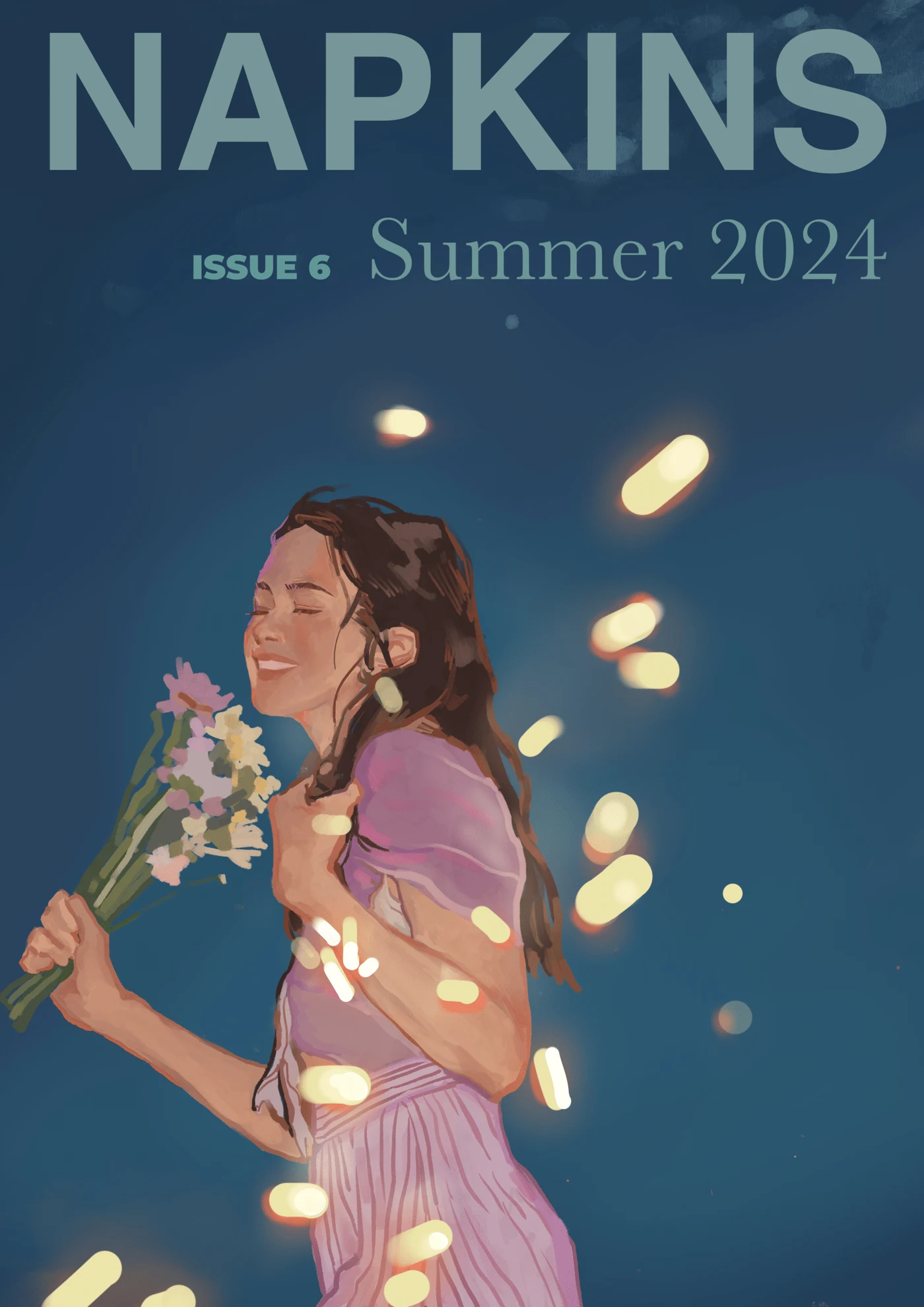
Introduction
Foreword
Summer is long gone.
And yet, again, I am in summer, in Buenos Aires. But I do not feel Summer. All I feel is heat, sweat, and too much sun. I keep working and pushing the clogs of my brain to spin faster and faster – to keep up with my ambitions. In those moments, the season of summer angers me. Why does the asado on the rooftops look so scrumptious and the water in the pool make me want to go for a dip in cold water, while instead, I am stuck inside of air-conditioned soulless boxes, drooling at the possibility of Summer fun?
So what is this Summer that I can’t seem to find right now – the one I had, so full it was, 6 months ago or so? Well… it’s definitely a construct and a privilege tied to academic institutions. Work in the fall and spring, and you get summer off. I remember turning off my phone, turning off my laptop, and turning off the 5 consecutive alarm clocks. What then? When all of these mechanisms of productivity are off, what happens then? Surely, one must die. Surely, there is no life without Pomodoros and burning deadlines.
While I kept scratching at my brain, trying to come up with an activity, the eager faces of my dogs crept up to me, generously spreading drool over my face – as if feeling the change in the atmosphere. Summer has come, and they know it!
Not wanting to disappoint, we went on the first walk of the season. Such a steep road, my dogs going too fast for my out-of-shape body, and sweat from exercise coming off me in a forgotten and slightly disgusting way. After pushing forward for a while, I began ignoring all that was happening within me, and instead, I looked around. My dogs were breathing just as heavily as I was, if not more – wet tongues dangling – pure joy and gratitude. Tails wagging, they kept their pace – eyes out for an unlucky squirrel or cat to sprint after. And around us were trees with so many golden apples hanging off their branches! Spreading over hills and hills, growing out their treasures – what a gift.
The semester behind me, the cement world forgotten, I was back at the center of what matters – my relationship with nature.
For me, Summer is that – a chance to reevaluate my values, recharge my batteries, and reconnect with the slow things in life. It’s sad to notice that all the verbs of Summer begin with a “re,” as if when it’s not Summer, I am forced to deplete these things that sustain me. But life is long, and someday, I will find my Summer in every season.
I hope the following compilation of works – charged with personality, hard work, and rich imagination – lets you remember your own Summer in its pages. Let them wash over you and share their energy – sustain you in these busy months.
And yet, again, I am in summer, in Buenos Aires. But I do not feel Summer. All I feel is heat, sweat, and too much sun. I keep working and pushing the clogs of my brain to spin faster and faster – to keep up with my ambitions. In those moments, the season of summer angers me. Why does the asado on the rooftops look so scrumptious and the water in the pool make me want to go for a dip in cold water, while instead, I am stuck inside of air-conditioned soulless boxes, drooling at the possibility of Summer fun?
So what is this Summer that I can’t seem to find right now – the one I had, so full it was, 6 months ago or so? Well… it’s definitely a construct and a privilege tied to academic institutions. Work in the fall and spring, and you get summer off. I remember turning off my phone, turning off my laptop, and turning off the 5 consecutive alarm clocks. What then? When all of these mechanisms of productivity are off, what happens then? Surely, one must die. Surely, there is no life without Pomodoros and burning deadlines.
While I kept scratching at my brain, trying to come up with an activity, the eager faces of my dogs crept up to me, generously spreading drool over my face – as if feeling the change in the atmosphere. Summer has come, and they know it!
Not wanting to disappoint, we went on the first walk of the season. Such a steep road, my dogs going too fast for my out-of-shape body, and sweat from exercise coming off me in a forgotten and slightly disgusting way. After pushing forward for a while, I began ignoring all that was happening within me, and instead, I looked around. My dogs were breathing just as heavily as I was, if not more – wet tongues dangling – pure joy and gratitude. Tails wagging, they kept their pace – eyes out for an unlucky squirrel or cat to sprint after. And around us were trees with so many golden apples hanging off their branches! Spreading over hills and hills, growing out their treasures – what a gift.
The semester behind me, the cement world forgotten, I was back at the center of what matters – my relationship with nature.
For me, Summer is that – a chance to reevaluate my values, recharge my batteries, and reconnect with the slow things in life. It’s sad to notice that all the verbs of Summer begin with a “re,” as if when it’s not Summer, I am forced to deplete these things that sustain me. But life is long, and someday, I will find my Summer in every season.
I hope the following compilation of works – charged with personality, hard work, and rich imagination – lets you remember your own Summer in its pages. Let them wash over you and share their energy – sustain you in these busy months.
Daria
Editorette in Chief
Editorette in Chief
Poetry
I was there once and I got the oat milk latte
Seoul is in a puddle on this
after-rainy night and I am like a child in
the pink gumboots I once kept in my cupboard
for times like this.
My reflection in the subway glass says I
exist I
exist. I
missed my stop writing this poem and
nobody saw.
In between new strangers in new coats,
I wish for your arms,
our street. Old wood that creaks:
‘There’s no leaving this place.’
Goodbye, house. How
far away I am from you -
from myself -
tonight.
A prodigal's son,
my mind sometimes misses trains; flights -
even with both feet on the ground I don't notice
the puddle until I feel the wet in my socks.
Pink gumboots don't fit in my suitcase,
but I can't help going out after the rain:
a kind of liberation.
Did I live even one day in this place?
And how to know, except by the odd familiarity?
A street name or coffee shop, perhaps,
to which I point with resolution and say
(to no-one in particular)
‘This is my home now.’
This is my reflection in the subway glass and
I know I am here even though I
missed my stop and
nobody saw.
I was there once and I got the oat milk latte.
How strange are these things we cling to;
how fickle the lies of belonging as I pack my bags.
Goodbye, house. Will
you ever fit on the luggage scale and
is that me I see in the window pane?
after-rainy night and I am like a child in
the pink gumboots I once kept in my cupboard
for times like this.
My reflection in the subway glass says I
exist I
exist. I
missed my stop writing this poem and
nobody saw.
In between new strangers in new coats,
I wish for your arms,
our street. Old wood that creaks:
‘There’s no leaving this place.’
Goodbye, house. How
far away I am from you -
from myself -
tonight.
A prodigal's son,
my mind sometimes misses trains; flights -
even with both feet on the ground I don't notice
the puddle until I feel the wet in my socks.
Pink gumboots don't fit in my suitcase,
but I can't help going out after the rain:
a kind of liberation.
Did I live even one day in this place?
And how to know, except by the odd familiarity?
A street name or coffee shop, perhaps,
to which I point with resolution and say
(to no-one in particular)
‘This is my home now.’
This is my reflection in the subway glass and
I know I am here even though I
missed my stop and
nobody saw.
I was there once and I got the oat milk latte.
How strange are these things we cling to;
how fickle the lies of belonging as I pack my bags.
Goodbye, house. Will
you ever fit on the luggage scale and
is that me I see in the window pane?
Photography
Ends and Beginnings
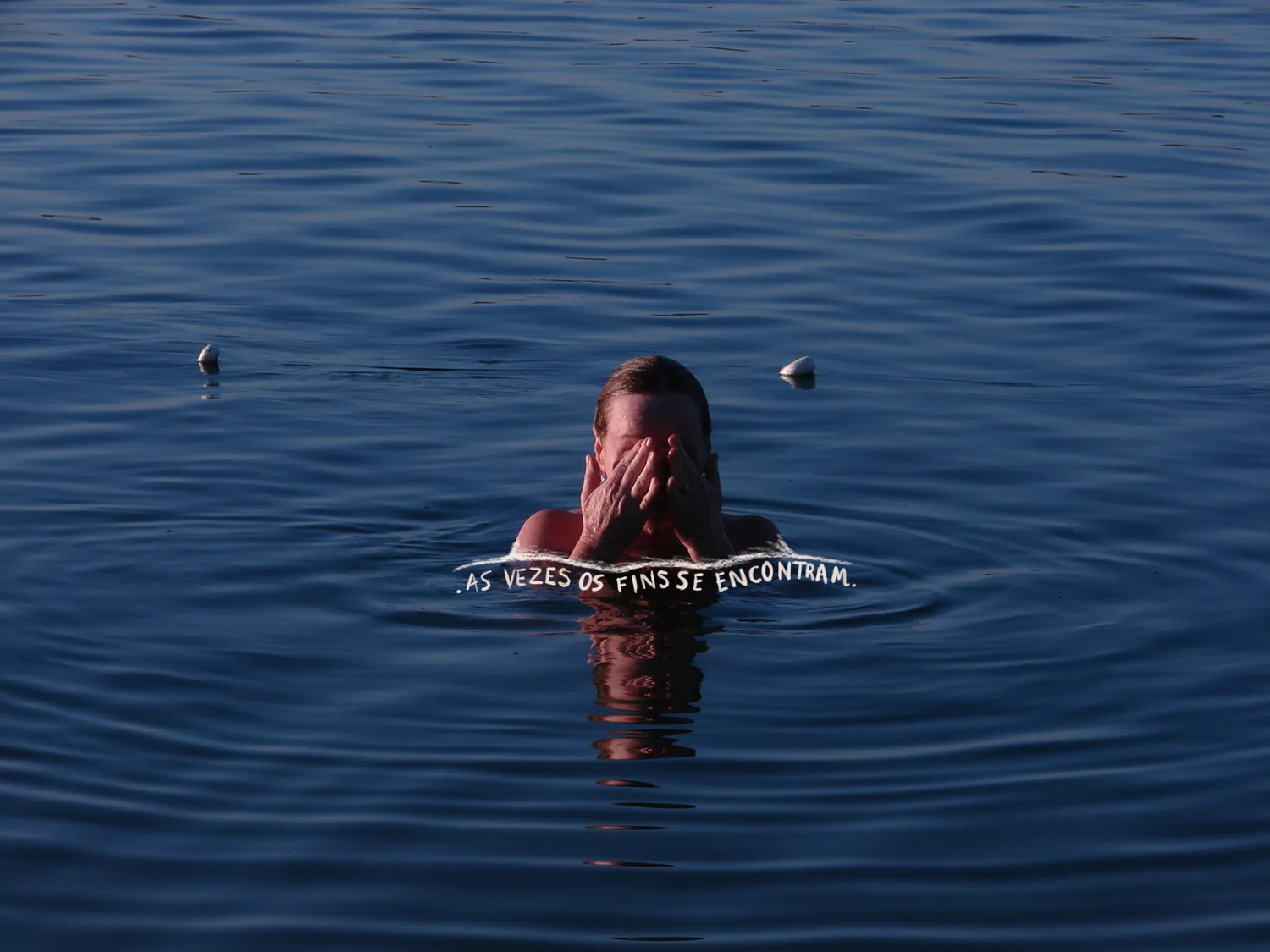
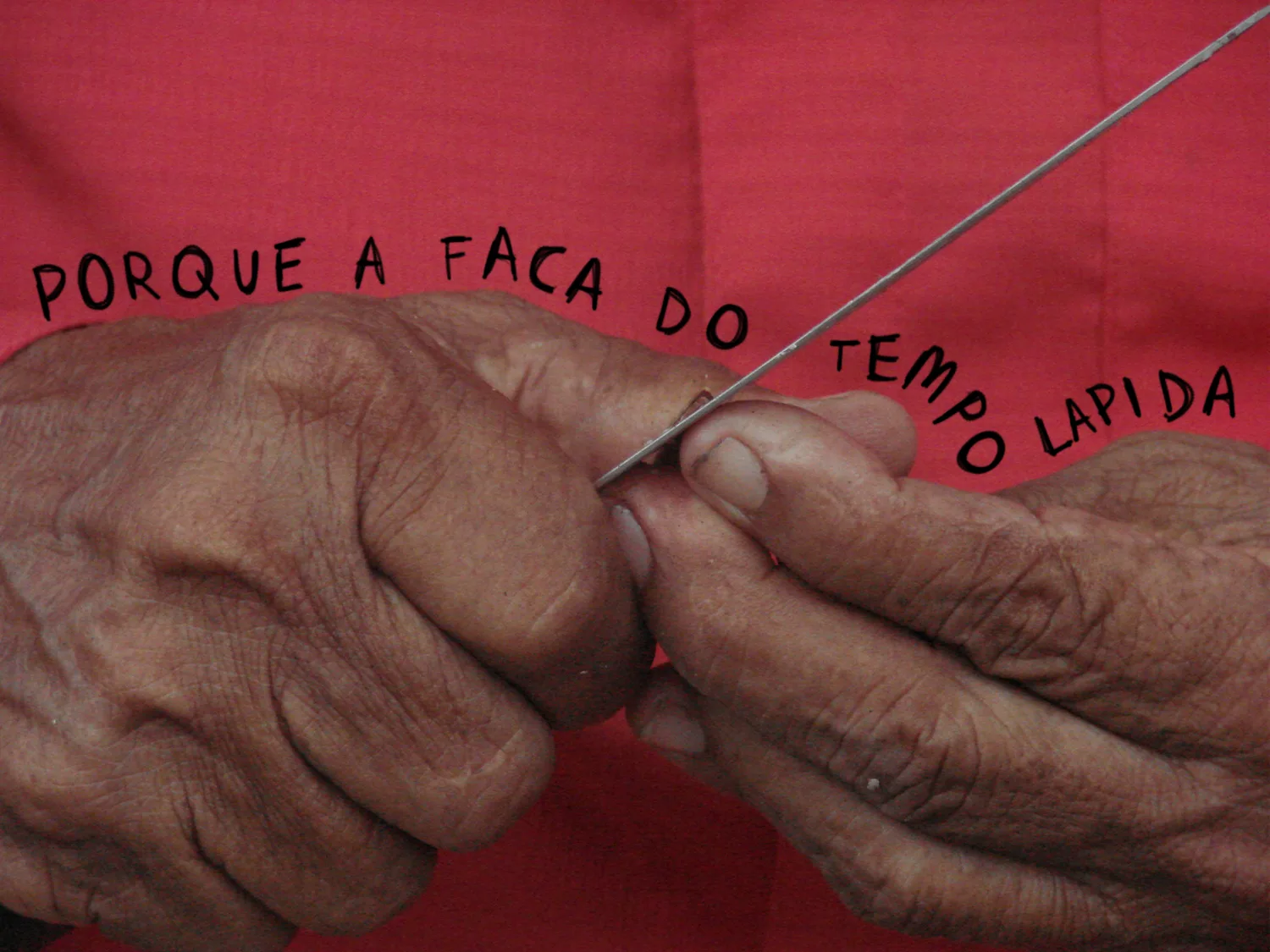
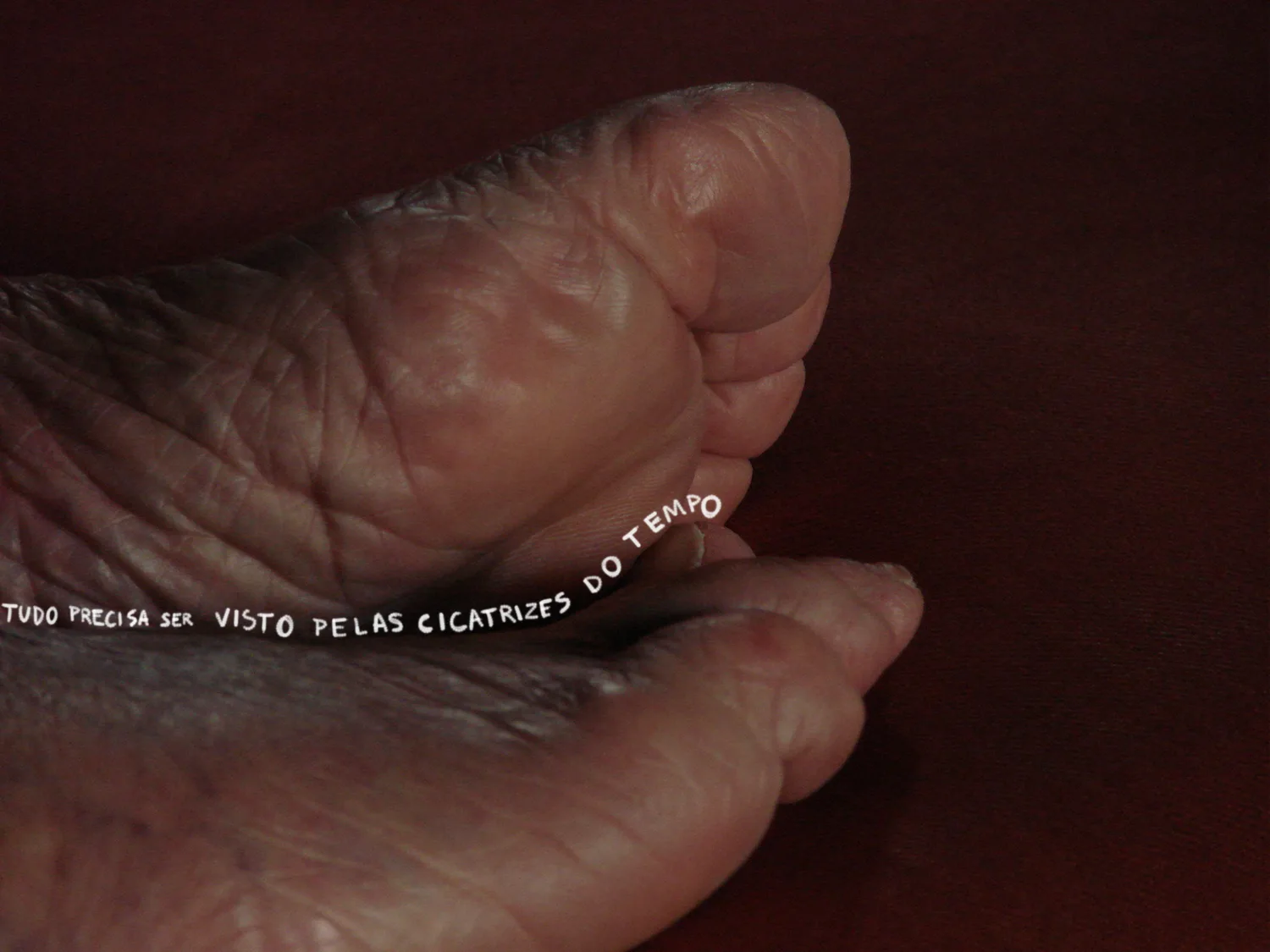
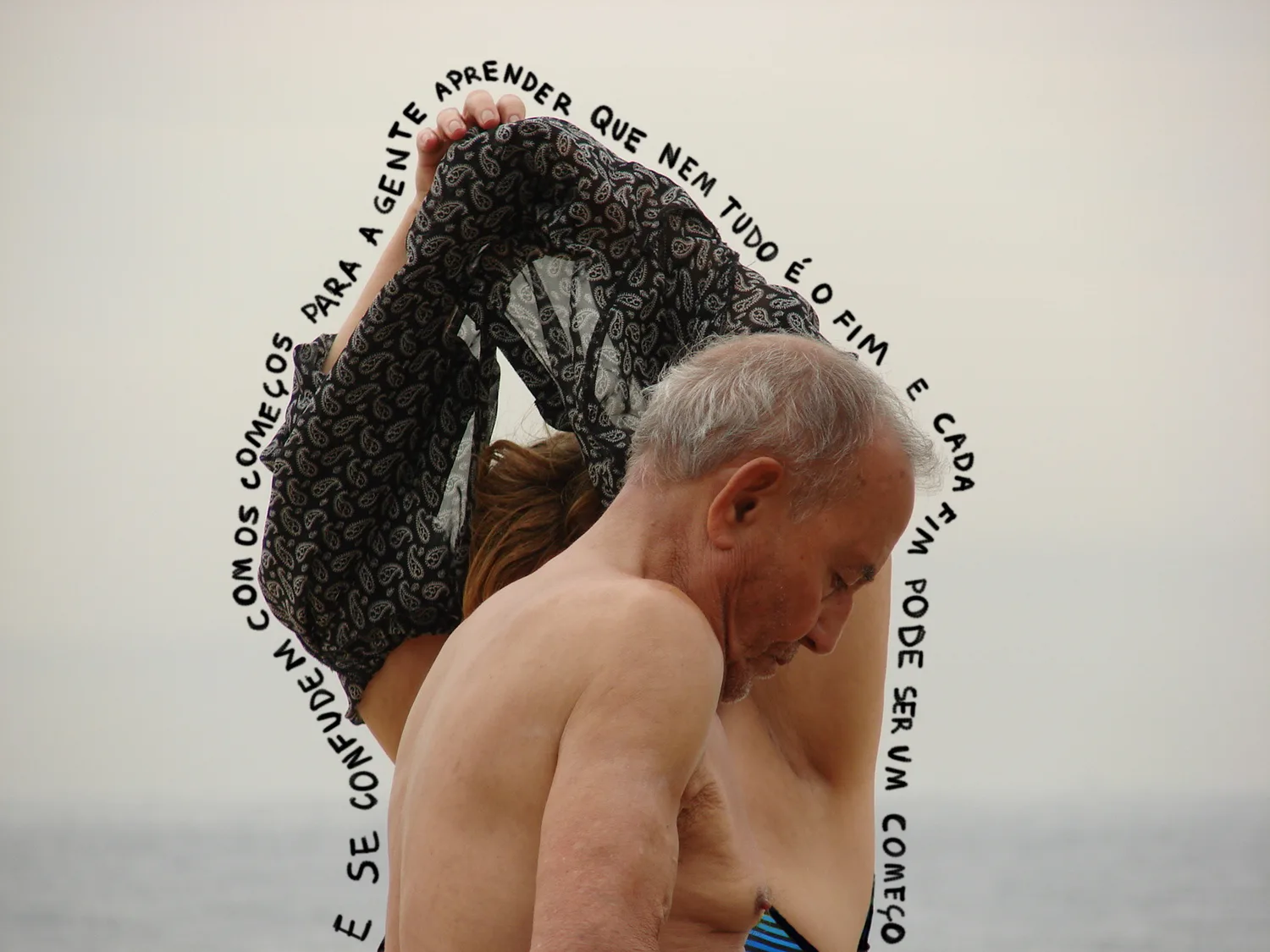
images are numbered from right to left, top to bottom.
translations from Portugese to English by author.
1. sometimes the endings meet
2. because the time’s knife polishes things
3. everything needs to be seen through the scars of time
4. and they blend with beginnings so that we learn that not everything is the end and every end can be a beginning
Short Fiction
tatterdemalion
Tossing my ashes below the fig tree, a word came to your mind: tatterdemalion. You spoke it out loud:
“Tatterdemalion. Tatterdemalion. It is all tatterdemalion.”
You squinted your opaque green eyes into the tangle of slim trees, just as much to stop the bright light from coming in as to keep the dark waters from gushing out.
“I am tatterdemalion.”
This is how it began, staring into the face of entropy, marveling at its juxtapositional tango with routine.
It’s also how it ends.
“Tatterdemalion,” you announced. “I am tatterdemalion.”
I was always fond of my fig tree. I found its bulbous purple fruits and veiny leaves poetic, but my favorite feature was its tragic relationship with the fig wasp, who would die every time she crawled into its fruits to lay her eggs.
The tragedy, though, is that the fig needs the wasp. It requires her continued sacrifice generation after generation to continue the cycle of pollination that allows the fig tree to survive. Without the wasp’s death, the flower is not pollinated and the fruit is not created.
Much like the wasp, I died at 7:12 a.m. that morning. This is what I was thinking: the wasp, the fig tree, the neverending cycle of inevitable sacrifice and sweetness. Tatterdemalion.
You were there beside me, my one and only daughter, lost over a bitter resentment, then reunited with me just in the nick of time.
We had fought over who was permitted to be the love of your life. I didn’t like who you chose, and you thought it was none of my business. I thought I had sacrificed too much for you to brush me aside, and you thought being a mother should never have been about debt. I vowed not to attend your wedding. You vowed to not only have it anyway, but to kick me out of the private kingdom of people who got to witness your life.
I cannot tell you how many times I thought of calling you before my diagnosis. It must’ve been an entire decade of daily repentance that I never let you see. Now, lying there before you, the wasp turning to give the world her one and only precious fig, I realized I was wrong. You never owed me anything.
At 7:12 a.m., exactly a week before I died, I was sitting in my wedding dress, preparing to get married. “You look like a ghost,” I muttered to myself in the vanity mirror.
I scanned my face, examining each wrinkle with scrutiny.
All my life I had been a self-righteous woman, firmly opposed to artificial enhancements. Now I sat there in my feathery white garments, comically wrinkled underneath all the trappings of a young bride.
I wondered what I would have looked like if I’d been a little more vain and a little less philosophical, I would perhaps not look like a ghost stopping by to haunt the church. Then I thought about how I wasn’t here to showcase my beauty; I was here to declare my love. For so long, the prospect of a wedding felt frivolous for a woman on the brink of death. By now, I should have been here in a casket, not a wedding dress.
Glancing at the door, I imagined my own mother standing there, her shiny brooch perfectly positioned above her breast, her lipstick commanding all the room’s light. I thought of the little deaths she endured to protect me from complexity, mourning the wistfulness of her life.
In truth, she died the day I was born. That’s just the way it was back then. I would criticize her for it, except for my own insistence upon laying down my soul for love—euthanizing my dreams, admonishing my passion, and wondering when anyone would notice the sacrifice.
Then I saw you, finally free from the shackles I had tried to pass down—to marry for me, to love for me, to live for me—if only to repay me for a sacrifice you never needed me to make.
At 7:12 a.m. exactly seven months before I died, Dr. Ahluwalia told me I had six months left to live.
We shared a long, drawn-out moment in a room laced with silence. He was sitting across from me the way one sits in a church after confessing their sins.
Mostly, I just stared at him and his clinical blue scrubs against the muted grays, whites, beiges, and blues of the rest of the room. The curtains were drawn, but some light fought through the shades and landed on his monotone black sneakers. The rest was a sculpture of shadows and dust.
I glanced down at my purse and the little bag of figs I had brought as a snack. Oddly enough, my hunger had dissipated. It was as though my body quit after deciding I was soon to be dead anyway.
Finally, Dr. Ahluwalia sighed. “You should make the necessary arrangements, Ianthe.”
I nodded gently.
He leaned back, then cocked his head to the side. “Do you believe it’s the end?” he asked, turning his eyes toward me.
I paused momentarily, and my mother’s face flashed across my mind. It was not her withered, sweaty body as she slowly died away beside me. I saw her crouched over a bed of purple flowers in the garden, her cheeks rosy beneath the crystal blue sky. Her hands were lined with soil and her big floppy sun hat surrounded her face like a halo. That was my mother.
“No, it’s not the end,” I replied. “But it’s the end of this.” I gestured toward the window, showering in its meager rays of sunlight.
After Dr. Ahluwalia told me I could expect to die in a few months, I walked down the street to wait at the bus stop for a ride home. I was a widow with an estranged adult daughter, so I knew no one would be waiting for me.
I leaned my head against the bus stop sign and watched the rain trickle down onto the street, gathering in little puddles by the gutters.
Then I heard a voice behind me.
“Is this seat taken, ma’am?”
Without even turning around, I muttered a quick “no”. However, I could feel his eyes searing through my rain jacket. Briefly, I wondered what I should do—obviously I wasn’t going to talk to him.
I took a seat on the bench and placed my bag on my lap, trying my hardest to look in the complete opposite direction.
“Heck of a downpour,” he said.
Reluctantly, I turned to get a better look. He seemed my age, but lacked the gloom of impending death. With a lively spark in his eyes and glistening salt and pepper stubble on his face, he gave the impression of being truly and entirely alive—not in the sense that his heart was still beating, but that he was still reaching for something beyond himself.
My words stumbled into sentences. “It’s…yeah…heavy.”
He laughed, and his mouth curved into a hefty smile. “Where are you headed to?”
“Home.” My mind was blank, numb from meeting my emotional intensity quota for the day.
“Well,” he exclaimed. “That sounds relaxing. I’m Thomas, by the way.”
“Thomas.” I nodded, then reached out my hand for him to shake it. “I’m Ianthe.”
“Nice to meet you, Ianthe,” he responded, shaking my hand.
I glanced down at my purse and caught sight of the bag of figs again. I took it out and waved it awkwardly at him. “Hungry?”
He nodded. “Of course. That’s very generous of you, Ianthe. Thank you.”
I sighed, then forced myself to take in this cheerful, annoying man beside me. So, so annoying. I just wanted to see sad people with sad news, although my mind was too tired to admit it. “You know,” I said wearily. “The doctors just told me I have half a year left to live.”
It was then that I turned to face this man, making brutal eye contact I felt certain would deter him. However, much to my surprise, he stared right back, deeper into my icy gaze than I was used to. His eyes were a smoky autumn brown, outlined by thick black reading glasses. His graying hair seemed unkempt and shaggy in an oddly ordered way.
Turning to once again face the pitter-pattering rain, his face softened. “You are still alive.”
My eyebrows furrowed, my heart bubbling. “What did you say?”
“I said,” he remarked slowly, “you are still alive.”
At 7:12 a.m., exactly a month before I died, I was playing Chopin’s Nocturne Opus 9 No. 2 in E Flat Major on a public piano in the city center. The sides of the instrument were painted in thick pink brush strokes. The ivory keys were yellowed by time and tatterdemalion.
I had never played in public before that morning.
However, at the ripe young age of sixty-three, it was different. I was different. Thomas was watching nearby, nestled in the outside seating area of a boutique coffee shop, cappuccino in hand. Glancing over at him, I thought he looked like a poet or painter, like someone in love with words, colors, and beautiful ideas.
He smiled, then nodded toward the piano reassuringly.
I turned to face the keys.
Tatterdemalion. That’s what music is. It’s the line you trace between vibrations and emotions. I had known this piece all my life, right from when I first learned it at fourteen years old. Since then, the cadence of my playing had developed, from young but clumsy fingers to arthritic joints. I now needed reading glasses just to check the right notes.
Underneath my fingertips, I played the smooth keys and eased in and out of the pedal gently. At first, I worried my fingers might slip.
Then, the ability to worry at all dissolved.
A smile crept across my face. I saw myself walk out of the hospital into the rain, utterly lost in my own misery, sitting at the bus stop next to a complete stranger. I remembered us sharing a bag of figs, me being annoyed at his utter joy. I remembered the surprise.
Now here I was, older but more alive, playing this piano—which was just as arthritic as I was— like a young child hoping to impress a crowd. I could simultaneously feel the liberating sense that almost no one cared about my performance, but that the one person who did was endlessly lost in my music.
He proposed to me that day, even though I had told him dozens of times that it was pointless. I was going to die.
“Exactly,” he whispered. His eyes grew very solemn, and suddenly I felt the excruciating weight of a dread I didn’t realize I’d been avoiding.
I thought he would explain himself, but he just stared back at me for a long time. All around us, people were buzzing around tables, their voices a decentralized hum.
“If we don’t fight for life, we are already dead, Ianthe. If we don’t fight for love, we find ourselves lost.” He cleared his throat, pulling a tiny green dictionary out of the dilapidated gray bookbag he always carried around. He flicked through it until he landed on a page. He placed his index finger at the top, methodically making his way down the page until he stopped. “Tatterdemalion,” he announced.
I frowned. While his intellectual quirks usually charmed me, I found this detraction from our conversation irritating.
“Adjective,” he read. “Ragged or disreputable in appearance. Being in a decayed state or condition.”
Then he closed the little book and placed it between us. “My father taught me that word when I was a young man. He was dying too, and I, like most young people, was lost.” He sighed, then nodded wistfully. “So very, very lost.”
I pressed my lips together. “Thomas, I don’t know what this has to do with getting married, but-”
“Listen.” He reached over, taking my hand in his. “This word is the reason. You did not start dying when that doctor told you the news. You did not even start dying when you got your first wrinkle. You started this process of continued decay right from the very beginning. Ragged and disreputable in appearance is everyone, Ianthe. It is the sight of a human holding death and life with only two hands and no power to stop time.” I glanced at the book, my chest growing heavy. “You only live as long as you dare to live despite dying. If you refuse to continue living, then I’m sorry, but you have already died.”
Out of the corner of my eye, the world continued to drone on. A coffee pot hissed. Dirty dishes clinked together as a waitress set them down in the back. A young woman three tables down burst into laughter. Shoes tapped all across the floor. The door swung open and the bell above it cried out.
“Most people assume death is caused by a physical tatterdemalion,” he explained. “Because it is easier to blame something we can’t change. Really though, people die because they let their souls decay.”
“It is simple, Ianthe. I love you with a conviction that rivals the decay of our bodies, but completely prevents the decay of our souls. That is the promise I want—no, that I insist—on making to you: fighting tatterdemalion together. And when the day comes, we will not surrender our love to death. No, our love will be our last weapon.”
For a long time, I just felt my heart thumping against my ribs. My stomach seemed to implode. I could see the wasp, the fig, and the tree, bound together by an endless cycle of sacrifice. I could see my mother, melting behind her thick facade of meaning, as though it was a prerequisite of her love for me. I could feel myself wishing she had fought harder—not for me, but for herself.
Then, with a sudden release, there it was: “Let’s do it.”
At 7:12 am, exactly thirty years, three months, and six days before I died, I watched my mother die. Cause of death: tatterdemalion.
Her face was riddled with delicate beads of sweat, and her skin was like a translucent papery sheet loosely cast over her skeleton.
Years before she died, you had been born at 7:12 a.m. in the middle of summer, and your birth was long, painful, and lonely. I had gotten pregnant young, with a man I was in love with, but not married to. My mother was beyond disappointed and insisted that he propose to me. Soon after refusing her demand, he disappeared.
“After everything I’ve done for you,” she would remark, both scornfully and wistfully. “This is what I get.”
Sometimes she would use the word embarrassment. Other times it was unbearable, humiliating, or shameful. I noticed, however, that it was always to talk about how your birth impacted her, how my actions were not in line with her dreams for me.
After everything I’ve done for you. It was the one phrase that echoed through my head as I endured the agonizing pains of labor.
When your fragile little body was finally placed in my arms, I swore to do anything and everything for you. That’s what mothers do, I figured. Everything and anything, no matter the cost.
I would not be like my mother, I promised, because I would always put you first.
Yet, as my mother lay before me, so far from the domineering force she had once been, I could no longer deny that she had made the same promise to me, conflating love with sacrifice and binding me with guilt.
So at 7:12 a.m., five days before I died, I called you. It wasn’t to ask for forgiveness or to aggravate you with a show of feigned humility. I just wanted to tell you that I did it.
After all those years of being defined by my potential for motherhood, my early entry into motherhood, my ineptitude as a mother, my bondage as a mother, and most of all, my sacrifice, I had finally dared to belong completely to myself.
I didn’t expect it to feel like it did.
Liberating, wild, and authentic, yes, but I was also enmeshed even deeper into my love for you.
Fig Newtons. It was my mother’s last request. She wanted her own mother’s fig Newtons. Once I fed them to her with a paper towel and a bib, she had a sip of water and leaned back.
“Ianthe,” she said.
I squeezed her frail hand gently. “What is it?”
“I am still alive.”
“Tatterdemalion. Tatterdemalion. It is all tatterdemalion.”
You squinted your opaque green eyes into the tangle of slim trees, just as much to stop the bright light from coming in as to keep the dark waters from gushing out.
“I am tatterdemalion.”
This is how it began, staring into the face of entropy, marveling at its juxtapositional tango with routine.
It’s also how it ends.
“Tatterdemalion,” you announced. “I am tatterdemalion.”
I was always fond of my fig tree. I found its bulbous purple fruits and veiny leaves poetic, but my favorite feature was its tragic relationship with the fig wasp, who would die every time she crawled into its fruits to lay her eggs.
The tragedy, though, is that the fig needs the wasp. It requires her continued sacrifice generation after generation to continue the cycle of pollination that allows the fig tree to survive. Without the wasp’s death, the flower is not pollinated and the fruit is not created.
Much like the wasp, I died at 7:12 a.m. that morning. This is what I was thinking: the wasp, the fig tree, the neverending cycle of inevitable sacrifice and sweetness. Tatterdemalion.
You were there beside me, my one and only daughter, lost over a bitter resentment, then reunited with me just in the nick of time.
We had fought over who was permitted to be the love of your life. I didn’t like who you chose, and you thought it was none of my business. I thought I had sacrificed too much for you to brush me aside, and you thought being a mother should never have been about debt. I vowed not to attend your wedding. You vowed to not only have it anyway, but to kick me out of the private kingdom of people who got to witness your life.
I cannot tell you how many times I thought of calling you before my diagnosis. It must’ve been an entire decade of daily repentance that I never let you see. Now, lying there before you, the wasp turning to give the world her one and only precious fig, I realized I was wrong. You never owed me anything.
At 7:12 a.m., exactly a week before I died, I was sitting in my wedding dress, preparing to get married. “You look like a ghost,” I muttered to myself in the vanity mirror.
I scanned my face, examining each wrinkle with scrutiny.
All my life I had been a self-righteous woman, firmly opposed to artificial enhancements. Now I sat there in my feathery white garments, comically wrinkled underneath all the trappings of a young bride.
I wondered what I would have looked like if I’d been a little more vain and a little less philosophical, I would perhaps not look like a ghost stopping by to haunt the church. Then I thought about how I wasn’t here to showcase my beauty; I was here to declare my love. For so long, the prospect of a wedding felt frivolous for a woman on the brink of death. By now, I should have been here in a casket, not a wedding dress.
Glancing at the door, I imagined my own mother standing there, her shiny brooch perfectly positioned above her breast, her lipstick commanding all the room’s light. I thought of the little deaths she endured to protect me from complexity, mourning the wistfulness of her life.
In truth, she died the day I was born. That’s just the way it was back then. I would criticize her for it, except for my own insistence upon laying down my soul for love—euthanizing my dreams, admonishing my passion, and wondering when anyone would notice the sacrifice.
Then I saw you, finally free from the shackles I had tried to pass down—to marry for me, to love for me, to live for me—if only to repay me for a sacrifice you never needed me to make.
At 7:12 a.m. exactly seven months before I died, Dr. Ahluwalia told me I had six months left to live.
We shared a long, drawn-out moment in a room laced with silence. He was sitting across from me the way one sits in a church after confessing their sins.
Mostly, I just stared at him and his clinical blue scrubs against the muted grays, whites, beiges, and blues of the rest of the room. The curtains were drawn, but some light fought through the shades and landed on his monotone black sneakers. The rest was a sculpture of shadows and dust.
I glanced down at my purse and the little bag of figs I had brought as a snack. Oddly enough, my hunger had dissipated. It was as though my body quit after deciding I was soon to be dead anyway.
Finally, Dr. Ahluwalia sighed. “You should make the necessary arrangements, Ianthe.”
I nodded gently.
He leaned back, then cocked his head to the side. “Do you believe it’s the end?” he asked, turning his eyes toward me.
I paused momentarily, and my mother’s face flashed across my mind. It was not her withered, sweaty body as she slowly died away beside me. I saw her crouched over a bed of purple flowers in the garden, her cheeks rosy beneath the crystal blue sky. Her hands were lined with soil and her big floppy sun hat surrounded her face like a halo. That was my mother.
“No, it’s not the end,” I replied. “But it’s the end of this.” I gestured toward the window, showering in its meager rays of sunlight.
After Dr. Ahluwalia told me I could expect to die in a few months, I walked down the street to wait at the bus stop for a ride home. I was a widow with an estranged adult daughter, so I knew no one would be waiting for me.
I leaned my head against the bus stop sign and watched the rain trickle down onto the street, gathering in little puddles by the gutters.
Then I heard a voice behind me.
“Is this seat taken, ma’am?”
Without even turning around, I muttered a quick “no”. However, I could feel his eyes searing through my rain jacket. Briefly, I wondered what I should do—obviously I wasn’t going to talk to him.
I took a seat on the bench and placed my bag on my lap, trying my hardest to look in the complete opposite direction.
“Heck of a downpour,” he said.
Reluctantly, I turned to get a better look. He seemed my age, but lacked the gloom of impending death. With a lively spark in his eyes and glistening salt and pepper stubble on his face, he gave the impression of being truly and entirely alive—not in the sense that his heart was still beating, but that he was still reaching for something beyond himself.
My words stumbled into sentences. “It’s…yeah…heavy.”
He laughed, and his mouth curved into a hefty smile. “Where are you headed to?”
“Home.” My mind was blank, numb from meeting my emotional intensity quota for the day.
“Well,” he exclaimed. “That sounds relaxing. I’m Thomas, by the way.”
“Thomas.” I nodded, then reached out my hand for him to shake it. “I’m Ianthe.”
“Nice to meet you, Ianthe,” he responded, shaking my hand.
I glanced down at my purse and caught sight of the bag of figs again. I took it out and waved it awkwardly at him. “Hungry?”
He nodded. “Of course. That’s very generous of you, Ianthe. Thank you.”
I sighed, then forced myself to take in this cheerful, annoying man beside me. So, so annoying. I just wanted to see sad people with sad news, although my mind was too tired to admit it. “You know,” I said wearily. “The doctors just told me I have half a year left to live.”
It was then that I turned to face this man, making brutal eye contact I felt certain would deter him. However, much to my surprise, he stared right back, deeper into my icy gaze than I was used to. His eyes were a smoky autumn brown, outlined by thick black reading glasses. His graying hair seemed unkempt and shaggy in an oddly ordered way.
Turning to once again face the pitter-pattering rain, his face softened. “You are still alive.”
My eyebrows furrowed, my heart bubbling. “What did you say?”
“I said,” he remarked slowly, “you are still alive.”
At 7:12 a.m., exactly a month before I died, I was playing Chopin’s Nocturne Opus 9 No. 2 in E Flat Major on a public piano in the city center. The sides of the instrument were painted in thick pink brush strokes. The ivory keys were yellowed by time and tatterdemalion.
I had never played in public before that morning.
However, at the ripe young age of sixty-three, it was different. I was different. Thomas was watching nearby, nestled in the outside seating area of a boutique coffee shop, cappuccino in hand. Glancing over at him, I thought he looked like a poet or painter, like someone in love with words, colors, and beautiful ideas.
He smiled, then nodded toward the piano reassuringly.
I turned to face the keys.
Tatterdemalion. That’s what music is. It’s the line you trace between vibrations and emotions. I had known this piece all my life, right from when I first learned it at fourteen years old. Since then, the cadence of my playing had developed, from young but clumsy fingers to arthritic joints. I now needed reading glasses just to check the right notes.
Underneath my fingertips, I played the smooth keys and eased in and out of the pedal gently. At first, I worried my fingers might slip.
Then, the ability to worry at all dissolved.
A smile crept across my face. I saw myself walk out of the hospital into the rain, utterly lost in my own misery, sitting at the bus stop next to a complete stranger. I remembered us sharing a bag of figs, me being annoyed at his utter joy. I remembered the surprise.
Now here I was, older but more alive, playing this piano—which was just as arthritic as I was— like a young child hoping to impress a crowd. I could simultaneously feel the liberating sense that almost no one cared about my performance, but that the one person who did was endlessly lost in my music.
He proposed to me that day, even though I had told him dozens of times that it was pointless. I was going to die.
“Exactly,” he whispered. His eyes grew very solemn, and suddenly I felt the excruciating weight of a dread I didn’t realize I’d been avoiding.
I thought he would explain himself, but he just stared back at me for a long time. All around us, people were buzzing around tables, their voices a decentralized hum.
“If we don’t fight for life, we are already dead, Ianthe. If we don’t fight for love, we find ourselves lost.” He cleared his throat, pulling a tiny green dictionary out of the dilapidated gray bookbag he always carried around. He flicked through it until he landed on a page. He placed his index finger at the top, methodically making his way down the page until he stopped. “Tatterdemalion,” he announced.
I frowned. While his intellectual quirks usually charmed me, I found this detraction from our conversation irritating.
“Adjective,” he read. “Ragged or disreputable in appearance. Being in a decayed state or condition.”
Then he closed the little book and placed it between us. “My father taught me that word when I was a young man. He was dying too, and I, like most young people, was lost.” He sighed, then nodded wistfully. “So very, very lost.”
I pressed my lips together. “Thomas, I don’t know what this has to do with getting married, but-”
“Listen.” He reached over, taking my hand in his. “This word is the reason. You did not start dying when that doctor told you the news. You did not even start dying when you got your first wrinkle. You started this process of continued decay right from the very beginning. Ragged and disreputable in appearance is everyone, Ianthe. It is the sight of a human holding death and life with only two hands and no power to stop time.” I glanced at the book, my chest growing heavy. “You only live as long as you dare to live despite dying. If you refuse to continue living, then I’m sorry, but you have already died.”
Out of the corner of my eye, the world continued to drone on. A coffee pot hissed. Dirty dishes clinked together as a waitress set them down in the back. A young woman three tables down burst into laughter. Shoes tapped all across the floor. The door swung open and the bell above it cried out.
“Most people assume death is caused by a physical tatterdemalion,” he explained. “Because it is easier to blame something we can’t change. Really though, people die because they let their souls decay.”
“It is simple, Ianthe. I love you with a conviction that rivals the decay of our bodies, but completely prevents the decay of our souls. That is the promise I want—no, that I insist—on making to you: fighting tatterdemalion together. And when the day comes, we will not surrender our love to death. No, our love will be our last weapon.”
For a long time, I just felt my heart thumping against my ribs. My stomach seemed to implode. I could see the wasp, the fig, and the tree, bound together by an endless cycle of sacrifice. I could see my mother, melting behind her thick facade of meaning, as though it was a prerequisite of her love for me. I could feel myself wishing she had fought harder—not for me, but for herself.
Then, with a sudden release, there it was: “Let’s do it.”
At 7:12 am, exactly thirty years, three months, and six days before I died, I watched my mother die. Cause of death: tatterdemalion.
Her face was riddled with delicate beads of sweat, and her skin was like a translucent papery sheet loosely cast over her skeleton.
Years before she died, you had been born at 7:12 a.m. in the middle of summer, and your birth was long, painful, and lonely. I had gotten pregnant young, with a man I was in love with, but not married to. My mother was beyond disappointed and insisted that he propose to me. Soon after refusing her demand, he disappeared.
“After everything I’ve done for you,” she would remark, both scornfully and wistfully. “This is what I get.”
Sometimes she would use the word embarrassment. Other times it was unbearable, humiliating, or shameful. I noticed, however, that it was always to talk about how your birth impacted her, how my actions were not in line with her dreams for me.
After everything I’ve done for you. It was the one phrase that echoed through my head as I endured the agonizing pains of labor.
When your fragile little body was finally placed in my arms, I swore to do anything and everything for you. That’s what mothers do, I figured. Everything and anything, no matter the cost.
I would not be like my mother, I promised, because I would always put you first.
Yet, as my mother lay before me, so far from the domineering force she had once been, I could no longer deny that she had made the same promise to me, conflating love with sacrifice and binding me with guilt.
So at 7:12 a.m., five days before I died, I called you. It wasn’t to ask for forgiveness or to aggravate you with a show of feigned humility. I just wanted to tell you that I did it.
After all those years of being defined by my potential for motherhood, my early entry into motherhood, my ineptitude as a mother, my bondage as a mother, and most of all, my sacrifice, I had finally dared to belong completely to myself.
I didn’t expect it to feel like it did.
Liberating, wild, and authentic, yes, but I was also enmeshed even deeper into my love for you.
Fig Newtons. It was my mother’s last request. She wanted her own mother’s fig Newtons. Once I fed them to her with a paper towel and a bib, she had a sip of water and leaned back.
“Ianthe,” she said.
I squeezed her frail hand gently. “What is it?”
“I am still alive.”
Photography
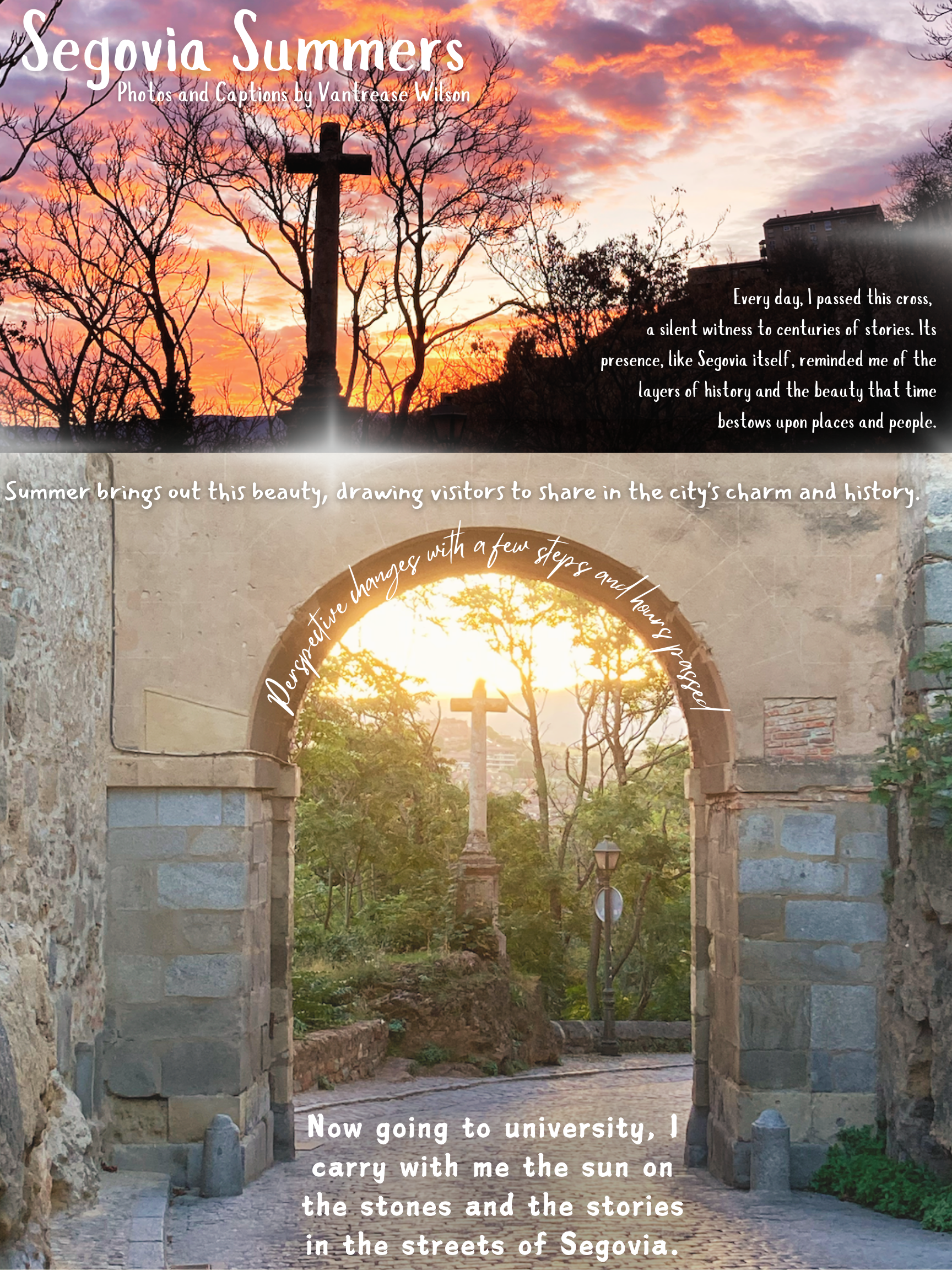
Segovia Summers
Short Fiction
the t in turk stands for tragedy
the san francisco hymn
To accompany this poem, Anel has created an audio-visual reading of it
if you’re going to san francisco,
be sure to wear flowers in your hair
and carry a gun behind your back.
shot, one, two, three, another.
life in the tenderloin
is no different today than it will be next.
the sirens are our lullaby;
slEEp aleeert, the mOOnster outsiiide
mIIght get yOOu neeext.
“pretty girls smoke weed too,”
as our lungs fill with secondary data.
the wheelchairs carry the half-diseased,
the bulging eyes and half-bent spines
are crossing the street in a half-unnatural manner.
“abortion is killing a human”
“someone shut this WOMAN (bitch) up!”
as if the deaths happening
on the streets
in that moment
didn’t exist.
and still, the world carries on
reeking of piss and sinful humans.
“be rid of sin, the sin reigns over you,”
FREE BIBLE COURSE!
accompanied by the smell of hotdog and watermelon stands.
“the only man i love is jesus,”
the only city i love is…
the only city i hate is…
in the fake tales of san francisco
they say this is heaven,
they say this is where the forest meets the bridge meets the hills meets the people
but the angels are nowhere to be found
san francisco days, san francisco nights
they spit and cough on you
because the shame is obscured by you.
“damn, girl, you got that ass,”
says the man with pants on his thighs,
ass actually showing.
“you’re a fucking fat pig”
rings in my ears.
but how is it so
that i return with glowing soul
i must’ve been asked by the angels
in my soul contract
“find true love or true hate, and nothing in between”
i must’ve said yes, i know i would’ve
and now
i must’ve left my heart in san francisco
and finally,
“anything helps,” reads the lonely man’s sign in front of trader joe’s.
but is there anyone left to help you,
san francisco?
the fire alarm
“FIRE. fire. FIRE,” blasts through the speakers.
“such an inconvenience,” mutters Brian as he gathers his most-vital belongings. passport, laptop, phone… he counts them aloud. stepping into the hallway, the deafening real-ness of the alarm hits him in a new wave. “oof,” he mouths under his breath.
meeting his classmates in the hallway in the middle of the night is always a museum of diversity; some people are still awake, studying away, others are on their 3rd dream of the night.
the mechanical thud of steps on stairs makes an accompanying beat to the rhythm of “FIRE. fire. FIRE,” still screeching from the fire alarm. it is doing its job exceptionally well.
the seconds feel like hours, time is slowing in a manner that warps reality, sarcastically flirting with the laws of physics.
making their way outside, they gather around the building for “shelter,” though no real danger seemed to be emitted from the fire alarm’s solo concert.
“typically, isn’t a fire department supposed to show up within 5 minutes of a reported alarm?” says Brian in his know-it-all manner.
a couple of “yeah”s spread across the small crowd. this isn’t the first day that the fire alarm made itself known; surprisingly, people become accustomed even to its presence in their daily life. some choose not to follow its extremely clear instructions.
at some point, even the alarm exhausted its ruling powers.
the commotion of the night quiets, and everything feels inappropriately the same as before.
“huh, i guess they just forgot about us.,” Brian shakes his head as others start heading inwards.
“FIRE. fire. FIRE,” the speakers bellow.
passport, laptop, phone…
“another day in a row, hey?” smiles Brian as he makes eye contact with one of his classmates; no response.
to make his miseries of the horrid nightly disturbance and the awkwardness of the unshared smile lighter, Brian decides to knock on his friend’s door as he passes by.
“are you going outside? i can’t believe you’re managing to sleep through this!”
“go awayyyy, Brian! it’s just another false alarm.” a voice says.
defeated, Brian continues his slow descent.
thud, thud down the staircase.
every step of progress made down the 8 floors downwards takes away yet another precious moment of potential deep sleep. from the first moments after Brian awoke, his eyelids still fluttering in confusion, reality was fuzzy, like how he saw the world without glasses – the kind of glasses that help you understand the events that are happening to you.
there is the same crowd of familiar – if not anxious-looking – faces gathered around the building.
“they mentioned that there must be something wrong with the alarm system,” he points out to his classmates.
he starts growing familiar with the faces of the other students, who also religiously follow the alarm’s rules.
the cool air of the night washes their worries away. when the fire department once again fails to appear at the seemingly forgotten building and the alarm exhausts itself to sleep, so do the fellow students.
“FIRE. fire. FIRE,” the speakers yell in everyone’s ears.
waking up yet another day from the horrendous sounds of the fire alarm in the middle of the night, Brian grows weary of his circumstances. passport, comp… bla bla bla.
on his journey outside, time slows in its usual fashion, but something is strangely unfamiliar: a tinge of a faint smell of smoke reaches his radius. Brian is confused by this development, as the fire alarms before never actually signaled a reliable danger.
“wait, do you guys smell it too?” thud, thud, thud.
“smell what?” someone responds.
“the smoke… it smells like smoke!”
“i don’t know what you’re talking about,” someone else says, “it’s just the faulty alarm system again.”
indeed, it was still the same “FIRE. fire. FIRE,” announcement. Brian isn’t convinced though. he intentionally intensifies his sense of smell to attune to his surroundings.
by the time they all make it outside, the confusion is still visible on Brian’s face, crinkling his forehead, scrunched in a thinking face.
in his academic career, he is described as a problem-solver: the one to know the answers or to figure them out as he goes. this time, he is stumped. this time, the only way to understand, he realizes, is to find out myself.
he goes inside the building – against his built-in rule-following nature – following the instinct of his nose.
the smell of smoke hits harder than anticipated. hands trembling, he made his way down the steps to the basement. first step, second step, third step…
the sudden surge of warmth meets him unexpectedly. it is before he reaches the seventh step that the realization kicks in: we are burning.
the laundry room is filled with smoke, traces of orange and yellow spark further down the hallway. he is as much confused as aghast to it happening; no signs before this could have prepared him for this danger.
he clatters up the stairs in a panic, screaming “FIRE. fire. FIRE,” in tandem with the alarm. in the rush of adrenaline and fear for his and all the others’ lives, he runs, almost tripping, out into the hallway and through the heavy door.
but to no avail. all others seem preoccupied with the normality of nightly walks and breezes of fresh air.
as he looks over at the crowd standing on the other side of the street, teary-eyed and with beads of sweat decorating his forehead, Brian finally hears the sirens of the long-missed fire department.
stepping out of the building, he looks back with eyes rolled into balls of fear: it is too late. it seems as though there is nothing to save.
he looks at the drowsy crowd of students approaching the building again, in total calmness and with no drop of change. it is then that he realizes that in the many nights the fire alarms occurred, he has only been seeing the same group of faces.
oh my fu–
Breaking News: Tragic Fire Claims All Lives in Unprecedented Blaze
In a devastating event, the city has experienced its most catastrophic fire since the artificial blaze of 1900, which was ignited to eradicate the bubonic plague. The 2023 inferno, whose cause remains undetermined, has left no survivors.
Authorities are grappling with the tragic aftermath. "Understanding the cause and lethal nature of such a fire in the 21st century is challenging," stated a spokesperson. Investigations are currently considering potential political attacks and examining the signal system designed to alert the local fire department.
According to regulations, fire trucks should respond within five minutes of an alarm. The reasons for the failure in this protocol and the delayed response remain unclear. "We are committed to uncovering the truth and will provide updates as new information becomes available," the spokesperson added.
“FIRE. fire. FIRE,” the speakers announced.
Brian awoke in a deep sweat, terrified and heaving.
not the fire alarm, again, the other students thought, not realizing anything was amiss.
thud, thud, thud, thud sounded from their shuffling down the stairs.
“FIRE. fire. FIRE,” continued its song.
author’s note: although “the fire of 2023” did not actually happen, the feeling of fear and dread is drawn from the author's personal experiences, dramatized for storytelling purposes. the fear of fire haunted the author since childhood and peaked in the eeriness and repeated nature of fire alarms at 3am.
day
morning shine
greetings, Karl!
onto your trail, the one you’re blazing
afternoon grime
lunch line, gather!
people, hiding in their blazers
evening crime
it’s dark, get home!
barely seen, but there are blades
“what day is it?”
the man bowed his head
in hesitation
the streets have that effect
his essence scrunched under
the weight of
his grief in plain view
setting the world around him ablaze
author’s note: i know there is a weird combination of fiction and non-fiction within these stories. it happened unintentionally, but at the same time, i feel like it makes sense? that's what SF felt like to me -- in a world full of "realness," it felt the most surreal
To accompany this poem, Anel has created an audio-visual reading of it
if you’re going to san francisco,
be sure to wear flowers in your hair
and carry a gun behind your back.
shot, one, two, three, another.
life in the tenderloin
is no different today than it will be next.
the sirens are our lullaby;
slEEp aleeert, the mOOnster outsiiide
mIIght get yOOu neeext.
“pretty girls smoke weed too,”
as our lungs fill with secondary data.
the wheelchairs carry the half-diseased,
the bulging eyes and half-bent spines
are crossing the street in a half-unnatural manner.
“abortion is killing a human”
“someone shut this WOMAN (bitch) up!”
as if the deaths happening
on the streets
in that moment
didn’t exist.
and still, the world carries on
reeking of piss and sinful humans.
“be rid of sin, the sin reigns over you,”
FREE BIBLE COURSE!
accompanied by the smell of hotdog and watermelon stands.
“the only man i love is jesus,”
the only city i love is…
the only city i hate is…
in the fake tales of san francisco
they say this is heaven,
they say this is where the forest meets the bridge meets the hills meets the people
but the angels are nowhere to be found
san francisco days, san francisco nights
they spit and cough on you
because the shame is obscured by you.
“damn, girl, you got that ass,”
says the man with pants on his thighs,
ass actually showing.
“you’re a fucking fat pig”
rings in my ears.
but how is it so
that i return with glowing soul
i must’ve been asked by the angels
in my soul contract
“find true love or true hate, and nothing in between”
i must’ve said yes, i know i would’ve
and now
i must’ve left my heart in san francisco
and finally,
“anything helps,” reads the lonely man’s sign in front of trader joe’s.
but is there anyone left to help you,
san francisco?
the fire alarm
“FIRE. fire. FIRE,” blasts through the speakers.
“such an inconvenience,” mutters Brian as he gathers his most-vital belongings. passport, laptop, phone… he counts them aloud. stepping into the hallway, the deafening real-ness of the alarm hits him in a new wave. “oof,” he mouths under his breath.
meeting his classmates in the hallway in the middle of the night is always a museum of diversity; some people are still awake, studying away, others are on their 3rd dream of the night.
the mechanical thud of steps on stairs makes an accompanying beat to the rhythm of “FIRE. fire. FIRE,” still screeching from the fire alarm. it is doing its job exceptionally well.
the seconds feel like hours, time is slowing in a manner that warps reality, sarcastically flirting with the laws of physics.
making their way outside, they gather around the building for “shelter,” though no real danger seemed to be emitted from the fire alarm’s solo concert.
“typically, isn’t a fire department supposed to show up within 5 minutes of a reported alarm?” says Brian in his know-it-all manner.
a couple of “yeah”s spread across the small crowd. this isn’t the first day that the fire alarm made itself known; surprisingly, people become accustomed even to its presence in their daily life. some choose not to follow its extremely clear instructions.
at some point, even the alarm exhausted its ruling powers.
the commotion of the night quiets, and everything feels inappropriately the same as before.
“huh, i guess they just forgot about us.,” Brian shakes his head as others start heading inwards.
“FIRE. fire. FIRE,” the speakers bellow.
passport, laptop, phone…
“another day in a row, hey?” smiles Brian as he makes eye contact with one of his classmates; no response.
to make his miseries of the horrid nightly disturbance and the awkwardness of the unshared smile lighter, Brian decides to knock on his friend’s door as he passes by.
“are you going outside? i can’t believe you’re managing to sleep through this!”
“go awayyyy, Brian! it’s just another false alarm.” a voice says.
defeated, Brian continues his slow descent.
thud, thud down the staircase.
every step of progress made down the 8 floors downwards takes away yet another precious moment of potential deep sleep. from the first moments after Brian awoke, his eyelids still fluttering in confusion, reality was fuzzy, like how he saw the world without glasses – the kind of glasses that help you understand the events that are happening to you.
there is the same crowd of familiar – if not anxious-looking – faces gathered around the building.
“they mentioned that there must be something wrong with the alarm system,” he points out to his classmates.
he starts growing familiar with the faces of the other students, who also religiously follow the alarm’s rules.
the cool air of the night washes their worries away. when the fire department once again fails to appear at the seemingly forgotten building and the alarm exhausts itself to sleep, so do the fellow students.
“FIRE. fire. FIRE,” the speakers yell in everyone’s ears.
waking up yet another day from the horrendous sounds of the fire alarm in the middle of the night, Brian grows weary of his circumstances. passport, comp… bla bla bla.
on his journey outside, time slows in its usual fashion, but something is strangely unfamiliar: a tinge of a faint smell of smoke reaches his radius. Brian is confused by this development, as the fire alarms before never actually signaled a reliable danger.
“wait, do you guys smell it too?” thud, thud, thud.
“smell what?” someone responds.
“the smoke… it smells like smoke!”
“i don’t know what you’re talking about,” someone else says, “it’s just the faulty alarm system again.”
indeed, it was still the same “FIRE. fire. FIRE,” announcement. Brian isn’t convinced though. he intentionally intensifies his sense of smell to attune to his surroundings.
by the time they all make it outside, the confusion is still visible on Brian’s face, crinkling his forehead, scrunched in a thinking face.
in his academic career, he is described as a problem-solver: the one to know the answers or to figure them out as he goes. this time, he is stumped. this time, the only way to understand, he realizes, is to find out myself.
he goes inside the building – against his built-in rule-following nature – following the instinct of his nose.
the smell of smoke hits harder than anticipated. hands trembling, he made his way down the steps to the basement. first step, second step, third step…
the sudden surge of warmth meets him unexpectedly. it is before he reaches the seventh step that the realization kicks in: we are burning.
the laundry room is filled with smoke, traces of orange and yellow spark further down the hallway. he is as much confused as aghast to it happening; no signs before this could have prepared him for this danger.
he clatters up the stairs in a panic, screaming “FIRE. fire. FIRE,” in tandem with the alarm. in the rush of adrenaline and fear for his and all the others’ lives, he runs, almost tripping, out into the hallway and through the heavy door.
but to no avail. all others seem preoccupied with the normality of nightly walks and breezes of fresh air.
as he looks over at the crowd standing on the other side of the street, teary-eyed and with beads of sweat decorating his forehead, Brian finally hears the sirens of the long-missed fire department.
stepping out of the building, he looks back with eyes rolled into balls of fear: it is too late. it seems as though there is nothing to save.
he looks at the drowsy crowd of students approaching the building again, in total calmness and with no drop of change. it is then that he realizes that in the many nights the fire alarms occurred, he has only been seeing the same group of faces.
oh my fu–
Breaking News: Tragic Fire Claims All Lives in Unprecedented Blaze
In a devastating event, the city has experienced its most catastrophic fire since the artificial blaze of 1900, which was ignited to eradicate the bubonic plague. The 2023 inferno, whose cause remains undetermined, has left no survivors.
Authorities are grappling with the tragic aftermath. "Understanding the cause and lethal nature of such a fire in the 21st century is challenging," stated a spokesperson. Investigations are currently considering potential political attacks and examining the signal system designed to alert the local fire department.
According to regulations, fire trucks should respond within five minutes of an alarm. The reasons for the failure in this protocol and the delayed response remain unclear. "We are committed to uncovering the truth and will provide updates as new information becomes available," the spokesperson added.
“FIRE. fire. FIRE,” the speakers announced.
Brian awoke in a deep sweat, terrified and heaving.
not the fire alarm, again, the other students thought, not realizing anything was amiss.
thud, thud, thud, thud sounded from their shuffling down the stairs.
“FIRE. fire. FIRE,” continued its song.
author’s note: although “the fire of 2023” did not actually happen, the feeling of fear and dread is drawn from the author's personal experiences, dramatized for storytelling purposes. the fear of fire haunted the author since childhood and peaked in the eeriness and repeated nature of fire alarms at 3am.
day
morning shine
greetings, Karl!
onto your trail, the one you’re blazing
afternoon grime
lunch line, gather!
people, hiding in their blazers
evening crime
it’s dark, get home!
barely seen, but there are blades
“what day is it?”
the man bowed his head
in hesitation
the streets have that effect
his essence scrunched under
the weight of
his grief in plain view
setting the world around him ablaze
author’s note: i know there is a weird combination of fiction and non-fiction within these stories. it happened unintentionally, but at the same time, i feel like it makes sense? that's what SF felt like to me -- in a world full of "realness," it felt the most surreal
Nonfiction
Childhood, occupied
I am two. It is about 9 PM. I watch my grandmother close the curtains as I choose between two books for a bedtime story. A collection of Russian folk tales or a book about animals by a Russian author. The first book is smaller with yellowed pages. The corners of some words are smeared with ink and the colors of the images are faded: this book has been loved. My grandma used to read it to her daughters when they were my age.
I choose the folk tales, and my grandmother lies down next to me, adjusting the bedside light to be just bright enough for her to see the words.
She reads me two or three short stories before I stop her.
“Can you sing for me?”
My grandma always joked that her singing was more likely to wake me up, but I always found her voice soothing.
I close my eyes and snuggle up closer to her arm. Quietly, she starts singing “Katuysha”
I imagine vast verdant fields, a sweet smell of the apple blossom, and a girl waiting for her lover near a river.
My grandmother finishes the rest of the song and waits another minute to check if I am asleep. Carefully, she tucks me in and turns off the light.
I am three. It is hot and windy in Skadovsk. My family and I are about two weeks into our 21-day-long yearly vacation near the Black Sea. My grandmother and I just came back from picking shells, and my mom finished unwrapping the watermelon she cut at home. Kherson, the region where we were vacationing, is home to the best watermelons in the world.
I rinse my hands, and she offers me a seedless piece. The shiny shells of different colors are neatly lined up on a striped lounge chair, ordered by size. With my hands sticky from the watermelon juice, I take the biggest shell for my mom to pack in her bag.
We finish snacking, and she gets up to put me in arm floaties. One last swim before lunch. A man passes by us with clear cups full of tiny salted prawns. He announces himself with a loudspeaker campaign and the rustling sound of a giant plastic bag containing more prawns for sale.
My mom kindly refuses the man’s offer of prawns and tightens the bandana on my head. We start making our way to a busy shore, me running a few steps ahead of my mom in excitement. My mom picks me up as we step into the sea, carefully avoiding algae and jellyfish. When she finds a spot free of other swimmers, my mom squats in the water so that my legs are fully immersed. We do this a few times before I leave her arms to swim on my own. We splash, laugh, and make up stories about sea creatures. I get on my back in a starfish position, letting the waves gently rock me. My mom is holding my back underwater. The sun is too bright so I close my eyes to listen to the distant beach chatter.
I am five. I just rushed through my lunch to see the new “Masha y Medved” episode. Plopped on the couch next to my napping cat, I grab the remote to press the familiar button combination. I know which channel I am looking for, and I know that now is about the time the cartoon is aired: fast-paced scenes of a little girl and a bear roll over the screen, underscored by the melody of their epic theme. I scooch closer to the screen, which wakes up my cat. Lazily, he jumps off the couch, so I get all of it to myself.
Throughout the next twenty minutes or so, I watch as Masha gets in various kinds of trouble, fights with the bear, the bear solves her problems, and they reconcile in a happy, punishment-free ending.
I like the main character a lot. Masha is a troublemaker, a wide-eyed girl about the same age as me. She speaks the same language as me. My mom would lovingly compare me to her when I misbehaved.
My grandmother calls me over in the kitchen. “One more minute!” I yell back. The episode is not over yet.
I am alone. It is November. I am sitting in a small Italian cafe somewhere in Noe Valley trying to finish a statistics assignment. The waiter squeezes past the other tables to bring me my order in a tiny white mug. He half-jokingly says that it is probably too late to be drinking coffee - “It will keep you awake the whole night. It’s not like the Starbucks caramel crap.” I smile and thank him. The coffee does smell strong, and I probably will need to stay up late to finish writing.
I take the mug and stare at a scarcely filled Google Doc. My attention turns to a blue Telegram icon I promised myself to mute while I am studying. It’s been about an hour since I last checked the news, and it should be morning in Ukraine. I should probably text my mom.
The news headlines fill my entire screen.
I choose the folk tales, and my grandmother lies down next to me, adjusting the bedside light to be just bright enough for her to see the words.
She reads me two or three short stories before I stop her.
“Can you sing for me?”
My grandma always joked that her singing was more likely to wake me up, but I always found her voice soothing.
I close my eyes and snuggle up closer to her arm. Quietly, she starts singing “Katuysha”
Apple and pear trees blossomed,
Mists floated over the river.
Katyusha came ashore,
On the high, steep shore.
…
Oh you, song, song of a maiden,
You fly after the bright sun.
And to the soldier on the distant frontier.
Say hello from Katyusha.
Mists floated over the river.
Katyusha came ashore,
On the high, steep shore.
…
Oh you, song, song of a maiden,
You fly after the bright sun.
And to the soldier on the distant frontier.
Say hello from Katyusha.
Расцветали яблони и груши,
Поплыли туманы над рекой.
Выходила на берег Катюша,
На высокий берег на крутой.
…
Ой ты, песня, песенка девичья,
Ты лети за ясным солнцем вслед.
И бойцу на дальнем пограничье
От Катюши передай привет
Поплыли туманы над рекой.
Выходила на берег Катюша,
На высокий берег на крутой.
…
Ой ты, песня, песенка девичья,
Ты лети за ясным солнцем вслед.
И бойцу на дальнем пограничье
От Катюши передай привет
My grandmother finishes the rest of the song and waits another minute to check if I am asleep. Carefully, she tucks me in and turns off the light.
I am three. It is hot and windy in Skadovsk. My family and I are about two weeks into our 21-day-long yearly vacation near the Black Sea. My grandmother and I just came back from picking shells, and my mom finished unwrapping the watermelon she cut at home. Kherson, the region where we were vacationing, is home to the best watermelons in the world.
I rinse my hands, and she offers me a seedless piece. The shiny shells of different colors are neatly lined up on a striped lounge chair, ordered by size. With my hands sticky from the watermelon juice, I take the biggest shell for my mom to pack in her bag.
We finish snacking, and she gets up to put me in arm floaties. One last swim before lunch. A man passes by us with clear cups full of tiny salted prawns. He announces himself with a loudspeaker campaign and the rustling sound of a giant plastic bag containing more prawns for sale.
My mom kindly refuses the man’s offer of prawns and tightens the bandana on my head. We start making our way to a busy shore, me running a few steps ahead of my mom in excitement. My mom picks me up as we step into the sea, carefully avoiding algae and jellyfish. When she finds a spot free of other swimmers, my mom squats in the water so that my legs are fully immersed. We do this a few times before I leave her arms to swim on my own. We splash, laugh, and make up stories about sea creatures. I get on my back in a starfish position, letting the waves gently rock me. My mom is holding my back underwater. The sun is too bright so I close my eyes to listen to the distant beach chatter.
I am five. I just rushed through my lunch to see the new “Masha y Medved” episode. Plopped on the couch next to my napping cat, I grab the remote to press the familiar button combination. I know which channel I am looking for, and I know that now is about the time the cartoon is aired: fast-paced scenes of a little girl and a bear roll over the screen, underscored by the melody of their epic theme. I scooch closer to the screen, which wakes up my cat. Lazily, he jumps off the couch, so I get all of it to myself.
Throughout the next twenty minutes or so, I watch as Masha gets in various kinds of trouble, fights with the bear, the bear solves her problems, and they reconcile in a happy, punishment-free ending.
I like the main character a lot. Masha is a troublemaker, a wide-eyed girl about the same age as me. She speaks the same language as me. My mom would lovingly compare me to her when I misbehaved.
My grandmother calls me over in the kitchen. “One more minute!” I yell back. The episode is not over yet.
I am alone. It is November. I am sitting in a small Italian cafe somewhere in Noe Valley trying to finish a statistics assignment. The waiter squeezes past the other tables to bring me my order in a tiny white mug. He half-jokingly says that it is probably too late to be drinking coffee - “It will keep you awake the whole night. It’s not like the Starbucks caramel crap.” I smile and thank him. The coffee does smell strong, and I probably will need to stay up late to finish writing.
I take the mug and stare at a scarcely filled Google Doc. My attention turns to a blue Telegram icon I promised myself to mute while I am studying. It’s been about an hour since I last checked the news, and it should be morning in Ukraine. I should probably text my mom.
The news headlines fill my entire screen.
“Kherson residents greet Ukrainian soldiers. Ukrainian flags are raised high in the city center.”
“Ukrainians in de-occupied Kherson hug Ukrainian soldiers.”
“Kherson is o u r s.”
Silently, I scroll through the photos and videos of interactions between liberated Ukrainians and the Ukrainian army. My vision gets blurred by the tears I am too focused to wipe.
I never cry happy tears, and I never cry in public. But today is a special victory.
Once I have rewatched all the available videos multiple times, I read the captions more closely. “Ukrainian Armed Forces liberated Kherson city and the towns on the right bank of the Dnipro river.”
Part of the region on the left bank remains occupied. That means my Skadovsk, the city where I first saw the beach, first learned to swim, and spent many summers in, does too. A wave of sadness comes over me, clutching at my heart. I wish there was a way for this strange mix of excitement and despair to pour out of me in a meaningful way. I begin crying with a new force.
“This is just the beginning,” I think to myself. “We will get everything back.”
I look around the room, my eyes still glassy. The waiter and I lock eyes. He seems to be looking at me for a bit too long, like he is assessing me. I don’t know what I would tell him if he asked me why I was crying. Luckily, he didn’t and instead turned around to servegive another customer a to-go order.
I look at my laptop and mechanically close the tab with the statistics assignment. I then close Telegram.
The coffee is cold when I take the first sip. I finish the drink with a few gulps and it leaves a distinct bitter aftertaste. The coffee was probably much better when it was hot.
I pack my laptop and sit for a few seconds, gripping firmly onto the straps of my bag for no reason.
My phone buzzes. It’s my friend texting me about the assignment. I should probably get started on it. I should also text my mom.
“It’s kind of funny. Trauma sometimes makes you look at your life from a third-person perspective.”
“What do you mean? Is it kind of like watching a movie?”
“Sort of, but not quite. I feel like my memories aren’t mine. Like, rationally, I know that they are but I don’t feel them, I don’t feel like I’ve ever felt them.”
“Do you think it’s because of the time that has passed between the events that happened and you recalling them?”
“Time is definitely a part of it, but I also think that it’s anger that creates an additional distance. It’s anger about falling prey to the enemy’s tactics, for letting it infiltrate your consciousness, for naively believing that bad things will never happen to you. It’s like that with language, for example. I used to speak Russian before the full-scale war, and now I reread my texts in Russian and feel very detached from them because I am angry at myself.”
“But it was also the language you grew up with, it’s not like it was your active choice to speak it.”
“Yes, and that’s what also makes childhood memories so difficult to grasp: the more I think about them, the more I realize that they were poisoned from the very beginning. The memories once sacred are mudded by the feeling that I was never safe in the borders of my country, in the walls of my home. There was violence all along.”
The girl is watching the older boys. Her face feels hot, whether from the mischievous June sun or the brewing sense of injustice - a word she does not yet know but can feel the sticky, burdensome essence of. The boys are catching jellyfish whose weakened bodies were brought to the shore. They poke them with sticks and pass them around in disgust, letting out squeaky laughs. One of the boys pretends to attack his friend with a wilted tentacle, and the friend jumps up, screaming.
After exhausting the fun, the boys lay the jellyfish to dry on hot concrete slabs and race to get plombir ice cream cones. The girl takes a few steps forward as if ready to call on the boys. She takes a deep, shaky breath but does not say anything. Maybe she feels the boys are too far away or too old to hear her; they are about seven, while she is only three. Instead, she runs back to her mom through the mazes of lounge chairs, flip-flops, and toy buckets. The hot sand tingles her bare feet as she makes a series of clumsy turns, leaving little foot-sized craters on the beach. The girl spots her mom, and only then does she let herself cry. She cries about the jellyfish and how they must have been hurting out in the piercing sun, unable to fight back. She cries about her helplessness, how the words would not come out of her mouth even though the anger was ready to pour out of her tiny body. And she cries about the boys and how the vendor probably sold them the ice cream despite their moral hollowness. The jellyfish did not deserve to die, and the boys did not deserve the ice cream.
The air smells of salt and sweet corn, and a pair of girls splashes in a kiddy pool a few meters away.
The girl’s weeping quietens as she absently stares at the corner of the lounge chair, gripping the fabric of her mom’s shawl.
“The world is violent,” her mom says, lightly moving the curls from the girl’s forehead to apply sunscreen. “People can be very cruel. You must remain kind.”
Silently, I scroll through the photos and videos of interactions between liberated Ukrainians and the Ukrainian army. My vision gets blurred by the tears I am too focused to wipe.
I never cry happy tears, and I never cry in public. But today is a special victory.
Once I have rewatched all the available videos multiple times, I read the captions more closely. “Ukrainian Armed Forces liberated Kherson city and the towns on the right bank of the Dnipro river.”
Part of the region on the left bank remains occupied. That means my Skadovsk, the city where I first saw the beach, first learned to swim, and spent many summers in, does too. A wave of sadness comes over me, clutching at my heart. I wish there was a way for this strange mix of excitement and despair to pour out of me in a meaningful way. I begin crying with a new force.
“This is just the beginning,” I think to myself. “We will get everything back.”
I look around the room, my eyes still glassy. The waiter and I lock eyes. He seems to be looking at me for a bit too long, like he is assessing me. I don’t know what I would tell him if he asked me why I was crying. Luckily, he didn’t and instead turned around to servegive another customer a to-go order.
I look at my laptop and mechanically close the tab with the statistics assignment. I then close Telegram.
The coffee is cold when I take the first sip. I finish the drink with a few gulps and it leaves a distinct bitter aftertaste. The coffee was probably much better when it was hot.
I pack my laptop and sit for a few seconds, gripping firmly onto the straps of my bag for no reason.
My phone buzzes. It’s my friend texting me about the assignment. I should probably get started on it. I should also text my mom.
“It’s kind of funny. Trauma sometimes makes you look at your life from a third-person perspective.”
“What do you mean? Is it kind of like watching a movie?”
“Sort of, but not quite. I feel like my memories aren’t mine. Like, rationally, I know that they are but I don’t feel them, I don’t feel like I’ve ever felt them.”
“Do you think it’s because of the time that has passed between the events that happened and you recalling them?”
“Time is definitely a part of it, but I also think that it’s anger that creates an additional distance. It’s anger about falling prey to the enemy’s tactics, for letting it infiltrate your consciousness, for naively believing that bad things will never happen to you. It’s like that with language, for example. I used to speak Russian before the full-scale war, and now I reread my texts in Russian and feel very detached from them because I am angry at myself.”
“But it was also the language you grew up with, it’s not like it was your active choice to speak it.”
“Yes, and that’s what also makes childhood memories so difficult to grasp: the more I think about them, the more I realize that they were poisoned from the very beginning. The memories once sacred are mudded by the feeling that I was never safe in the borders of my country, in the walls of my home. There was violence all along.”
The girl is watching the older boys. Her face feels hot, whether from the mischievous June sun or the brewing sense of injustice - a word she does not yet know but can feel the sticky, burdensome essence of. The boys are catching jellyfish whose weakened bodies were brought to the shore. They poke them with sticks and pass them around in disgust, letting out squeaky laughs. One of the boys pretends to attack his friend with a wilted tentacle, and the friend jumps up, screaming.
After exhausting the fun, the boys lay the jellyfish to dry on hot concrete slabs and race to get plombir ice cream cones. The girl takes a few steps forward as if ready to call on the boys. She takes a deep, shaky breath but does not say anything. Maybe she feels the boys are too far away or too old to hear her; they are about seven, while she is only three. Instead, she runs back to her mom through the mazes of lounge chairs, flip-flops, and toy buckets. The hot sand tingles her bare feet as she makes a series of clumsy turns, leaving little foot-sized craters on the beach. The girl spots her mom, and only then does she let herself cry. She cries about the jellyfish and how they must have been hurting out in the piercing sun, unable to fight back. She cries about her helplessness, how the words would not come out of her mouth even though the anger was ready to pour out of her tiny body. And she cries about the boys and how the vendor probably sold them the ice cream despite their moral hollowness. The jellyfish did not deserve to die, and the boys did not deserve the ice cream.
The air smells of salt and sweet corn, and a pair of girls splashes in a kiddy pool a few meters away.
The girl’s weeping quietens as she absently stares at the corner of the lounge chair, gripping the fabric of her mom’s shawl.
“The world is violent,” her mom says, lightly moving the curls from the girl’s forehead to apply sunscreen. “People can be very cruel. You must remain kind.”
Photography
untitled
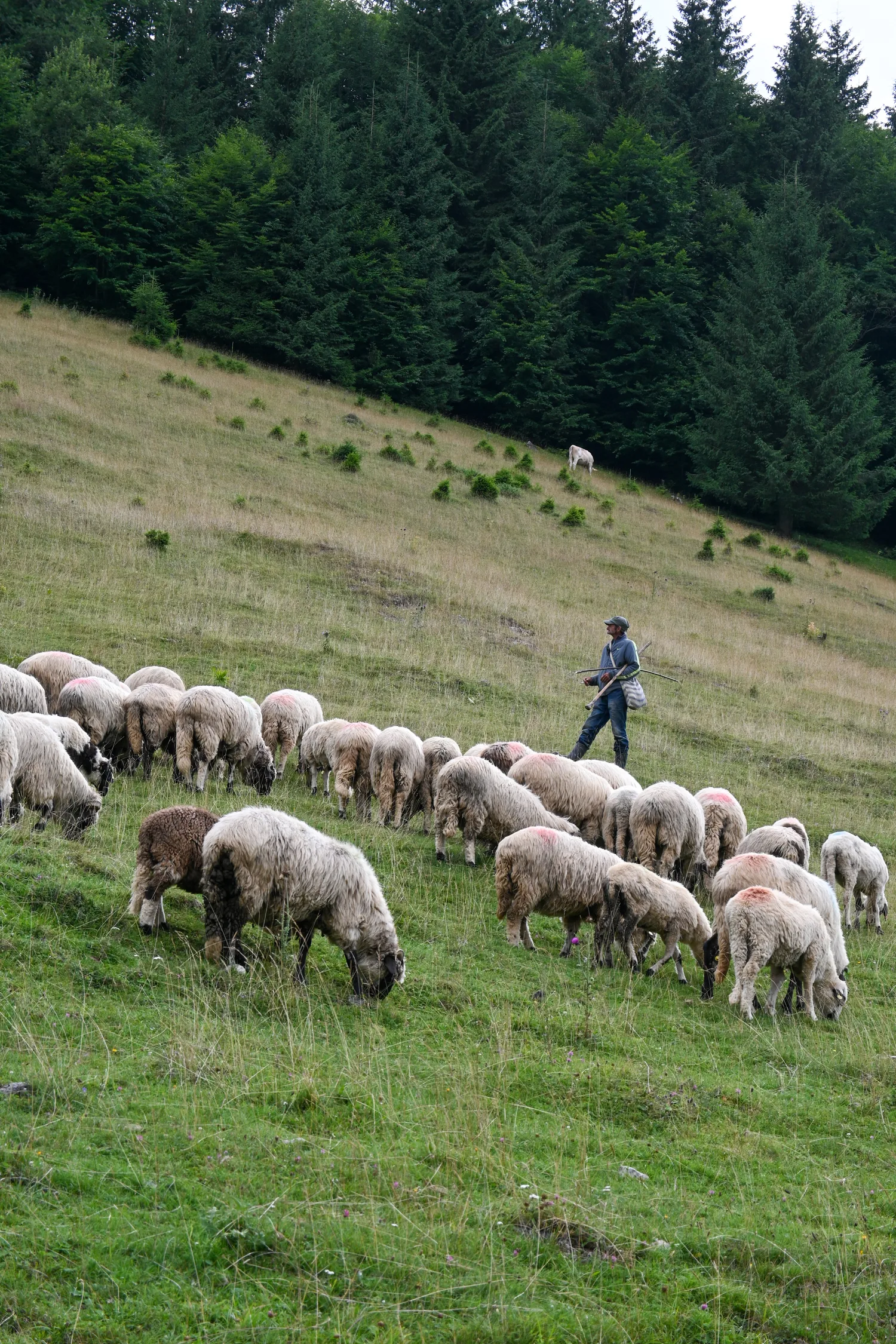
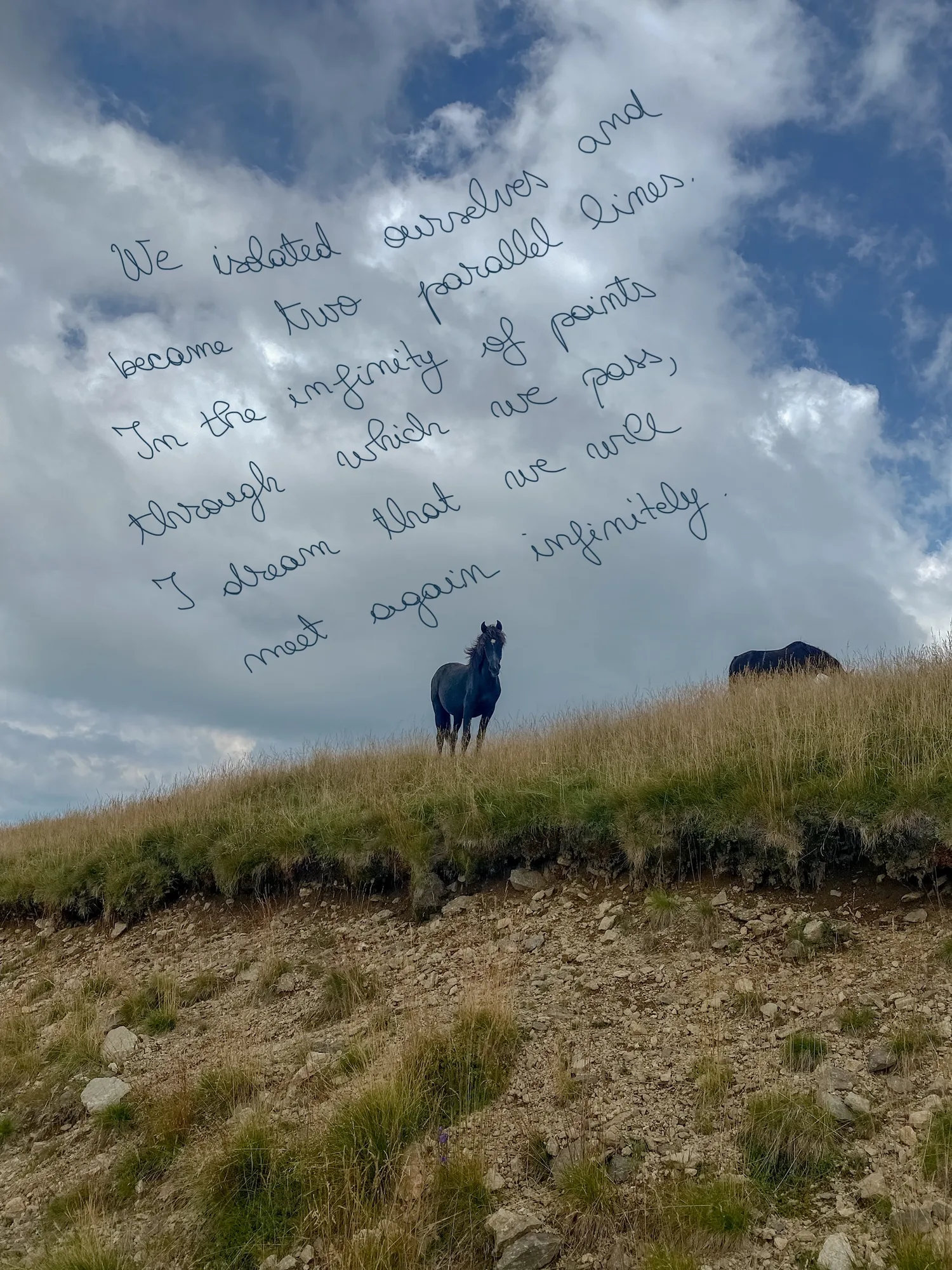
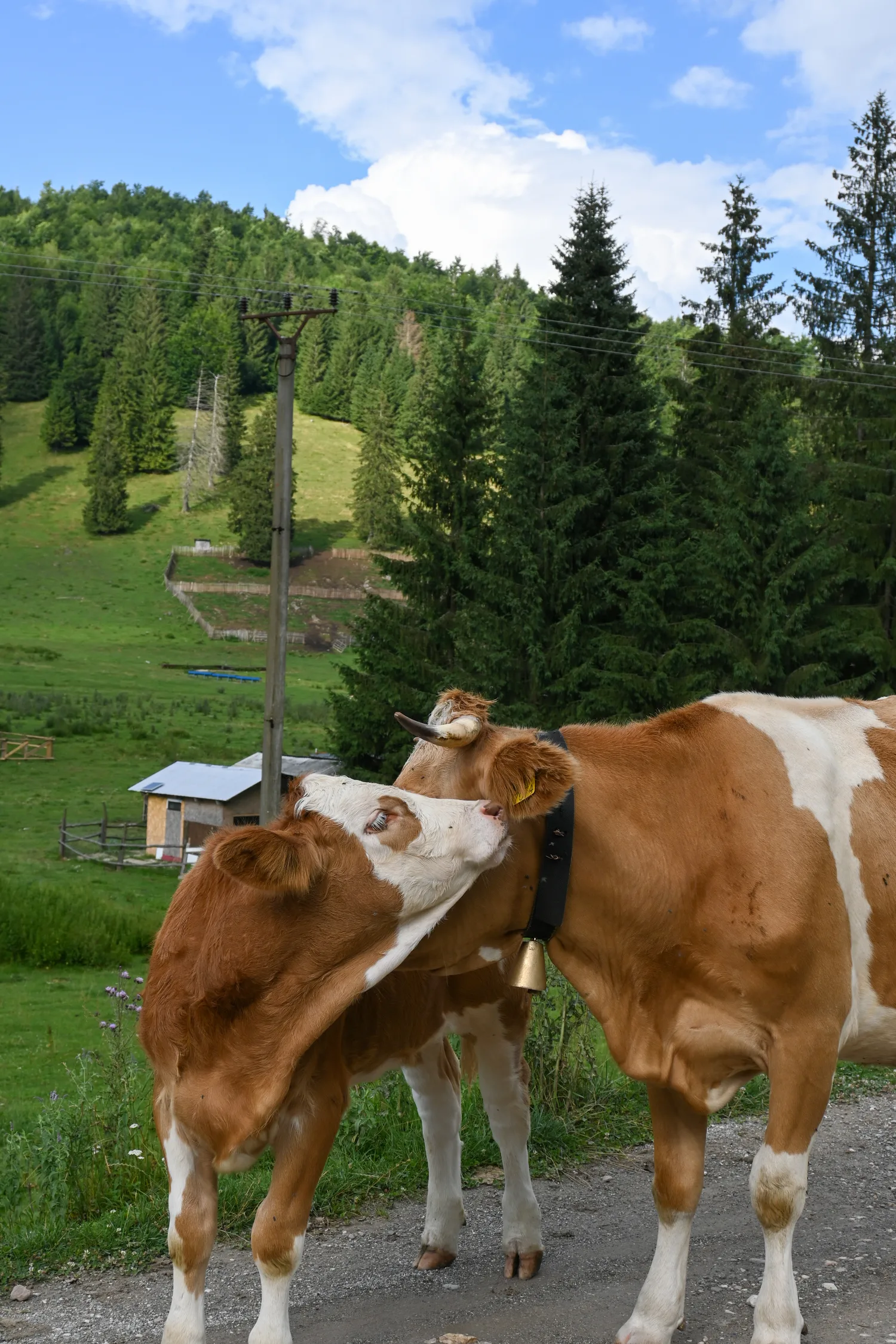
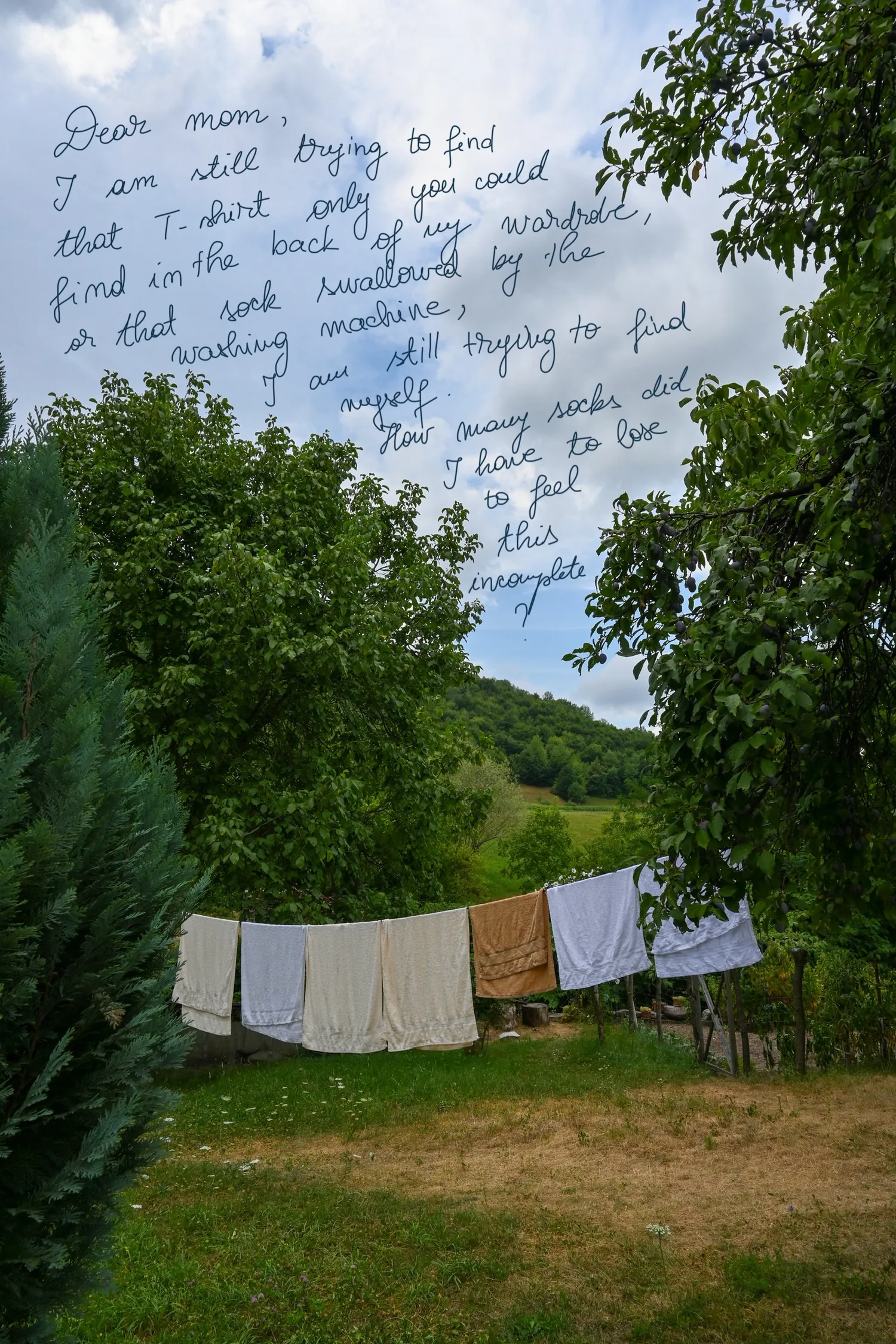
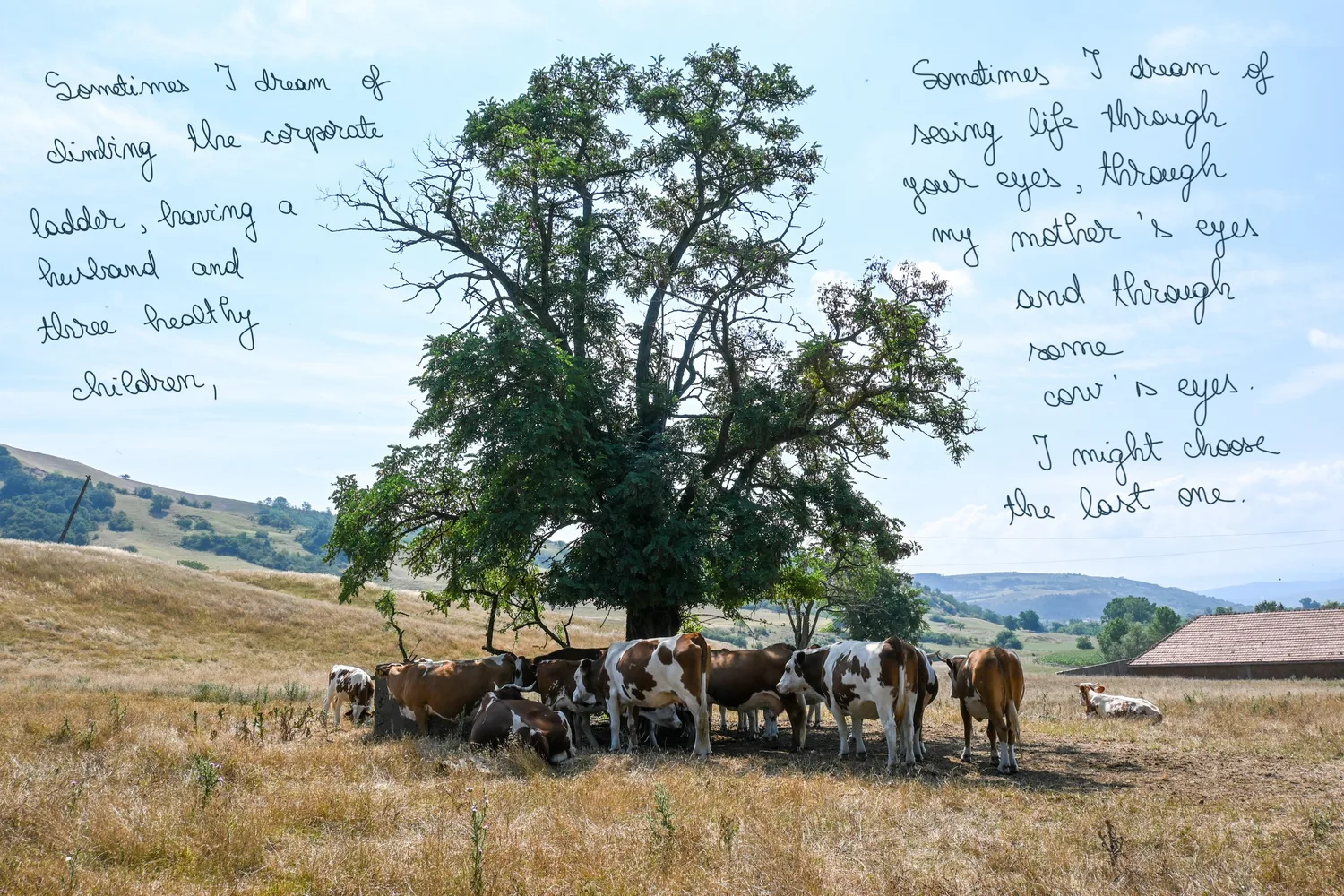
images taken in Romania by author
Short Fiction
An Address Book
A supercut of memories,
feelings,
and unverbalized realizations,
acquired amidst the streets of New York City.
Setting foot in a new place became a somber act, once I realized that all my desires are tethered to the place I have just left behind. As if there is a rope attached to my back — a realization of my loss and longing that haunts my every movement. With time, it has grown deeper under my skin, until its thin, thread-like fingers reached my spine. Bloodstream was an unfamiliar environment for the fibers, but the curse of evolution allowed them to transform and thrive within my nagging pain. Maybe this was the way generational traumas emerge and persist through decades, accumulating inside veins and arteries like calcium deposits within the water pipes.
We wonder why our parents don’t realize it, but how is one supposed to handle it? The body becomes merely a house for the lovemaking between bone and an adverse agent. Could almost label it as ‘enemies to lovers’, simply a natural occurrence.
I don’t think I registered the moment that this pulling sensation appeared. Maybe I could only feel it after the Emergency Mode of traveling was washed away with hot water in the shared shower, right across my new (temporary) room.
The conflicting thing was, I did feel excited to live in New York. I was looking forward to figuring things out, taking time to learn the coexistence with silence. I really think I did.
NYC has always felt like a distant vision most of the world has pieced together from TV shows and rumors. A vision that only a select few know the true magic of. That almost wasn’t a lie, if not for the eyes of the “select few” that I had observed every 50-minute-long train ride, day after day. Their tense postures, overtime sighs, mingled voices over the phone. Hands, rough and dirty, glistening and manicured — all sorts of hands, really — holding onto the same porches, polished with hundreds and hundreds of hands just like these.
I tried to see the magic of NYC through its gray, eye-stinging segregation. I found traces of this magic inside the love stories about the city, told by the people it had saved, hidden between the lines of museum title cards, scattered across the hands-holding-and-lips-touching bits of humanity. Desiring to believe in its existence, I almost felt like allowing myself to see its true face was an act of betrayal to the stunning image. An indictment I wasn’t ready to bring against the status-quo; an undermining of a fact I didn't feel qualified to propose.
On one of the first Saturdays I found myself pacing around Manhattan in a thirty-three-degree heat. How far will people go for the sake of art? At the very least: 34 000 steps woven around East Harlem’s streets and stairs. It was an Open Doors initiative, found on a sketchy website (when wasn’t it?), made to bring the public attention into studios of independent artists.
As my legs circled for approximately eight hours around East Harlem’s streets and stairs, the back-ridden rope began to tie into knots. Like an unwanted neighbor who is making noise past midnight, I felt the thuds of the clumps of thickening rope falling behind me. No matter how strong the rope was, my so-thought ‘rational’ intentions kept convincing me to stay in the new place. I made myself believe that I could always come back home, but that needed to wait.
So there I was, pacing around East Harlem. God bless those people who have created websites with local events, and god bless those who have told me about them. Before living in the US I would never assume that somebody else’s money and management would aid me so faithfully with a meal, content to keep my head busy, and most importantly— companionship to my loneliness.
That morning someone, whose name or voice I can’t recall, was educating me on Harlem’s history through the close proximity of my earphones. You shouldn’t always trust that first podcast recommendation, but that day seemed to be a lucky day. Dutch colonial settlement, two streets wide, grew into one of its brightest periods over the years. The Harlem Renaissance sounds like something important, because it is. But I was just starting to understand this place I was suddenly engulfed by.
One of the first things I took notice of was the big smile of a woman inside a small white-walled space, covered with her artwork. She was laughing with her friends standing around a table, which diligently kept together everything that was put on it.
Her name was Mekia, and two things from her that I took most deeply into my life were the following:
The first one healed me a while, and the second one killed me a while. Those always go together.
I had never heard about Juneteenth before I questioned why there were only 4 workdays that week. It wasn’t unexpected, more so, it would have been worse to learn that such a date wasn’t even honored enough to let people celebrate it without an additional burden of capitalism to bear.
That day I found a pile of old, yellow-paged books scattered on the road crossing Central Park. For some reason, I want to think that such a murder would have never happened back home. I know I am idealizing. As I picked them up and moved away from the careless wheels carrying even more careless drivers, I knew that this would definitely not happen back home. At least because it wouldn’t be people with borderless privilege destroying the resources that many in their city don’t even possess.
To honor Juneteenth, there was a free concert in Prospect Park, Brooklyn. What a perfect excuse that was to roam around the touristy streets and gaze at the mighty East river. I saw too many happy friend groups laughing at each other as they shared picnic blankets, food, and sing-alongs, that it made my chest clutch. I almost regretted my eagerness to experience the community culture around that date.
Almost, because I didn’t.
There was a grey-haired gentleman who sat down next to me as the concert was about to start. We both held books in our hands. Among quite a number of empty chairs, as a foreign-looking girl who definitely seemed guilty to even be here, his seating choice was all the support I needed. We ended up talking almost the entire time of the concert. I took notes of the important things:
He said
“The thing about life is that you got to enjoy the moment. Because you can never be sure about tomorrow. You shall know that you are right here right now, and then you can reminisce about it. Think back to what it was like. This is what life is about”.
If my grandfather had raised himself to be a liberal man, able to take things into perspective, this is how I imagined it would feel to be talking to him. I could feel it through the air: the warmth of the gentleman’s energy, experience and years, as they were weighting on his back.
We had been watching people dance and sing along to all sorts of African beats for a couple of hours.
His response to my
“You know, for some reason, it makes me feel so liberated to watch other people enjoy their culture”
Was
“Yes, because it’s peaceful. Genuine. That’s what people should be living like. Worldwide. Every day, not just one day a year”
And that hit.
I had gone to another open studio in Harlem.
The painter’s name was Julio Valdez. I have never seen the purity of the ocean on paper before. Never felt the water hold me so dearly from a meter-long distance of its portrait to my body.
To my question of whether he had been painting water for a long time, or if he started recently, he didn’t give a concrete response. I don’t think he had one, But he said:
“Nature is ever present, it’s something that will be there all the time”
Now if that doesn’t make you question a glimpse-long human existence, I don’t know what will. We talked for an hour and he offered me cold water. It felt like my curious eyes and pacing mind felt some solace in that bright space, breathing in the complexity of human existence and breathing out art.
I inquired about his exhibitions and works. He said that he likes it better when people “see it where it starts”—in the studio.
“I like to welcome people in my space” — i wonder how many restless night he’s spent here, with wet paint on his hands and clothes — “Many galleries view art as business and don’t even look at you” — and i wonder how many times he got turned away and still came back to his colors, and brushes covered in a crust of dry paint, and solitude among the piles of materials, — all for the sake of covering the skin of canvas with feelings.
It was a political art exhibition, and those always feel like home. They strike me straight into the ribs and out through the back. Every single slogan, or a twisted face—painted, photographed, torn out from its context just to signify something to those who would never see it come alive—
It was all about Puerto Rico. I looked at the flags, posters, and clips from movies. However, I could not see any title cards, contextual explanations;
A so-called ‘territory’ of the United States. Without the status of a sovereign state. Sounded familiar.
There was a man sitting at a table in a hallway. I asked if he was one of the artists that contributed to it. He told me it was all his own work. He told me how he dropped out of college after first year and worked on a movie set at eighteen. Eight to ten hour days, he worked for free, just for food and experience.
We talked about art, and he said “Art doesn’t just change the world, it changes the people”. Hopefully, if you’re a good artist, however you define that, your art might bring those people to do things—think, eat, speak, create, [...]—differently.
I noted down at least fifteen book and movie recommendations that he spoke of. “Capitalism is a paradigm. There is no way out if there’s a status quo to fall back into when things get difficult - the temptation is too high. When there’s nothing to fall back on you have to push forward. Now, you tell me how do we deal with capitalism not needing democracy?”
&
“The only reason we don’t provide for everyone is because someone will not be making money off of it. This model lets many bad people make objectively bad decisions, and still get away with it.”
&
“If people feel the impact of your ideas—people would defend you and your ideas”
&
“if i was young i’d be thinking: this (present) is my time, this is the greatest time”
When I was about to leave, he said “Let me give you a poster! You’re a student, you cannot afford 15$”. In my tiny room in an old house in the Bronx, that poster became a glimpse of hope—and love—to the future. Like the name of his exhibition, it read “The Art of Resistance”.
New York City is a refuge for the abandoned. Yellow-paged paperbacks on the benches along Central Park West. Cigarette butts scattered like the traces of anxious pacing across pavement creaks. Bent and twisted beer cans, left to huddle in a corner of an empty sidewalk. Careless evenings of childhood, swept away with the dust over high wooden shelves, traded for a couple dollar bills per a pack of M&M’s.
It never stops. It swallows you whole, until it feels like a losing race most of the time, regardless of the outcomes. You leave, you stay, you live, you die, you laugh, you make memories — it has meaning for a while, but not for too long. At some point, it’s simply over. The world goes on with its systems, hopes and hopelessness, saints and villains. We can spend years figuring it out, and still be left with nothing. Or, be left with something we cannot possibly take with us, but we know it’s a legacy that will outlive a memory of our existence.
Now, the shelters of NYC, that are its streets, have also acquired my fallen words, stuck beneath the roots of grass in Central Park. The realizations I had underlined with my unsharpened pencil inside the library books, paired with the questions I had dog eared. My messy, half-inaudible, twisted, and fainting dreams of home, left beneath the many pillows I had laid my head on those nights. And the rope ripped out of my back, too, abandoned somewhere along Lexington Avenue.
feelings,
and unverbalized realizations,
acquired amidst the streets of New York City.
Setting foot in a new place became a somber act, once I realized that all my desires are tethered to the place I have just left behind. As if there is a rope attached to my back — a realization of my loss and longing that haunts my every movement. With time, it has grown deeper under my skin, until its thin, thread-like fingers reached my spine. Bloodstream was an unfamiliar environment for the fibers, but the curse of evolution allowed them to transform and thrive within my nagging pain. Maybe this was the way generational traumas emerge and persist through decades, accumulating inside veins and arteries like calcium deposits within the water pipes.
We wonder why our parents don’t realize it, but how is one supposed to handle it? The body becomes merely a house for the lovemaking between bone and an adverse agent. Could almost label it as ‘enemies to lovers’, simply a natural occurrence.
I don’t think I registered the moment that this pulling sensation appeared. Maybe I could only feel it after the Emergency Mode of traveling was washed away with hot water in the shared shower, right across my new (temporary) room.
The conflicting thing was, I did feel excited to live in New York. I was looking forward to figuring things out, taking time to learn the coexistence with silence. I really think I did.
NYC has always felt like a distant vision most of the world has pieced together from TV shows and rumors. A vision that only a select few know the true magic of. That almost wasn’t a lie, if not for the eyes of the “select few” that I had observed every 50-minute-long train ride, day after day. Their tense postures, overtime sighs, mingled voices over the phone. Hands, rough and dirty, glistening and manicured — all sorts of hands, really — holding onto the same porches, polished with hundreds and hundreds of hands just like these.
I tried to see the magic of NYC through its gray, eye-stinging segregation. I found traces of this magic inside the love stories about the city, told by the people it had saved, hidden between the lines of museum title cards, scattered across the hands-holding-and-lips-touching bits of humanity. Desiring to believe in its existence, I almost felt like allowing myself to see its true face was an act of betrayal to the stunning image. An indictment I wasn’t ready to bring against the status-quo; an undermining of a fact I didn't feel qualified to propose.
[for the sake of art]
On one of the first Saturdays I found myself pacing around Manhattan in a thirty-three-degree heat. How far will people go for the sake of art? At the very least: 34 000 steps woven around East Harlem’s streets and stairs. It was an Open Doors initiative, found on a sketchy website (when wasn’t it?), made to bring the public attention into studios of independent artists.
As my legs circled for approximately eight hours around East Harlem’s streets and stairs, the back-ridden rope began to tie into knots. Like an unwanted neighbor who is making noise past midnight, I felt the thuds of the clumps of thickening rope falling behind me. No matter how strong the rope was, my so-thought ‘rational’ intentions kept convincing me to stay in the new place. I made myself believe that I could always come back home, but that needed to wait.
So there I was, pacing around East Harlem. God bless those people who have created websites with local events, and god bless those who have told me about them. Before living in the US I would never assume that somebody else’s money and management would aid me so faithfully with a meal, content to keep my head busy, and most importantly— companionship to my loneliness.
That morning someone, whose name or voice I can’t recall, was educating me on Harlem’s history through the close proximity of my earphones. You shouldn’t always trust that first podcast recommendation, but that day seemed to be a lucky day. Dutch colonial settlement, two streets wide, grew into one of its brightest periods over the years. The Harlem Renaissance sounds like something important, because it is. But I was just starting to understand this place I was suddenly engulfed by.
One of the first things I took notice of was the big smile of a woman inside a small white-walled space, covered with her artwork. She was laughing with her friends standing around a table, which diligently kept together everything that was put on it.
Her name was Mekia, and two things from her that I took most deeply into my life were the following:
- “It’s not going to make sense at the start” - written in rough black letters on an unevenly cut out square of paper, taped to the wall.
- That nonchalant tone, as she told me about the series of paintings she made about her best friend, who drowned as a child. Faceless series. She said she couldn’t remember her face anymore.
The first one healed me a while, and the second one killed me a while. Those always go together.
[not just one day a year]
I had never heard about Juneteenth before I questioned why there were only 4 workdays that week. It wasn’t unexpected, more so, it would have been worse to learn that such a date wasn’t even honored enough to let people celebrate it without an additional burden of capitalism to bear.
That day I found a pile of old, yellow-paged books scattered on the road crossing Central Park. For some reason, I want to think that such a murder would have never happened back home. I know I am idealizing. As I picked them up and moved away from the careless wheels carrying even more careless drivers, I knew that this would definitely not happen back home. At least because it wouldn’t be people with borderless privilege destroying the resources that many in their city don’t even possess.
To honor Juneteenth, there was a free concert in Prospect Park, Brooklyn. What a perfect excuse that was to roam around the touristy streets and gaze at the mighty East river. I saw too many happy friend groups laughing at each other as they shared picnic blankets, food, and sing-alongs, that it made my chest clutch. I almost regretted my eagerness to experience the community culture around that date.
Almost, because I didn’t.
There was a grey-haired gentleman who sat down next to me as the concert was about to start. We both held books in our hands. Among quite a number of empty chairs, as a foreign-looking girl who definitely seemed guilty to even be here, his seating choice was all the support I needed. We ended up talking almost the entire time of the concert. I took notes of the important things:
He said
“The thing about life is that you got to enjoy the moment. Because you can never be sure about tomorrow. You shall know that you are right here right now, and then you can reminisce about it. Think back to what it was like. This is what life is about”.
If my grandfather had raised himself to be a liberal man, able to take things into perspective, this is how I imagined it would feel to be talking to him. I could feel it through the air: the warmth of the gentleman’s energy, experience and years, as they were weighting on his back.
We had been watching people dance and sing along to all sorts of African beats for a couple of hours.
His response to my
“You know, for some reason, it makes me feel so liberated to watch other people enjoy their culture”
Was
“Yes, because it’s peaceful. Genuine. That’s what people should be living like. Worldwide. Every day, not just one day a year”
And that hit.
[skin of his canvas]
I had gone to another open studio in Harlem.
The painter’s name was Julio Valdez. I have never seen the purity of the ocean on paper before. Never felt the water hold me so dearly from a meter-long distance of its portrait to my body.
To my question of whether he had been painting water for a long time, or if he started recently, he didn’t give a concrete response. I don’t think he had one, But he said:
“Nature is ever present, it’s something that will be there all the time”
Now if that doesn’t make you question a glimpse-long human existence, I don’t know what will. We talked for an hour and he offered me cold water. It felt like my curious eyes and pacing mind felt some solace in that bright space, breathing in the complexity of human existence and breathing out art.
I inquired about his exhibitions and works. He said that he likes it better when people “see it where it starts”—in the studio.
“I like to welcome people in my space” — i wonder how many restless night he’s spent here, with wet paint on his hands and clothes — “Many galleries view art as business and don’t even look at you” — and i wonder how many times he got turned away and still came back to his colors, and brushes covered in a crust of dry paint, and solitude among the piles of materials, — all for the sake of covering the skin of canvas with feelings.
[the art of resistance]
It was a political art exhibition, and those always feel like home. They strike me straight into the ribs and out through the back. Every single slogan, or a twisted face—painted, photographed, torn out from its context just to signify something to those who would never see it come alive—
It was all about Puerto Rico. I looked at the flags, posters, and clips from movies. However, I could not see any title cards, contextual explanations;
A so-called ‘territory’ of the United States. Without the status of a sovereign state. Sounded familiar.
There was a man sitting at a table in a hallway. I asked if he was one of the artists that contributed to it. He told me it was all his own work. He told me how he dropped out of college after first year and worked on a movie set at eighteen. Eight to ten hour days, he worked for free, just for food and experience.
We talked about art, and he said “Art doesn’t just change the world, it changes the people”. Hopefully, if you’re a good artist, however you define that, your art might bring those people to do things—think, eat, speak, create, [...]—differently.
I noted down at least fifteen book and movie recommendations that he spoke of. “Capitalism is a paradigm. There is no way out if there’s a status quo to fall back into when things get difficult - the temptation is too high. When there’s nothing to fall back on you have to push forward. Now, you tell me how do we deal with capitalism not needing democracy?”
&
“The only reason we don’t provide for everyone is because someone will not be making money off of it. This model lets many bad people make objectively bad decisions, and still get away with it.”
&
“If people feel the impact of your ideas—people would defend you and your ideas”
&
“if i was young i’d be thinking: this (present) is my time, this is the greatest time”
When I was about to leave, he said “Let me give you a poster! You’re a student, you cannot afford 15$”. In my tiny room in an old house in the Bronx, that poster became a glimpse of hope—and love—to the future. Like the name of his exhibition, it read “The Art of Resistance”.
[refuge]
New York City is a refuge for the abandoned. Yellow-paged paperbacks on the benches along Central Park West. Cigarette butts scattered like the traces of anxious pacing across pavement creaks. Bent and twisted beer cans, left to huddle in a corner of an empty sidewalk. Careless evenings of childhood, swept away with the dust over high wooden shelves, traded for a couple dollar bills per a pack of M&M’s.
It never stops. It swallows you whole, until it feels like a losing race most of the time, regardless of the outcomes. You leave, you stay, you live, you die, you laugh, you make memories — it has meaning for a while, but not for too long. At some point, it’s simply over. The world goes on with its systems, hopes and hopelessness, saints and villains. We can spend years figuring it out, and still be left with nothing. Or, be left with something we cannot possibly take with us, but we know it’s a legacy that will outlive a memory of our existence.
Now, the shelters of NYC, that are its streets, have also acquired my fallen words, stuck beneath the roots of grass in Central Park. The realizations I had underlined with my unsharpened pencil inside the library books, paired with the questions I had dog eared. My messy, half-inaudible, twisted, and fainting dreams of home, left beneath the many pillows I had laid my head on those nights. And the rope ripped out of my back, too, abandoned somewhere along Lexington Avenue.
Poetry
Endings
I can’t finish poems anymore.
I got used to the abandoned,
To the books I ha-lf re-ad,
And to the stories I leave incomplete.
You and I were one such story,
We left fragments in our wake.
The dying r
o
se
s, the bro/ken promises,
And the memories we never made.
I leave things unfinishe-,
I became used to the emptiness.
To the hope, the tears
And the escaping years.
That is what you do, after all,
When things end.
You weep, you sleep,
And wait for the day to end.
I got used to the abandoned,
To the books I ha-lf re-ad,
And to the stories I leave incomplete.
You and I were one such story,
We left fragments in our wake.
The dying r
o
se
s, the bro/ken promises,
And the memories we never made.
I leave things unfinishe-,
I became used to the emptiness.
To the hope, the tears
And the escaping years.
That is what you do, after all,
When things end.
You weep, you sleep,
And wait for the day to end.
Collage
Somewhere in Between
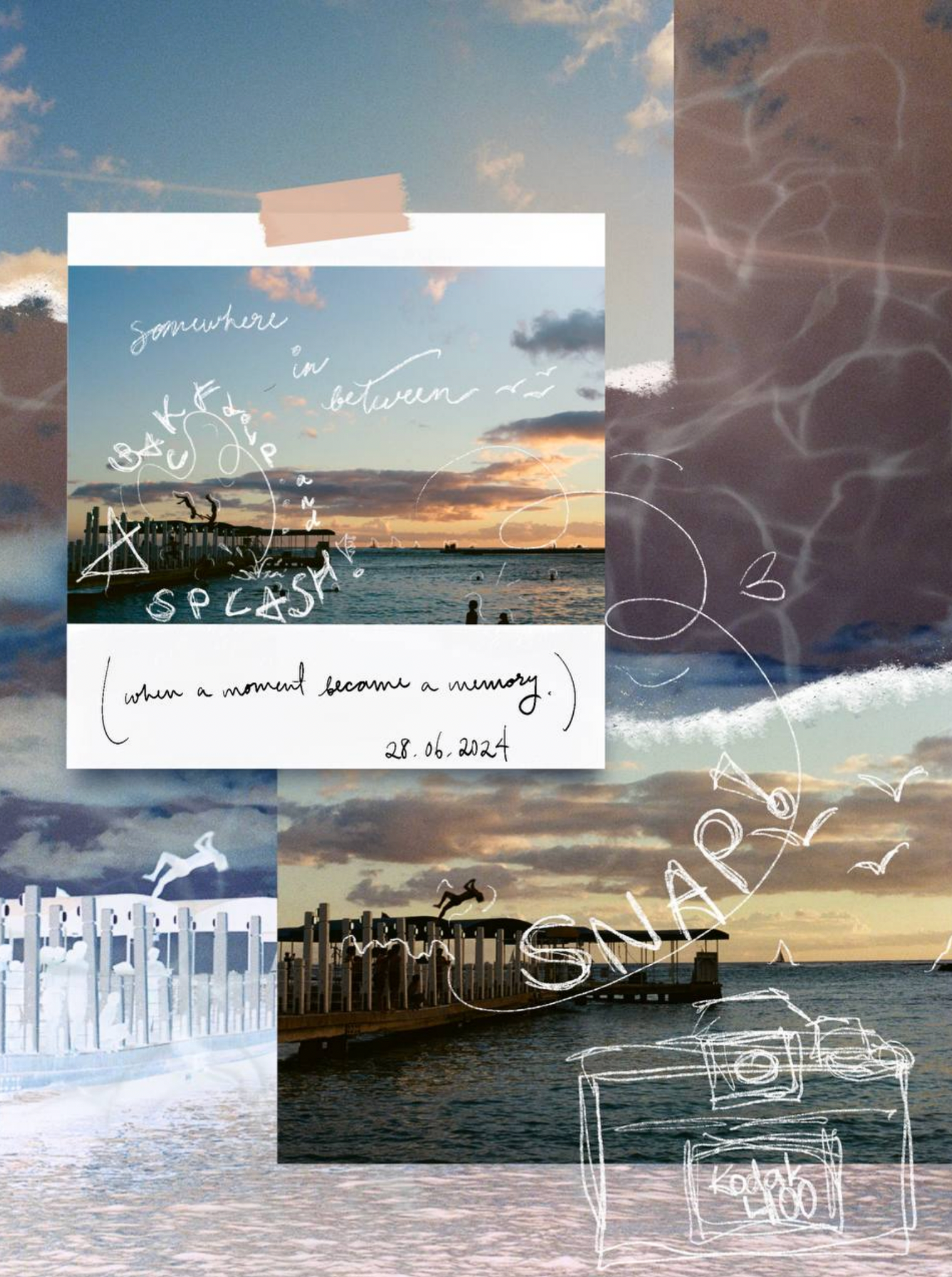
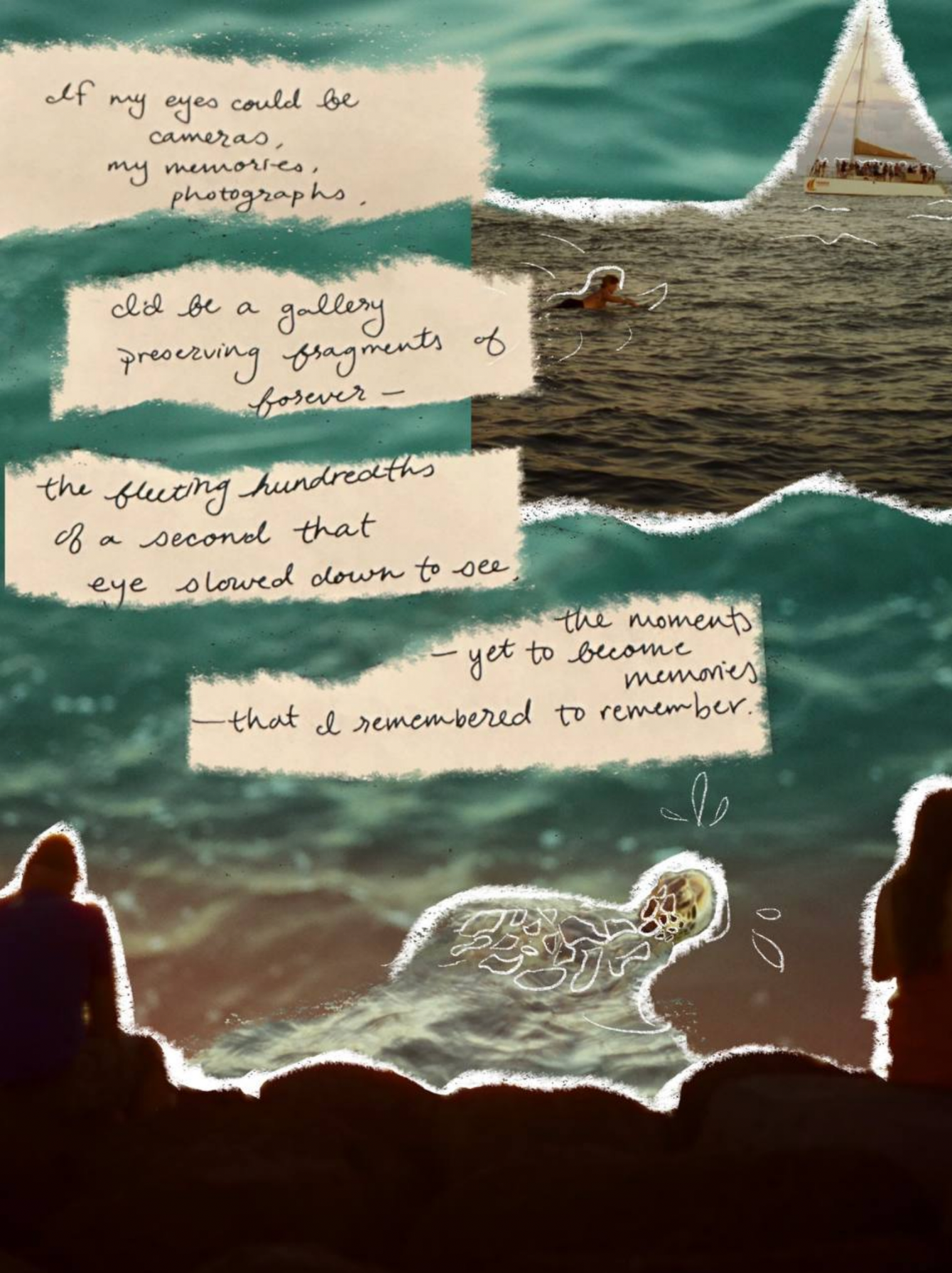
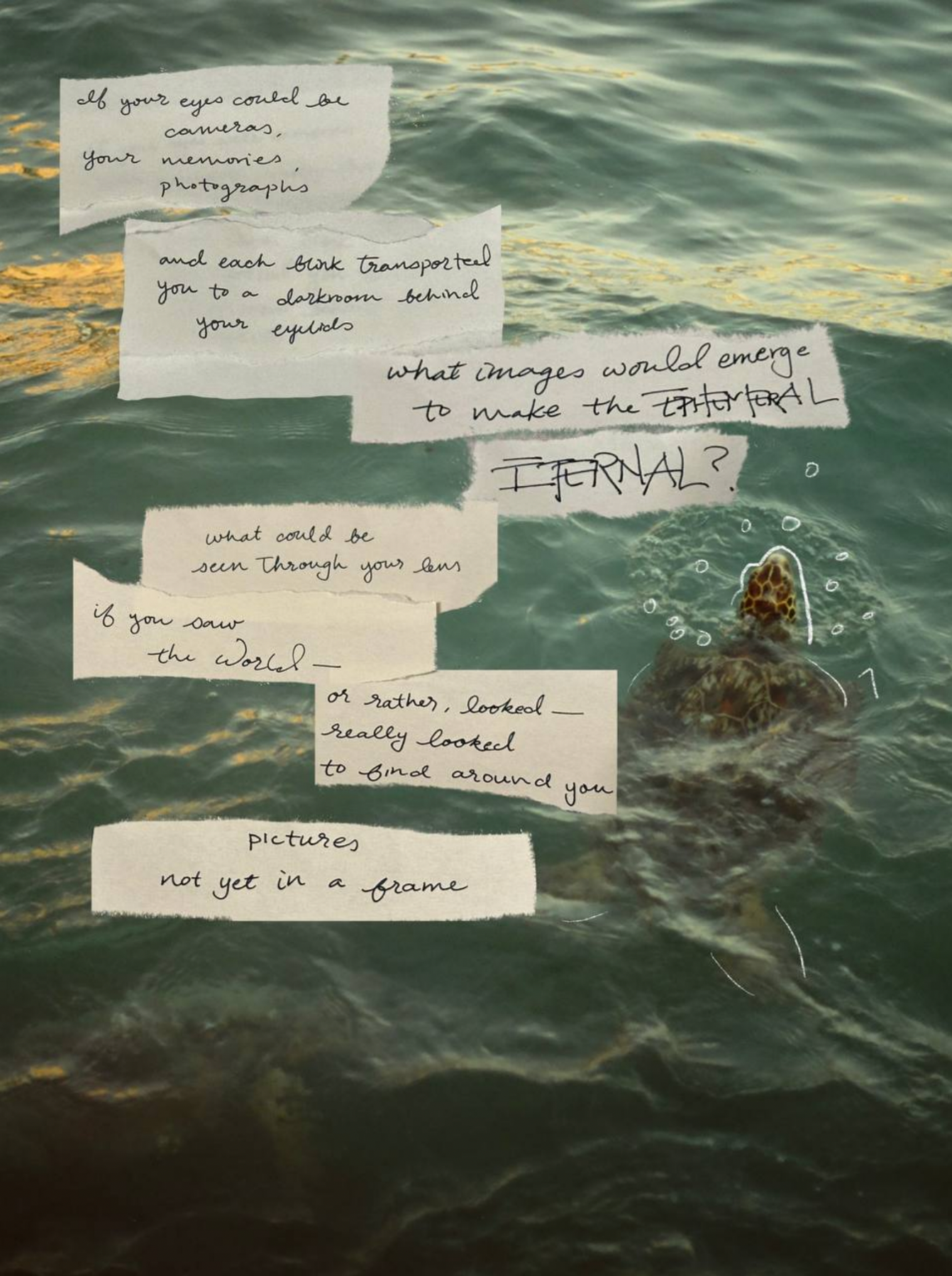
Short Fiction
letter to a future self
Dear Leila in 2028,
The summer of 2024 shimmers with the promise of the dream university, the first semester waiting like an unopened gift. Like all Minervans, I cannot wait to obtain the proper visa, deal with all arising difficulties and challenges, pack my luggage, get to the dorms, connect with all classmates and professors, attend classes on Forum, decorate my room, get through the Foundation week, explore San Francisco, and much more.
Summer is always associated with holidays, a tonne of sunny days, picnics, and friends, but the summer before the first year in university hits differently. From the day I completed the Prepare page on MyMinerva, the upcoming adventures became so real that I felt heavy in my thoughts. Each 'submit' in the visa application forms, each printed page of documents I put away into my green folder, an asymmetrical date for my visa interview appointment: all of these things lined up into a path of steps that take me closer to my dream.
However, nothing can be handled with zero stress, and the same applies to the visa interview. I had been worrying about the questions, answers, expectations, and the final outcome — especially about my possible rejection. Overthinking hits hard. I traveled abroad to attend my interview and got two rejections that made me fell that I am pursuing the wrong thing. Fortunately, everything turned out to be alright during my third interview. After an appointment at the embassy, overwhelmed by joy, I was waiting for the day to pick up my passport with the visa inside and start preparation for the departure date. Holding a passport with the visa inside seems to be a miracle.
Fortunately, good emotions outweigh the negative ones. Excitement fills my soul and body. The past version of me has done so much to be in this position right now. Sleepless nights, exam preparations, activities, olympiads, the application process, interviews, and financial documents consumed me entirely, up until the day I opened my acceptance letter. And I’m proud of myself.
After such a saturated period, I can finally relax without boredom because of Minerva's engaging environment and constant flow of interesting activities. Summer assessments show my abilities and room for growth. Minerva doesn’t leave students without help, so Summer prep groups are organized. Writing, programming, and math are the main focus for Minerva’s freshmen. Awesome upperclassmen host sessions to cover challenging topics and help familiarize M28s with all the Forum features — my favorite are emoji reactions. The vast capabilities of the Forum make studying fun, engaging, and, most importantly, memorable.
In addition, office hours are another thrilling opportunity throughout the summer to get to know my classmates better and learn about their interests, aspirations, motivations, and backgrounds. Sometimes it’s hard to realize that I will spend the next four years in different rotation cities with them. Studying, cooking, traveling, exploring, and learning from each other: all these will be a part of my life by the end of August.
Upperclassmen shared their experience and shed some light on life in San Francisco and other rotation cities. Hilarious stories about every sphere of life can be discovered during office hours. Everyone seems so excited about the upcoming year! It’s like a dream come true.
Of course, there are anxieties. The enormity of the undertaking hits me. San Francisco, with its dazzling Golden Gate Bridge, majestic Muir Woods, and vibrant cultural scene, also has another side. Homelessness and drug issues are the reality here, and it's important to be aware of them. We're not naive. We're adults who chose this path, and we understand that life isn't always sunshine and rainbows. And we're ready to navigate the city's contrasting sides, finding a balance between the excitement of our studies, the thrill of exploring a new place, and the need to be aware of the existing challenges.
Summer promises so much! Fortunately or unfortunately, difficulties have always been a part of the journey, especially when everything happens for the first time. It won't be easy, but it will be worth it. Every challenge I overcome will make me stronger, and the rewards will be well worth the effort.
Awaiting for the future adventures!
Best wishes,
Leila from 2024
The summer of 2024 shimmers with the promise of the dream university, the first semester waiting like an unopened gift. Like all Minervans, I cannot wait to obtain the proper visa, deal with all arising difficulties and challenges, pack my luggage, get to the dorms, connect with all classmates and professors, attend classes on Forum, decorate my room, get through the Foundation week, explore San Francisco, and much more.
Summer is always associated with holidays, a tonne of sunny days, picnics, and friends, but the summer before the first year in university hits differently. From the day I completed the Prepare page on MyMinerva, the upcoming adventures became so real that I felt heavy in my thoughts. Each 'submit' in the visa application forms, each printed page of documents I put away into my green folder, an asymmetrical date for my visa interview appointment: all of these things lined up into a path of steps that take me closer to my dream.
However, nothing can be handled with zero stress, and the same applies to the visa interview. I had been worrying about the questions, answers, expectations, and the final outcome — especially about my possible rejection. Overthinking hits hard. I traveled abroad to attend my interview and got two rejections that made me fell that I am pursuing the wrong thing. Fortunately, everything turned out to be alright during my third interview. After an appointment at the embassy, overwhelmed by joy, I was waiting for the day to pick up my passport with the visa inside and start preparation for the departure date. Holding a passport with the visa inside seems to be a miracle.
Fortunately, good emotions outweigh the negative ones. Excitement fills my soul and body. The past version of me has done so much to be in this position right now. Sleepless nights, exam preparations, activities, olympiads, the application process, interviews, and financial documents consumed me entirely, up until the day I opened my acceptance letter. And I’m proud of myself.
After such a saturated period, I can finally relax without boredom because of Minerva's engaging environment and constant flow of interesting activities. Summer assessments show my abilities and room for growth. Minerva doesn’t leave students without help, so Summer prep groups are organized. Writing, programming, and math are the main focus for Minerva’s freshmen. Awesome upperclassmen host sessions to cover challenging topics and help familiarize M28s with all the Forum features — my favorite are emoji reactions. The vast capabilities of the Forum make studying fun, engaging, and, most importantly, memorable.
In addition, office hours are another thrilling opportunity throughout the summer to get to know my classmates better and learn about their interests, aspirations, motivations, and backgrounds. Sometimes it’s hard to realize that I will spend the next four years in different rotation cities with them. Studying, cooking, traveling, exploring, and learning from each other: all these will be a part of my life by the end of August.
Upperclassmen shared their experience and shed some light on life in San Francisco and other rotation cities. Hilarious stories about every sphere of life can be discovered during office hours. Everyone seems so excited about the upcoming year! It’s like a dream come true.
Of course, there are anxieties. The enormity of the undertaking hits me. San Francisco, with its dazzling Golden Gate Bridge, majestic Muir Woods, and vibrant cultural scene, also has another side. Homelessness and drug issues are the reality here, and it's important to be aware of them. We're not naive. We're adults who chose this path, and we understand that life isn't always sunshine and rainbows. And we're ready to navigate the city's contrasting sides, finding a balance between the excitement of our studies, the thrill of exploring a new place, and the need to be aware of the existing challenges.
Summer promises so much! Fortunately or unfortunately, difficulties have always been a part of the journey, especially when everything happens for the first time. It won't be easy, but it will be worth it. Every challenge I overcome will make me stronger, and the rewards will be well worth the effort.
Awaiting for the future adventures!
Best wishes,
Leila from 2024
Credits
Editorettes-in-Chief Daria Bassot (M26) Dasha Panasenko (M25) Literary Editors Almira Halkina (M27) Emma Zhang (M27) Fabian Steinmetz (M27) Miray Özmutlu (M27) Elfriede Suarez Reichenberger (M27) Art Editors Ari Perez (M26) Mariam Kvavadze (M27) Mara Dumitru (M27) Advising Editor Zhi Zhi Chia (M25) Cover Artist Echo Huang (M27) Web Team Dasha Panasenko (M25) Zhi Zhi Chia (M25)